admin
admin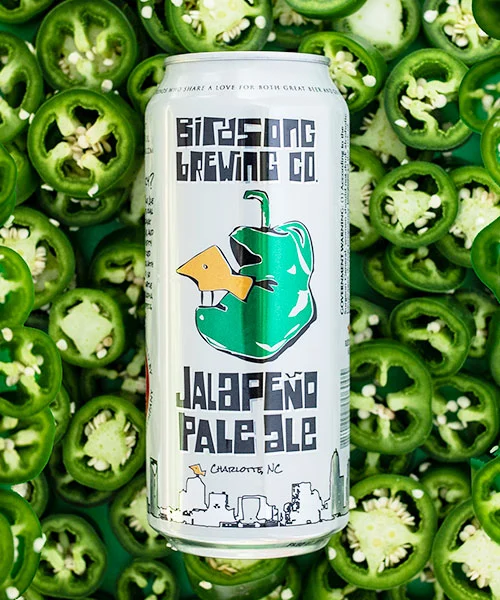
The landscape of the American craft brewing industry is undergoing a sensory shift as brewers increasingly move beyond the traditional boundaries of hops and malt to explore the complex, often polarizing world of capsaicin-infused ales. Once dismissed as a niche novelty or a "dare" at the bottom of a taproom menu, spicy beers—or chili beers—have matured into a sophisticated category that demands high levels of technical proficiency and a deep understanding of flavor balance. While the primary function of beer in a culinary context has often been to extinguish the fire of spicy food, a growing movement of brewers is now choosing to "play both sides," utilizing peppers to amplify heat while simultaneously providing a carbonated, malty framework to control the burn.
The Chemistry and Culinary Appeal of Chili-Infused Brews
The rise of the spicy beer coincides with a broader cultural fascination with heat, exemplified by the popularity of high-Scoville sauces and extreme culinary challenges. However, the application of peppers in brewing is a delicate science. Capsaicin, the active component of chili peppers, is hydrophobic and fat-soluble. While milk is the traditional antidote to spice because its fats dissolve capsaicin, beer offers a different interaction. The carbonation in a lager or ale acts as a mechanical scrubber on the tongue, while the residual sugars and malt profile can provide a brief respite before the alcohol potentially intensifies the heat sensation.
For brewers, the goal is rarely pure pain. Instead, the objective is "maximalism with restraint." By incorporating fresh chiles, dried powders, or even wasabi, craft producers are positioning these beverages as an antidote to the market saturation of Hazy IPAs and Kettle Sours. In a professional tasting context, a successful chili beer must demonstrate the "three pillars" of spice: the immediate aroma of the pepper, the mid-palate flavor (often vegetal or fruity), and a lingering, controlled heat that does not obliterate the base beer’s characteristics.
A Chronology of Heat: From Holiday Spice to Scoville Extremes
The history of adjunct-heavy beers in the United States traces back to the early days of the craft revolution in the 1980s. Initially, "spiced beers" were synonymous with holiday traditions—think nutmeg, cinnamon, and cloves used in winter warmers. It was not until the late 2000s and early 2010s that the industry saw a concerted effort to move from "spiced" to "spicy."
In 2010, Birdsong Brewing Co. in Charlotte, North Carolina, began experimenting with jalapeño infusions in their American Pale Ale. By 2012, Country Boy Brewing in Kentucky was utilizing homegrown habaneros. The timeline shows a clear progression: as consumer palates became more adventurous, the peppers used became hotter. This evolution reached a peak in the late 2010s when breweries began competing for the title of the "world’s hottest beer," utilizing Carolina Reapers and Ghost Peppers in limited-release challenges.
Case Study: The Technical Execution of the Michelada-Inspired Ale
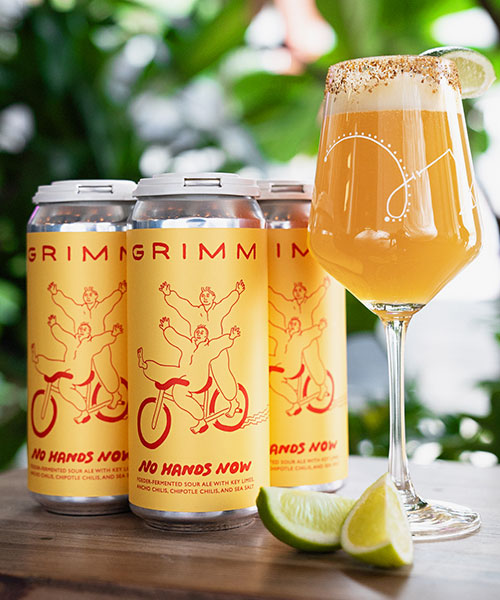
One of the most prominent examples of the modern, balanced approach is found at Grimm Artisanal Ales in Brooklyn, New York. Founded in 2013 by Lauren and Joe Grimm, the brewery has built a reputation for complex, experimental fermentations. Their "No Hands Now" ale represents a sophisticated intersection of the Mexican Michelada tradition and Belgian-style wild fermentation.
The production process for this 4.0% ABV sour ale is rigorous. The beer begins its life in oak foeders—large wooden vats—where resident microbes contribute a foundational tartness. Once the desired complexity is achieved, the beer is steeped with ancho and chipotle chiles. Anchos provide a raisin-like sweetness and mild heat, while chipotles contribute a deep smokiness. To balance these heavy notes, the brewers add lime juice and Motueka hops, a New Zealand variety known for its distinct lime zest aroma. The addition of sea salt serves as a flavor enhancer, mirroring the rim of a traditional cocktail. This multi-layered approach demonstrates that spicy beer can be a vehicle for terroir and fermentation science rather than just a delivery system for heat.
Scaling the Scoville: Challenges in Mass Production
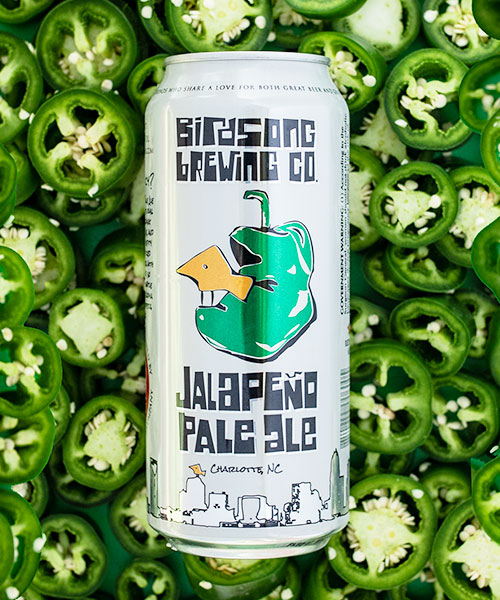
For breweries like Birdsong Brewing Co., the challenge lies in consistency and scale. What began as a small-batch experiment with a few sliced jalapeños has grown into a massive operation. In 2024 alone, the brewery processed over 400 pounds of locally grown North Carolina jalapeños.
According to the brewery’s founders, the primary difficulty in scaling chili beer is not the volume of peppers, but the "contact time." Capsaicin extraction is highly sensitive to temperature and duration. If the peppers remain in the liquid too long, the beer can become undrinkably bitter and vegetal. Birdsong manages this by removing the seeds—where much of the searing heat resides—allowing the fresh, "green" aroma of the pepper to take center stage. This results in a beer that mimics the flavor profile of a jalapeño chip: aromatic and savory with a manageable tingle.
Regional Identity and the Rise of the Hatch Chile Lager
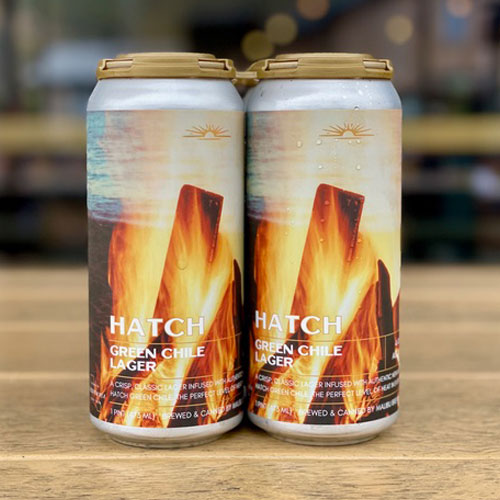
In the American West, spicy beer often serves as a nod to regional agricultural heritage. Malibu Brewing Company’s Hatch Chile Lager is a prime example of this "sense of place." The beer was initially conceived as a birthday tribute to CEO Ryan Ahrens’ New Mexico roots, where the Hatch green chile is considered a cultural staple.
The technical success of this beer was validated at the 2023 Brewers Cup of California, where it secured a gold medal in the Chili Beer category. This category is distinct from the "Herb and Spice" category, a distinction the Brewers Association maintains to recognize the specific difficulty of brewing with heat-producing peppers. By using a crisp Mexican-style lager as the base, Malibu Brewing allows the roasted, earthy qualities of the Hatch chile to remain transparent. This beer has also found a secondary life in "beertails," serving as the base for spicy ginger mules and "brewritas," illustrating the versatility of the style in the broader beverage market.
The Extreme End: Habaneros and the "World’s Hottest" Contests
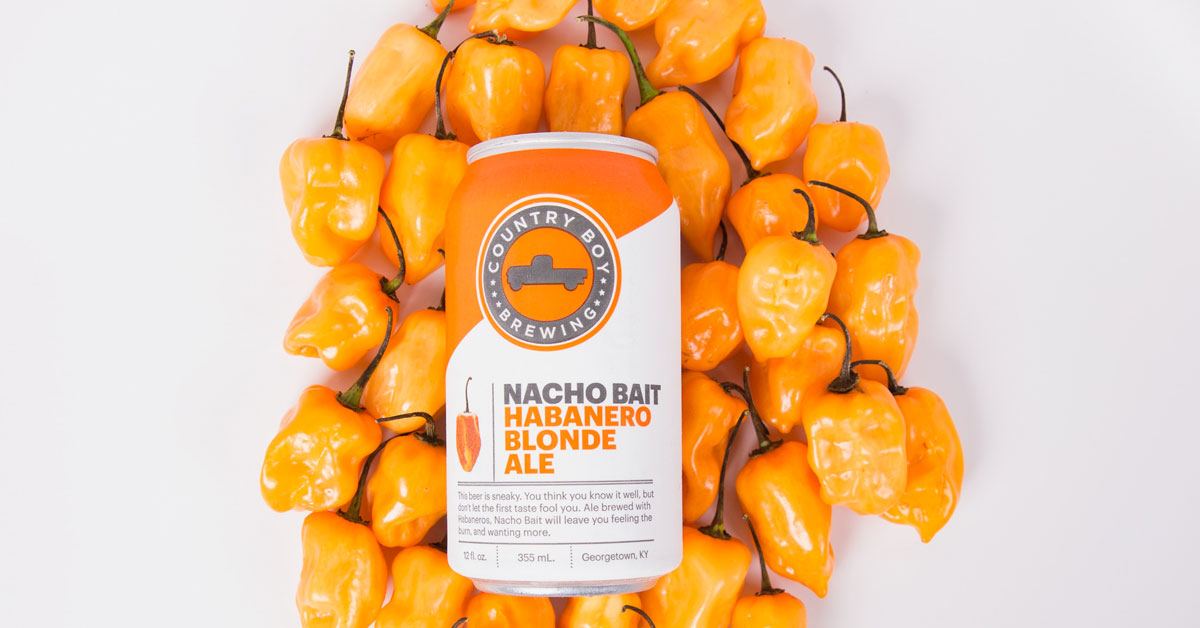
While many brewers aim for balance, a subset of the industry leans into the "slow burn." Country Boy Brewing’s Nacho Bait Habanero Blonde is a significant entry in the Kentucky craft scene. First brewed in 2013, the beer utilizes habaneros—peppers that rank significantly higher on the Scoville scale than jalapeños or anchos.
The brewery’s experience highlights the volatility of using natural ingredients. The spice level of Nacho Bait fluctuates seasonally; homegrown peppers used in the summer are notably more potent than store-bought varieties used in the winter. To mitigate this, the brewery maintains a strict ratio of 10 pounds of peppers per 10-barrel batch, ensuring that the fruit-forward notes of the habanero—often compared to apricot or mango—remain present.
At the furthest extreme of the market, nanobrewery Maltese Brewing Co. in Virginia and Burning Barrel Brewing Co. in California have engaged in a "Scoville arms race." Their challenge beers, often infused with Carolina Reapers (the world’s hottest pepper), are marketed as endurance tests. These releases represent the "Hot Ones" effect on the brewing industry, where the consumption of the product is as much a social media event as it is a culinary experience.
Market Dynamics and the Cult Status of Fruit-Infused Heat
The commercial viability of spicy beer is perhaps best illustrated by Bell’s Brewery and their Mango Habanero Oberon. Bell’s, a titan of the Michigan brewing scene since 1985, saw its signature wheat ale, Oberon, become a national favorite. The mango-habanero variant, introduced in 2020, quickly achieved "cult status."
The success of this variant underscores a key market trend: the pairing of "Sweet and Heat." By using mango puree to provide a floral, sugary counterpoint to the habanero powder, Bell’s created a product that appeals to a wider demographic than pure chili beers. This growth occurred during a period of significant transition for the company; in 2021, Bell’s was sold to Lion, a subsidiary of the Japanese Kirin group. The fact that specialized, spicy variants continue to thrive under large-scale corporate ownership suggests that the "niche" for chili beer has become a permanent fixture of the craft portfolio.
Broader Impact and Industry Implications
The rise of spicy beer is more than a fleeting trend; it is a reflection of the maturing American palate and the increasing intersection of the kitchen and the brewhouse. As craft breweries face stiff competition from canned cocktails and hard seltzers, the ability to offer a complex, food-friendly, and conversation-starting beverage is a significant competitive advantage.
From a culinary standpoint, these beers are redefining food pairings. While a standard lager is a "palate cleanser," a spicy beer is a "flavor enhancer." Analysts suggest that the next phase of this trend will involve even more specific pepper varieties—such as the smoky Morita or the citrusy Aji Amarillo—as brewers continue to treat chiles with the same reverence and specificity as they do hop varieties.
For the consumer, the availability of these brews across a spectrum of heat levels—from the mild, lime-forward ales of Brooklyn to the searing habanero blondes of Kentucky—means that "spicy beer" is no longer a monolith. It is a diverse, technically demanding, and increasingly popular segment of the $28 billion U.S. craft beer market. Whether as a culinary accompaniment or a standalone thrill, the beer that "bites back" is here to stay.