admin
admin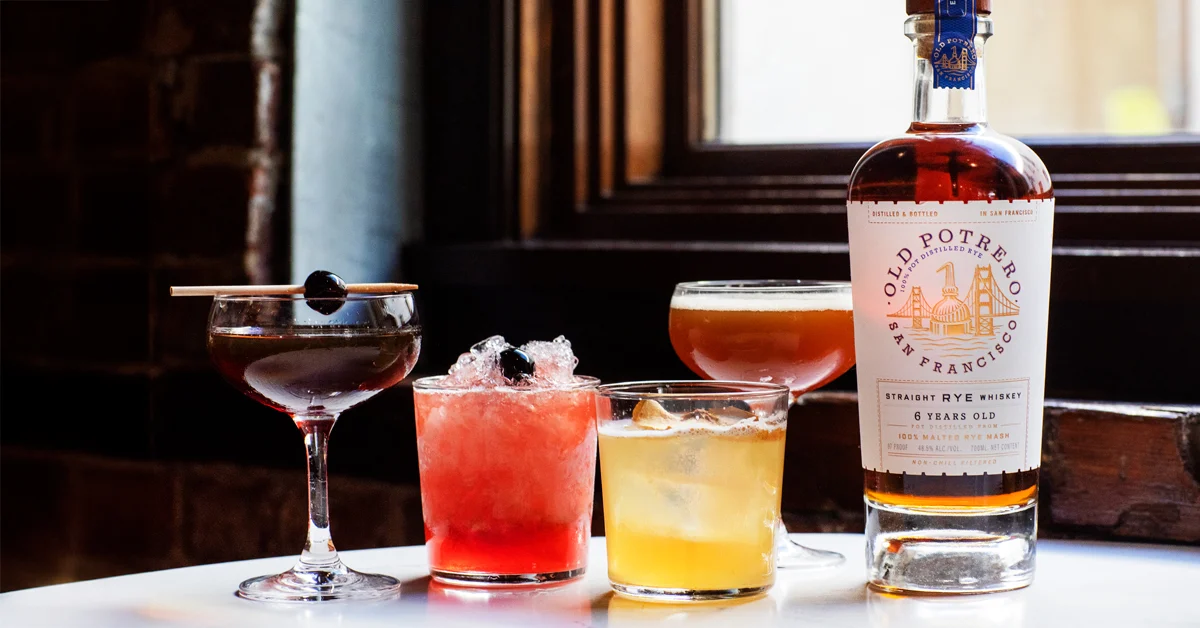
The American craft beer industry, once defined by exponential growth and a cult-like following of enthusiasts willing to wait hours for limited-release cans, is undergoing a fundamental structural transformation. For over a decade, the "hype cycle" of hazy IPAs and "freshies" fueled a localized gold rush, leading to the opening of thousands of taprooms across the United States. However, recent data suggests that this era of unbridled expansion has reached a saturation point, forcing established players to look beyond the fermenter and toward the copper still. According to the Brewers Association’s 2024 "Year in Beer" report, the industry saw 399 brewery closures in a single calendar year, while overall production volume dipped by 2%. As consumer preferences shift—driven by a younger generation gravitating toward non-alcoholic options, THC-infused beverages, and ready-to-drink (RTD) cocktails—longtime craft breweries are increasingly pivoting toward spirits production to maintain relevance and revenue.
This strategic shift is not merely a reaction to declining sales but a logical evolution of the brewing process itself. The foundational stage of whiskey production is the creation of a "wash" or "mash," which is essentially an unhopped beer. For veteran brewers, the transition to distilling represents the mastery of a familiar craft with a different finish. This movement is being led by some of the most recognizable names in the industry, including New England powerhouses Trillium Brewing Company and Tree House Brewing Company, who are leveraging their brand equity to capture a share of the burgeoning craft spirits market.
The Economic Necessity of Diversification
The current landscape of the beverage industry is markedly different from the one that birthed the craft beer revolution in the late 2000s and early 2010s. The COVID-19 pandemic acted as a catalyst for changing consumer habits, accelerating the decline of the traditional taproom model while increasing the demand for variety. While beer remains a staple of American culture, the Distilled Spirits Council of the United States (DISCUS) recently reported that spirits have officially overtaken beer in terms of total market share by revenue, a trend that has held steady for two consecutive years.
For a brewery like Trillium, which opened in Boston’s Fort Point neighborhood in 2013, the realization that they were already equipped for distillation came early. JC Tetreault, co-founder of Trillium, noted that within the first two years of operation, the technical overlap between brewing and distilling became apparent. The infrastructure required to mill grain, mash in, and ferment a base liquid is 90% of the journey toward becoming a whiskey distiller. However, the remaining 10%—the actual distillation and aging process—requires significant capital investment and a navigation of complex regulatory frameworks.
In Massachusetts, as in many other states, the legal requirements for breweries and distilleries are strictly bifurcated. Despite Trillium’s expansive footprint, which includes four locations and a farm, the company had to establish a completely separate distilling operation with its own licensing. This separation is not just a legal hurdle but a branding challenge; breweries must convince a loyal following that their expertise in hops and yeast translates effectively to bourbon, gin, and vodka.
A Technical Evolution: From Mash Tun to Still
The technical synergy between brewing and distilling is the primary driver for this industry-wide pivot. John Britton, who leads the distilling program at Tree House Brewing Company, emphasizes that "all good spirits start from a good mash." Tree House, founded in 2011 and widely considered one of the most influential breweries in the world, has built a massive campus in Charlton, Massachusetts, that now integrates a sophisticated distilling wing.
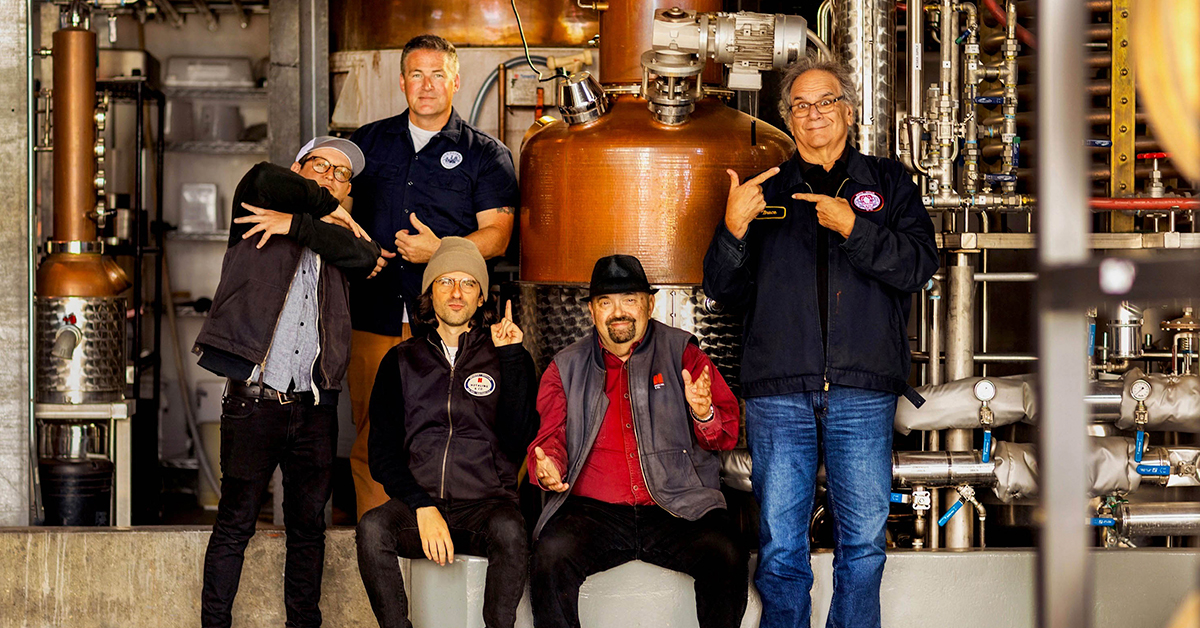
Unlike beer, which is often consumed within weeks of production to preserve hop aromatics, spirits offer a different economic profile. Whiskey, in particular, is an appreciating asset that can be aged for years, providing a hedge against the volatile, fast-moving trends of the beer market. Tree House’s approach focuses on "grain to glass" spirits, such as their Old Growth Bourbon and Rye, which utilize New England-grown grains. This mirrors the "local first" ethos that originally built the craft beer movement, applying it to a product with a much longer shelf life and higher price point.
However, the transition is not without its nuances. While a beer recipe and a whiskey mash share ingredients, they are not interchangeable. Whiskey mashes often utilize a higher percentage of unmalted grains and lack the hop additions that define modern craft beer. Furthermore, the distillation process requires a deep understanding of "cuts"—separating the heads and tails of a run to ensure the final product is both safe and flavorful.
The Historical Precedent: Pioneers of the Dual Model
While the current wave of brewery-distilleries feels like a modern trend, several iconic American brands set the pace decades ago. Anchor Brewing, often cited as the father of the American craft beer movement, began distilling operations in 1993. Under the guidance of Fritz Maytag, Anchor Distilling (now Hotaling & Co.) released Old Potrero, a single malt rye whiskey that predated the modern craft spirits boom by nearly twenty years.
Bruce Joseph, who spent 45 years at Anchor and served as the first master distiller, noted that the skills learned on the brew deck provided a solid foundation for whiskey production. For Anchor, the move into spirits was born of creative curiosity rather than economic desperation. Following in Anchor’s footsteps, Rogue Ales in Oregon began distilling in 2003, and Michigan’s New Holland Brewing followed in 2005.
One of the most notable success stories in this category is San Diego’s Ballast Point. In 2006, the brewery opened a distillery that would eventually become Cutwater Spirits. The brand’s focus on high-quality canned cocktails (RTDs) proved so successful that it was spun off and eventually acquired by Anheuser-Busch Inbev in 2019. This acquisition served as a proof of concept for the industry: a brewery’s distilling arm could potentially become more valuable than its core beer business.
Expanding the Portfolio: Beyond Whiskey
The modern brewery-distillery is not limiting itself to brown spirits. To appeal to a broader demographic, these companies are producing a wide array of clear spirits and liqueurs. Finback Brewing in New York has found significant success with its "Halftone" label, a gin-focused program that often incorporates the same hop varieties used in their IPAs, creating a sensory bridge for beer drinkers.
Tree House has expanded into even more niche territories, producing rum, fruit brandies, absinthe, and shochu—a rice-based distillate traditionally found in Japan. By utilizing their existing canning lines, these breweries are also entering the competitive RTD market. Canned cocktails like Tom Collins, Palomas, and Gin & Tonics allow breweries to offer a product that matches the price point and convenience of a four-pack of beer while appealing to consumers who prefer spirits.
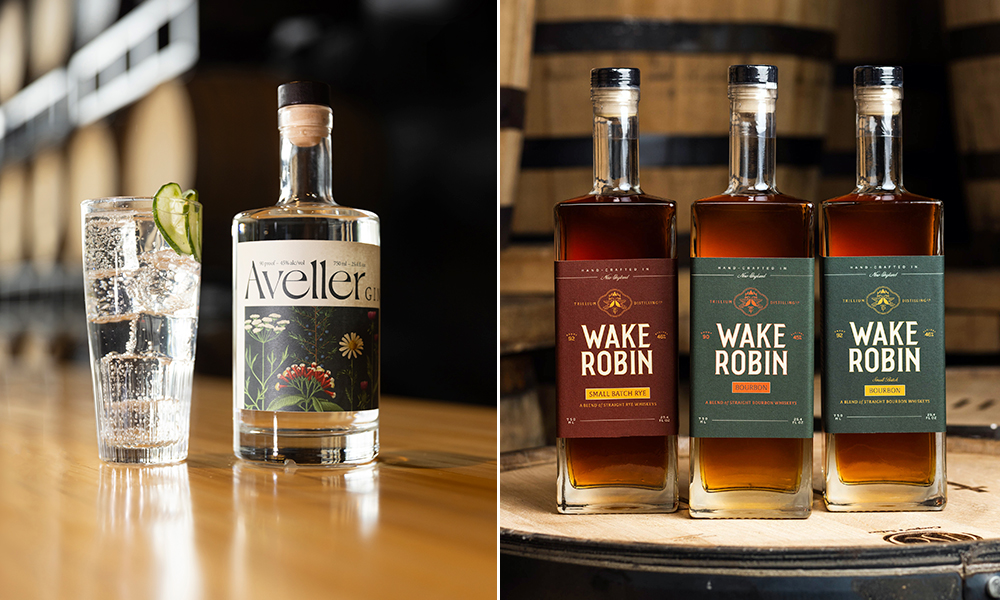
This diversification also serves a practical purpose in the taproom. In many jurisdictions, a "farmer-brewery" license only allows a business to serve what they produce on-site. By distilling their own spirits, breweries like Trillium can offer a full cocktail menu, transforming their taprooms into comprehensive hospitality destinations. Trillium’s "Headroom Hi-Fi Cocktail Lounge" in Boston is a prime example of this evolution, attracting a "post-dinner" crowd and a younger demographic that may have little interest in the traditional brewery experience.
Market Implications and the Future of the Industry
The shift toward distilling represents a maturation of the craft beverage industry. The 2% decline in beer production in 2024 is not necessarily a sign of a dying industry, but rather a stabilizing one. The market has moved from a phase of "irrational exuberance" to one of strategic consolidation.
Analysts suggest that the "brewery-distillery" model will become the standard for successful mid-to-large-scale craft operations. By diversifying their offerings, these companies can mitigate the risks associated with changing consumer tastes. The rise of Gen Z as a consumer block has introduced a preference for "functional" beverages and spirits over traditional malt-based drinks. A brewery that can offer a high-end IPA, a non-alcoholic hop water, and a craft gin cocktail under the same roof is better positioned to survive the current market volatility.
Furthermore, the "brand ecosystem" created by these dual-purpose facilities allows for greater customer retention. As the original "beer geeks" of the 2010s age, their drinking habits often evolve. A consumer who stood in line for a Trillium IPA in 2014 may now prefer a sophisticated amaro or a well-crafted bourbon in 2024. By expanding into spirits, breweries are ensuring they can grow alongside their core audience.
Conclusion
The evolution of Trillium, Tree House, and their contemporaries suggests that the definition of a "craft brewery" is expanding. The 399 closures in 2024 serve as a stark reminder that the "build it and they will come" era of craft beer has ended. Success in the next decade will likely belong to those who view themselves as beverage companies rather than just beer makers.
As JC Tetreault of Trillium observed, the expansion into spirits has the unexpected benefit of introducing the brand to entirely new audiences. When a customer walks into a sophisticated cocktail lounge and discovers it is owned by a brewery they had never heard of, the brand has successfully "jumped the aisle." This cross-pollination of beer and spirits culture is not just a survival tactic; it is the blueprint for the next generation of the American craft beverage industry. Through technical innovation, regulatory navigation, and a keen eye on consumer trends, the pioneers of the hazy IPA are now setting their sights on the spirit of the future.