admin
admin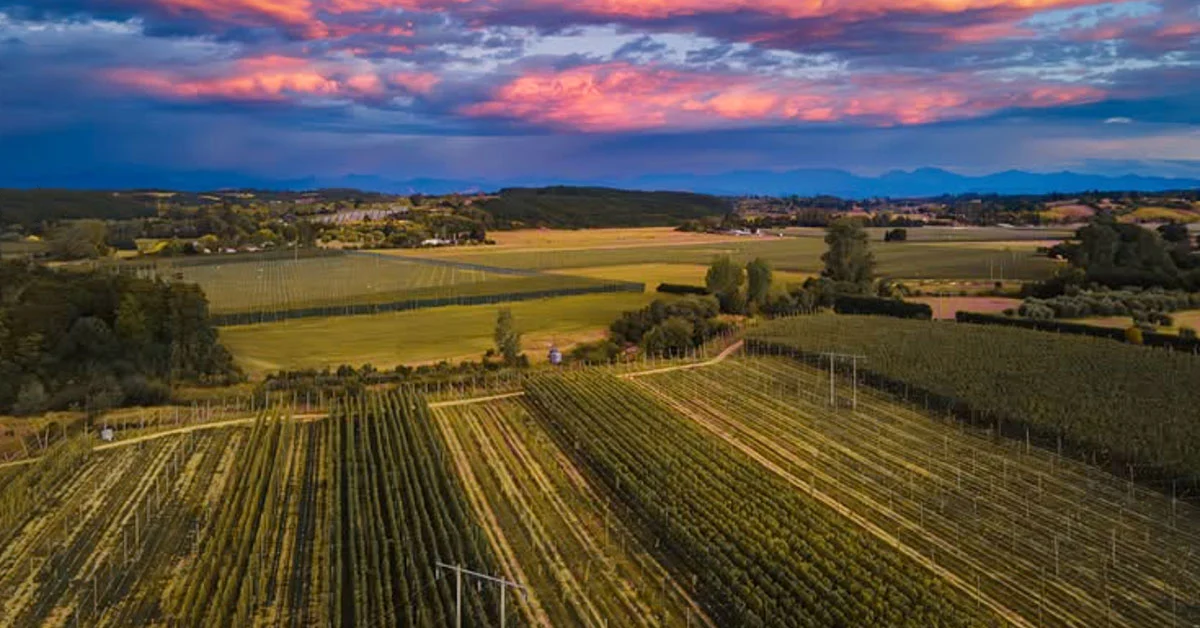
The concept of terroir, a term long considered the exclusive domain of the French wine industry and its rigorous appellation d’origine contrôlée system, is undergoing a significant migration into the lexicon of global craft brewing. Traditionally defined as the "taste of place," terroir encompasses the environmental factors—soil composition, climate, topography, and farming traditions—that impart a unique character to an agricultural product. While beer has historically been viewed through the lens of industrial processing and recipe formulation, a growing movement among brewers and growers is refocusing the narrative on the agricultural singularity of its ingredients. At the heart of this shift is the hop, the Humulus lupulus flower, which acts as the primary vehicle for regional expression in modern ales and lagers.
While the Yakima Valley in Washington State and the Hallertau region in Germany have long served as the dual pillars of hop production, New Zealand has emerged as a disproportionately influential force in the industry. Despite producing less than one percent of the world’s total hop supply, the island nation’s cultivars have redefined the aromatic profile of the India Pale Ale (IPA) and established a new benchmark for quality and sustainability. The rise of New Zealand hops represents more than a trend in flavor; it signifies a maturing of the craft beer supply chain, where lot specificity, harvest windows, and low-intervention farming are becoming as critical to a beer’s success as the brewing process itself.
The Geographical and Historical Context of New Zealand Hop Production
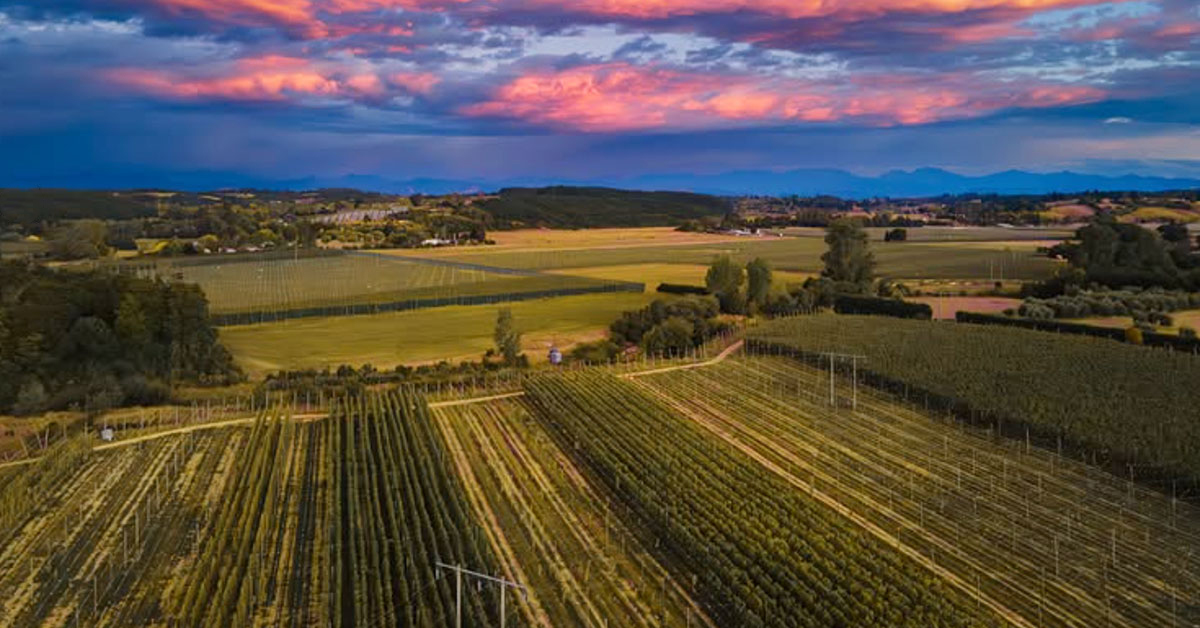
New Zealand’s hop industry is centered primarily in the Tasman District at the north end of the South Island. This region, specifically the Moutere Valley and the area surrounding the town of Nelson, possesses a unique microclimate characterized by high sunshine hours, temperate maritime air, and protection from extreme weather by surrounding mountain ranges. The history of the New Zealand hop program is inextricably linked to the work of the New Zealand Institute for Plant and Food Research. Established decades ago, the program sought to develop varieties that were resistant to local conditions while offering distinct aromatic properties that could compete on a global stage.
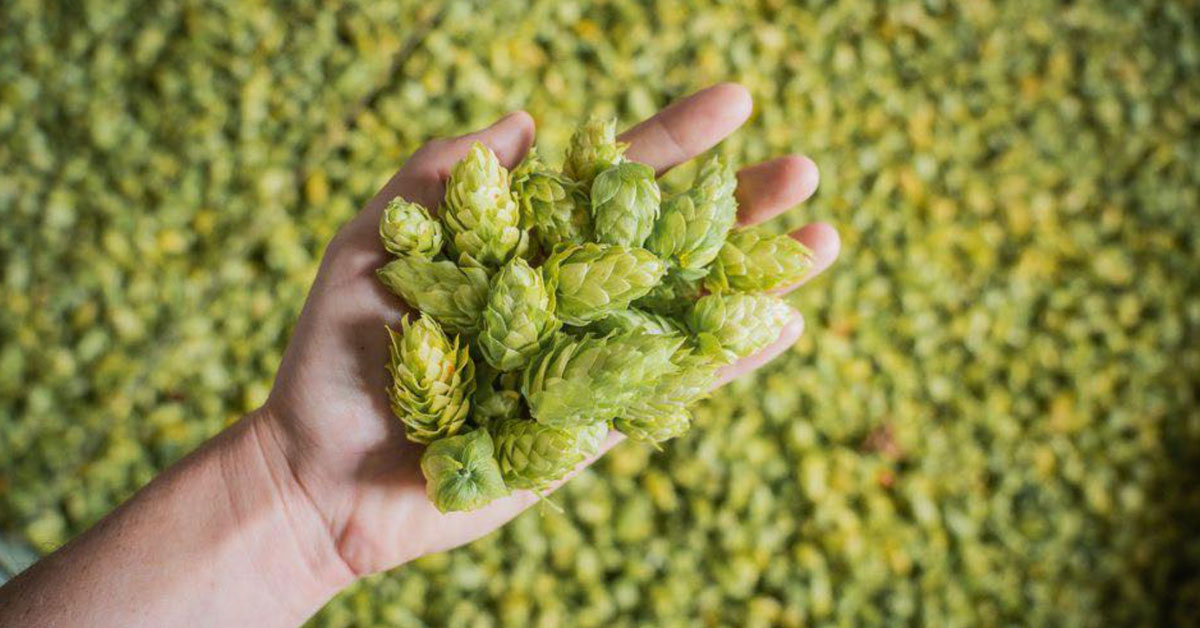
The breakthrough occurred in 2000 with the release of Nelson Sauvin. This cultivar, derived from a Smoothcone parent, exhibited a chemical profile unlike anything previously seen in the northern hemisphere. It contained high levels of specific thiols—organic sulfur compounds—that mimicked the aromatic profile of Sauvignon Blanc grapes, specifically notes of gooseberry, passionfruit, and crushed green grapes. The success of Nelson Sauvin provided the blueprint for a series of subsequent releases, including Motueka, Riwaka, and more recently, Nectaron and Peacharine. These varieties have moved the industry away from the pine-and-citrus dominance of the 1990s toward a profile defined by "cool-climate wine" characteristics and tropical intensity.
The Science of Specificity: Harvest Windows and Lot Segregation
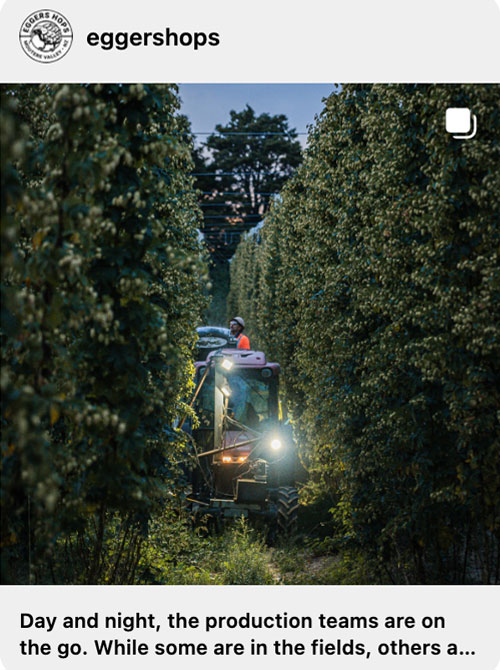
The contemporary understanding of hop terroir has been further refined by a move toward lot specificity. In the traditional hop market, crops from various fields and harvest dates were often blended to create a homogenous product that ensured consistency for large-scale brewers. However, boutique growers like Eggers Hops, a sixth-generation family operation in the upper Moutere Valley, are challenging this model. By segregating hops based on the specific block of land they were grown on and the exact date they were harvested, growers are providing brewers with a spectrum of flavors from a single variety.
Kem Eggers, managing director of Eggers Hops, emphasizes that the harvest window is a critical variable in flavor development. An "early selection" of a hop like Riwaka may lean toward bright, zesty pink grapefruit and clean floral notes, whereas a "late selection" harvested just days later can transition into deep, dank, and overripe tropical fruit aromas. This level of granularity allows brewers to "dial in" specific recipes. For instance, Adam Rosenthal, owner of New York’s Wayward Lane Brewing, notes that late-harvest Riwaka pellets can appear yellow due to their extreme ripeness, offering an aromatic intensity that was previously unattainable through standard commercial channels.
This shift toward precision agriculture mimics the "vintage" concept in winemaking. Brewers are no longer simply buying "New Zealand Riwaka"; they are seeking specific lots from specific farms, recognizing that the environmental stressors of a particular growing season—such as rainfall patterns or soil temperature—will manifest in the final pour.
Sustainability and Biological Isolation as a Competitive Advantage
One of the most significant factors contributing to the quality of New Zealand hops is the nation’s geographic isolation. Being an island nation with strict biosecurity protocols, New Zealand has avoided many of the devastating pests and diseases that plague northern hemisphere hop yards, such as downy mildew and powdery mildew. This lack of disease pressure has allowed the country to become a world leader in organic hop production and low-intervention farming.
The methodology employed on these farms is often a blend of traditional husbandry and modern ecological science. In many New Zealand hop yards, sheep are utilized for defoliation. Flocks graze between the bines, naturally removing the lower leaves which helps prevent the upward climb of any potential soil-borne pathogens while simultaneously providing natural fertilization. This reduces the need for chemical herbicides and mechanical mowers, preserving soil structure and promoting biodiversity.
Furthermore, the industry has moved toward more sustainable processing techniques. Low-emission hot water radiators are increasingly used in the kilning process, where hops are dried to a specific moisture content before being pelletized. This method is gentler on the delicate lupulin glands of the hop cone, preserving volatile oils that might otherwise be lost to high-heat or direct-fire kilning. The result is a more stable and aromatically potent product that arrives at the brewery with its "terroir" intact.
Technological Integration: From Pellets to Concentrated Extracts
The evolution of New Zealand hops has coincided with a period of rapid technological advancement in hop processing. While T-90 pellets (compressed whole hops) remain the industry standard, brewers are increasingly turning to advanced hop products to achieve higher levels of flavor saturation without the astringency associated with excessive plant material.
Products such as SubZero Hop Kief, developed by Freestyle Hops in New Zealand, and various cryogenic isolates have revolutionized the brewing of Hazy IPAs and Double IPAs. These products are created by freezing the hop cones and mechanically separating the lupulin—the yellow, resinous dust containing alpha acids and essential oils—from the leafy "bract" of the flower.
Jude La Rose, owner of Chicago’s Hop Butcher for the World, explains that these concentrated products have "raised the bar" for what is possible in beer. By using these extracts in conjunction with traditional pellets, brewers can push the limits of tropical and citrus aromas while minimizing "kettle loss"—the beer soaked up and lost to hop solids during the brewing process. The availability of lot-specific extracts means that even in a highly processed form, the unique signature of a specific New Zealand farm can be preserved and transmitted to the consumer.
Market Impact and Future Outlook for the Industry
The economic implications of the New Zealand hop boom are significant. For U.S. craft brewers, New Zealand hops represent a premium ingredient that commands a higher price point but also offers a distinct marketing advantage. The mention of "Nelson Sauvin" or "Nectaron" on a beer label has become a signal of quality to discerning consumers, similar to the naming of a specific vineyard on a wine bottle.
However, the industry faces challenges. The high cost of shipping and the logistical complexities of moving a perishable agricultural product across the globe remain hurdles. Additionally, as the demand for New Zealand varieties grows, there is a risk of over-expansion. Growers must balance the desire for increased acreage with the need to maintain the artisanal quality and soil health that defined their success in the first place.
According to industry analysts, the next phase of growth for New Zealand hops will involve deeper education of both brewers and consumers. While the "Big Three" (Nelson, Motueka, Riwaka) are well-established, there is a vast catalog of experimental cultivars and lesser-known varieties like Pacific Sunrise and Alana that have yet to reach their full market potential.
Conclusion: The Convergence of Agriculture and Artistry
The story of New Zealand hops is a testament to the power of agricultural specificity in a globalized economy. By leaning into their unique terroir and committing to sustainable, high-precision farming, New Zealand growers have transformed the hop from a mere bittering agent into a sophisticated aromatic component capable of conveying a sense of place.
As craft beer continues to evolve, the distinction between the farmer and the brewer is blurring. The modern brewer is increasingly acting as a curator of agricultural excellence, seeking out specific lots and harvest dates to create beverages that are as much a product of the soil as they are of the brewhouse. In this new landscape, terroir is no longer a foreign concept to the beer world; it is the foundation upon which the future of the industry is being built. Through the collaborative efforts of growers like Kem Eggers and innovative brewers across the globe, the "taste of place" is being poured into glasses one pint at a time, proving that the distance between a hop yard in the Moutere Valley and a taproom in Chicago or New York is bridged by the enduring character of the land itself.