admin
admin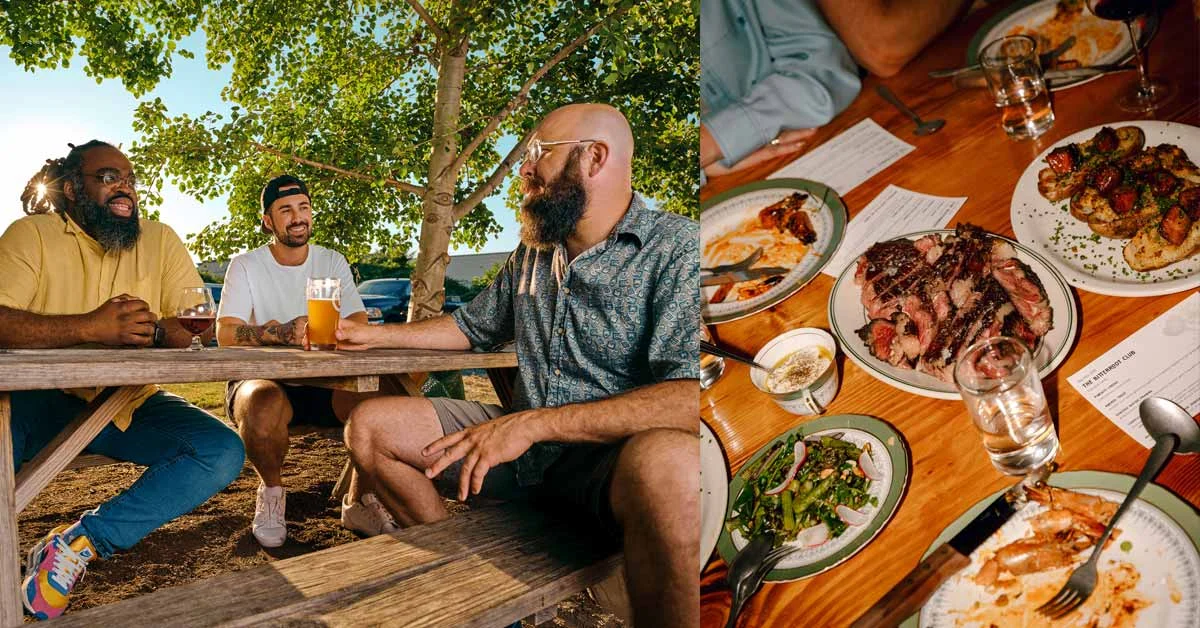
The landscape of the American craft beer industry is currently undergoing a period of profound transformation, characterized by shifting consumer preferences and tightening economic margins. Nowhere is this evolution more visible than in Portland, Oregon—a city so synonymous with brewing excellence that it has long carried the moniker "Beervana." As the industry faces a national downturn in volume and the closure of several legacy establishments, Portland’s brewing community is responding not by retreating, but by doubling down on quality, innovation, and an increasingly sophisticated integration of the culinary arts.
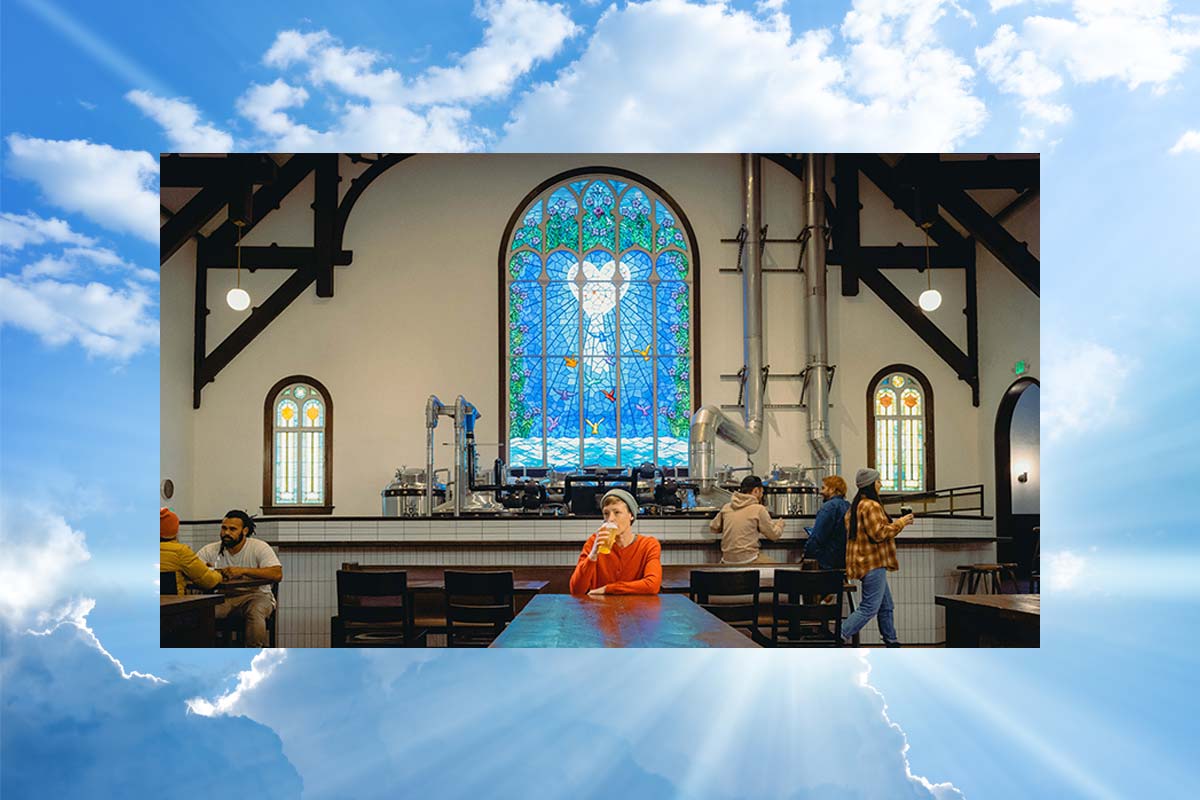
At the center of this modern movement is Grand Fir Brewing, located in the historic Buckman neighborhood of Southeast Portland. Opened in November 2022, the establishment serves as a case study for the "elevated" brewpub model. While many traditional breweries have relied on high-volume distribution or standard pub fare, Grand Fir has distinguished itself through a synergistic partnership between co-owners Whitney and Doug Adams. Whitney Adams, a veteran brewmaster with a pedigree including Upright Brewing, Elysian, and 10 Barrel Brewing Company, manages the technical brewing operations. Her husband, Doug Adams, a former Top Chef finalist and James Beard Award semifinalist, oversees a kitchen that challenges the traditional boundaries of brewery food.
The Rise of the Culinary Brewpub: The Bitterroot Club
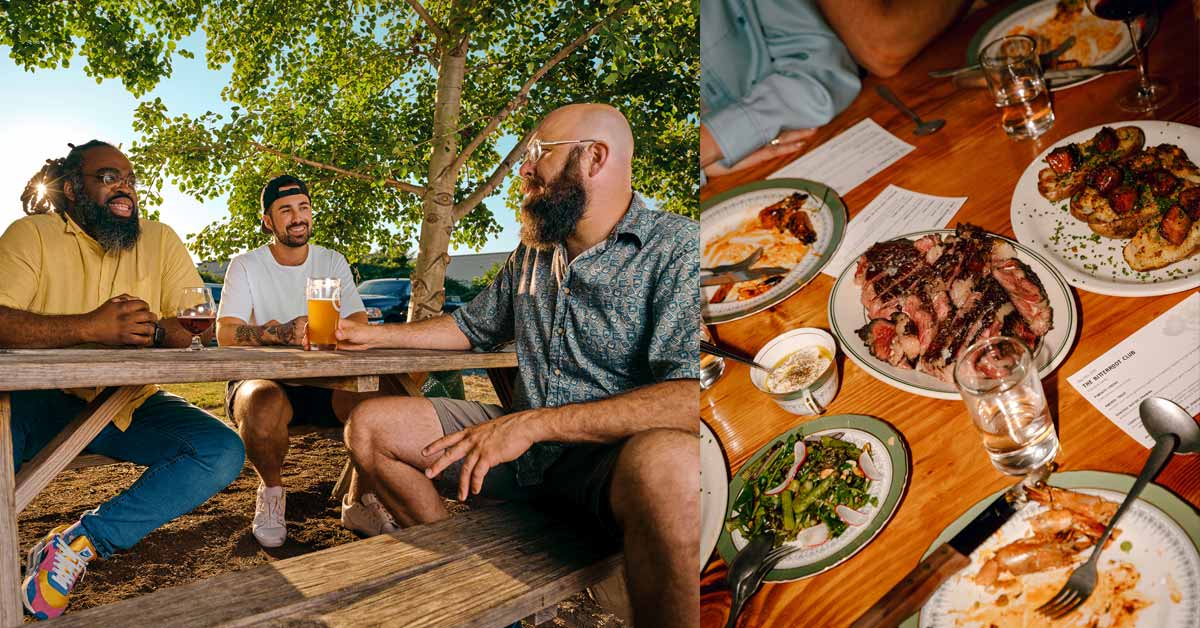
The most distinct manifestation of this "elevated" strategy is The Bitterroot Club, a weekly supper club hosted within a secluded, windowless room at the rear of the Grand Fir facility. Designed to resemble a rustic hunting lodge—complete with taxidermy and candlelight—the club offers a $135-per-person prix fixe menu that pairs seasonal, locally sourced ingredients with specific beer releases.
The menu exemplifies the intentionality required to thrive in a crowded market. Recent pairings have included a Columbia king salmon served with lemon, fig, and basil, designed to complement the bready notes of the Tamarack Festbier, a golden German lager. Other courses have featured charcoal-grilled pork chops with Nardello peppers and hazelnuts, paired with the citrus-forward Bandit Run Mosaic American IPA, and lemon buttermilk pie served alongside a light-bodied Fresh Hop Strata.
According to Whitney Adams, this high-end culinary integration is a necessity rather than a luxury. "I felt that if I were to just open up a brewery, I honestly don’t think it would make it," she noted, highlighting the shift in consumer expectations. "You need a certain angle these days to be successful." This sentiment reflects a broader national trend where breweries are transforming into multi-use spaces, incorporating dog parks, pickleball courts, or high-concept dining to maintain foot traffic in a "slippery marketplace."
A Chronology of Beervana: From Isolation to Innovation
To understand the current state of Portland’s beer scene, one must look at its unique historical trajectory. The city’s dominance in the craft sector is partially attributed to its geographic and economic isolation during the late 20th century. Van Havig, master brewer and co-founder of Gigantic Brewing, notes that because major national brands like Miller and Budweiser historically maintained a minor presence in the Pacific Northwest, local distributors and brewpubs were able to secure an early and firm foothold.
The timeline of Portland’s beer identity is marked by several key milestones:
- 1980s: The dawn of the brewpub culture, with early pioneers establishing the foundation for independent production.
- 1988: The inaugural Oregon Brewers Festival, which became one of the longest-running craft beer festivals in the country.
- 1994: The term "Beervana" is coined by the local alternative weekly Willamette Week, cementing the city’s reputation.
- 1996: BridgePort Brewing Co. introduces its India Pale Ale, a "hop bomb" that utilized five local hop varieties and set the template for the Northwest-style IPA.
- 2000s: Portland emerges as arguably the most developed craft market in the United States, with high-quality beer becoming the standard in even the most modest dive bars.
- 2010s: The "growler phenomenon" takes hold, with gas stations and grocery stores installing draft towers, providing a massive expansion in "draft real estate" for small-scale brewers.
This history has fostered a consumer base that is exceptionally discerning. In Portland, the term "craft beer" is rarely used by locals; instead, high-quality, independent beer is simply referred to as "beer."
The Economic Engine: Hops and Hospitality
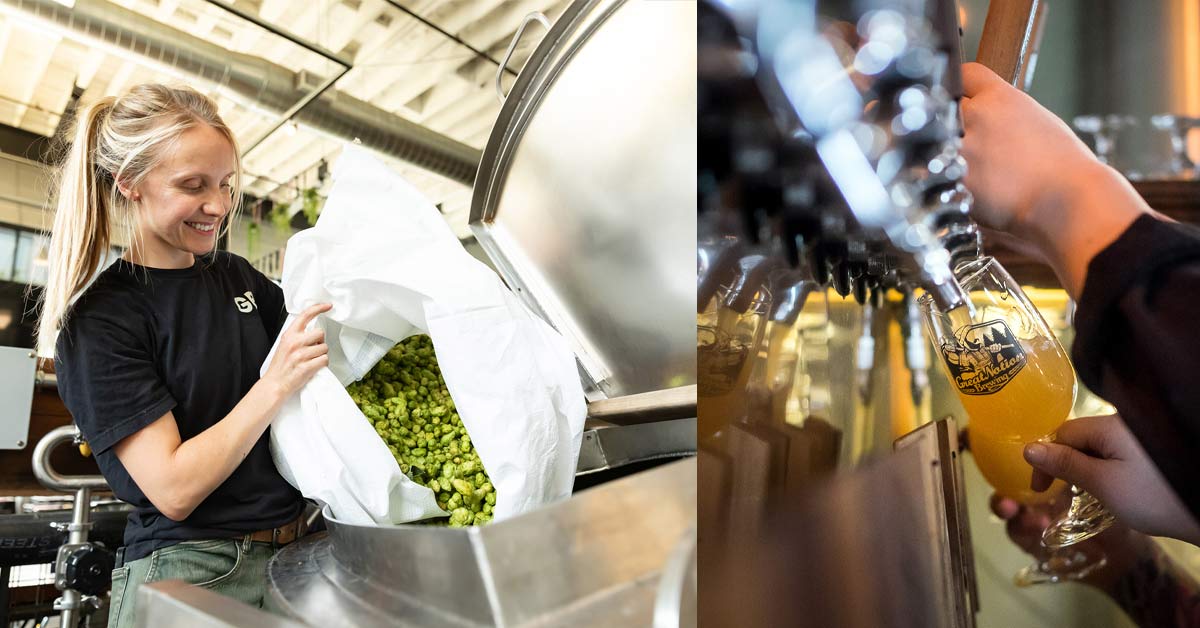
The resilience of Portland’s beer scene is intrinsically tied to the agricultural output of the region. The Willamette Valley, located just south of Portland, is one of the world’s premier hop-growing regions. This proximity to the source allows brewers to experiment with fresh-hop beers and proprietary varieties that are often unavailable to brewers in other parts of the country.
According to data from the Brewers Association, Oregon consistently ranks among the top states for breweries per capita. As of 2023, the state’s craft brewing industry contributes billions of dollars to the local economy, supporting thousands of jobs in agriculture, manufacturing, and hospitality. However, the industry is not immune to broader economic pressures. Skyrocketing real estate prices and the post-pandemic shift in office-work culture have forced breweries to adapt their business models.
Ben Edmunds, brewmaster at Breakside Brewing, emphasizes that the relationship between the brewer and the drinker in Oregon is unique. "There are consumer expectations. People feel like they can find good beer everywhere here," Edmunds stated. This has led to a market where "good" is no longer enough; breweries must achieve world-class status or offer a unique experiential hook to survive.
Diversification of Styles and the "Brewing Family Tree"
One of the most significant developments in recent years is the diversification of beer styles beyond the traditional IPA. While the Northwest-style IPA remains a staple, Portland has seen a surge in specialized offerings:
- Lager-Centric Production: Establishments like Wayfinder have popularized "Cold IPAs," which utilize lager yeast to create a crisp, clean finish.
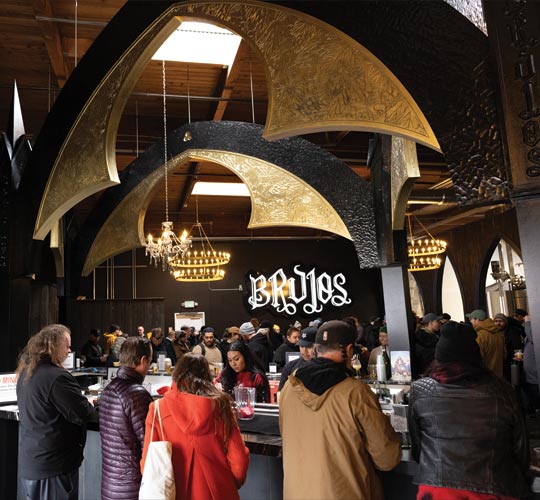
- Experimental and Pastry Sours: Great Notion has gained national acclaim for its culinary-inspired sours and stouts, while Brujos Brewing caters to a niche audience with "heavy metal" aesthetics and hazy IPAs.
- Non-Alcoholic (NA) Innovation: Legacy breweries like Deschutes have invested heavily in high-quality NA versions of their core brands, such as Black Butte Porter, acknowledging the growing "sober-curious" demographic.
Furthermore, the "brewing family tree" in Portland has become more complex. For decades, many head brewers remained at established firms. Recently, however, a new generation of brewers—such as those at Living Häus Beer Company and Ruse Brewing—have branched off to start their own ventures. This influx of experienced talent ensures that the quality of production remains high even as the number of establishments grows.
Broader Impact and the Future of the Market
The challenges facing Portland—rising costs and a saturated market—are reflective of the national landscape. However, the city’s deep-rooted beer culture provides a level of stability not found elsewhere. The "Beervana" ethos has integrated craft beer into the very fabric of the city’s identity, making it a "mature" market where independent beer is the default choice for the average consumer.
The broader implication of Portland’s current shift toward "elevated" experiences and hyper-specialization is that the era of the "generalist" brewery may be coming to an end. To thrive, future establishments will likely need to follow the lead of Grand Fir and others by offering a specialized culinary program, a unique atmospheric hook, or a highly technical niche in brewing science.
As Van Havig of Gigantic Brewing summarizes, Portland is "where craft beer won." The battle for market share is no longer against "Big Beer" conglomerates, but rather a pursuit of excellence within an internal ecosystem of highly educated consumers. While the economic climate remains challenging, the continued innovation in the Willamette Valley and the streets of Portland suggests that Beervana is not just a relic of the 90s, but a living, breathing laboratory for the future of the American pint.
Industry Data and Economic Context
The significance of the Oregon beer industry is further underscored by the following statistics:
- Agricultural Impact: Oregon is the second-largest hop-producing state in the U.S., trailing only Washington. The 2023 harvest saw significant acreage dedicated to high-alpha and aroma varieties essential for the IPAs Portland is famous for.
- Economic Contribution: Craft brewing in Oregon generates an estimated $2.8 billion in total economic impact annually.
- Employment: The industry supports over 50,000 jobs across the state, ranging from farm labor to high-end hospitality management.
As Portland navigates the mid-2020s, the focus remains on resilience. While real estate and operational costs continue to climb, the synergy between the city’s culinary experts and its technical brewers provides a roadmap for other craft beer hubs across the nation. The "Beervana" of tomorrow appears to be one where the beer is not just a beverage, but a central component of a sophisticated, multi-sensory cultural experience.