admin
admin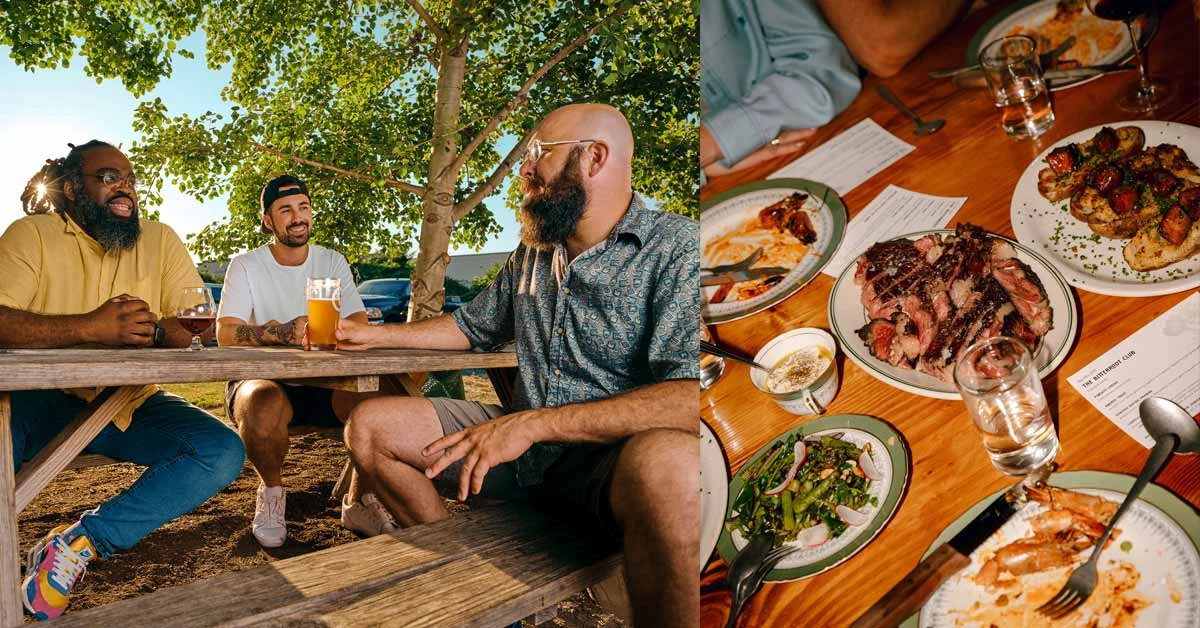
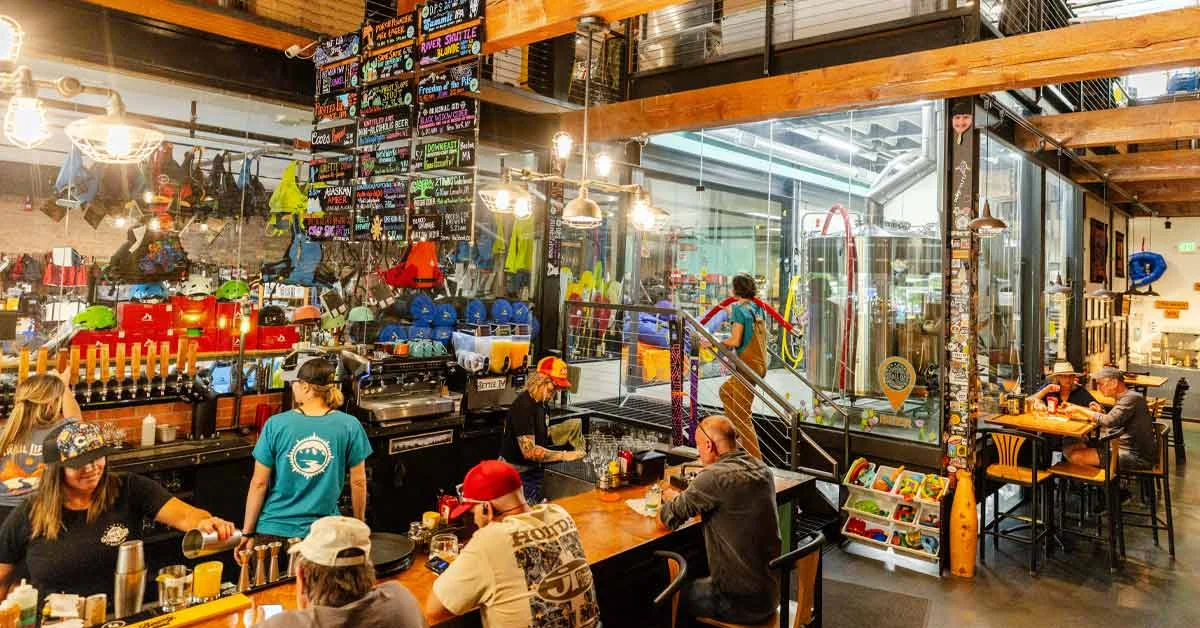
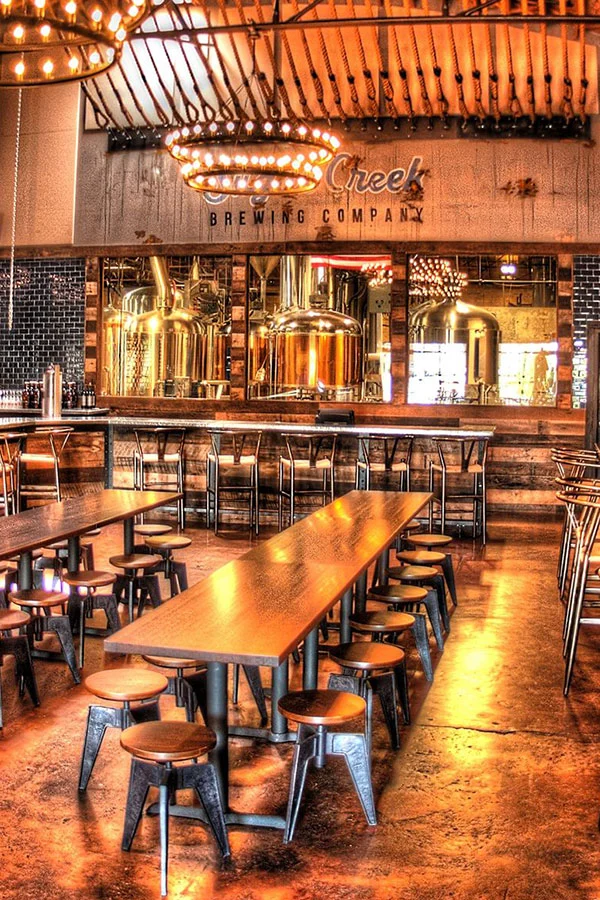
The craft brewing industry in Portland, Oregon, is currently undergoing a significant transformation as established brewmasters and culinary experts collaborate to redefine the traditional taproom experience. At the forefront of this evolution is Grand Fir Brewing, located in the historic Buckman neighborhood of Southeast Portland. Founded in November 2022 by the husband-and-wife team of Doug Adams and Whitney Burnside Adams, the establishment serves as a case study for the "elevated" brewpub model—a strategy increasingly necessary to maintain market share in a city famously dubbed "Beervana."
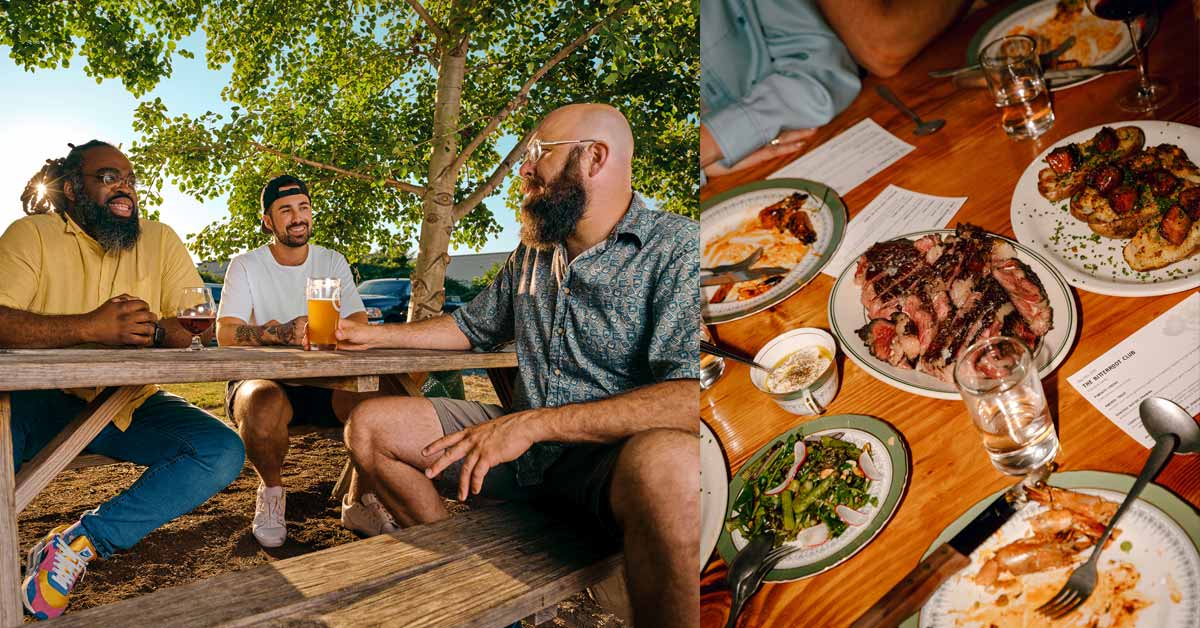
The centerpiece of Grand Fir’s innovation is The Bitterroot Club, a weekly, high-end supper club that operates in a secluded, windowless space at the rear of the industrial building. The club offers a $135-per-person prix fixe menu that pairs seasonal, locally sourced ingredients with specific beers crafted on-site. This model leverages the professional backgrounds of both founders: Doug Adams is a former Top Chef finalist and James Beard Award semifinalist, while Whitney Adams is a veteran brewmaster with a pedigree including stints at Upright Brewing, Elysian, and 10 Barrel Brewing Company.
The Intersection of Culinary Arts and Craft Brewing
The Bitterroot Club represents a departure from the standard "pub grub" model that defined the early decades of the American craft beer movement. The menu highlights the technical synergy between flavor profiles in food and beer. For example, a recent service featured the Tamarack Fest, a bready German-style festbier, paired with Columbia king salmon garnished with lemon, fig, and basil. The malty sweetness of the lager is designed to balance the rich, savory fats of the fish.
Subsequent courses include charcoal-grilled pork chops served with Nardello peppers and hazelnuts, paired with the Bandit Run Mosaic American IPA. The crisp, clean finish of the IPA is utilized to cut through the salty smokiness of the meat. Dessert offerings, such as a lemon buttermilk pie, are complemented by light-bodied, citrusy options like the Fresh Hop Strata.
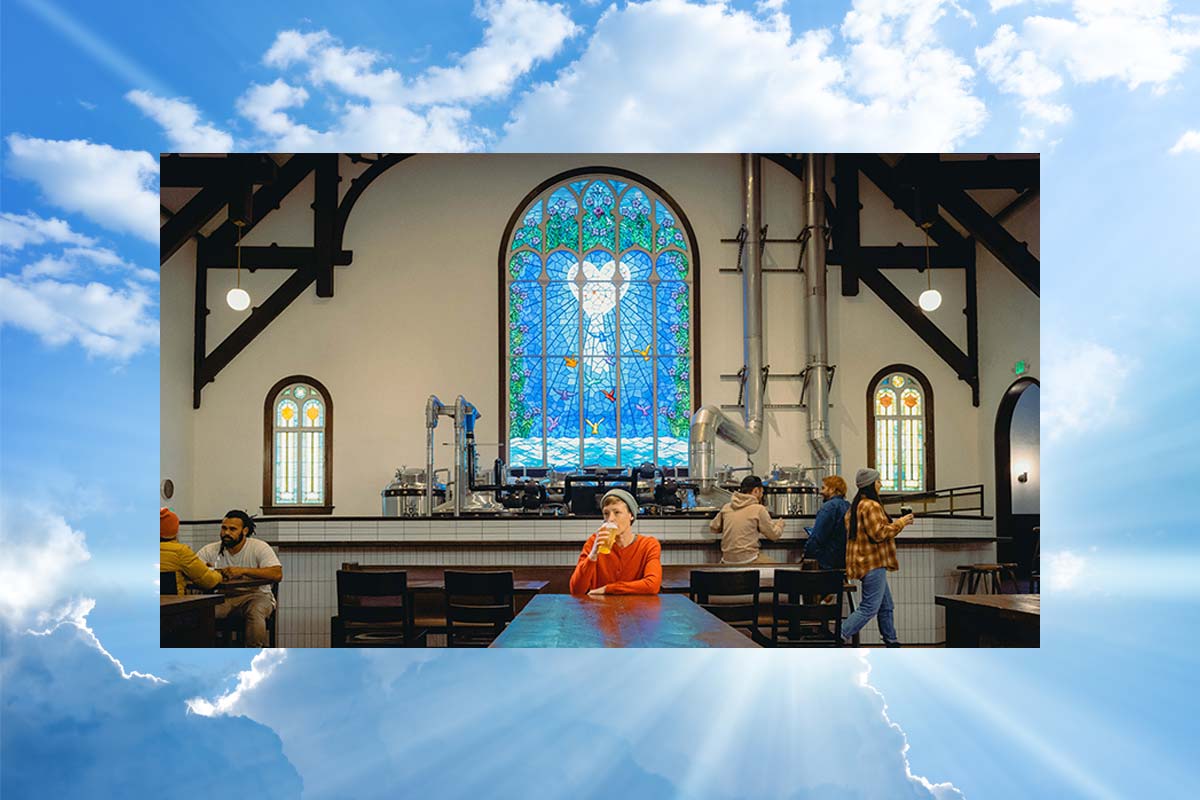
According to Whitney Adams, this high-concept approach is a response to a more competitive and discerning marketplace. "The word ‘elevated’ has been overused, but it does suit us," she noted. "I felt that if I were to just open up a brewery, I honestly don’t think it would make it. You need a certain angle these days to be successful."
A Historical Chronology of Beervana
To understand the current state of Portland’s beer scene, it is necessary to examine the unique geographical and economic factors that allowed it to flourish. Unlike many American cities where "Big Beer" conglomerates like Anheuser-Busch or MillerCoors dominated the 20th-century landscape, Portland remained relatively isolated.
Van Havig, master brewer and co-founder of Gigantic Brewing, points out that this geographic isolation meant national brands had a minor presence during the formative years of the microbrewing revolution. Consequently, local distributors and brewpubs were able to capture and hold the market early on.
The timeline of Portland’s rise is marked by several key milestones:
- The 1980s: The emergence of the first wave of brewpubs, including Widmer Brothers and BridgePort Brewing.
- 1994: The term "Beervana" was first coined by the local alternative weekly Willamette Week, signaling the city’s arrival as a global hub for brewing.
- 1996: BridgePort Brewing introduced its iconic India Pale Ale, utilizing five local hop varietals to create the "Northwest-style IPA," a template characterized by aggressive citrus and pine notes.
- The 2000s: Portland solidified its status as the most developed craft market in the United States. During this era, a "Big Six" of local beers dominated taps: Widmer Brothers’ Hefe, Deschutes’ Mirror Pond Pale Ale and Black Butte Porter, Portland Brewing’s MacTarnahan’s Amber Ale, Full Sail Brewing’s Amber Ale, and BridgePort’s IPA.
- 2010–2020: A decade of hyper-experimentation began, with breweries like Breakside, Gigantic, and Great Notion introducing barrel-aging programs, kettle sours, and "hazy" IPAs.
Economic Data and Market Discernment
While the national craft beer market has seen a slowdown in growth—with the Brewers Association reporting a 1% decline in production for craft brewers in 2023—Portland’s challenges are unique. The issue in the Pacific Northwest is not necessarily a lack of drinkers, but a saturation of highly educated consumers.
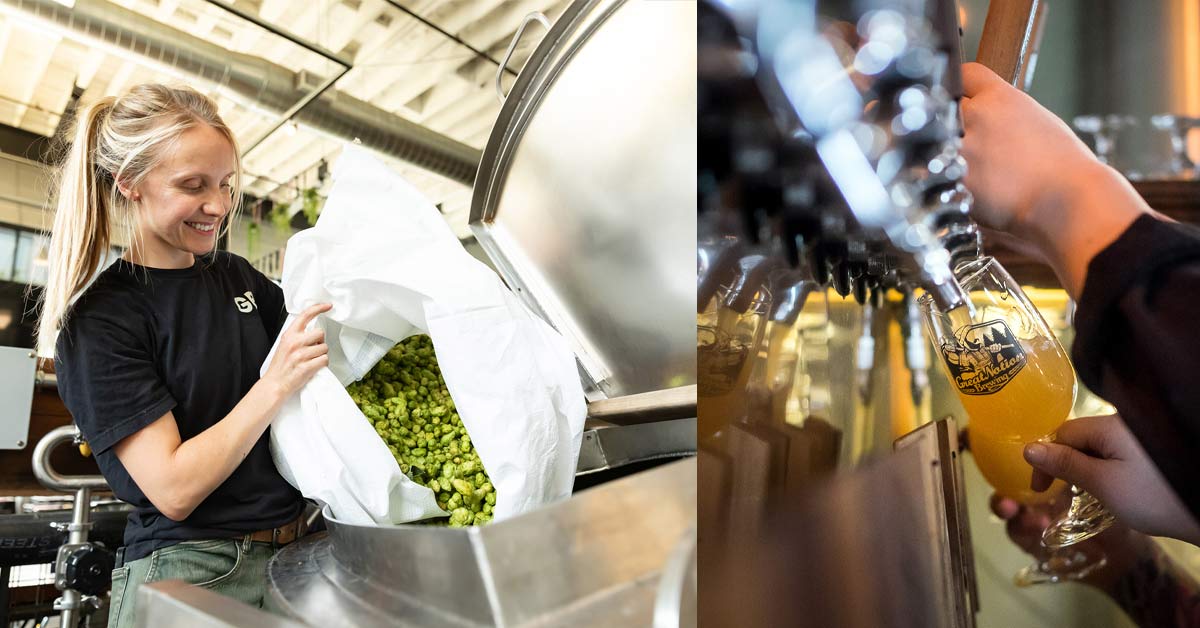
Oregon ranks consistently in the top five states for breweries per capita. The state is also home to the Willamette Valley, one of the world’s premier hop-growing regions. This proximity to raw materials has fostered a consumer base that views craft beer not as a luxury or a niche product, but as the standard.
"There’s a special relationship between brewers and drinkers in Oregon," says Ben Edmunds, brewmaster at Breakside Brewing. "There are consumer expectations. People feel like they can find good beer everywhere here."
Data suggests that Portlanders’ palates have moved beyond the "hop bombs" of the early 2000s. There is a growing demand for diverse styles, including:
- Lagers and Cold IPAs: Wayfinder Beer has popularized the Cold IPA, brewed with lager yeast for a crisper finish.
- Pastry Sours: Great Notion has built a national reputation on fruit-forward, dessert-inspired ales.
- Non-Alcoholic (NA) Options: Industry stalwart Deschutes has invested heavily in high-quality NA versions of its flagship beers, reflecting a broader national trend toward health-conscious consumption.
Industry Resilience Amidst Shifting Realities
Despite its reputation, Portland is not immune to the economic pressures facing the broader hospitality sector. Rising real estate prices, labor shortages, and post-pandemic shifts in consumer behavior have forced several long-standing establishments to close. However, the city’s brewing "family tree" continues to sprout new branches.
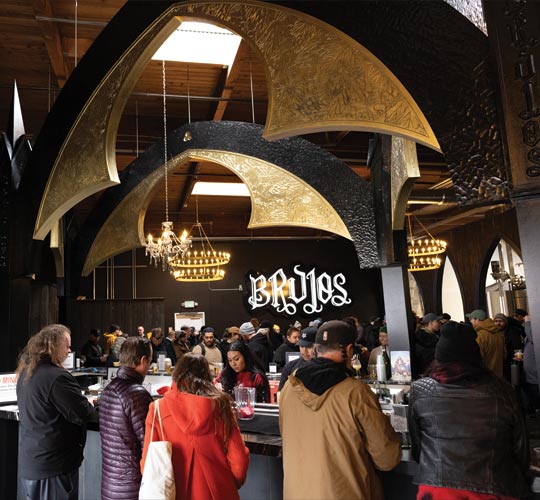
Many of the most successful new ventures are being opened by veterans of the city’s established breweries. This "influx of new blood," as Edmunds describes it, ensures that quality remains high even as the market evolves. Establishments like Brujos Brewing (focused on "heavy metal" aesthetics and hazy IPAs), Living Häus Beer Company (an experimental hipster hub), and Ruse Brewing are all led by experienced industry professionals.
The resilience of the market is also attributed to the "growler phenomenon" and the integration of craft beer into every level of retail. In Portland, it is common to find sophisticated draft systems in gas stations and grocery stores, a level of market penetration that few other American cities have achieved.
Broader Implications for the Global Craft Sector
The evolution of the Portland model offers a blueprint for other mature craft beer markets. As the novelty of "microbrews" wears off, breweries are finding that quality liquid is no longer the only requirement for success; they must also provide a unique "on-premises" experience.
Whether through high-end culinary pairings like Grand Fir’s Bitterroot Club, or through the meticulous preservation of traditional styles, the goal is to provide a "third space" that cannot be replicated by at-home consumption or large-scale commercial lagers.
The philosophy of the Portland brewer is perhaps best summarized by Van Havig: "No one uses the term ‘craft beer’ or ‘microbrew’ in Portland. Here, it’s just beer." This normalization of high-quality, independent brewing suggests that while the market may fluctuate, the cultural shift toward local, artisanal products is permanent.
Conclusion: The Future of the "Beervana" Identity
As Portland moves further into the 2020s, the focus has shifted from expansion to sustainability and refinement. The success of Grand Fir Brewing and its peers suggests that the future of the industry lies in the intersection of specialized knowledge and community engagement.
While macroeconomic factors like inflation and changing alcohol consumption habits among younger demographics present hurdles, the foundational love for the craft remains. As Whitney Adams noted, the "savvy group of beer drinkers" in the city acts as a safeguard for the industry. In Portland, the "craft" has won the battle for the mainstream, and the current era is one of protecting and elevating that victory.
For the national brewing community, Portland remains a bellwether. The city’s ability to pivot from the "Big Six" era to a diverse landscape of culinary-integrated taprooms, specialized lager houses, and high-tech NA production will likely dictate the next decade of trends for the global craft beer industry. In the end, the resilience of Beervana is not just about the volume of beer produced, but the depth of the culture that supports it.