admin
admin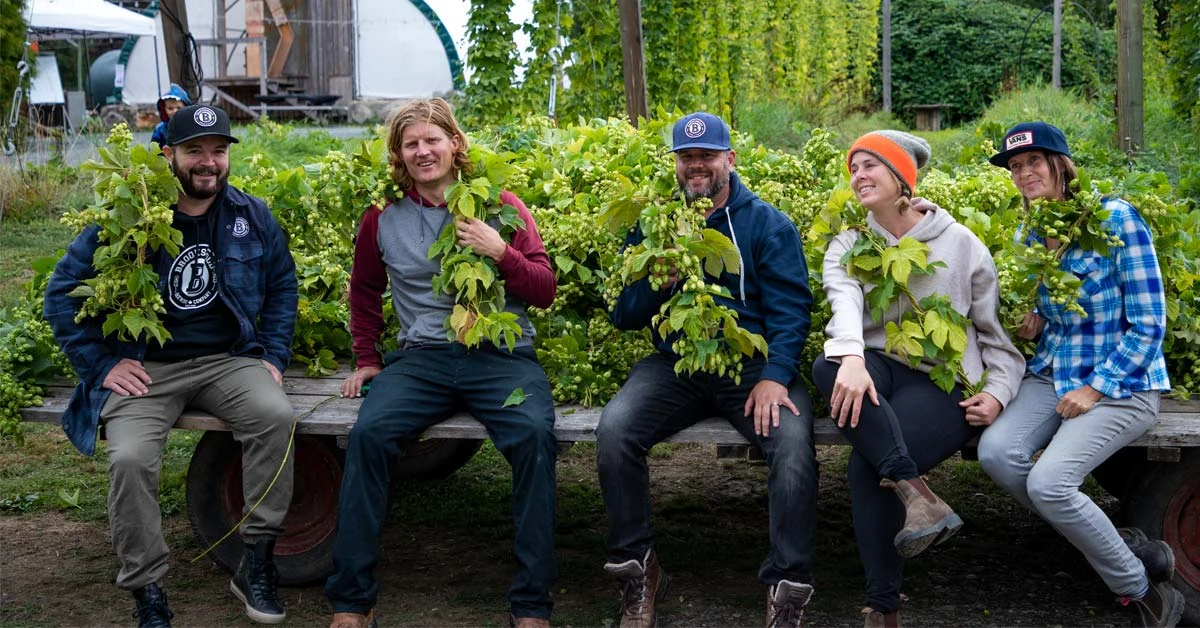
The Canadian craft beer landscape underwent a period of profound introspection in March 2021, sparked by a national campaign titled Celebrating Sisters. Spearheaded by the Indigenous Brew Crew (IBC), a trio of Indigenous brewers, the initiative was designed to support Indigenous women through the medium of craft beer. While the campaign initially garnered significant enthusiasm, it quickly became a flashpoint for a deeper, more painful conversation regarding the historical and contemporary relationship between Indigenous peoples and alcohol. The ensuing debate, characterized by both passionate support and anguished criticism, eventually led to the dissolution of the IBC, but it also opened a vital dialogue about sovereignty, trauma, and the future of Indigenous entrepreneurship in the beverage sector.
The Historical Context of Exclusion and Trauma
To understand the tension surrounding Indigenous involvement in the alcohol industry, one must examine the legislative framework of the 19th and 20th centuries. The Indian Act of 1876 served as the primary instrument of Canadian colonial administration, exerting totalizing control over First Nations identity, land management, and governance. Under this Act and its subsequent amendments, Indigenous people were systematically excluded from the alcohol industry. Federal law prohibited the sale of intoxicants to Indigenous persons, and for decades, the only legal option available to them was a non-alcoholic substitute frequently disparaged as Indian Beer.
This exclusion was not merely a matter of temperance but a tool of social control. Simultaneously, historical records indicate that settlers and colonial authorities used alcohol as a commodity to destabilize traditional Indigenous trading systems. This contributed to a cycle of generational dependency that was further exacerbated by state-sponsored programs of cultural erasure. The Truth and Reconciliation Commission of Canada (TRC) in 2015 identified the residential school system and the subsequent "Sixties Scoop"—wherein Indigenous children were forcibly removed from their families—as acts of cultural genocide. The resulting intergenerational trauma often found a tragic outlet in alcohol dependency, as individuals sought relief from the psychological wounds of abuse and fractured heritage.
As Anishinaabe professor Niigaan Sinclair has noted, while fermented substances existed in some Indigenous cultures for medicinal or ceremonial purposes, the modern struggle with alcohol is inextricably linked to colonial trauma. This history creates a unique paradox for modern Indigenous brewers: they are entering an industry from which their ancestors were legally barred, yet it is an industry that produces a substance that has caused immense harm within their communities.
A Chronology of Legislative and Social Evolution
The path from total prohibition to the current state of Indigenous craft brewing is marked by several key milestones:
- 1876: The Indian Act formalizes the prohibition of alcohol for First Nations people.
- 1950s–1970s: Successive provincial and federal legislative changes slowly begin to lift restrictions, allowing Indigenous people to purchase and consume alcohol, though often under strict conditions.
- 1985: Bill C-31 amends the Indian Act, returning some control over liquor bylaws to First Nations bands on their own reserves.
- 2015: The TRC releases its 94 Calls to Action, emphasizing the need for Indigenous economic self-determination and the recognition of Indigenous rights across all sectors.
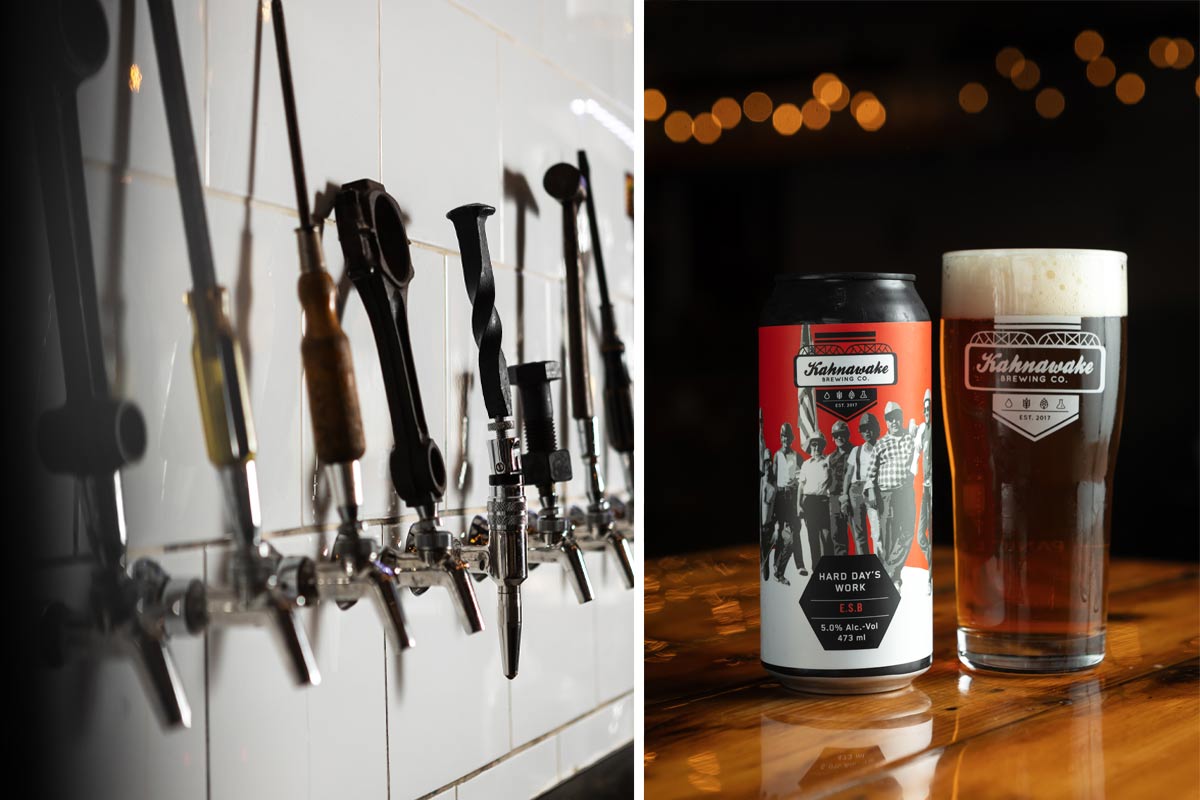
- 2018: Kahnawake Brewing Company opens in Quebec, becoming the first openly Indigenous-owned craft brewery located on Indigenous land (Mohawk Territory).
- 2021: The "Celebrating Sisters" campaign launches, highlighting the internal community divide between those who view brewing as a tool for sovereignty and those who view it as a betrayal of harm-reduction efforts.
- 2024–2025: Indigenous-led breweries such as Kahnawake Brewing receive national accolades at the Canada Beer Cup, signaling a shift toward mainstream recognition.
The Modern Landscape of Indigenous Brewing
Despite the historical baggage, a growing number of Indigenous entrepreneurs are reclaiming the brewing process as a form of cultural expression and economic independence. These individuals often navigate a complex social terrain, balancing their business goals with a responsibility to their heritage.
In British Columbia, Melanie MacInnes, a Métis woman and co-owner of Locality Brewing, exemplifies the internal conflict many feel. MacInnes initially hesitated to define her business as Indigenous-led, fearing the weight of the responsibility. However, after winning the 2022 BC Food & Beverage Award for Best Indigenous-Led Business, she embraced the platform. Her brewery focuses on the ethical use of land, growing its own hops and barley, which aligns with Indigenous values of environmental stewardship.

In Quebec, Kahnawake Brewing Company has successfully integrated Mohawk history into its brand identity. Co-owner Fred Leblanc, a former ironworker, draws on the legacy of the Mohawk laborers who built the Saint-Laurent Railway Bridge in 1900. The brewery’s success—marked by multiple medals at the 2024 and 2025 Canada Beer Cups—demonstrates that Indigenous-owned businesses can compete at the highest levels of the industry while remaining rooted in their community.
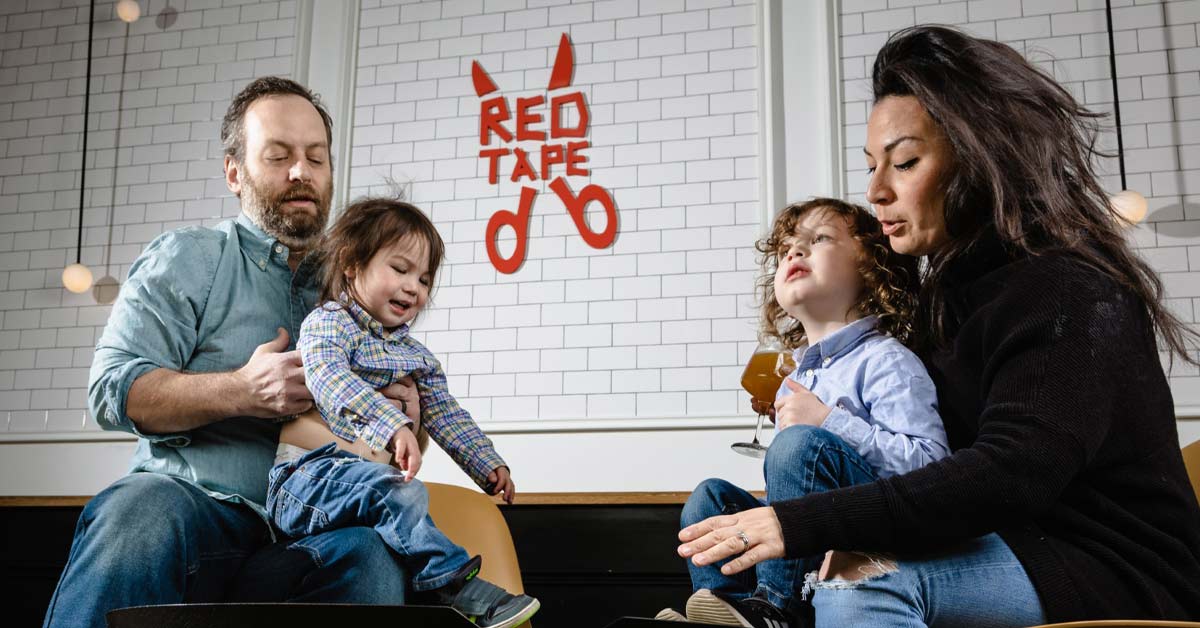
In Toronto, Sarabeth Holden, an Inuit brewer and co-owner of Red Tape Brewery, uses her business to celebrate Inuit culture. She incorporates traditional ingredients, such as orange pekoe tea (a staple in northern hunting and fishing trips) and Paunnat (dwarf fireweed), into her recipes. While Holden has reported instances of being dismissed by tradespeople or feeling out of place in liquor stores due to industry stereotypes, she maintains that the support from her community has been overwhelming.
Supporting Data and Economic Infrastructure
The rise of Indigenous brewing is supported by a burgeoning infrastructure of Indigenous-oriented financial and marketing services. Organizations such as the Manitoba Métis Federation and Farm Credit Canada have become essential partners for entrepreneurs who might otherwise face systemic barriers to traditional financing.
Darian Kovacs of Jelly Digital Marketing notes that for many Métis families, there was a historical pressure to hide their identity. The emergence of successful businesses like Locality Brewing serves as a powerful counter-narrative to that legacy of shame. Similarly, Darnell Stager of Indigenous Tourism BC argues that antagonism toward Indigenous brewers is often a remnant of colonial economic gatekeeping. He asserts that true sovereignty requires Indigenous people to have the freedom to participate in any industry they choose, moving away from the "ward of the state" status imposed by historical Indian status cards.
Official Responses and Industry Implications
The conversation surrounding Indigenous inclusion in craft beer is moving beyond mere representation toward a demand for structural change. Industry leaders and academics suggest that for the craft beer community to be truly inclusive, Indigenous people must be visible at every level of the supply chain—from malt production and hop farming to brewery ownership and corporate leadership.
Inez Cook, co-founder of Vancouver’s Salmon n’ Bannock restaurant and a member of the Nuxalk Nation, emphasizes the importance of relational business practices. She suggests that non-Indigenous breweries seeking to support reconciliation should start by introducing themselves to local tribal nations and building personal relationships rather than purely transactional ones. "Actions and changed behavior create reconciliation," Cook states, advocating for a "people-first" approach to business.
Professor Niigaan Sinclair offers a philosophical framework for this involvement. He suggests that according to Anishinaabe teachings, humans must find a way to have a relationship with all things, even those that have caused harm. Because beer is derived from natural elements—water, grain, and plants—there is a path to reconciling its production with Indigenous worldviews, provided it is done with a sense of responsibility and a commitment to avoiding further harm.
Defining the "Indigenous" in Craft Beer
One of the most significant challenges for the industry is defining what constitutes an "Indigenous beer." For Matthew Sabourin of La Brasserie Nonsuch Brewing Co. in Winnipeg, it is about creating cultural experiences. Nonsuch offers a "Beer Bannock" experience, where patrons learn about Indigenous history and Louis Riel while engaging with the product. For others, it is about the "Askî Oci" (Cree for "from the earth") philosophy, using native botanicals and spruce tips to create a flavor profile that is geographically and culturally specific.

The label on the Askî Oci saison, developed by Nadine Jopson of the Cree Nation, perhaps best summarizes the current sentiment of the movement: "We will not allow the Indian Act to oppress us… healing the relationship with alcohol as salve begins with us."
Broader Impact and Future Outlook
The evolution of Indigenous involvement in Canadian craft beer is a microcosm of the broader struggle for Indigenous sovereignty and economic reconciliation. While the trauma of the past cannot be ignored, the current generation of brewers is working to transform a historically destructive relationship into one of empowerment and cultural pride.
As the craft beer industry faces various economic and social challenges, the integration of Indigenous perspectives offers a potential path forward. By prioritizing land stewardship, community-focused business models, and the courage to engage in difficult conversations, Indigenous brewers are not only enriching the diversity of the market but are also challenging the industry to live up to its claims of inclusivity. The success of these entrepreneurs suggests that the future of Canadian beer will be increasingly defined by those who have fought the hardest for the right to brew it.