admin
admin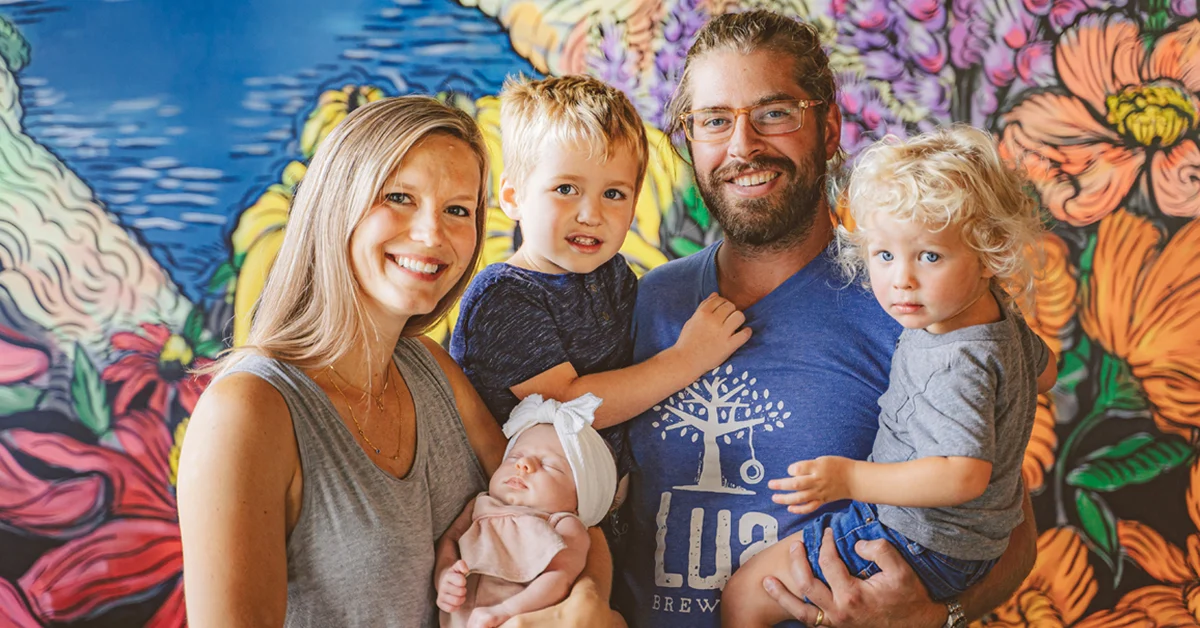
The craft beer industry, long characterized by its rugged, male-dominated imagery, is undergoing a significant demographic and cultural transformation. At the forefront of this shift are women who are simultaneously navigating the complexities of entrepreneurship and motherhood. By integrating family life into the business of brewing, leaders like Whitney Selix of Lua Brewing, Lindsey Mrav of Grain & Grit Beer Co., and Amanda McLamb of Resident Culture Brewing are not merely participating in the market; they are restructuring the "taproom experience" to be more inclusive, community-oriented, and socially conscious. This evolution comes at a critical time for the craft beer sector, which has faced slowing growth and a need to diversify its consumer base to maintain economic relevance.
The Evolution of the Craft Beer Demographic
Historically, the craft beer movement in North America was driven by a demographic that leaned heavily toward younger, single men. However, data from the Brewers Association indicates a steady shift. As of 2023, women account for approximately 24% of brewery owners and a significant portion of the consumer base. This shift has necessitated a change in how breweries operate, moving away from the "industrial bar" aesthetic toward "third spaces" that accommodate families.
The transition is not without its challenges. The hospitality industry is notorious for its grueling hours, often requiring presence late into the night and on weekends—times that traditionally conflict with the demands of childcare. For women in the industry, the solution has been a radical integration of work and life, rather than a separation of the two.
Case Study: Whitney Selix and the Integration of Family at Lua Brewing
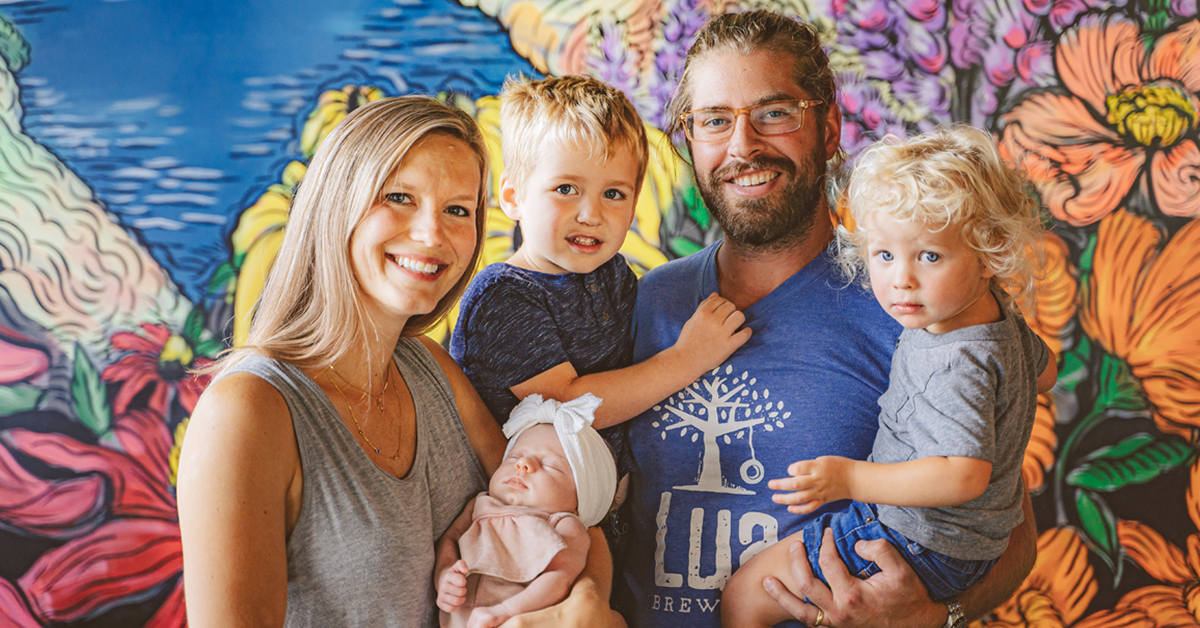
In Des Moines, Iowa, Whitney Selix and her husband Scott founded Lua Brewing in 2019. For Selix, the brewery’s inception was inextricably linked with the growth of her family. Her entry into the business side of beer occurred during a period of intense personal change, having managed restaurants while her husband transitioned from law to brewing.
The chronology of Lua Brewing is a testament to the "juggling act" required of modern entrepreneurs. During the brewery’s initial hiring phases, Selix was nursing her newborn. The office doubled as a nursery, with jumpers and pillows providing a space for her children to sleep while she managed payroll and operations. Today, the couple’s three children—Kit, Lawson, and Lennon—are fixtures at the brewery.

Selix has leveraged her experience to advocate for broader industry reforms. Recognizing that the "midnight shift" is incompatible with traditional childcare, she has implemented family-friendly policies within Lua Brewing, ensuring that staff members have access to the flexibility and leave necessary to sustain a career in hospitality. Furthermore, Selix has found a unique way to bridge her two worlds through product development. Inspired by the children’s television show Bluey, Lua Brewing recently developed a Piña Colada sour named "Dance Mode," a move that targets the "parent-consumer" demographic while maintaining the brewery’s reputation for high-quality, creative offerings.
Community Building: Lindsey Mrav and Grain & Grit Beer Co.
In Hamilton, Ontario, Lindsey Mrav and her husband Joe transformed an old automotive garage into Grain & Grit Beer Co. in 2017. Their journey highlights the shift from hobbyist homebrewing to professional enterprise. At the time of opening, the couple was raising a four-year-old and a seven-year-old, a factor that dictated the brewery’s community-centric business model.
Mrav, who previously worked in graphic design, applied her branding expertise to create a space that functioned as a neighborhood hub. Unlike traditional bars, Grain & Grit prioritizes events that serve the local community, such as:
- Mom meetups and networking sessions.
- Clothing swaps and vintage markets.
- Book clubs and educational workshops.
Mrav’s approach is a strategic response to the isolation often felt by new parents. By centering the brewery as a "safe space" for mothers, she has successfully tapped into a loyal customer segment that traditional establishments often overlook. This business model also extends to her employees; Grain & Grit is known for its flexible scheduling, allowing staff to attend to family appointments and parental leave without the fear of career stagnation.
Cultural Identity and Innovation: Amanda McLamb at Resident Culture
Amanda McLamb’s Resident Culture Brewing in Charlotte, North Carolina, represents the intersection of scientific precision and cultural heritage. McLamb, whose grandparents immigrated from China, grew up with a deep appreciation for the communal power of food and drink. Her interest in brewing was solidified during a visit to the Guinness brewery in Dublin, where she recognized fermentation as a blend of agriculture, science, and history.
The opening of Resident Culture in 2017 coincided with the birth of her daughter, Piper. McLamb’s experience was marked by physical and emotional intensity; she famously worked through the recovery of a broken tailbone sustained during childbirth while simultaneously launching the business.
The brewery’s name, "Resident Culture," is a dual reference. In brewing terms, it refers to the wild yeast and bacteria that give beer its unique local flavor. In a social sense, it refers to the "culture" of the people who inhabit the space. McLamb has used this platform to host large-scale Lunar New Year celebrations, integrating her Asian-American heritage into the Charlotte craft beer scene.
Under McLamb’s leadership, Resident Culture has adopted the slogan "Where Your Weird Is Welcome," a philosophy that encourages inclusivity for both staff and patrons. This ethos proved vital during the COVID-19 pandemic, when McLamb made the difficult decision to close the taproom ahead of government mandates to protect her team and community, a move that prioritized long-term social trust over short-term revenue.
Supporting Data and Economic Implications
The impact of these women-led breweries extends beyond social atmosphere; there are clear economic implications. According to market research:
- Retention Rates: Breweries with flexible, family-friendly policies report lower staff turnover, reducing the high costs associated with training and recruitment in the hospitality sector.
- Diversified Revenue: By hosting daytime events (like Mrav’s clothing swaps) and family-oriented weekend gatherings, breweries can generate revenue during hours that are typically slow for traditional bars.
- Consumer Loyalty: A 2022 survey indicated that "Millennial" and "Gen Z" parents are more likely to frequent establishments that provide high-quality food and drink in an environment where children are not viewed as a nuisance.
The advocacy for policy change by leaders like Selix is particularly relevant given the current labor market. With childcare costs in the United States rising by nearly 220% since 1990, the hospitality industry must adapt to provide wages and schedules that make employment feasible for parents.
Official Responses and Industry Sentiment
The Brewers Association, the primary trade group for small and independent craft brewers, has increasingly focused on diversity, equity, and inclusion (DEI) as a core pillar of industry health. In statements regarding the rise of women in brewing, the Association has noted that diversity is not just a social goal but a "business imperative."
Inferred reactions from the broader industry suggest a growing acceptance of the "brewery-as-community-center" model. While some traditionalists argue that taprooms should remain adult-only spaces, the financial success of family-friendly venues like Lua, Grain & Grit, and Resident Culture suggests that the market is moving toward the latter.
Broader Impact and Future Outlook
The stories of Selix, Mrav, and McLamb reflect a broader shift in the American entrepreneurial landscape. These women are challenging the "heroic founder" myth—the idea that a business owner must sacrifice family life for professional success. Instead, they are demonstrating that family can be a source of creative inspiration and a catalyst for more humane business practices.
As the craft beer industry continues to mature, the influence of these "mom-owners" will likely lead to:
- Standardization of Parental Leave: More small breweries are expected to formalize leave policies to remain competitive in the labor market.
- Product Innovation: A rise in "lifestyle" beers, including lower-ABV (alcohol by volume) options and non-alcoholic craft beverages, catering to health-conscious parents.
- Community Integration: The transformation of breweries into multi-use spaces that serve as the modern equivalent of the village square.
In conclusion, the integration of motherhood into the craft beer industry is not a trend, but a fundamental realignment of the business. By creating spaces "Where Your Weird Is Welcome" and where "Dance Mode" is a legitimate product category, these women are ensuring that the craft beer industry remains a vital, inclusive, and economically resilient part of the modern community. Through empathy, patience, and a "rising tides" mentality, they are brewing a future that is as diverse and complex as the beverages they produce.