admin
admin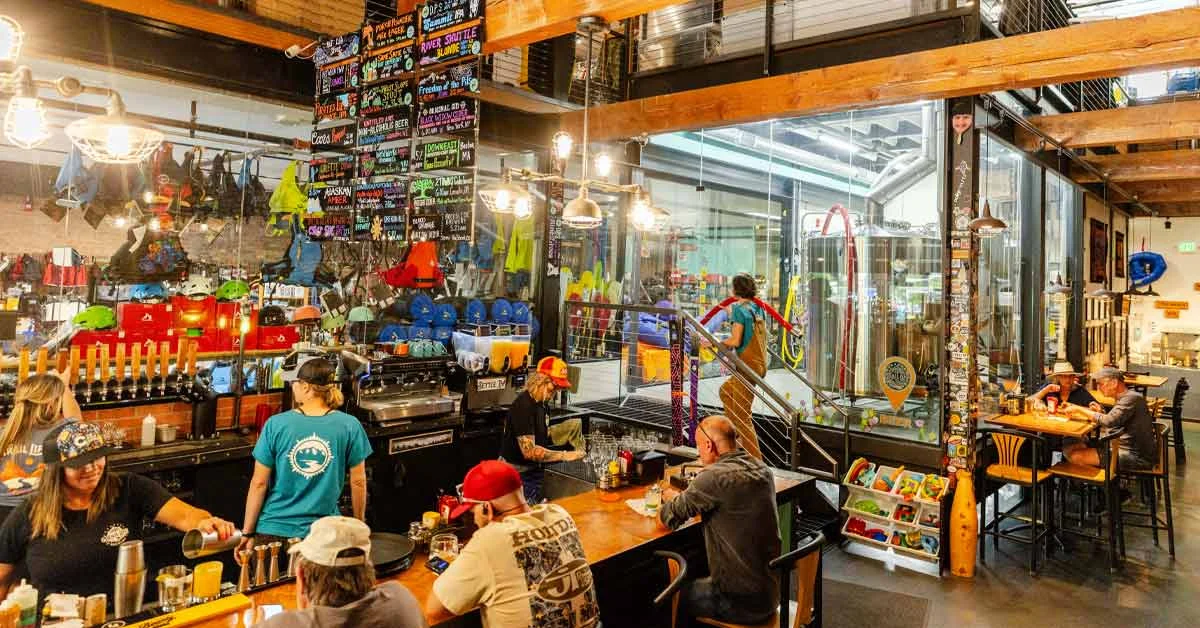
Grand Junction, Colorado, situated at the confluence of the Colorado and Gunnison Rivers, is currently undergoing a significant cultural and economic transformation, positioning itself as a primary destination for travelers seeking a synthesis of world-class outdoor recreation and a sophisticated craft beer industry. While the state of Colorado has long been synonymous with brewing excellence—anchored by the dense corridors of Denver, Boulder, and Fort Collins—the Western Slope is carving out a distinct identity characterized by a lack of congestion and a high concentration of artisanal producers. The region is home to the Colorado National Monument, a sprawling landscape of red rock canyons and towering monoliths that remains remarkably crowd-free compared to its counterparts in the National Park System, such as the Grand Canyon or Zion. This geographical isolation has allowed a hyper-local, community-focused beer scene to flourish, driven by a population of outdoor enthusiasts and master brewers who prioritize quality and innovation over mass-market appeal.
The Geographical and Historical Context of the Grand Valley
The city of Grand Junction derives its name from the "junction" of the Gunnison River and the Colorado River, the latter of which was historically known as the Grand River until 1921. This hydrological significance is mirrored by the region’s geological diversity. To the west lies the Colorado National Monument, a 32-square-mile plateau of semi-desert land featuring spectacular sheer-walled canyons and rock spires. To the east is the Grand Mesa, the largest flat-top mountain in the world, rising over 10,000 feet and spanning 500 square miles. To the north, the Book Cliffs provide a dramatic backdrop of sedimentary ribboning.
Historically, the Grand Valley’s economy was rooted in agriculture—specifically peaches and viticulture—and extractive industries like oil and gas. However, over the past two decades, there has been a concerted shift toward the outdoor recreation economy. According to data from the Colorado Office of Economic Development and International Trade, the outdoor recreation industry contributes more than $11 billion to the state’s GDP annually. Grand Junction has capitalized on this trend by developing world-class mountain biking trail systems, such as the Lunch Loops and 18 Road in nearby Fruita, which attract thousands of visitors annually. This influx of active travelers has necessitated a parallel growth in the hospitality and beverage sectors, leading to the current "golden age" of brewing in the valley.
The Evolution of the Local Brewing Industry
The lineage of Grand Junction’s beer scene can be traced back to 1994 with the opening of The Rockslide Brew Pub. As the "original" craft brewery in the city, Rockslide established a precedent for the brewpub model, offering a consistent selection of ales and lagers in a convivial, downtown setting. For nearly two decades, the scene remained relatively static until the mid-2010s, when a new wave of entrepreneurs began to experiment with more diverse styles and specialized business models.
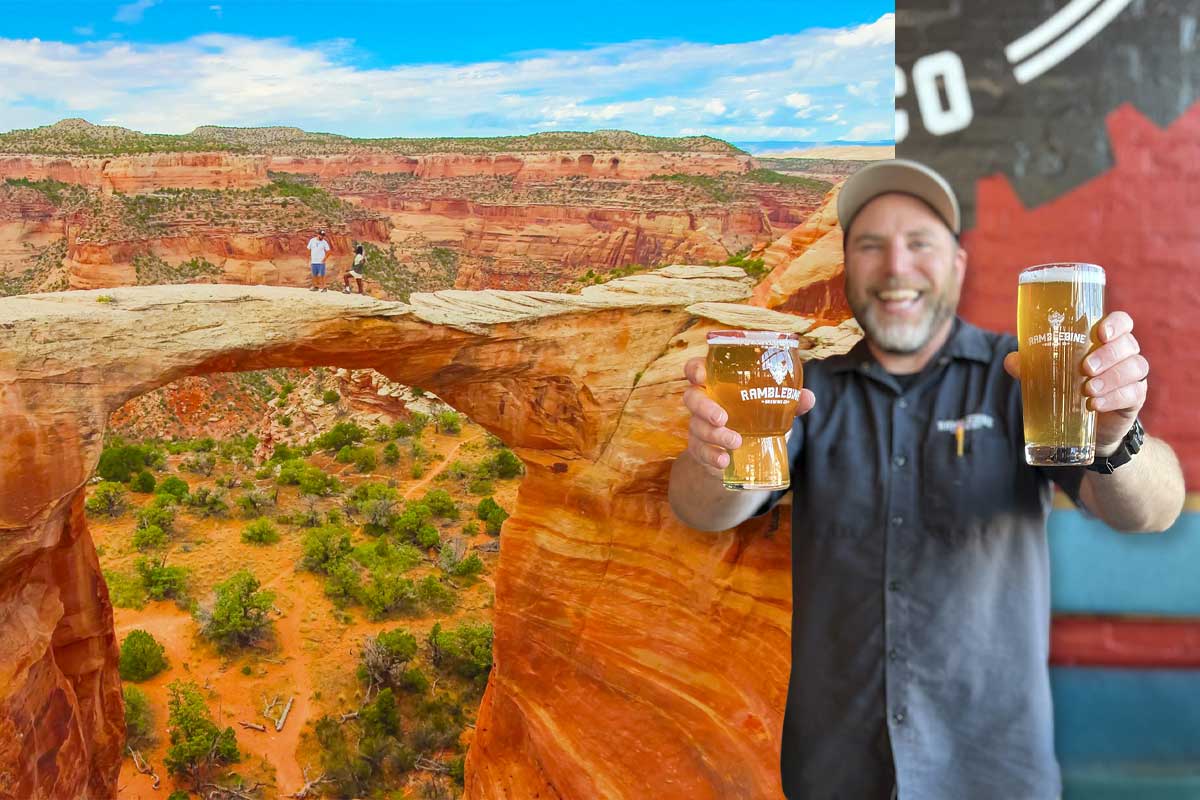
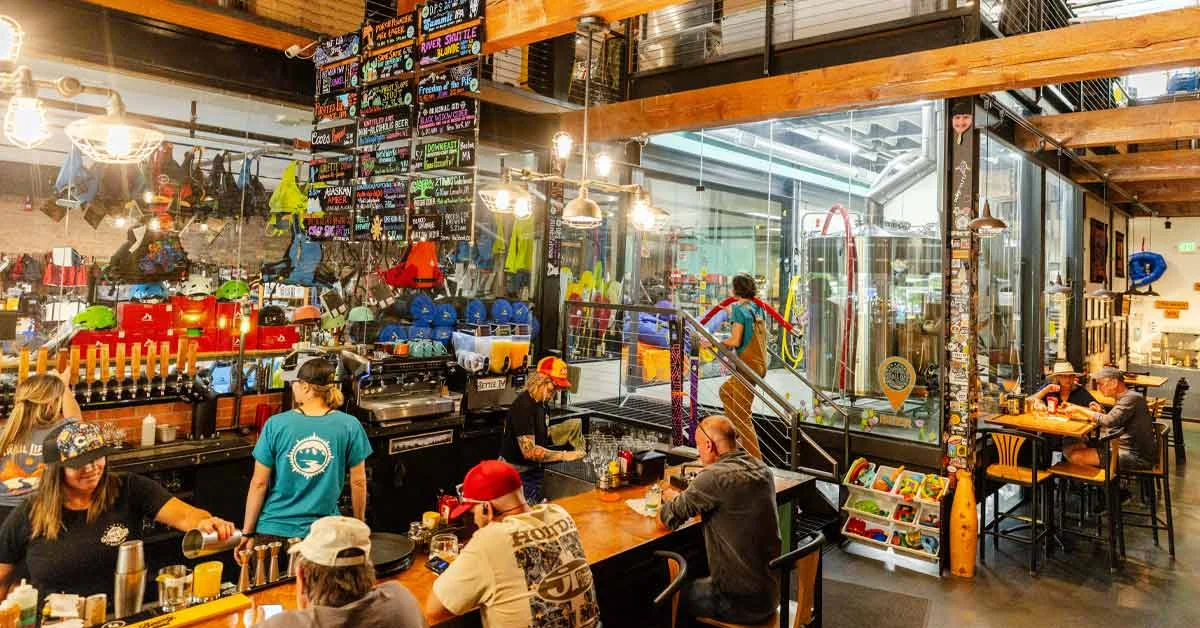
The contemporary era of Grand Junction brewing is defined by its integration with the landscape. "I don’t think anyone lives in Grand Junction who isn’t actively involved in at least one outdoor activity," says Adam Kinsey, a prominent figure in the local scene and owner of Handlebar Tap House and WestCo Brewing. This sentiment is reflected in the physical design of the city’s newest establishments, many of which are located in proximity to trailheads or bike shops, creating a seamless transition from "trail to taproom."
Technical Innovation and Stylistic Diversity: Ramblebine Brewing
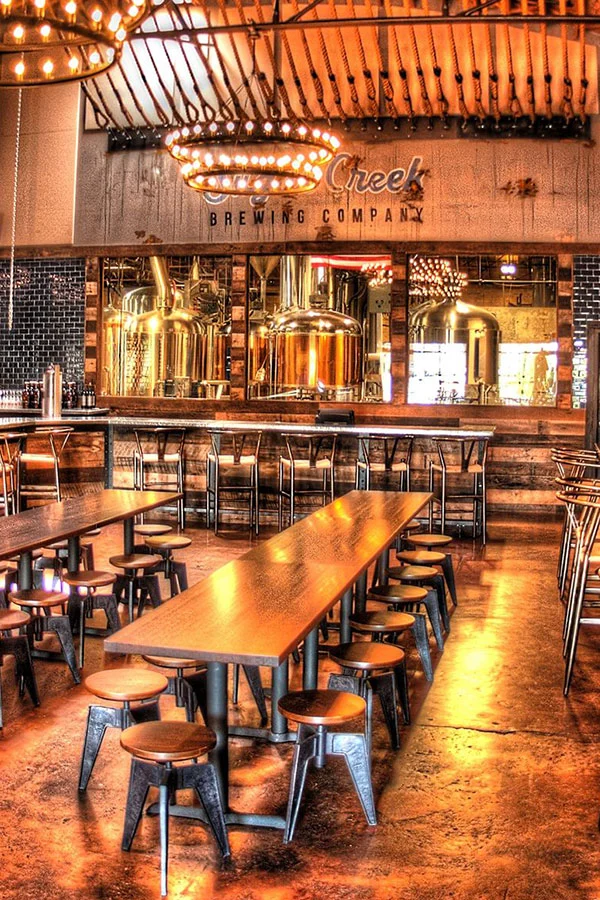
One of the most significant additions to the local landscape is Ramblebine Brewing, which opened its doors in 2020. Despite the logistical challenges posed by the global pandemic, founders Eli Gerson and Rob James successfully launched a facility that emphasizes technical precision and stylistic breadth. Ramblebine has gained particular acclaim for its flagship "God Hammer," a Norwegian red ale fermented with Kveik yeast. Kveik, a traditional Norwegian farmhouse yeast, is known for its ability to ferment at high temperatures without producing off-flavors, making it a fitting choice for the high-desert climate of Western Colorado.
The brewery’s portfolio extends beyond traditional boundaries, featuring crisp lagers, West Coast IPAs, and barrel-aged stouts. The taproom serves as an educational hub, where staff engage with a clientele that ranges from "beer geeks" to novices. This commitment to variety—offering everything from hoppy Pilsners to tart fruit sours—has solidified Ramblebine’s position as a leader in the region’s craft movement.
The Intersection of Adventure and Community: Trail Life and Handlebar
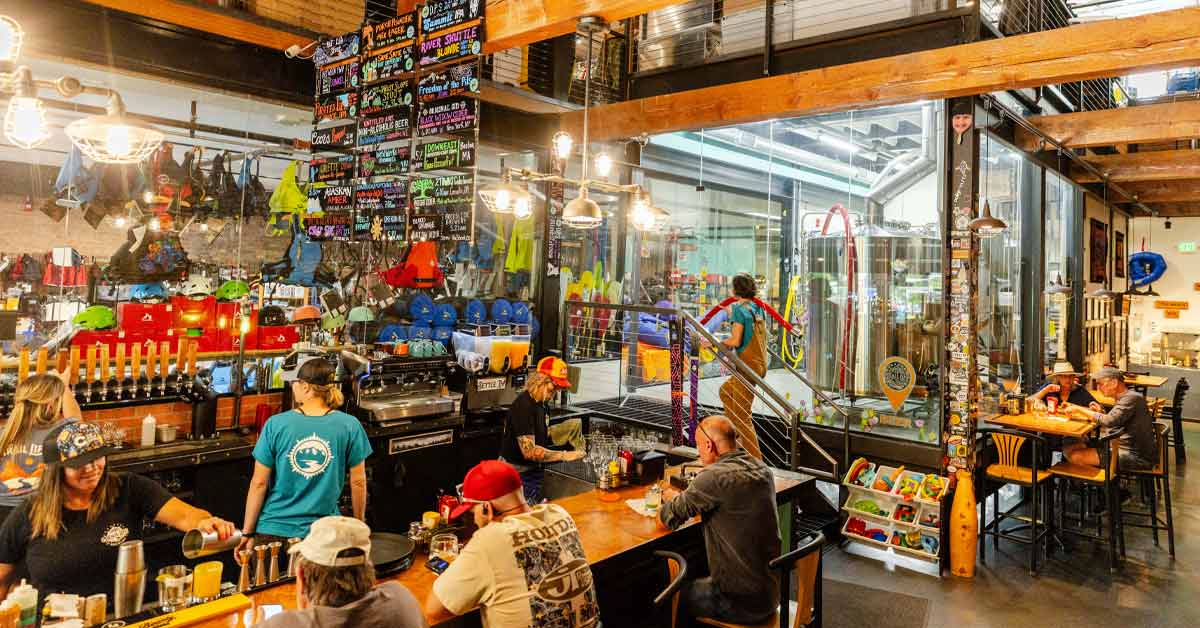
The synergy between the cycling community and the brewing industry is perhaps most evident at Trail Life Brewing. Unique in its operational model, the brewery is physically attached to a mountain bike shop, serving as a social headquarters for the city’s cycling elite and weekend warriors alike. The energy of the taproom is intrinsically linked to the nearby trail systems. Patrons frequently arrive in cycling gear to consume a diverse range of beers, including their Mexican-style lager and the "Pirates Life" Black IPA—a style that balances the roasted malt profile of a porter with the citrusy hop bitterness of an IPA.
Similarly, Handlebar Tap House has positioned itself as a premier destination for those seeking a curated beer experience. Located adjacent to another local bike shop, Handlebar features 24 rotating taps that showcase the best of regional brewing. The establishment emphasizes the "après-bike" culture, offering a full menu of high-quality pub fare, such as cheese curds and gourmet burgers, designed to replenish calories after a day on the mesas.
Urban Revitalization and Culinary Fusion: WestCo Brewing
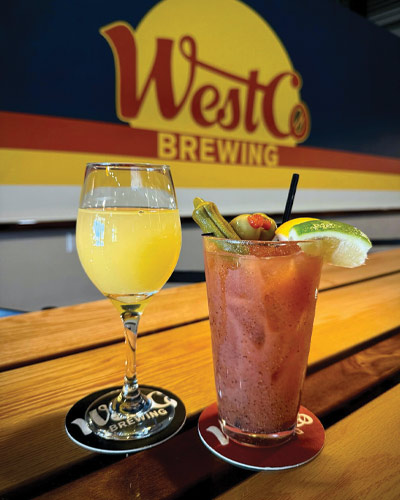
The newest entrant into the market, WestCo Brewing, represents the latest evolution of the Grand Junction scene. Founded by Adam Kinsey and head brewer Danny Wilson, WestCo is situated next to the Amphitheater at Las Colonias Park, a focal point of the city’s riverfront revitalization project. The brewery serves as a community gathering space that bridges the gap between live entertainment and craft beverage production.
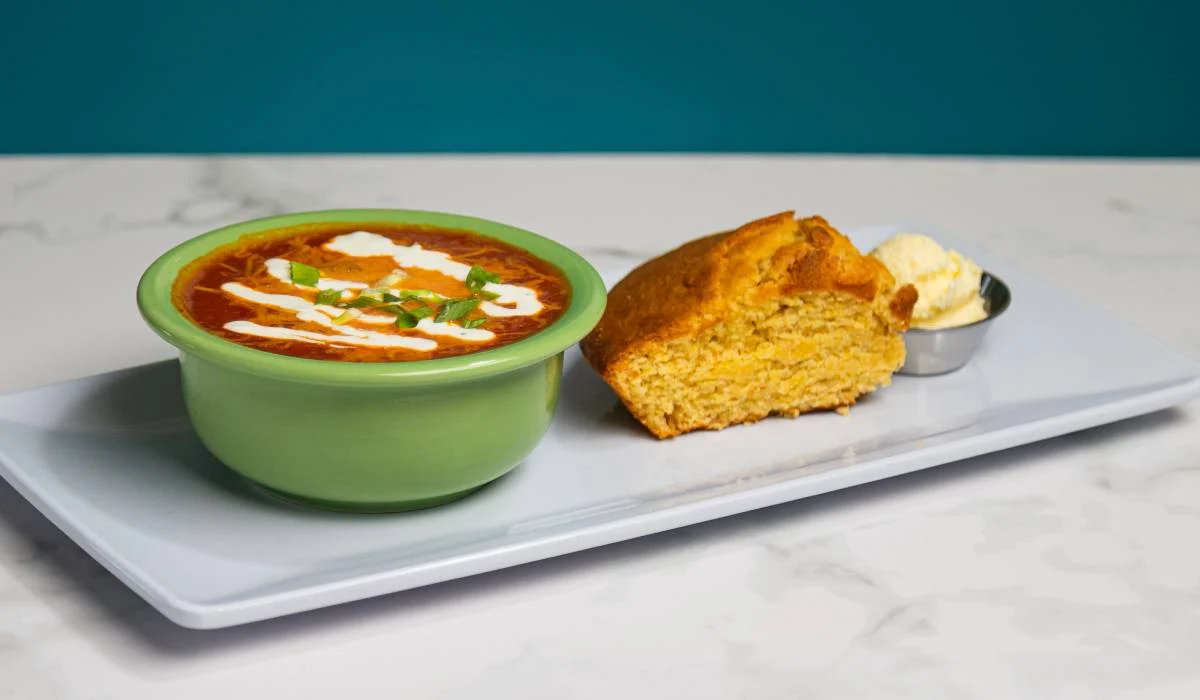
WestCo distinguishes itself through its culinary program, which departs from standard brewery fare to offer Japanese-inspired dishes. The menu includes katsu fried chicken, gyoza, and a Japanese chicken curry twist on poutine, alongside regional specialties like Colorado elk sloppy joes. On the brewing side, Wilson focuses on flavor-forward but approachable styles, such as Japanese-style rice lagers and New England IPAs. This focus on "easy-drinking" yet complex beers aligns with the needs of concert-goers and hikers who desire refreshment without the palate fatigue associated with high-alcohol or overly aggressive styles.
Supporting Data and Economic Impact
The growth of the Grand Junction beer scene is supported by broader trends in the American craft beer industry. Data from the Brewers Association indicates that while the overall beer market has faced headwinds, small and independent craft breweries continue to contribute significantly to local economies through job creation and tourism. In Grand Junction, the brewery "density"—the number of breweries per capita—is steadily increasing, yet the market has not reached the saturation points seen in larger metropolitan areas.
Furthermore, the "destination brewery" trend is a major driver of local tourism. Travelers are increasingly planning itineraries around brewery visits, a phenomenon known as "beercations." Grand Junction is uniquely positioned to capture this demographic, as it offers a lower cost of entry and a more authentic, less commercialized experience than more famous beer hubs.
Broader Implications and Future Outlook
The rise of Grand Junction’s craft beer scene has several implications for the state of Colorado. First, it serves to decentralize tourism, drawing visitors away from the overcrowded I-70 corridor and the Front Range. This distribution of tourist dollars is vital for the economic resilience of Western Slope communities. Second, the integration of breweries into urban renewal projects—like WestCo at Las Colonias Park—demonstrates the role of craft beer as an anchor for municipal development.
Looking ahead, the city faces the challenge of maintaining its "undiscovered" charm while managing inevitable growth. As more beer enthusiasts and outdoor adventurers recognize the "embarrassment of riches" available in the Grand Valley, the city will likely see increased investment in hospitality infrastructure. However, the core identity of the scene—rooted in the rugged landscapes of the Colorado National Monument and the Grand Mesa—remains its greatest asset.
Other notable contributors to this vibrant ecosystem include Base Camp Beer Works, known for its experimental offerings like pineapple and pistachio cream ales, and Gemini Beer Company, which provides a platform for both its own brews and those of its neighbors. Collectively, these establishments have turned Grand Junction into a comprehensive "ex-beer-ience" that rivals any in the American West. For the traveler who values serenity, world-class geology, and expertly crafted fermentation, Grand Junction is no longer just a stop on the way to somewhere else—it is the destination.