admin
admin
The craft beer landscape, which underwent a monumental transformation during the late 1980s and 1990s, is currently experiencing one of its most radical shifts to date. As the market reached a point of saturation with thousands of independent breweries competing for shelf space and tap handles, the necessity for innovation moved beyond traditional hops and malts. This drive for differentiation has birthed the "smoothie sour," a controversial yet undeniably popular subgenre that challenges the very definition of beer. By blending the tartness of traditional kettle sours with massive quantities of unfermented fruit purées and culinary adjuncts, brewers are attracting a new demographic of consumers and fundamentally altering the industry’s trajectory.
The Genesis of the Smoothie Style
To understand the rise of the smoothie sour, one must look at the chronology of the sour beer resurgence. In the early 2010s, the American craft beer scene saw a renewed interest in traditional European styles like the German Gose and the Berliner Weisse. These styles, characterized by their lactic acidity and light body, provided a refreshing alternative to the IBU-heavy (International Bitterness Units) trend of the West Coast IPA era.
By the mid-2010s, "kettle souring"—a process where Lactobacillus is added to the wort before the boil to quickly produce acidity—became a standard industry practice. As breweries sought to stand out, they began adding fruit to these sours. Initially, these additions were subtle, meant to complement the base beer’s tartness. However, as consumer demand for "flavor-forward" beverages grew, the volume of fruit increased, eventually leading to the thick, opaque, and viscous texture now synonymous with the smoothie sour.
Pioneering the Movement: Imprint Beer Company
A primary catalyst for this trend can be traced to Hatfield, Pennsylvania, where Imprint Beer Company helped establish the blueprint for the modern smoothie sour. According to co-founder and brewer Ryan Diehl, the brewery’s pivot toward the style occurred during a pivotal event that served as their "coming out party."
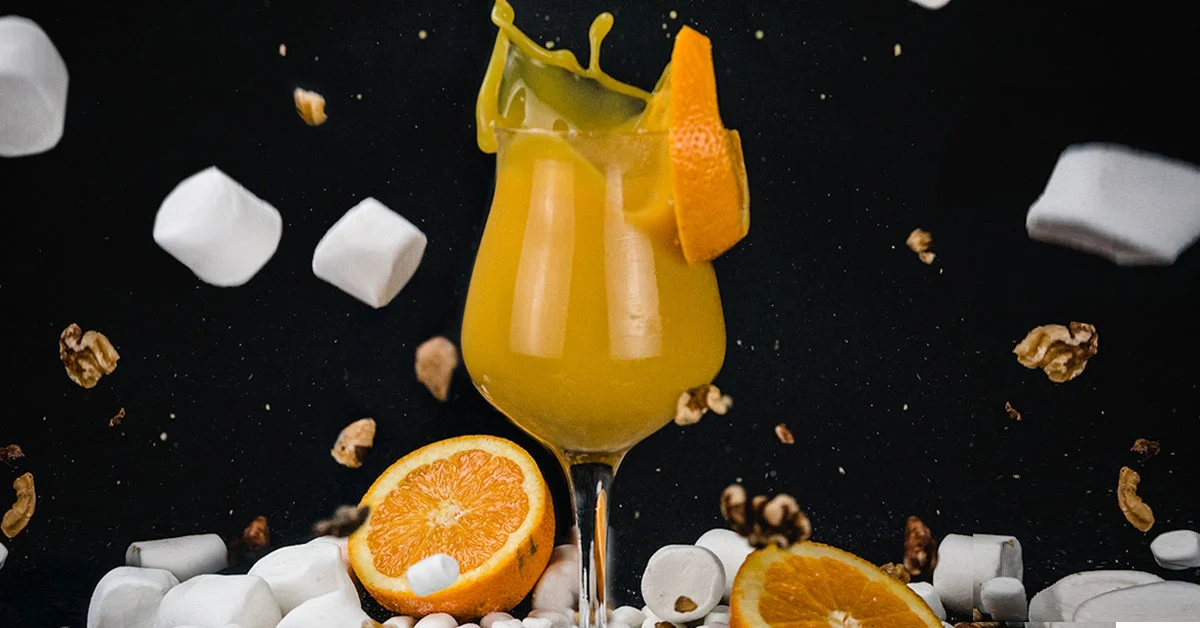
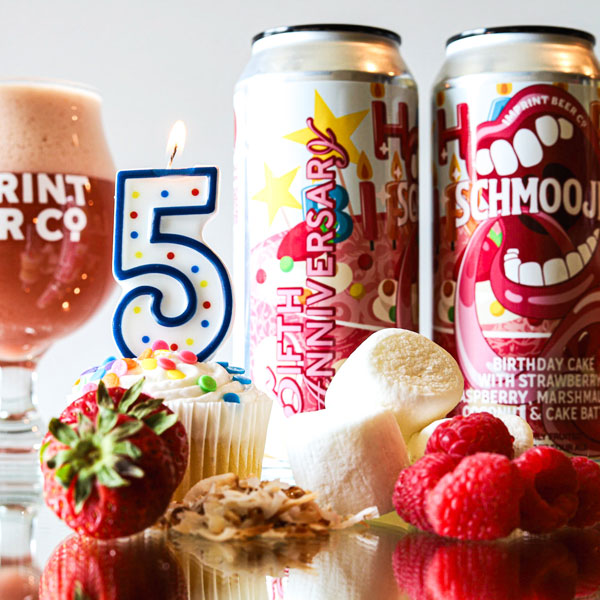
While Imprint had already established a reputation for diverse styles, it was the introduction of "Puffsicle"—a sour brewed with raspberry, blueberry, pineapple, and marshmallow—that signaled a shift in consumer preference. The overwhelming response led to the creation of the "Schmoojee" line, which has since become a benchmark for the category. The Schmoojee series is notable for its use of "adjuncts"—non-traditional brewing ingredients—such as cheesecake, white chocolate, fudge, and bananas.
The production process at Imprint is distinct from standard brewing. After a base beer is fermented for eight to 11 days, the souring agents and heavy fruit loads are introduced. This method ensures that the fruit maintains its fresh, "smoothie-like" integrity rather than being fully fermented into alcohol, which would strip away the natural sugars and thickness.
Strategic Reinvention: 903 Brewers and the "Slushy" Era
In Dallas, Texas, 903 Brewers represents a segment of the industry that adopted the smoothie sour as a strategic response to changing market conditions. After six years of operation, owner Jeremy Roberts noted a shift in consumer behavior: the rise of ready-to-drink (RTD) cocktails and a growing segment of the population that remained indifferent to traditional beer flavors.
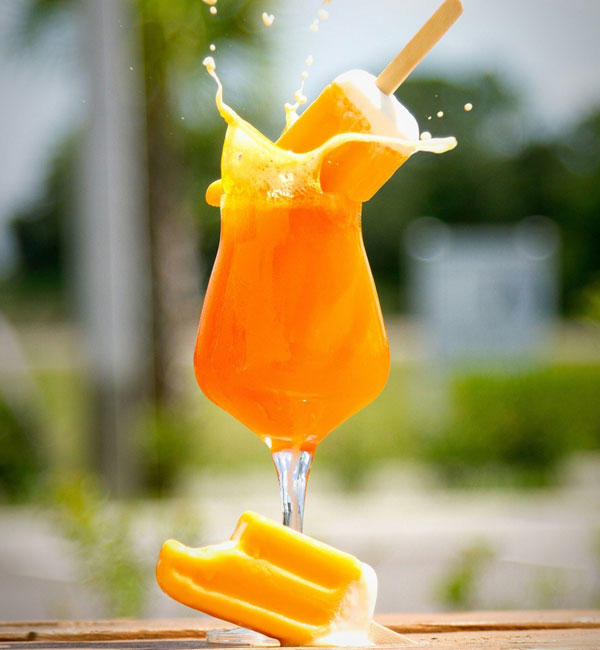
"We saw that there were some people that were getting away from beer, or didn’t like beer at all," Roberts noted. The brewery’s solution was to bridge the gap between the brewing world and the nostalgic flavors of the American soda fountain. Their first major success in the category was a cherry limeade sour designed to mimic the flavor profile of popular drive-in slushies.
The success of this experiment led to the "Slushy" line, which features eccentric offerings like the Blueberry Donut Slushy and the Ice Cream Truck Slushy. By incorporating edible glitter and flavors that evoke childhood memories, 903 Brewers has successfully tapped into the "experience economy," where the visual and nostalgic appeal of a product is as important as its chemical composition.
Technical Innovation and Safety: Oozlefinch Beers & Blending
While the smoothie sour is often criticized by purists as "not beer," the technical requirements to produce a stable, safe, and consistent product are significant. At Oozlefinch Beers & Blending in Fort Monroe, Virginia, the transition into smoothie sours was driven by a desire to solve the problem of flavor degradation.
Founder Russ Tinsley and head brewer Logan Morris observed that traditional fruited sours often lost their sweetness over time as yeast continued to consume residual sugars. To counter this, they developed the "Party Dinosaur" and "Das Yummy" lines. Their process involves "back-sweetening"—adding flavors and sugars after the primary fermentation is complete.
A critical component of the Oozlefinch method is the use of a pasteurizer. Because smoothie sours contain high levels of unfermented fruit sugars, they are susceptible to "re-fermentation" inside the can. Without pasteurization or strict cold-chain management, this can lead to "exploding cans," a safety hazard that has plagued the subgenre in its early years. Morris also utilizes specific yeast strains that produce lactic acid naturally and even incorporates charcoal as a thickening agent to achieve the desired mouthfeel.
Culinary Integration: Corporate Ladder Brewing
In Palmetto, Florida, Corporate Ladder Brewing has pushed the smoothie sour into the realm of liquid gastronomy. Co-owners Blake Kleppe and James Herrholz view their "Dessert Station" line as a sensory experience rather than just a beverage.
Since Herrholz joined in 2019, the brewery has focused on "culinary-inspired" beers. Their methodology involves rigorous ingredient sourcing to ensure that flavors like banana, white chocolate, and caramel in their "Laffy Taffy" inspired beer or pumpkin and vanilla ice cream in their "Pumpkin Pie A La Mode" are indistinguishable from their solid-food counterparts.
"The goal is to have these beers taste just like what they say they are," Herrholz stated. This commitment to flavor accuracy has helped Corporate Ladder build a dedicated following that treats beer releases as major social events.
Market Data and the New Demographic
The rise of smoothie sours is backed by broader trends in the beverage industry. According to data from the Brewers Association, while overall craft beer growth has stabilized, "niche" categories—including sour ales—have shown disproportionate resilience. The "beyond beer" segment, which includes hard seltzers, kombuchas, and smoothie sours, appeals to a younger, more diverse demographic that prioritizes flavor variety over traditional bitterness profiles.
Market analysis suggests three primary drivers for the smoothie sour’s success:
- Accessibility: The low perceived bitterness and high fruit content make these beers an "entry point" for non-beer drinkers.
- Visual Appeal: The vibrant colors and thick textures are highly "Instagrammable," driving organic social media marketing.
- Limited Availability: Many of these breweries utilize a "drop" model, releasing small batches that sell out within hours, creating a sense of urgency and "hype."
The Industry Debate: Definitions and Brotherhood
The smoothie sour remains a polarizing topic within the Brewers Association and the wider craft community. Critics argue that by adding massive amounts of fruit and unfermented sugars, these beverages move too far away from the historical definition of "beer." However, the brewers themselves remain unbothered by the semantics.
"If people think that the smoothie sours shouldn’t be considered beer, we don’t really care, as long as they enjoyed it," says Blake Kleppe of Corporate Ladder. This sentiment is echoed across the board, with many brewers referring to their creations as "liquid for everyone" or "sweet liquid for adults."
Interestingly, the rise of this style has fostered a unique sub-culture of collaboration. Unlike the competitive nature of the early craft boom, smoothie sour producers often operate as a "brother/sisterhood." Notable names like Drekker Brewing Company (North Dakota), Mortalis Brewing Company (New York), Burley Oak Brewery (Maryland), 450 North Brewing Company (Indiana), and The Answer Brewpub (Virginia) frequently collaborate on recipes, sharing techniques for stabilization and flavor extraction.
Future Implications and Sustainability
As the style matures, the focus is shifting from "how much fruit can we add" to "how can we make this sustainable and safe." The reliance on cold-chain distribution (keeping the beer refrigerated from the brewery to the consumer) remains the greatest challenge. However, the integration of pasteurization technology is becoming the industry standard, ensuring that smoothie sours can be shipped more reliably.
The smoothie sour is no longer a passing fad; it is a permanent fixture of the modern taproom. By blurring the lines between the brewery, the creamery, and the kitchen, these producers have expanded the boundaries of what fermentation can achieve. For the consumer, this means a constantly evolving menu of flavors; for the industry, it represents a bold, fruit-filled path toward continued relevance in a crowded market. As Kleppe aptly summarizes, these beers provide the opportunity to introduce a wide variety of flavors to a public that might have otherwise never stepped foot inside a craft brewery.