admin
admin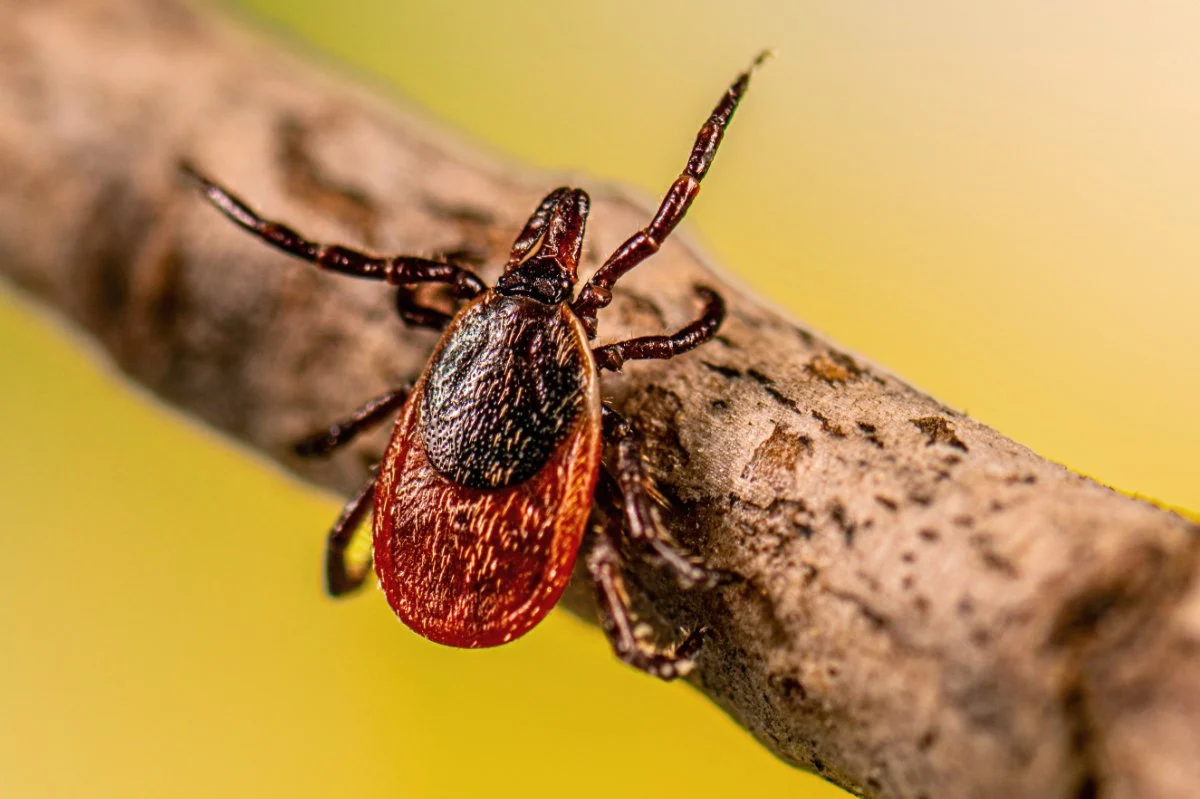
Farmers across the United States are grappling with an alarming surge in tick populations and the debilitating illnesses they transmit, transforming daily life on agricultural lands into a continuous battle against microscopic adversaries. Jesse Warner, a farmer in New York’s Hudson Valley, describes the situation as "brutal out here," noting that conversations among his peers have shifted from weather patterns to the daily severity of tick infestations. For Warner, the period from May through November brings relentless exposure, sometimes requiring the removal of as many as 60 ticks from each of his two working dogs in a single day, a stark indicator of the intensifying threat.
The Exploding Crisis: A National Overview
The escalating prevalence of ticks and tick-borne diseases represents a significant and growing public health challenge across the U.S. Over the past 15 years, the incidence of these diseases has more than doubled, driven by a confluence of environmental and ecological factors. Currently, at least nine different tick species are linked to human illness in the country, capable of transmitting a range of bacteria, viruses, and parasites. These pathogens can lead to severe and chronic conditions such as Lyme disease, babesiosis, anaplasmosis, Rocky Mountain Spotted Fever, and tularemia. A particularly insidious development is alpha-gal syndrome, a red meat allergy triggered by certain tick bites, which can range from uncomfortable hives and digestive issues to life-threatening anaphylactic shock.
Geographically, the problem is widespread, though particularly acute in regions like the East and Upper Midwest. These areas, characterized by a mosaic of farmland, suburbia, and forest patches, combined with increasingly humid weather patterns, create ideal conditions for tick proliferation. While these regions are experiencing the most pronounced boom in multiple species, ticks are expanding their range virtually everywhere in the U.S. For instance, the western deer tick, a vector for Lyme disease and anaplasmosis, is increasingly gaining ground in California and other Western states, signaling a broader national trend.
The Science Behind the Surge: Climate, Ecology, and Hosts
The dramatic increase in tick populations and the diseases they carry is not a singular phenomenon but rather the result of complex interactions between climate change, land use patterns, and host animal dynamics.
Warmer Winters and Extended Seasons
A primary driver of this surge is climate change, manifesting as shorter, milder winters and overall warmer temperatures. These altered climatic conditions provide ticks with an extended "questing" period – the time during which they actively seek a blood meal. When temperatures remain above freezing, ticks are able to emerge from their protective winter shelters beneath logs and leaf litter for longer durations. This not only increases their chances of finding hosts but also prolongs the period of human exposure. As Gargi Deshpande, an infectious disease epidemiologist at the University of Oklahoma, explains, "We have more interactions of humans and ticks for a prolonged period because of climate change."
The warming climate is also facilitating the expansion of tick ranges into higher latitudes, areas where they were previously uncommon. Mandy Roome, associate director at the Binghamton University Tick-Borne Disease Center, observes, "Even five to ten years ago, it really wasn’t much of a concern in Canada, or parts of New York, but now they’re seeing a lot more." This northward migration brings new risks to communities previously less familiar with tick-borne illnesses.
The Role of Deer and Habitat Fragmentation
While climate change sets the stage, expanding deer populations play a critical role in fueling the tick explosion. Though ticks feed on various small mammals, rodents, and lizards during their larval and nymphal stages, many species, crucially, rely on deer for their final blood meal as adults. This final feeding is essential for mating and egg-laying. The reproductive capacity of ticks after a deer meal is staggering: a single deer tick (also known as a black-legged tick) can lay up to 2,000 eggs, while a lone star tick can lay as many as 3,000.
Humans have inadvertently contributed to creating ideal deer habitats through land management practices. Eli Arnow, forest health task-force lead at the nonprofit Understory, which focuses on ecosystem health in the Hudson Valley, points out that the abandonment of farmland and its subsequent reversion to woodlands has created fragmented habitats. "We’ve created the perfect fragmented habitat for deer, which is what they want. They’re not creatures of the deep dark woods. They’re at the edges," Arnow states. These "edge habitats"—where forests meet fields, pastures, or suburban yards—are prime locations for deer, and consequently, for ticks.

Farmers on the Front Lines: A Vulnerable Population
Farmers and other outdoor workers represent a particularly vulnerable demographic in this escalating crisis. Their profession necessitates extensive time outdoors, placing them at an elevated and continuous risk of tick encounters. Studies, such as one conducted by Binghamton University on Vermont farms, confirm that farmers face significantly increased exposure to ticks and subsequent tick-borne illnesses, which can have devastating health and economic consequences.
Daily Battles and Economic Hardship
Jesse Warner, despite growing up "hyper aware of ticks" in the Hudson Valley, notes that the problem has intensified dramatically in recent years. His farm, a mix of woodland and pasture with abundant edge habitat and native grasses, is, in his words, "all just tick habitat." He observes that the tick season is no longer "bookended by the seasons" but extends throughout the summer, with both tiny, hard-to-see nymphs and larger adult ticks posing a threat. Warner’s daily routine now includes diligent "tick checking every time we come out of the fields," a necessary but time-consuming measure. While studies suggest it generally takes 24 to 48 hours for a deer tick to transmit Lyme disease or babesiosis, allowing a window for removal, the threat of immediate transmission from lone star ticks carrying alpha-gal allergens adds another layer of anxiety. As a cattle farmer, Warner is particularly concerned about encountering lone star ticks, fearing an allergy to his own product.
The economic repercussions for farmers are profound. Roome’s research highlighted that 12 percent of farmers in her Vermont study had been diagnosed with a tick-borne disease within a six-month period. The Centers for Disease Control and Prevention (CDC) issues broad warnings that all outdoor workers face a higher risk. The debilitating symptoms of these illnesses—chronic fatigue, joint pain, neurological issues—can severely impact a farmer’s ability to work, leading to lost income and, in extreme cases, the forced sale of their farm. "We’ve known farmers that have completely had to sell their farm because they were chronically ill and couldn’t keep up with the operation," Roome recounts, underscoring the severe economic toll.
The Diverse Threat of Tick-Borne Illnesses
The array of diseases transmitted by ticks presents a complex diagnostic and treatment challenge.
-
Lyme Disease: The most common tick-borne illness, Lyme disease affects an estimated 476,000 patients annually in the U.S. Caused by the bacterium Borrelia burgdorferi, it typically manifests with fever, aches, and fatigue. If left untreated, it can progress to severe neurological, joint, and cardiac disorders, including Lyme carditis (inflammation of the heart) and meningitis. Farmers interviewed for this story recounted instances of peers so debilitated by Lyme that they were unable to get out of bed or suffered such severe neurological damage that they had to relearn basic functions like walking and talking. A significant challenge is that approximately 75 percent of individuals who contract Lyme disease never recall seeing a tick or developing the characteristic "bullseye rash," leading to delayed diagnosis and treatment.
-
Alpha-Gal Syndrome: Transmitted primarily by the lone star tick, alpha-gal syndrome is an allergy to mammalian meat and products. Scientists are still unraveling the precise mechanism by which a tick bite triggers this immune response, producing antibodies against the alpha-gal sugar found in most mammals. Sam Telford, a professor in the Department of Infectious Disease and Global Health at Tufts University, notes, "It’s a big mystery still because it’s a relatively new disease, and we don’t understand what the tick is doing to give us alpha-gal." For some, exposure to even the smell of cooking meat or contact with livestock fluids can trigger symptoms like hives, difficulty breathing, or abdominal pain, with fatal anaphylactic shock being a rare but documented outcome. The allergy’s impact is particularly devastating for livestock farmers whose livelihoods are directly tied to meat production.
-
Other Conditions: Beyond Lyme and alpha-gal, ticks transmit other serious diseases. American dog ticks carry Rocky Mountain Spotted Fever and tularemia. Deer ticks also transmit babesiosis, a parasitic infection, and anaplasmosis, a bacterial infection. Each of these conditions carries its own set of symptoms and potential for chronic health issues.
Chronic Impact on Livelihoods and Health
Valerie Maben, a 28-year-old farmhand on a New York vegetable farm, exemplifies the profound personal and economic impact of recurrent tick-borne illness. She has contracted Lyme disease three times, experiencing lingering symptoms such as brain fog, anxiety, confusion, extreme fatigue, and syncope (fainting episodes due to sudden heart rate fluctuations). Her first diagnosis at age 20, while working in an orchard, was delayed because she never saw the tick or the telltale rash, resulting in a prolonged recovery of mental function. Subsequent bites, occurring during landscape jobs, brought further health challenges, including the need for a heart monitor. The repeated diagnoses are not only physically taxing but also economically draining for Maben, who does not get paid when she cannot work. Her struggle to balance health needs with financial necessity highlights a common dilemma for outdoor workers. Even after treatment, Maben still endures occasional bouts of fatigue and joint pain, which are exacerbated by other illnesses.
Kristen Kinser, a vegetable farmer on Martha’s Vineyard with 30 years of experience, has faced an even more relentless assault from ticks, having contracted Lyme disease 13 times and alpha-gal syndrome five times. Her first experience with alpha-gal predated widespread understanding of the condition, leading to a delayed diagnosis. Despite successfully mitigating initial symptoms, subsequent bites reignited the allergy. Kinser now abstains from beef and lamb but still experiences lingering effects, including itchiness and unusual nerve pain, such as "almost tooth pain in my shoulder." Her story underscores the chronic, recurrent nature of these illnesses and the significant lifestyle adjustments required to manage them.

Roome’s research also identifies specific high-risk activities for farmers. Fence repair, for instance, was found to be highly associated with tick encounters. "That’s when you’re at that edge habitat and that’s where ticks thrive," she explains, pointing to the critical intersection of human activity and tick-favored environments.
Expert Perspectives and Calls to Action
Addressing the escalating tick crisis requires a multi-pronged approach that integrates personal protection, land management, and public health initiatives. Experts emphasize that individual measures, while crucial, are often insufficient given the pervasive nature of the threat.
For farmers, personal protective measures are paramount. These include wearing permethrin-treated clothing, using EPA-registered insect repellents, conducting thorough tick checks after outdoor work, and showering within two hours of coming indoors. Prompt removal of attached ticks is vital, especially for Lyme disease transmission, which typically requires 24-48 hours of attachment. However, the rapid transmission of alpha-gal allergens by lone star ticks means that immediate removal may not always prevent the allergy.
Beyond personal protection, significant changes in farm management are necessary. Experts stress the importance of controlling deer populations, as they are primary hosts for adult ticks. This can involve implementing deer deterrents, exploring managed hunting programs where appropriate, and modifying habitat to make it less appealing to deer. For instance, reducing brush and maintaining clear boundaries between wooded areas and cultivated fields can help create zones less favorable to ticks.
Furthermore, public awareness campaigns are essential to educate not only farmers but also the general public about the risks, prevention strategies, and symptoms of tick-borne diseases. Early diagnosis and treatment are critical for preventing chronic and debilitating complications.
Broader Implications and Future Outlook
The surge in tick populations and tick-borne diseases presents profound broader implications for public health, the agricultural economy, and environmental policy. As climate change continues to alter ecosystems, the geographic range of ticks and the pathogens they carry will likely continue to expand, posing new challenges to regions previously unaffected. This necessitates enhanced surveillance systems, robust public health infrastructure, and continued research into tick biology, disease transmission, and novel prevention and treatment strategies, including vaccines.
For the agricultural sector, the crisis represents an added layer of stress on an already challenging profession. The health and economic well-being of farmers are inextricably linked to the health of their land and the environment. Without comprehensive strategies to mitigate tick threats, the long-term viability of some farming operations could be at risk, potentially impacting local food systems and rural economies.
Ultimately, the tick crisis serves as a potent reminder of the interconnectedness of climate, ecology, and human health. It calls for a collaborative effort involving policymakers, scientists, healthcare providers, and communities to develop and implement sustainable solutions that protect vulnerable populations and preserve both environmental and human well-being in the face of a changing world.