admin
admin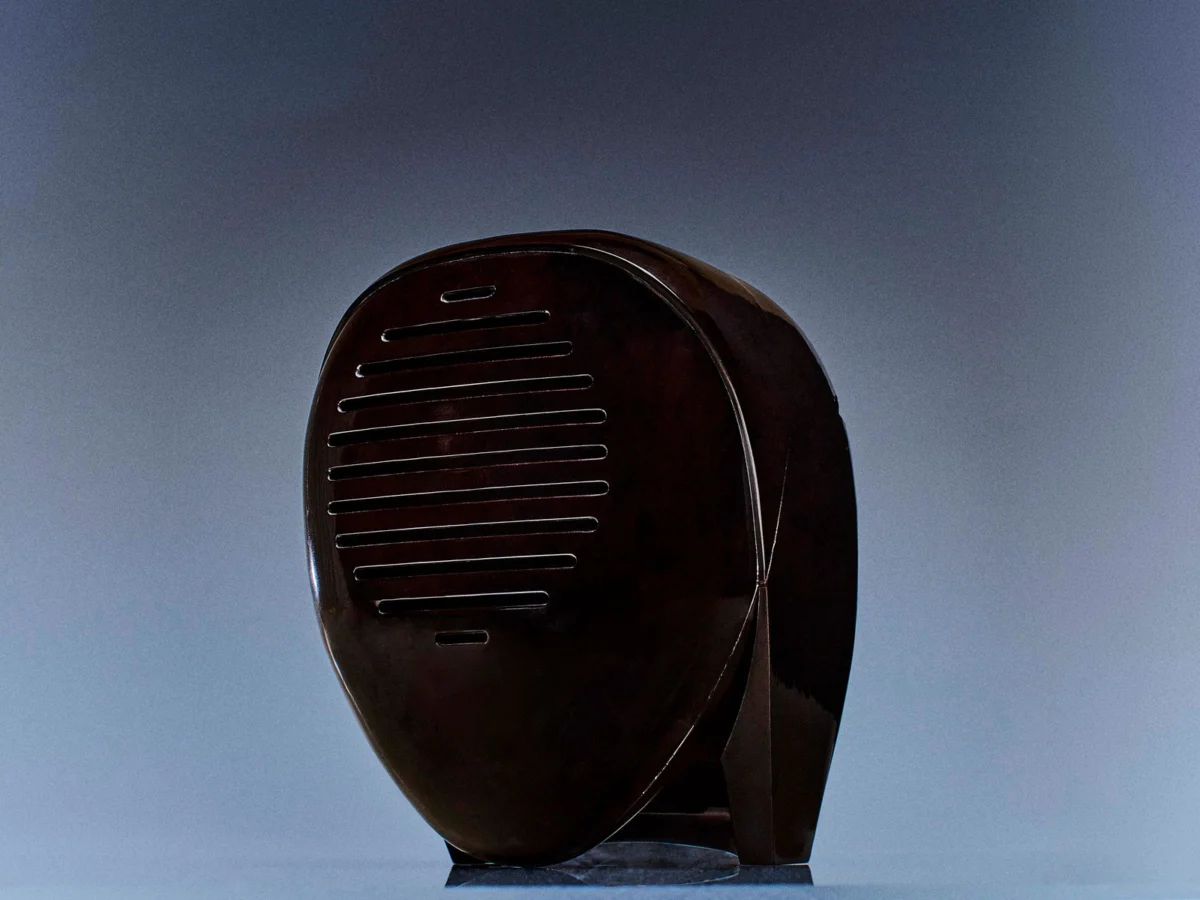
The recent acquisition of a 1930s Zenith Radio Nurse by a dedicated collector underscores the profound and enduring influence of Japanese-American artist and designer Isamu Noguchi, whose multidisciplinary practice continues to captivate and inspire. This early industrial commission by Noguchi, a pioneering figure who fluidly traversed the boundaries of sculpture, landscape design, and product innovation, represents a pivotal moment in his career and a testament to his unique philosophy of integrating art into daily life. The collector, whose extensive personal archive now boasts over a hundred titles on Noguchi and a dozen of his iconic Akari light sculptures, views the radio nurse not merely as an artifact but as a portal into the artist’s foundational thinking—a concept that quietly shapes perception rather than overtly declares itself.
Isamu Noguchi: A Visionary Beyond Categorization
Born in Los Angeles in 1904 to an American mother and a Japanese father, Isamu Noguchi’s life and work were profoundly shaped by his bicultural heritage and a constant exploration of identity and form. His education was as diverse as his artistic output, including studies with sculptor Gutzon Borglum, a Guggenheim Fellowship in Paris where he worked as an assistant to Constantin Brâncuși, and travels through Asia and Mexico. These experiences imbued his perspective with a global sensibility, allowing him to synthesize Eastern aesthetics with Western modernism, resulting in a practice that resists easy categorization.
Noguchi’s genius lay in his ability to dissolve the traditional barriers between fine art and functional design. For him, a sculpture was not merely an object for contemplation but could also be a playground, a garden, or a piece of furniture. His landscape designs, such as the Billy Rose Art Garden in Jerusalem or the UNESCO Gardens in Paris, transform public spaces into immersive sculptural experiences. His furniture designs, like the Noguchi Table for Herman Miller, are celebrated as icons of mid-century modernism, merging organic forms with practical utility. This holistic approach to design, where every creation, whether monumental or miniature, served to enrich human experience, became the hallmark of his distinguished career.
The Genesis of a Lifelong Fascination: The Noguchi Museum Experience
The intensity of Noguchi’s impact is perhaps best encapsulated by the visceral experience many first-time visitors recount at The Noguchi Museum in Long Island City, New York. Established and designed by Noguchi himself in 1985, the museum is a testament to his vision, purpose-built to house a comprehensive collection of his sculptures, models, and drawings. The institution is unique in that it offers an intimate glimpse into the artist’s creative process and philosophy, situated within the very environment he conceived. For many, including the aforementioned collector, a visit to the museum, even years ago in 2014, was a transformative event, described as a slowing of time and a fundamental shift in personal perception. This immediate, almost physiological response to Noguchi’s work is a common thread among those who encounter his carefully curated spaces and evocative forms. The museum serves not just as a repository of his art but as a living embodiment of his aesthetic principles, where indoor galleries seamlessly merge with an outdoor sculpture garden, reflecting his continuous dialogue between nature and artifice.
The Zenith Radio Nurse: Humanizing Early Home Technology
Among Noguchi’s early and most fascinating forays into industrial design is the Zenith Radio Nurse, a baby monitor created in the mid-1930s. This commission was significant, marking Noguchi’s first major venture into product design and a crucial period in his career as he navigated the challenges of establishing himself as an artist while simultaneously experimenting with commercial applications of his sculptural sensibilities.
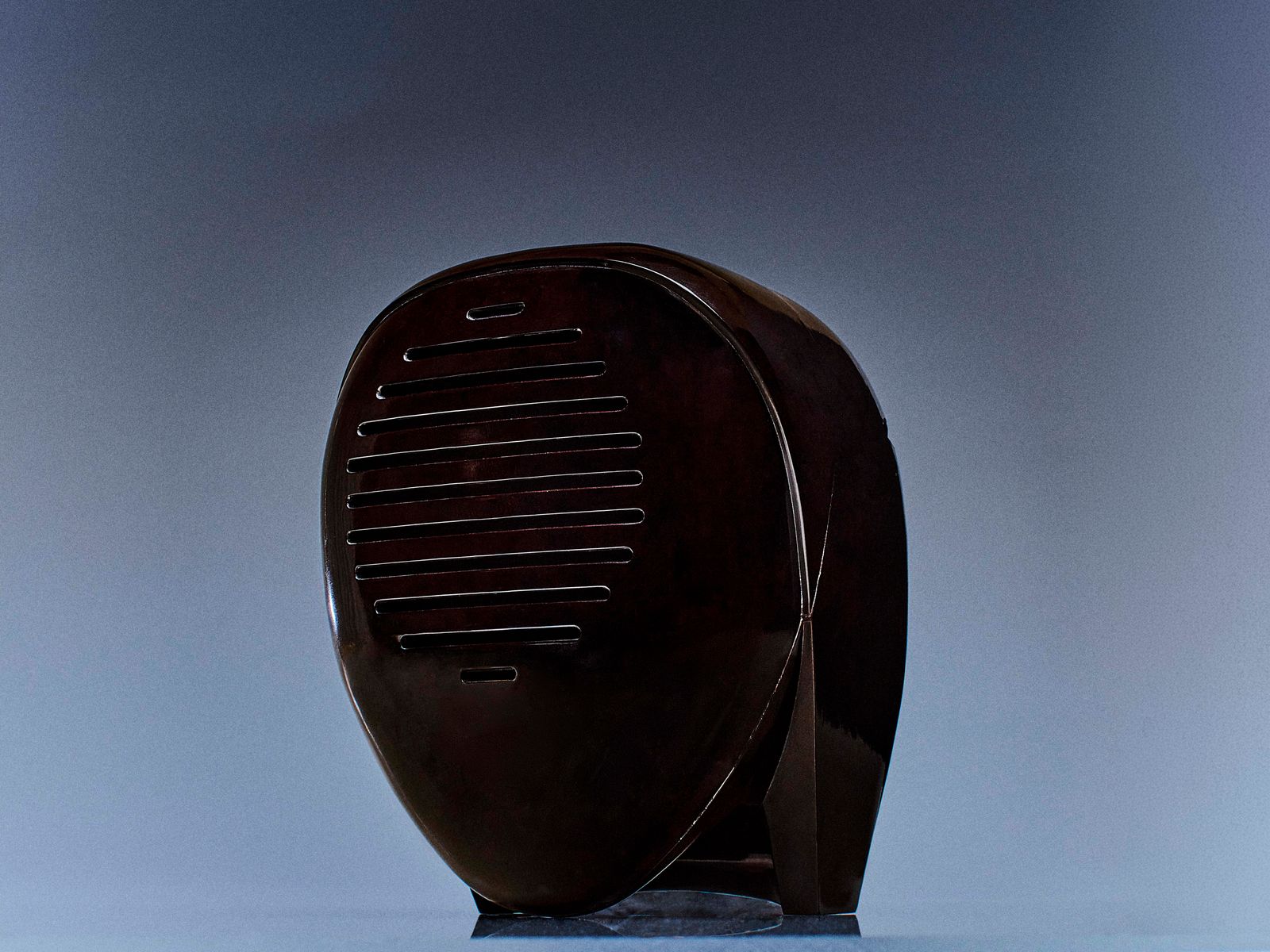
In the 1930s, the concept of a "baby monitor" was nascent. Radio technology was advancing rapidly, but household electronics often appeared intimidating or purely functional, lacking aesthetic integration. Zenith Radio Corporation sought to innovate beyond mere utility. Noguchi’s design solution for the Radio Nurse was revolutionary: he abstracted the complex technology into a smooth, organic, almost stone-like form crafted from Bakelite. Bakelite, a thermosetting plastic developed in the early 20th century, was a cutting-edge material at the time, prized for its durability, electrical insulation, and moldability, allowing for mass production of sophisticated shapes. By transforming the device into an unassuming, sculptural object, Noguchi aimed to demystify and humanize technology, making its presence in the domestic sphere less intrusive and more comforting.
The Radio Nurse consisted of two units: a "guardian" unit, placed near the baby, and a "sentinel" unit, which the parents would keep. Noguchi’s design for the guardian unit, in particular, with its soft curves and lack of overt technological markers, echoed the biomorphic forms that would later define much of his celebrated sculptural work. It was an early demonstration of his lifelong commitment to creating objects that possessed both aesthetic grace and inherent purpose, seamlessly bridging the gap between art and utility. Art historians frequently cite the Zenith Radio Nurse as a prime example of Noguchi’s early explorations into the interplay of form and function, foreshadowing his later collaborations with design firms like Knoll and Herman Miller. The success of this design highlighted his unique ability to imbue industrial products with an artistic soul, thereby elevating everyday objects to the realm of thoughtful design.
The Collector’s Journey: A Scholarly Pursuit of Noguchi’s Oeuvre
The collector’s deep dive into Noguchi’s world, evolving from a "visceral response" to an "intellectual journey," exemplifies the profound engagement Noguchi’s work often inspires. This meticulous approach involves "trolling AbeBooks and online auctions" for rare books, photographs, and ephemera related to the artist. Such dedicated curation is not merely about accumulation but about building a comprehensive understanding of an artist’s trajectory, influences, and impact. Amassing over one hundred titles, alongside historical photographs and various ephemera, provides an invaluable resource for scholarly inquiry and personal enlightenment.
The inclusion of a dozen Akari light sculptures in the collector’s home further illustrates this commitment. The Akari series, initiated by Noguchi in 1951, are perhaps his most widely recognized functional designs. Inspired by traditional Japanese paper lanterns (chochin) from Gifu, Noguchi transformed them into modern light sculptures using washi paper, bamboo ribbing, and a minimalist aesthetic. He coined the name "Akari," meaning "light" and "weightlessness" in Japanese, encapsulating their ethereal quality. Each Akari lamp, handmade by master craftsmen in Gifu, is a delicate balance of traditional craft and contemporary design, diffusing light softly to create an atmosphere of tranquility. Their presence in a home speaks to a deliberate choice to live surrounded by objects that embody Noguchi’s philosophy of harmony and beauty.
The acquisition of the Zenith Radio Nurse through an auction house is a significant addition to such a collection, not only due to its rarity but also because of its historical weight. It represents a tangible link to Noguchi’s foundational experiments in industrial design, offering insights into how his sculptural language began to inform his functional objects. It serves as a physical manifestation of his early career explorations, before he achieved the widespread recognition he later garnered through his iconic furniture and monumental sculptures.
Design as a "Glue for the In-Between Places of Culture"
The collector’s philosophical reflection on Noguchi’s work—that it acts as "a glue for the in-between places of culture"—resonates deeply with contemporary design theory. Noguchi’s practice often blurred the lines between disparate concepts: East and West, ancient and modern, art and utility, nature and technology, public and private. His creations exist in these interstitial spaces, quietly shaping perception rather than loudly asserting a singular message.
This conceptual openness, evident even in his early Radio Nurse design, speaks to Noguchi’s embracing of complexity and contradiction within himself and his art. He was a poly-vocal artist, allowing multiple interpretations and experiences to coexist within his work. This mirrors the evolving role of design in modern society, where it is increasingly recognized as a powerful, yet subtle, force that mediates our relationship with our environment, our tools, and each other. Noguchi’s approach suggests that design is not just about problem-solving but about creating possibilities, fostering reflection, and offering new ways of seeing and interacting with the world.
Noguchi’s "Inefficiency" in an Age of Speed
In an era dominated by relentless efficiency and speed, Noguchi’s work offers a compelling counter-narrative. His creative process was characterized by slowness, thoughtfulness, and methodical exploration. He did not rush to conclusions but allowed ideas to germinate, evolve, and manifest through careful craftsmanship and deep contemplation. This "inefficiency," as the collector terms it, is precisely what makes Noguchi’s work so valuable and relevant today.
His sculptures, gardens, and designs invite pause, encouraging viewers to slow down, observe, and engage on a deeper level. They are not merely objects to be consumed quickly but experiences to be savored. The serene atmosphere of the Noguchi Museum, the delicate glow of an Akari lamp, or the tactile quality of the Bakelite Radio Nurse—each invites a moment of reflection, a departure from the hurried pace of modern life. This deliberate approach to creation and experience stands in stark contrast to the rapid consumption cycles of contemporary culture, offering a much-needed respite and a reminder of the enduring value of craftsmanship, contemplation, and artistic integrity.
Broader Impact and Enduring Legacy
Isamu Noguchi’s impact on 20th-century art and design is immeasurable. He redefined the possibilities of sculpture, challenged conventional notions of functional design, and created a body of work that continues to inspire architects, designers, and artists worldwide. His ability to fuse diverse cultural influences with a modernist sensibility resulted in forms that are simultaneously universal and deeply personal.
The continued interest in his work, as evidenced by dedicated collectors and the ongoing scholarship surrounding his oeuvre, underscores his lasting relevance. Noguchi’s creations, whether monumental public sculptures or intimate household objects like the baby monitor, serve as enduring "portals"—each offering a unique lens through which to look, imagine, and dream. They remind us that art is not confined to galleries but can enrich every aspect of our lives, quietly shaping our perceptions and fostering a deeper connection to the world around us. In an increasingly complex and fast-paced world, Noguchi’s thoughtful, deliberate, and boundary-collapsing approach to design remains a powerful invitation to embrace a more nuanced and enriching way of living. His legacy is not just in the objects he created, but in the philosophy he espoused—a philosophy that continues to resonate with those who seek beauty, meaning, and quiet profundity in the "in-between places" of existence.