admin
The American craft brewing industry, which grew from a handful of pioneers in the 1980s to a massive sector featuring over 9,500 active breweries today, is currently navigating one of its most complex transitional periods. For decades, the path to success for a new brewery was often defined by a specific niche or a clear-cut vision of what the founders wanted to brew. However, as market saturation increases and consumer preferences shift with unprecedented speed, the reality for modern brewers has become a delicate balancing act between maintaining artistic integrity, chasing viral trends, and establishing the long-term reliability of "flagship" brands.
This evolution is exemplified by the divergent but ultimately parallel paths of Sunriver Brewing Company in Oregon and Humble Sea Brewing Co. in California. Both breweries have had to reinvent their identities and product portfolios to survive in an environment where the "new release" fatigue is real and the cost of shelf space is at an all-time high.
The Foundation of Locality and the Tourist Economy
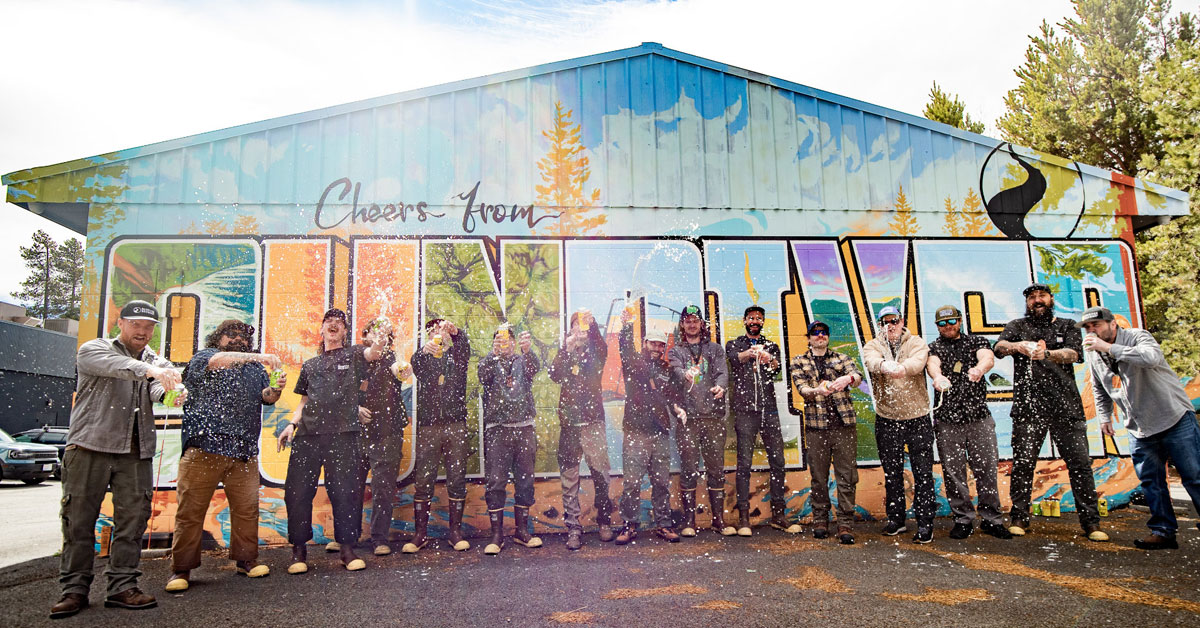
For Sunriver Brewing, which launched in 2014 in the resort community of Sunriver, Oregon, the initial business model was dictated almost entirely by geography and the nature of its immediate customer base. Head brewer Brett Thomas notes that the brewery’s original range was crafted to satisfy a transient population. Sunriver, a town of roughly 2,000 permanent residents, experiences a massive influx of visitors during peak seasons, with weekend populations often swelling to 15,000.
In 2014, the "haze craze" that would eventually dominate the industry was still in its infancy on the West Coast. Sunriver’s initial offerings were "pub-oriented" and "geared toward those people with very basic styles for craft beer," according to Thomas. This included a blonde ale, a pale ale, an amber ale, and a stout—styles that are often categorized as "entry-level" craft but provide a safe harbor for tourists who may not be seasoned enthusiasts.
However, as the brewery expanded and sought distribution through wholesalers, the limitations of a "safe" portfolio became apparent. To compete on the crowded shelves of Portland and Bend, Oregon, Sunriver had to pivot toward what Thomas describes as the "sweet but challenging spot between making cutting-edge beer and making beer that people know and love." This transition marked the brewery’s first major evolution: from a local tourist amenity to a regional competitor that needed to prove its technical prowess to a more discerning demographic.
The Pivot from Passion to Profitability: The Humble Sea Experience
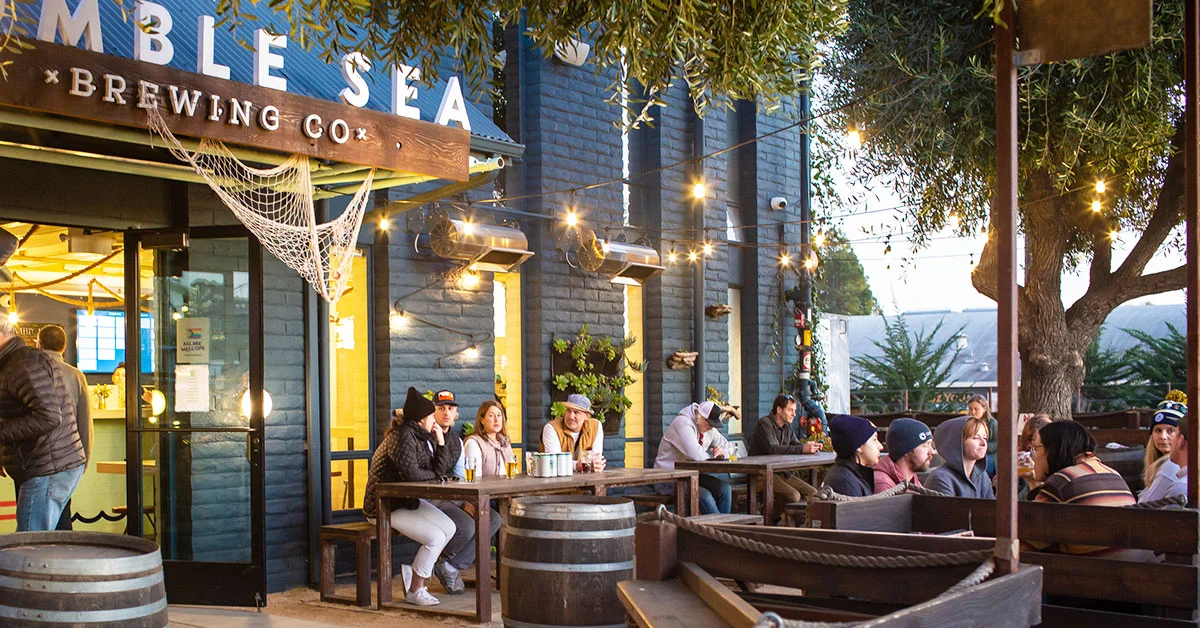
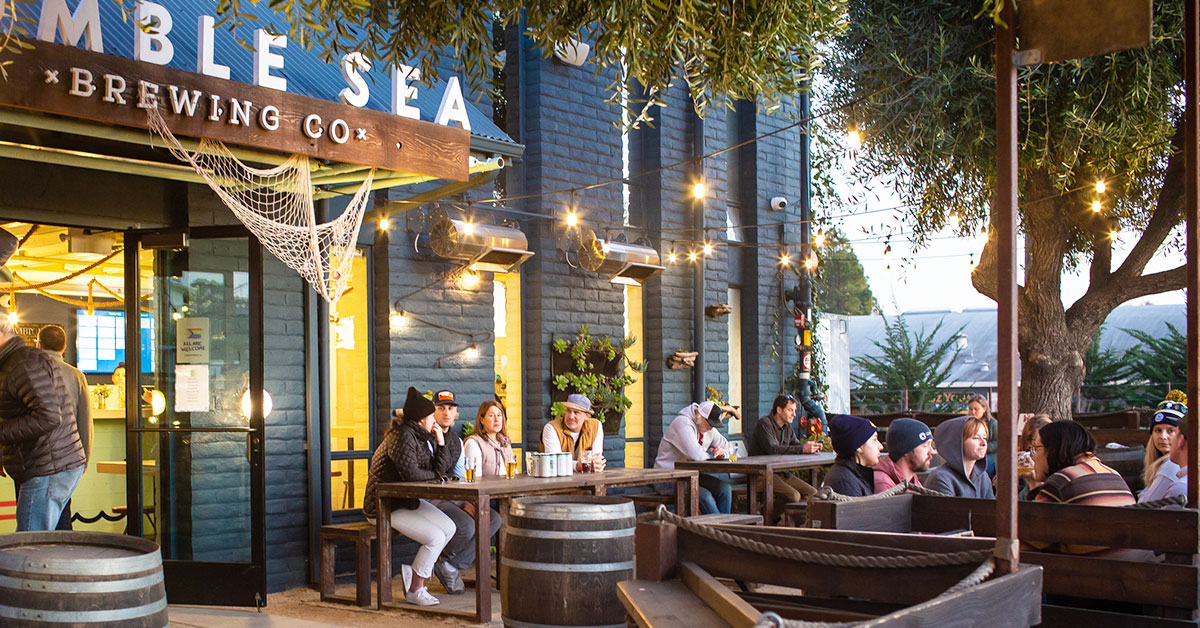
While Sunriver began with the "safe" styles, Humble Sea Brewing Co., founded in Santa Cruz, California, in 2015, had the opposite experience. Co-founder Frank Scott Krueger admits that the brewery originally intended to be a lager-first operation. In the mid-2010s, however, the California market was not yet ready for the "slow beer" movement of craft lagers and pilsners.
To ensure the financial viability of the business—or, as Krueger puts it, "to keep the lights on"—Humble Sea pivoted aggressively into hop-forward beers. They leaned into the "foggy IPA" (a regional term for the New England-style Hazy IPA), which was then becoming the dominant force in craft beer sales. This shift was highly successful, putting the brewery on the map and attracting a loyal following of "beer nerds" who traded cans and tracked every limited release.
At one point, nearly 95% of Humble Sea’s production was dedicated to the hoppy side of the spectrum. It was only after building a foundation of trust and brand recognition that the brewery was able to return to its original passion. Today, lagers make up roughly 30% of their production, a testament to the fact that consumer education and brand loyalty can eventually allow a brewery to dictate its own terms.
Statistical Context and the Rise of the "Beyond Beer" Category
The challenges faced by Sunriver and Humble Sea reflect broader trends reported by the Brewers Association (BA). According to BA data, while the total number of breweries continues to rise, the growth rate of craft beer volume has slowed significantly from the double-digit increases seen in the early 2010s. In 2023, craft beer production saw a slight decline of about 1%, highlighting the intense competition for "share of throat."
This competition has forced breweries to look beyond traditional beer styles. Sunriver’s decision to produce a craft seltzer is a prime example of this diversification. Despite Thomas’s initial reluctance—stating that two years ago he would have said they would "never" make a hard seltzer—the reality of the "beverage for everyone" philosophy has taken hold.
The "beyond beer" category, which includes hard seltzers, kombuchas, and canned cocktails, has become a necessary buffer for breweries. For Sunriver, this means offering a spectrum that ranges from their "Coolwater" American light lager for traditionalists to high-end barrel-aged and wild ale series for connoisseurs, while maintaining a massive presence in the IPA market, which still commands roughly half of the tap handles in many craft-centric regions.
Regional Demographics and the Micro-Market Strategy
One of the most sophisticated developments in the industry is the tailoring of beer menus to specific neighborhoods. Humble Sea has perfected this "micro-market" approach across its various taprooms. The brewery has observed distinct preferences based on location:
- Pacifica: Consumers favor West Coast IPAs, which are characterized by high bitterness and clarity.
- Santa Cruz: The local crowd leans heavily into pilsners and lagers, reflecting a more laid-back, "sessionable" drinking culture.
- Alameda: This location attracts a concentrated group of enthusiasts who seek out "big, bold stuff" like triple and quadruple IPAs.
This data-driven approach to taproom management allows breweries to maximize margins by selling directly to consumers (DTC), which avoids the middleman costs of wholesaling. However, as the industry learned during the 2020 pandemic, relying solely on taproom traffic is a high-risk strategy.
The Pandemic Legacy and the "Curb Economy"
The 2020 global health crisis served as a catalyst for structural change in the brewing industry. When taprooms were forced to close, breweries had to adopt what became known as the "curb economy," emphasizing e-commerce, local delivery, and curbside pickup. This period reinforced the importance of diverse revenue streams.
For Sunriver, the complexity of managing these channels—wholesalers, tavern owners, pub operators, and internal ownership—creates a constant state of "competing agendas." A wholesaler may want a high-volume, low-cost flagship, while a taproom manager wants a rotating list of experimental "hype" beers to keep regulars engaged. Navigating these conflicting priorities requires a level of business acumen that was less critical during the "gold rush" years of craft beer.
The Return of the Flagship: Nostalgia and Reliability
As the industry matures, there is a growing consensus among experts and brewers that "release fatigue" is setting in. Jeff Alworth, a prominent beer writer and author, has noted that the last decade was defined by novelty and discovery. Many breweries abandoned the concept of a "flagship" brand—a core beer that remains consistent year-round—in favor of a constant stream of new products.
However, the tide is turning. Consumers are increasingly looking for reliability. For Humble Sea, their "Socks & Sandals" Foggy IPA has emerged as an accidental flagship. While the founders didn’t initially see themselves as a "core beer" brewery, the market demanded it.
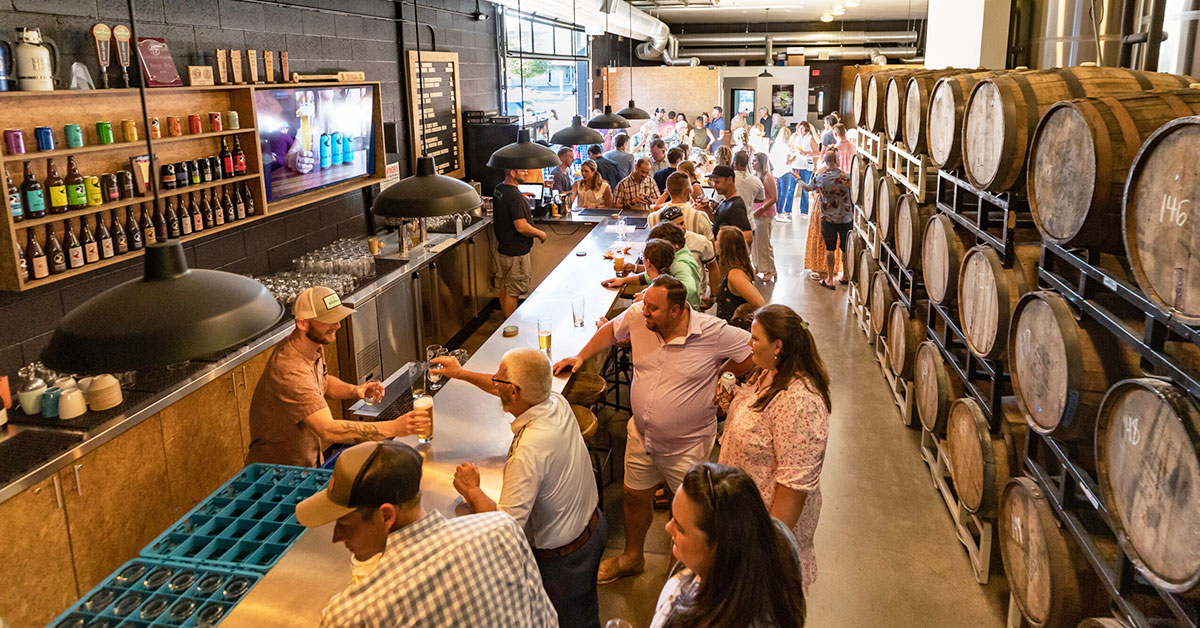
Similarly, Sunriver’s "Vicious Mosquito" IPA became a flagship through the power of distribution. Wholesalers, seeking brands they could build and sustain over time, latched onto the beer because it sold consistently. Thomas acknowledges that Vicious Mosquito is "the beer that built our brand," noting that many customers may not know the rest of the brewery’s portfolio but will remain loyal to that single product.
Analysis of Broader Implications
The shift back toward flagships and the diversification into non-beer beverages suggest that the craft brewing industry is entering its "professionalization" phase. The era of "brew it and they will come" has been replaced by a period of rigorous market analysis, supply chain management, and brand positioning.
For small and independent breweries, the challenge remains: how to stay "craft" while operating with the efficiency of a larger corporation. The success of breweries like Sunriver and Humble Sea suggests that the answer lies in flexibility. By respecting the "beer nerds" who provide cultural capital while catering to the "casual drinkers" who provide volume, breweries can build a sustainable middle ground.
In the coming years, the industry is likely to see further consolidation and a focus on "premiumization." As drinkers consume less alcohol by volume, they are often willing to pay more for high-quality, reliable products. This puts the onus on brewers to ensure that whether they are producing a basic blonde ale or a complex barrel-aged stout, the quality remains beyond reproach.
Ultimately, the stories of these breweries indicate that the "clear path" is a myth. The modern brewery must be a shapeshifter—equal parts community hub, experimental laboratory, and disciplined production facility—all while keeping the "lights on" in an increasingly crowded and volatile market.