admin
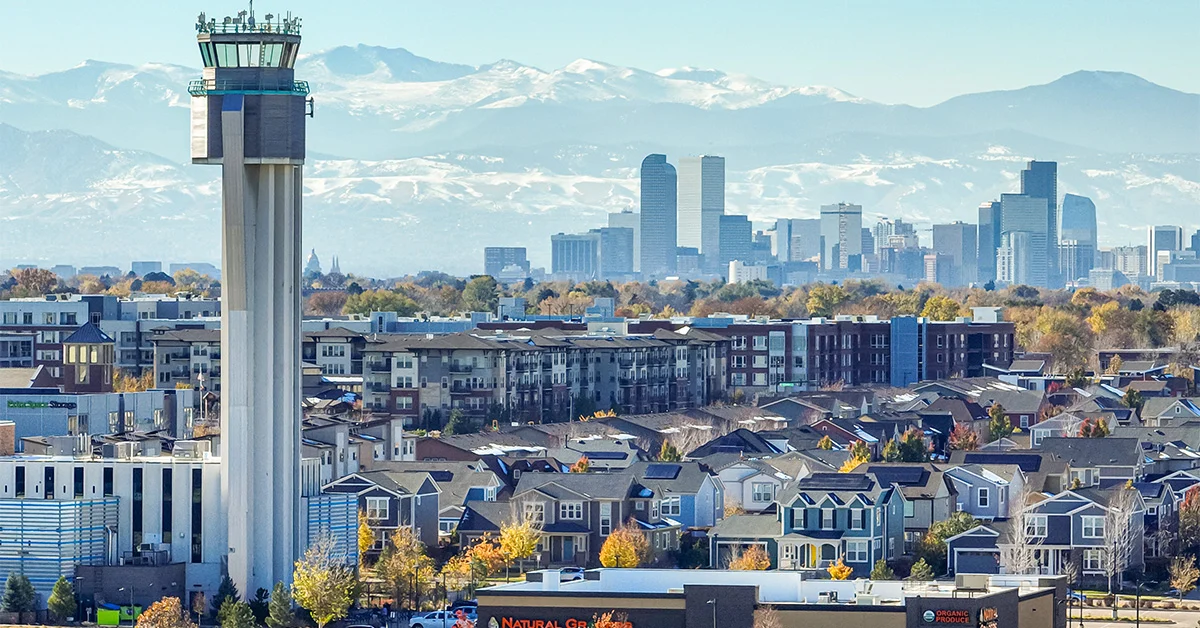
The logistical complexity of craft brewing reached a literal ceiling in late August 2025 as adverse weather conditions over the Rocky Mountains forced the cancellation of one of the industry’s most ambitious annual traditions. Eric Serani, co-founder and president of Denver-based FlyteCo Tower, informed stakeholders and flight participants that the clouds would not break, effectively grounding the brewery’s sixth annual fresh hop flight. For the first time since the brewery’s inception in 2019, the "Hop Is My Co-Pilot" Fresh Hop IPA will not be produced using hops hand-delivered via private aircraft, highlighting the razor-thin margins of error inherent in seasonal brewing and general aviation.
The mission, which typically occurs in mid-to-late August, involves a high-altitude flight from Erie Municipal Airport to Billy Goat Hop Farm in Montrose, Colorado. The goal is to harvest fresh hops and return them to the brewhouse in Denver within hours, ensuring the volatile oils and aromatics of the plant are preserved. However, the 2025 harvest season presented a series of meteorological hurdles that saw the flight postponed from Monday to Wednesday before being canceled entirely. This development underscores the reality that fresh hop brewing is less a standard production process and more a calculated gamble against the elements.
The Technical Challenges of Fresh Hop Logistics
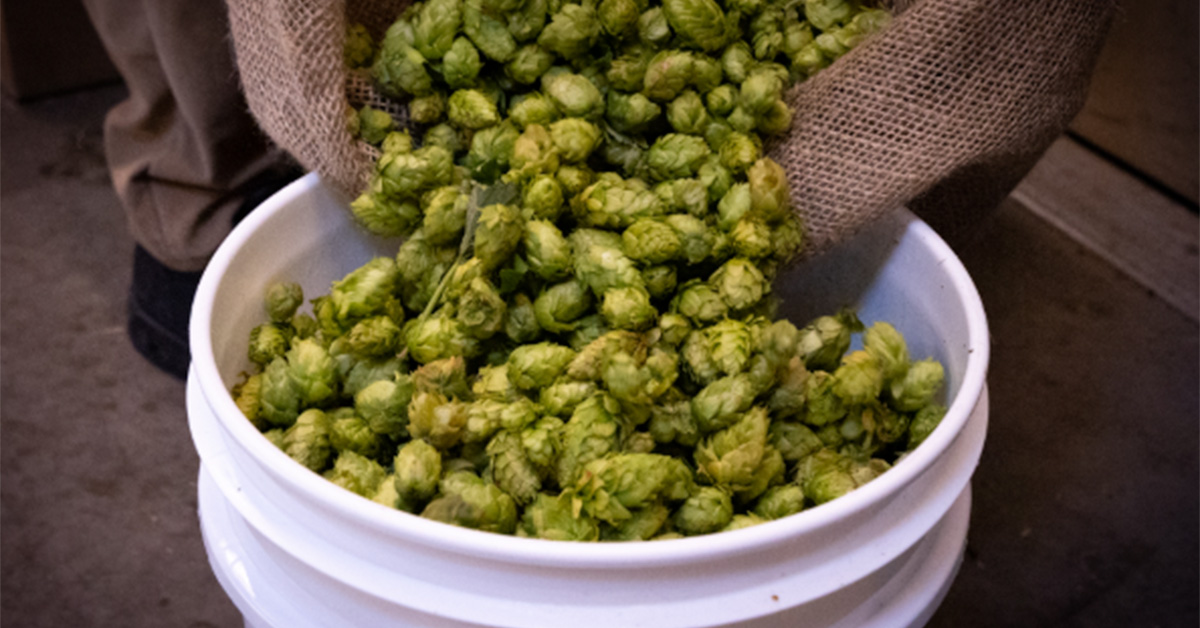
Fresh hop beers, often referred to as "wet hop" beers, represent a unique subset of the craft beer industry. Unlike standard beers that utilize dried, pelletized hops, fresh hop ales require the use of whole cones taken directly from the vine. Once harvested, hops begin to degrade almost immediately due to oxidation and heat. To capture the "green," grassy, and floral profiles unique to the harvest, brewers must ideally introduce the hops to the boil kettle or fermentation tank within 24 hours of picking.
For FlyteCo, this process involves a 175-nautical-mile flight over the Continental Divide. Serani utilizes a four-seater Van’s Aircraft RV-10, a kit-built single-engine plane known for its efficiency and capability at high altitudes. The flight path requires ascending to between 11,000 and 13,000 feet to clear the rugged terrain of the Rockies. While the RV-10 can complete the trip in roughly 90 minutes, the operation is entirely dependent on Visual Flight Rules (VFR) and clear weather windows.
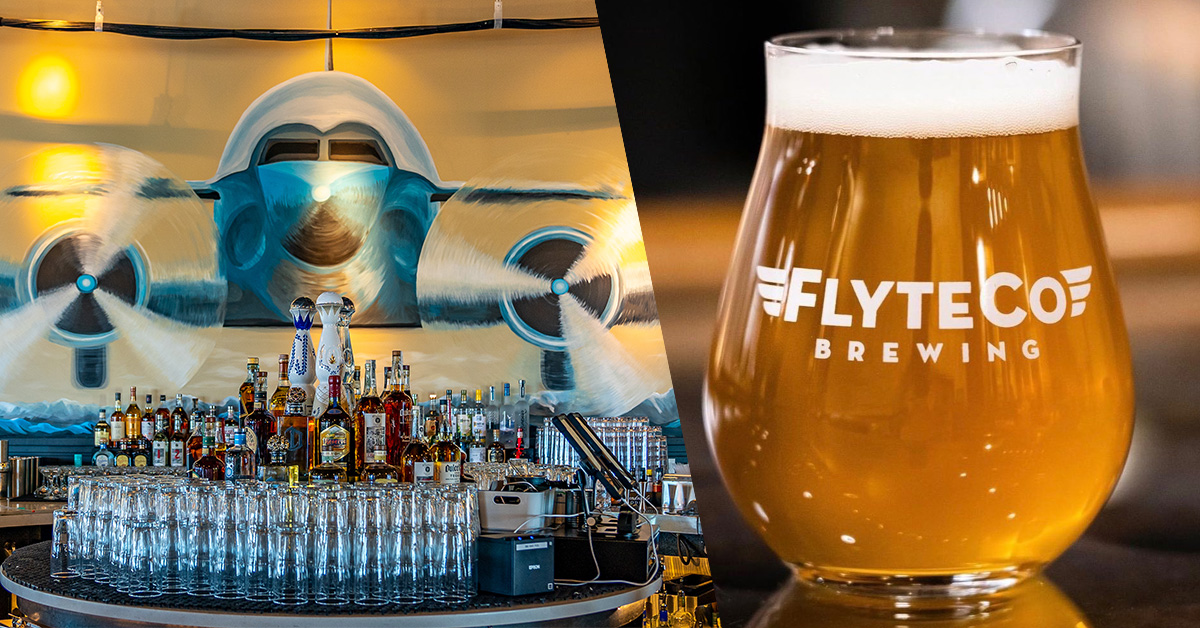
The 2025 cancellation was not a matter of pilot skill but of timing. "The harvest, they don’t know when that’s going to be until a few weeks ahead of time," Serani explained. "The weather for the flight, we don’t know for sure until the day of." When the weather pushed the flight past the farm’s harvest window, the team was forced to concede. In previous years, the brewery successfully transported between 80 and 100 pounds of hops—sacks of Chinook, Cascade, and Nugget—stuffed into every available space in the cockpit. Without the flight, the brewery must rely on overnight shipping, a more reliable but less experiential method that lacks the "lightning in a bottle" quality the brand has cultivated.
A Legacy Rooted in Colorado Aviation History
The intersection of brewing and aviation at FlyteCo is not merely a marketing gimmick; it is a reflection of the founders’ personal histories and the broader history of Denver. Eric Serani’s passion for flight began at age three when his grandfather took him up in a 1946 kit plane. By 16, Serani had completed his first solo flight, and by 17, he was a licensed pilot. Following his grandfather’s passing, the Experimental Aircraft Association (EAA) chapter at Erie Municipal Airport provided Serani with scholarships to continue his training, a debt of community support he now seeks to repay through the brewery’s operations.
This personal history aligns with Denver’s status as a pivotal hub in American aviation. Long before Denver International Airport (DIA) became the third busiest airport in the United States and the sixth busiest in the world, the city was home to Stapleton International Airport. Opened in 1929, Stapleton served as the primary gateway to the Rocky Mountains for 66 years. It was here that major carriers like United Airlines established significant hubs, and where aviation pioneers proved that high-altitude flight was not only possible but commercially viable.
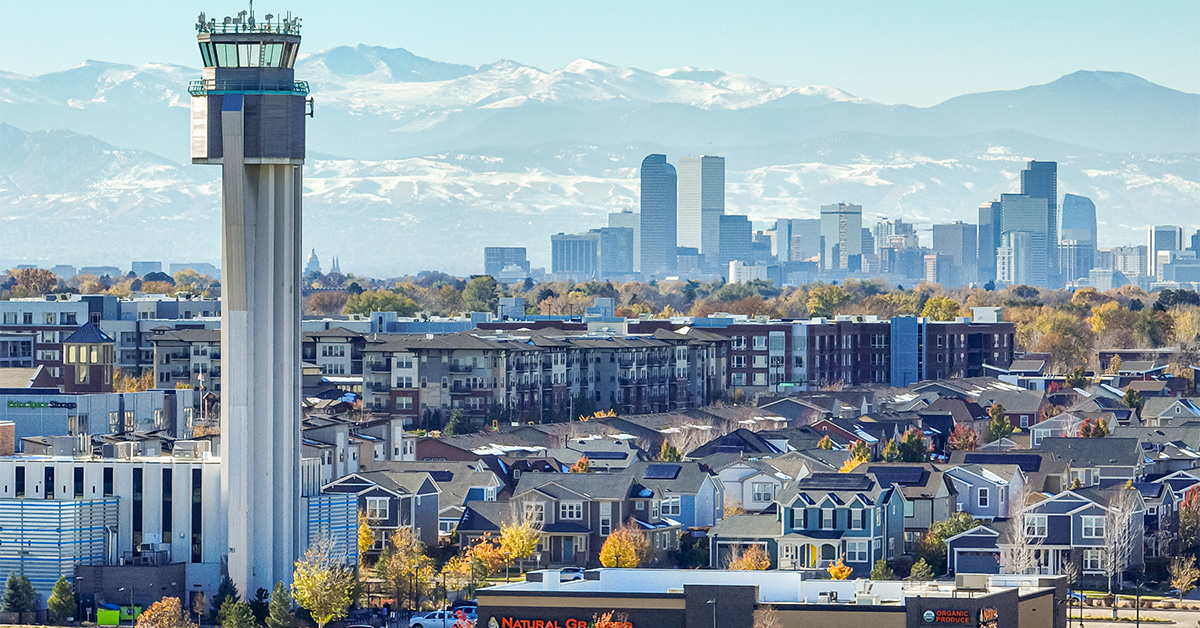
The region also hosted Stanley Aviation, established by Bob Stanley in 1954. Located just minutes from the current FlyteCo Tower, the facility was a world leader in the production of aircraft ejection seats. FlyteCo Tower itself is housed in the repurposed air traffic control tower of the former Stapleton Airport, a structure that sat vacant for decades after the airport closed in 1995.
Strategic Evolution and the "Eatertainment" Model
The business trajectory of FlyteCo reflects broader trends within the craft beer industry, where breweries are increasingly moving toward "experiential" or "eatertainment" models to remain competitive. FlyteCo originally opened on Denver’s Tennyson Street in 2019 with a 15-barrel system. However, the opportunity to move into the Stapleton control tower in 2022 allowed the brand to scale its vision.
In early 2025, FlyteCo closed its original Tennyson Street location to consolidate operations at the Tower. To maintain its production volume, the brewery entered into a strategic partnership with Copper Kettle Brewing Company, which now handles the brewing of FlyteCo’s flagship beers. This allows the 2.5-barrel system at the Tower to function as a laboratory for experimental batches, including the small-run fresh hop IPA.
The Tower has since been transformed into a massive entertainment complex. Beyond the brewery and bar, the facility features arcade games, bowling alleys, billiards, mini-golf, and axe throwing. This diversification is a response to a shifting market where consumers seek more than just a taproom experience. According to Serani, this approachability and the focus on community are what allow a modern brewery to thrive amidst rising costs and changing consumer habits.
Philanthropy and Industry Impact
A core component of FlyteCo’s mission is the reinvestment of profits into the aviation community. The brewery pledges 10% of its profits to aviation-fueled initiatives. Much of this funding supports the EAA’s Young Eagles program, which provides children between the ages of eight and 17 with their first flight experiences.
The program is designed to spark interest in aerospace careers and provide a pathway for the next generation of pilots. For Serani, who was once a Young Eagle himself, the mission is cyclical. "The entire FlyteCo brand is about aviation, about inspiring people to push their limits and do something they don’t think they can do," he stated. Even when a specific project like the fresh hop flight is grounded, the underlying goal remains the promotion of aviation literacy and community engagement.
Analysis of Implications for the 2025 Harvest Season
The grounding of the 2025 flight serves as a case study in the risks associated with "just-in-time" agricultural logistics. For the craft beer industry, fresh hop season is a period of high reward but high operational stress. While the fuel costs for such a flight often exceed the market value of the hops themselves, the value lies in the brand storytelling and the unique chemical profile of the beer.
The loss of the 2025 "Hop Is My Co-Pilot" IPA—at least in its traditional airborne form—highlights the vulnerability of small-scale brewers to climate and weather volatility. As weather patterns become increasingly unpredictable, the "miracle" of the fresh hop flight may become harder to achieve. However, the brewery’s resilience is bolstered by its diversified revenue streams at the Tower and its contract brewing partnership, ensuring that a single canceled flight does not threaten the overall stability of the business.
Conclusion: Looking Toward the 2026 Horizon
While the 2025 fresh hop flight was a "post-mortem" of sorts for the pilots and passengers who gathered at the Erie hangar, the spirit of the endeavor persists. The brewery continues to function as a living museum, with in-house historian Sean Henson leading tours of the 11-story tower. These tours detail the contributions of figures like Marlon Green, who broke racial barriers in commercial aviation, and Emily Howell Warner, the first woman hired by a scheduled U.S. airline.
The failure to launch in 2025 has not deterred the FlyteCo team. Instead, it has reinforced the reverence they hold for the flight path and the harvest. As the brewery continues to serve its flagship Azacca Pale Ale and other styles to a steady crowd of enthusiasts and families, the focus remains on the 2026 season. For Serani and his crew, the pursuit of the "miracle" flight is an ongoing commitment to the aviation ethos that defines their brand: a cycle of daring, occasional setback, and the eventual return to the skies.