admin
admin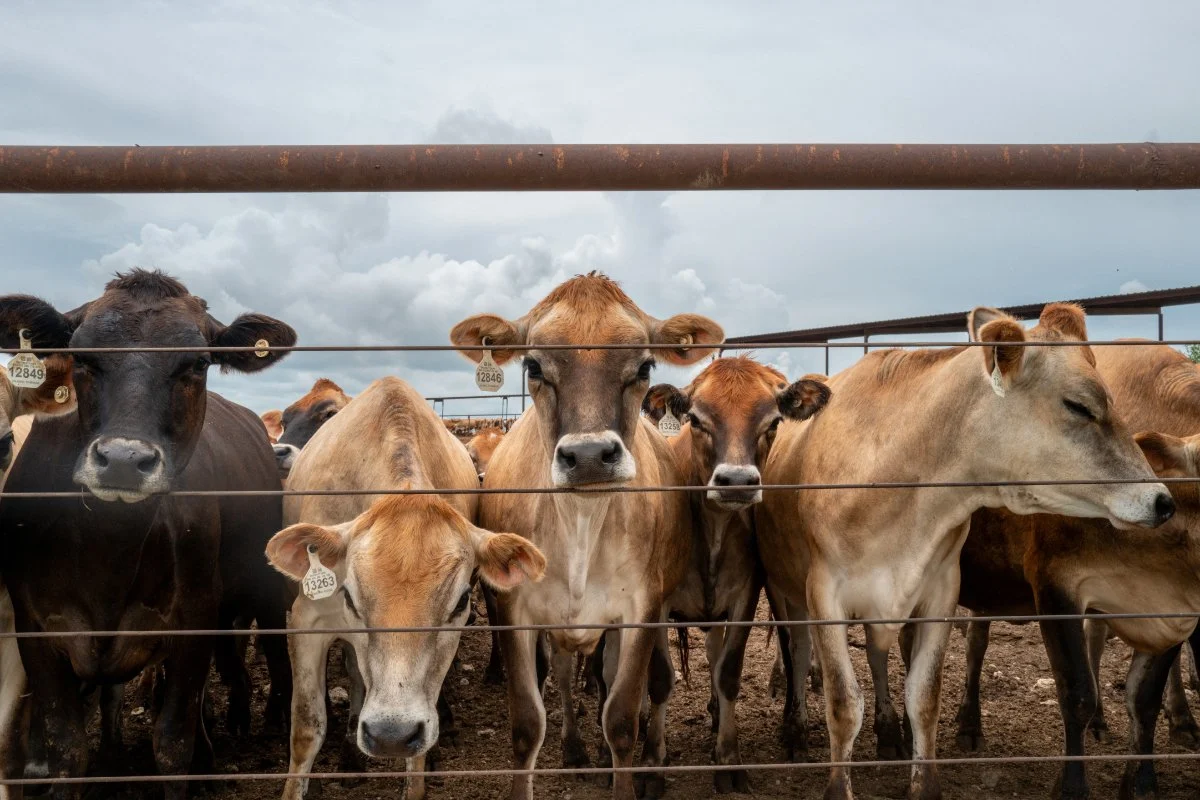
Navigating the bustling aisles of a modern grocery store, consumers often encounter fully stocked beef sections displaying a wide array of steaks, roasts, and ground beef. Yet, despite this apparent abundance, prices have climbed to historic highs, prompting widespread concern and debate. While a common narrative points to a national cattle shortage as the primary culprit, industry experts and ranchers offer a more nuanced perspective, arguing that the issue is far more intricate, rooted deeply in the opaque layers of the supply chain rather than simply a lack of livestock. This critical distinction, often overlooked by policymakers and the public alike, suggests that addressing affordability requires a deeper probe into the economics between the ranch and the retail shelf.
The Paradox of Plenty: Fewer Cattle, More Beef
The assertion that the United States faces a cattle shortage is frequently cited. Indeed, data from the U.S. Department of Agriculture (USDA) confirms that the nation’s beef cow herd has dwindled to its lowest level since 1961, a statistic that, on its surface, seems to correlate directly with escalating prices. However, a closer examination reveals a remarkable paradox: despite the significant reduction in cattle numbers, U.S. beef production has not only held steady but has actually increased. Since 1970, for instance, U.S. beef production has expanded by approximately 25 percent, even as the cattle population used to achieve this production has declined by around 6 percent.
This impressive feat of efficiency is largely attributable to decades of advancements in agricultural science and ranching practices. Improvements in genetics have led to cattle breeds that grow faster and yield more meat per animal. Enhanced nutrition, including optimized feed formulations and grazing management, further boosts growth rates and muscle development. Sophisticated management techniques, ranging from animal health protocols to sustainable land use, ensure that each animal reaches its full production potential. This technological and methodological evolution means that today’s ranchers are simply more adept at producing more beef from fewer cattle, effectively decoupling herd size from total beef output. Therefore, the narrative of a simple supply-and-demand imbalance at the ranch level fails to capture the full picture of the modern beef industry.
Driving Forces Behind the Shrinking Herd
While the reduced cattle herd doesn’t equate to a beef shortage, understanding the factors contributing to its decline is crucial for a holistic view. Several interconnected challenges have prompted ranchers to cull their herds or slow expansion.
Environmental Stressors: Prolonged and severe drought conditions across key cattle-producing regions, particularly in the Western and Southern Plains, have been a primary driver. Drought diminishes grazing lands, reduces forage availability, and increases the cost of hay and other supplemental feeds. Ranchers, faced with dwindling natural resources and soaring input costs, are often compelled to reduce their herd sizes to maintain economic viability. The USDA’s Economic Research Service (ERS) has frequently highlighted the devastating impact of drought on livestock producers, detailing how such climatic events force difficult decisions regarding herd management.
Rising Input Costs: Beyond feed, ranchers contend with a myriad of escalating operational expenses. Fuel costs for machinery and transportation, fertilizer prices for pastures, and veterinary care have all seen significant increases. Labor shortages and rising wages in rural areas also add to the financial strain. These cumulative costs squeeze profit margins, making it harder for ranchers to invest in herd expansion, especially when market prices for live cattle do not always reflect these increased expenditures.
Demographic Shifts: The ranching community itself is undergoing a significant demographic transformation. The average age of U.S. farmers and ranchers has steadily climbed, reflecting challenges in attracting younger generations to an often arduous and capital-intensive profession. Succession planning can be difficult, and many established ranchers nearing retirement opt to downsize or exit the industry altogether, rather than passing on operations that face uncertain economic prospects. This aging demographic contributes to a natural contraction in herd numbers over time.
Unyielding Consumer Demand Defies High Prices
Despite the persistent narrative of high prices, consumer demand for beef has remained remarkably robust. Far from seeing empty shelves or a significant drop-off in purchases, retail beef sales have demonstrated surprising resilience. Over specific periods, such as the 52 weeks ending in July 2026 (as referenced in internal market research), retail beef sales reportedly increased not only in dollar value but also in volume, with poundage rising by over 2 percent. This indicates that consumers, even when faced with historically elevated prices, continue to prioritize beef as a preferred protein source.
This sustained demand suggests a certain inelasticity in consumer behavior, where for many households, beef remains a staple, whether for everyday meals or special occasions. This consistent purchasing power further complicates the simplistic "shortage" argument. If there were a true scarcity of beef at the retail level, coupled with high prices, one would expect to see a more pronounced decline in sales volume as consumers shifted to more affordable protein alternatives. The fact that volume sales continue to rise, even modestly, underscores the strength of consumer preference and highlights that the problem is not a lack of product on the shelves but rather the price point at which that product is offered.
The Opaque Supply Chain: From Ranch to Retail Shelf
The core of the issue, as articulated by many in the ranching community, lies in the journey beef takes from the pasture to the consumer’s plate. Cattle producers are merely the initial link in a complex and multi-layered supply chain that includes feedlots, meat processors, distributors, and retailers. Each stage adds significant costs, markups, and logistical challenges, creating a substantial disconnect between the price a rancher receives for a live animal and the price a consumer pays for a cut of meat.
The Price Spread: The "meat price spread" – the difference between the live cattle price and the retail beef price – has been a subject of intense scrutiny. While cattle prices can fluctuate based on supply and demand for live animals, these variations do not always translate proportionally to retail prices. For instance, a decline in live cattle prices might not result in an equivalent reduction at the grocery store, as costs incurred at subsequent stages of the supply chain—such as processing, transportation, labor, and retail overhead—tend to be more rigid or subject to their own inflationary pressures. Conversely, when live cattle prices rise, retail prices often follow suit more readily, contributing to the perception that ranchers are solely responsible for high costs.
Value-Added Processes: Meat processing involves significant investment in infrastructure, technology, and labor. Butchering, packaging, quality control, and food safety measures all contribute to the final cost. Transportation from processing plants to distribution centers and then to individual grocery stores adds further expense, impacted by fuel prices and logistical efficiencies. Finally, retailers incorporate their own operational costs, including store overhead, marketing, labor, and profit margins, before the product reaches the consumer. Understanding these layers of cost accretion is essential to grasping why a reduction in the value of cattle entering the chain does not automatically guarantee a commensurate reduction at the checkout counter.
Market Concentration in Meatpacking: A Dominant Factor
A critical element influencing the price dynamics within the beef supply chain is the high degree of concentration within the meatpacking industry. Over the past few decades, the sector has seen significant consolidation, leading to a situation where a handful of large companies dominate beef processing. The "Big Four" meatpackers – Tyson Foods, JBS USA, Cargill, and National Beef Packing Company – collectively control a substantial majority of the beef processing capacity in the U.S.
This market concentration raises concerns about competition and fairness. Ranchers often have limited options for selling their cattle, giving the dominant packers significant leverage in setting live cattle prices. This can depress the prices paid to producers, even as wholesale and retail beef prices remain high. The widening gap between what ranchers receive and what consumers pay has fueled accusations of anticompetitive practices and calls for greater government oversight.
The U.S. Department of Justice (DOJ) has, in fact, expanded investigations into potential price manipulation and antitrust violations within the beef industry, a move that underscores the seriousness of these concerns. These investigations aim to determine whether market power is being unfairly exercised, contributing to high consumer prices and low producer payments. For many ranchers, this market structure is the primary obstacle to fair compensation and a key driver of the price discrepancy observed at the grocery store.
Policy Interventions and Their Limitations
Policymakers, often under pressure to address high food costs, frequently resort to measures aimed at increasing supply. A notable example from a previous administration (likely August 2020) involved a proclamation to temporarily increase the amount of lean beef trimmings eligible for import into the U.S. at a lower tariff rate. The stated goal was to boost supply, particularly for ground beef, and thereby provide relief to consumers facing elevated prices. This policy aimed to increase imports by 300,000 metric tons, primarily targeting the ground beef sector.
However, critics, including many ranchers, argue that such interventions often misdiagnose the problem and may not achieve their intended effect. While increasing the availability of imported lean trimmings might lower the input costs for processors, there is no guarantee that these savings will be passed on to consumers. The intricate cost structure of the supply chain means that processors and retailers have their own expenses and profit margins to consider. If the market allows them to maintain current retail prices due to strong demand, they may have little incentive to lower them, effectively absorbing the reduced input cost as increased profit.
Furthermore, increasing the supply of imported beef products can have unintended consequences for domestic cattle producers. An influx of cheaper imported beef, while potentially lowering costs for packers, can depress the market value of domestically raised cattle. This dynamic exacerbates the financial pressures on U.S. ranchers, who are already grappling with high input costs and market concentration, without necessarily translating into tangible savings for consumers. This highlights the critical need for policymakers to look beyond simple supply-side solutions and consider the complex interplay of market forces throughout the entire beef value chain.
Official Responses and Calls for Transparency
The growing concern over beef prices and market dynamics has prompted various official responses and calls for greater transparency. The USDA regularly monitors meat price spreads and publishes data on wholesale and retail prices, though critics argue that these reports do not always fully illuminate the profit distribution across the supply chain.
Advocacy groups representing cattle producers, such as the National Cattlemen’s Beef Association (NCBA) and R-CALF USA, have been vocal in demanding fair and competitive markets. They frequently call for investigations into packer practices, increased transparency in cattle pricing, and stricter enforcement of antitrust laws. These organizations argue that a healthy and competitive market is essential for the long-term viability of the U.S. cattle industry and for ensuring fair prices for both producers and consumers.
Consumer advocacy groups have also weighed in, expressing concern over food inflation and the impact of high beef prices on household budgets. They often push for government action to investigate potential price gouging and ensure that any cost savings at the wholesale level are indeed passed on to consumers. The call for the administration to monitor whether lower input prices for imported trimmings translate into lower retail ground-beef prices, and to publicly report those findings, underscores this demand for accountability. Such transparency would be crucial in assessing the true impact and effectiveness of policy interventions.
The "New Normal" for Beef Prices?
The ongoing challenges within the beef industry raise a fundamental question: are consumers simply facing a "new normal" where beef is inherently more expensive? The confluence of factors—including persistent drought, rising input costs, an aging rancher demographic, sustained consumer demand, and the structural complexities of a concentrated supply chain—suggests that the era of relatively inexpensive beef may be behind us.
For ranchers, this "new normal" presents a precarious balance. While retail prices are high, their share of the consumer dollar for beef has often remained disproportionately low, forcing them to operate on thin margins. The long-term sustainability of the U.S. cattle industry depends on equitable returns for producers, allowing them to invest in herd health, environmental stewardship, and the adoption of new technologies.
For consumers, adapting to higher beef prices might involve dietary adjustments, exploring alternative proteins, or simply allocating a larger portion of their food budget to beef. The market may eventually see some moderation as supply chain efficiencies improve or if demand softens due to sustained high prices, but a return to historical lows appears unlikely in the near future. The focus, therefore, must shift from simplistic explanations to a comprehensive understanding of the intricate economic ecosystem that brings beef from the ranch to the table.
In conclusion, the current landscape of high beef prices is not a simple tale of too few cattle. It is a complex narrative woven from threads of agricultural innovation, environmental challenges, demographic shifts, powerful market forces, and the intricate, often opaque, dynamics of a multi-stage supply chain. Policymakers seeking to make beef more affordable must delve deeper than superficial herd counts, turning their attention instead to the mechanisms that determine prices between the ranch gate and the grocery store checkout. Only through such a comprehensive understanding can effective, equitable, and sustainable solutions be crafted for the benefit of both producers and consumers.