admin
admin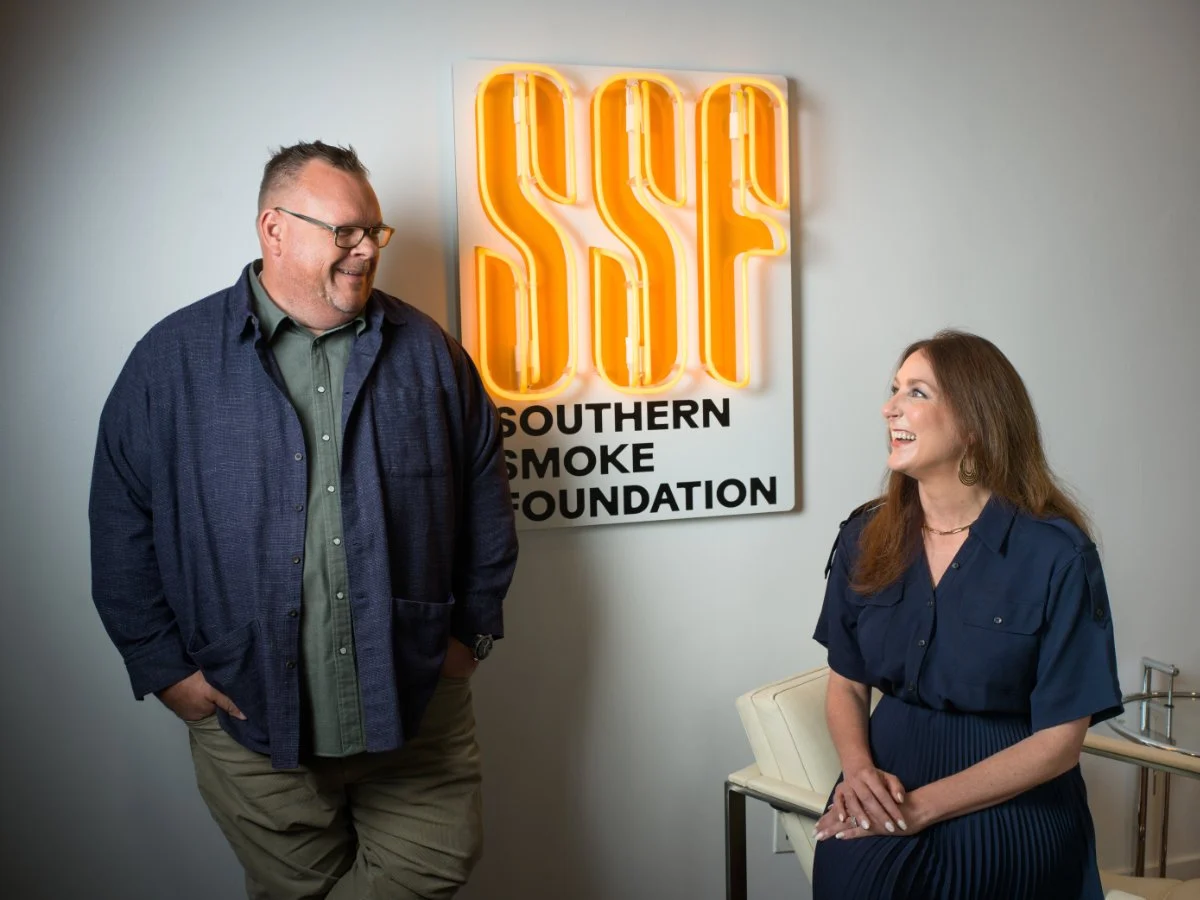
The immediate needs of America’s food system workers, often overlooked in broader disaster relief and economic recovery efforts, are being directly addressed by the Southern Smoke Foundation, a non-profit organization that has rapidly evolved to provide critical emergency aid and mental health support. Executive Director and co-founder Lindsey Brown articulated the urgency of this mission, stating, "We did our due diligence to figure out where this money was going, and what we found is that it’s all going to infrastructure and probably not going to be spent for another two or three years. But the dishwashers that were literally standing on their roofs and had to be rescued from floods, they need it now." This stark assessment underscores the chasm between systemic, long-term recovery plans and the immediate, personal crises faced by the frontline individuals who sustain the nation’s culinary backbone.
The Genesis of a Lifeline: From Personal Tragedy to Industry-Wide Support
The Southern Smoke Foundation was born from a deeply personal experience in 2015. James Beard Award-winning Chef Chris Shepherd, renowned for his culinary innovations and role as Food & Wine’s "Editor in Chef," partnered with restaurant public relations professional Lindsey Brown to establish the organization. Initially, their focus was on raising funds for multiple sclerosis research and support after a close friend received a diagnosis of the debilitating disease. However, the devastating impact of Hurricane Harvey in August 2017 catalyzed a pivotal shift in the foundation’s mission, redirecting its efforts towards emergency relief for food and beverage workers caught in the storm’s destructive path. This immediate, grassroots response revealed a profound, unmet need within the industry – a workforce characterized by financial precarity and a severe lack of a social safety net.
Hurricane Harvey, a Category 4 storm, made landfall in Texas, unleashing catastrophic flooding that submerged vast swathes of Houston and surrounding areas. The economic toll was immense, estimated at over $125 billion, making it one of the costliest natural disasters in U.S. history. While federal and state aid often prioritizes large-scale infrastructure repair and business recovery, the individual workers – particularly those in low-wage sectors like food service – found themselves in immediate peril, often without savings, insurance, or accessible government assistance. Many lived paycheck to paycheck, their homes and livelihoods destroyed, with no immediate recourse. It was this gaping void that Southern Smoke stepped in to fill, recognizing that federal funds, while essential for long-term rebuilding, offered little solace to a dishwasher stranded on a rooftop.
A Fragile Existence: The Economic Realities of Food System Workers
Chef Shepherd’s own career trajectory illuminates the inherent vulnerabilities within the food service industry. Recalling his early days, he stated, "I was a broke-ass cook. My first job was as a dishwasher in Tulsa, Oklahoma, at a sushi bar, making $4.25 an hour, trying to figure out how to make that work." This experience is far from unique. Data from the U.S. Bureau of Labor Statistics consistently shows that many entry-level and even experienced roles in the food service sector offer wages significantly below the national average, often hovering near minimum wage, which varies widely by state and municipality. For instance, the median annual wage for dishwashers in May 2022 was $29,080, and for cooks, it was $34,910 – figures that barely cover basic living expenses in many urban areas, let alone allow for savings.
"The cook’s lifecycle, when you first start out, is you get paid, you pay your bills, and you might have $22 left for the next two weeks," Shepherd explained. "If anything happens, there’s no safety net. Nobody’s stacking cash in their bank accounts." This reality means that a single unforeseen expense – a medical emergency, a car repair, or a sudden loss of work – can trigger a cascade of financial crises, pushing individuals into debt, homelessness, or extreme hardship. Many food service workers also lack access to employer-sponsored health insurance or paid sick leave, exacerbating their vulnerability when illness or injury strikes. This precarity is not limited to independent restaurants; workers in large chain establishments often face similar, if not more challenging, conditions.
The Emergency Relief Fund: Bridging the Immediate Gap
Since its reorientation in 2017, the Southern Smoke Foundation’s Emergency Relief Fund has become a vital financial artery for the food system workforce. The fund has disbursed an impressive $16.8 million in grants to workers nationwide who are grappling with medical emergencies, personal hardships, and other unforeseen crises. The average grant amount of $3,500, while modest in the face of major catastrophes, can be life-changing for someone struggling to pay rent, cover medical bills, or repair a crucial vehicle.
Brown emphasized the often-overlooked scale of "crisis," noting, "We want people to know that an unforeseen crisis can be something as small as a flat tire that you can’t afford. You don’t have to have a massive catastrophic event to reach out to us." This perspective acknowledges the cumulative effect of minor financial setbacks on individuals living on the brink. Many applicants, she observed, don’t seek help until they are facing a "waterfall" of issues – a child’s illness, job loss, a car accident – becoming completely overwhelmed before reaching out. This highlights the psychological barrier to seeking help, often compounded by pride or a lack of awareness of available resources. The most common reason for applications, "by a long shot," remains health and medical expenses, underscoring the systemic issues of healthcare access and affordability for this demographic.
Proactive Well-being: The "Behind You" Mental Health Program

The COVID-19 pandemic introduced an unprecedented layer of stress and uncertainty for food system workers. With restaurant closures, job losses, health risks, and the immense pressure of adapting to new operational models, mental health challenges surged across the industry. Recognizing this escalating crisis, Southern Smoke pivoted again, launching its "Behind You" program during the pandemic. This innovative initiative offers free mental health counseling to food and beverage workers through strategic partnerships with universities.
The "Behind You" program provides 20 no-cost counseling sessions, with the option for participants to continue support on a sliding scale thereafter. This model leverages university clinical psychology and social work programs, ensuring consistent, high-quality care across different states. "How do we fix things before we have to pay for them?" Shepherd posited, encapsulating the proactive philosophy behind the program. This forward-thinking approach aims to intervene before mental health issues escalate into full-blown crises, preventing burnout, severe depression, and other debilitating conditions that can lead to job loss or further hardship.
The impact of "Behind You" has been substantial. Since 2020, the foundation has provided over 12,400 no-cost counseling sessions in 12 states plus Washington, D.C. The program recently expanded its reach to Colorado and North Carolina, with pilot programs slated to launch in Kentucky and Pennsylvania by the end of the year. This expansion is a testament to the program’s effectiveness and the critical demand for mental health services within the industry. The standard reasons for seeking counseling through "Behind You" include anxiety and depression, work-related burnout, relationship issues, trauma, and substance abuse – a clear reflection of the intense pressures inherent in the food service profession.
The foundation’s pioneering work in creating this comprehensive safety net was recognized in June when it received a prestigious James Beard Foundation Impact Award. This honor not only validates Southern Smoke’s innovative approach but also elevates the conversation around worker welfare within the culinary world, signaling a growing industry-wide acknowledgment of these systemic issues.
Expanding the Reach: Identifying Unserved Communities
Despite its significant impact, Southern Smoke recognizes that many vulnerable segments of the food system workforce remain unreached. Lindsey Brown highlighted the need to expand awareness beyond independent restaurants to include workers in large chain establishments like Waffle House, McDonald’s, and Chilis. "When we get applications from workers at Waffle House, McDonald’s, or Chilis, we’d feel like we’ve really broken through," she stated. These workers often face similar, if not greater, financial precarity and may have less access to information about external support organizations.
Furthermore, the foundation aims to extend its reach into often-overlooked sectors of the broader food system. "We don’t find a lot of people in the wine industry—the people working the vineyards, the bottling line, or in tasting rooms," Brown noted. "We would also like to grow awareness with farmers or fishermen or cattlemen, the whole grower industry." Chef Shepherd echoed this sentiment, pointing to specific underserved communities even within major cities, such as workers in Vietnamese restaurants in Houston, and bottling line workers in states like Kentucky. Reaching these diverse groups requires targeted outreach, often overcoming language barriers, cultural differences, and geographical isolation. Many of these workers operate in less formalized settings or have fewer connections to traditional restaurant networks, making awareness a significant challenge.
The Mechanics of Expansion: University Partnerships for Consistent Care
The expansion of the "Behind You" program into new states is a carefully orchestrated process. Lindsey Brown detailed the two primary requirements: "One is an interested university with a clinical psychology or social work program. It helps if they are a member of the Association of Psychology Training Clinics (APTC)." The APTC provides a framework for consistent training and ethical guidelines across its member institutions, which ensures a uniform standard of care. This partnership model is crucial for scalability and maintaining quality. "It shows us that we’re offering a consistent level of care, no matter what state you’re in, which is very important. You could never guarantee that in private practice," Brown explained. By collaborating with academic institutions, Southern Smoke can provide accessible, high-quality, and ethically sound mental health support, a critical differentiator from fragmented private sector options.
Broader Implications: A Blueprint for Social Safety Nets
The work of the Southern Smoke Foundation offers a compelling case study in how agile, responsive non-profits can address critical gaps in social safety nets, particularly for vulnerable workforces. Their evolution from a niche charity to a comprehensive support system for food system workers highlights several systemic issues:
- Inadequate Wages and Benefits: The pervasive low wages and lack of comprehensive benefits in the food service industry leave a vast segment of the workforce financially precarious.
- Gaps in Government Aid: While essential, government disaster relief and social programs often fail to provide immediate, flexible financial support for individual workers facing personal emergencies.
- Mental Health Crisis: The high-stress, demanding nature of food service work, exacerbated by recent global events, has led to a significant mental health crisis within the industry, often without adequate employer-provided support.
- Disparities in Access: Certain demographics and sectors within the broader food system remain underserved due to geographical, linguistic, or cultural barriers.
Southern Smoke’s model, combining direct financial aid with proactive mental health services, offers a blueprint for other industries or regions grappling with similar challenges. It demonstrates the power of community-led initiatives to provide dignity and support where traditional systems fall short. The foundation’s success underscores the urgent need for a more robust and responsive social safety net that recognizes the essential, yet often undervalued, contributions of all workers. By focusing on immediate needs and fostering proactive well-being, Southern Smoke is not merely reacting to crises but actively building resilience within a vital, yet vulnerable, workforce, ensuring that those who nourish us are themselves sustained through their own hardships.