admin
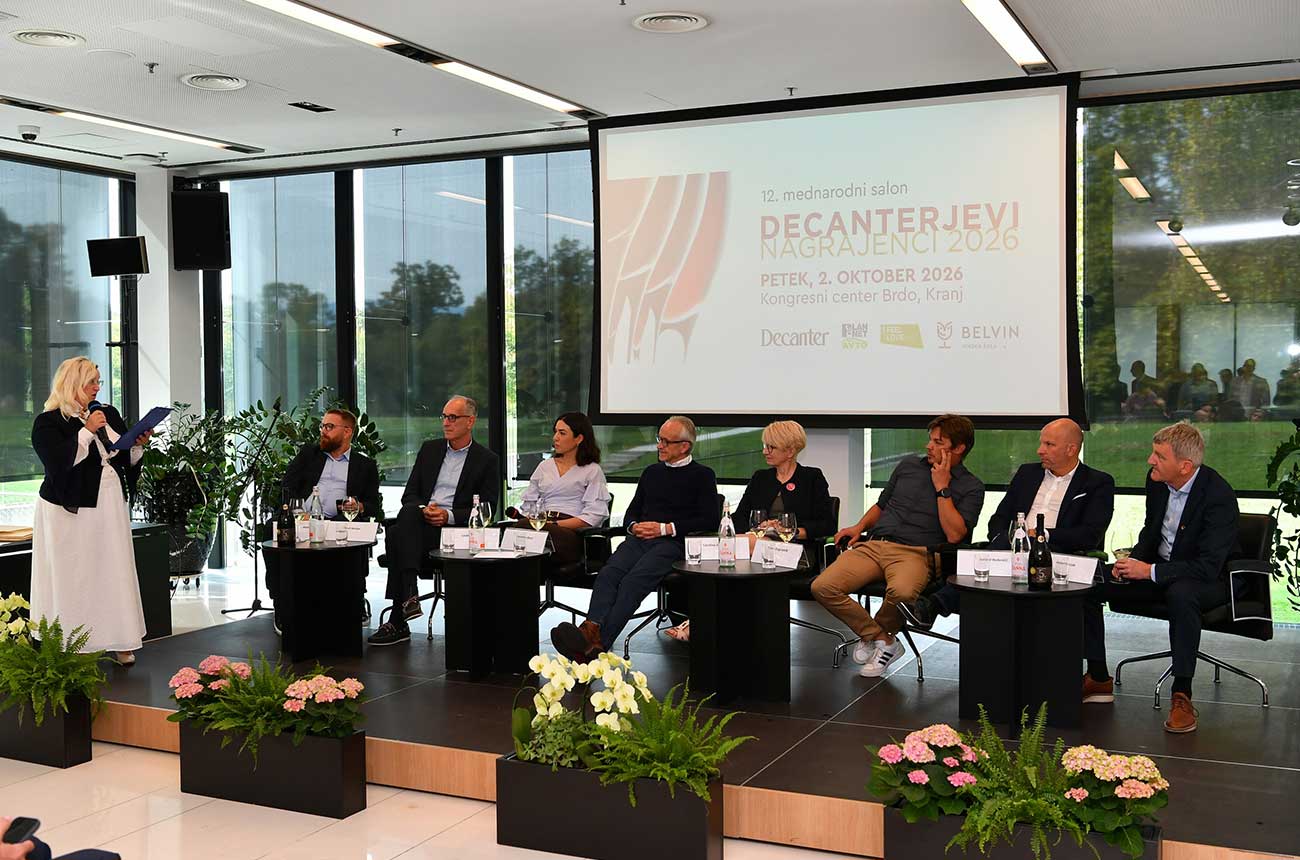
The 12th edition of the prestigious Salon of Decanter medal winners recently concluded at the elegant Brdo Congress Centre in Slovenia, drawing over 45 esteemed producers from a diverse array of wine-producing nations including Slovenia, Serbia, Croatia, Montenegro, Bosnia and Herzegovina, Italy, and France. This significant one-day event provided an exclusive platform for these winemakers to proudly present their exceptional, medal-winning wines from the highly anticipated Decanter World Wine Awards (DWWA) 2026, marking a pivotal moment for regional viticulture and underscoring the growing global recognition of wines from Central and Eastern Europe. The Salon, a key date in the international wine calendar, offered a unique opportunity for both trade professionals and passionate consumers to delve into a rich tapestry of flavours, exploring lesser-known indigenous varieties alongside distinctive interpretations of international grapes, all while gaining a deeper understanding of the diverse terroirs that define these dynamic regions.
The Decanter World Wine Awards: A Global Benchmark for Excellence
At the heart of the Salon’s prestige lies the Decanter World Wine Awards, an institution widely regarded as the world’s largest and most influential wine competition. Established in 2004, the DWWA has grown exponentially, attracting over 18,000 wines annually from more than 50 countries. Its unparalleled reputation is built on a rigorous, multi-stage blind tasting process conducted by an expert panel of some 250 international judges, including Masters of Wine and Master Sommeliers. This stringent methodology ensures that only wines of exceptional quality are awarded medals, ranging from Bronze, Silver, and Gold to the highly coveted Platinum and the ultimate accolade, Best in Show. A DWWA medal is more than just a sticker on a bottle; it serves as a powerful endorsement, offering producers invaluable market access, enhanced brand visibility, and a significant boost in consumer confidence both domestically and internationally. The Salon in Slovenia acts as a vital physical extension of these awards, bringing the celebrated wines and their creators directly to an engaged audience, fostering direct dialogue and appreciation.
A Decade of Excellence: The Salon’s Journey in Slovenia
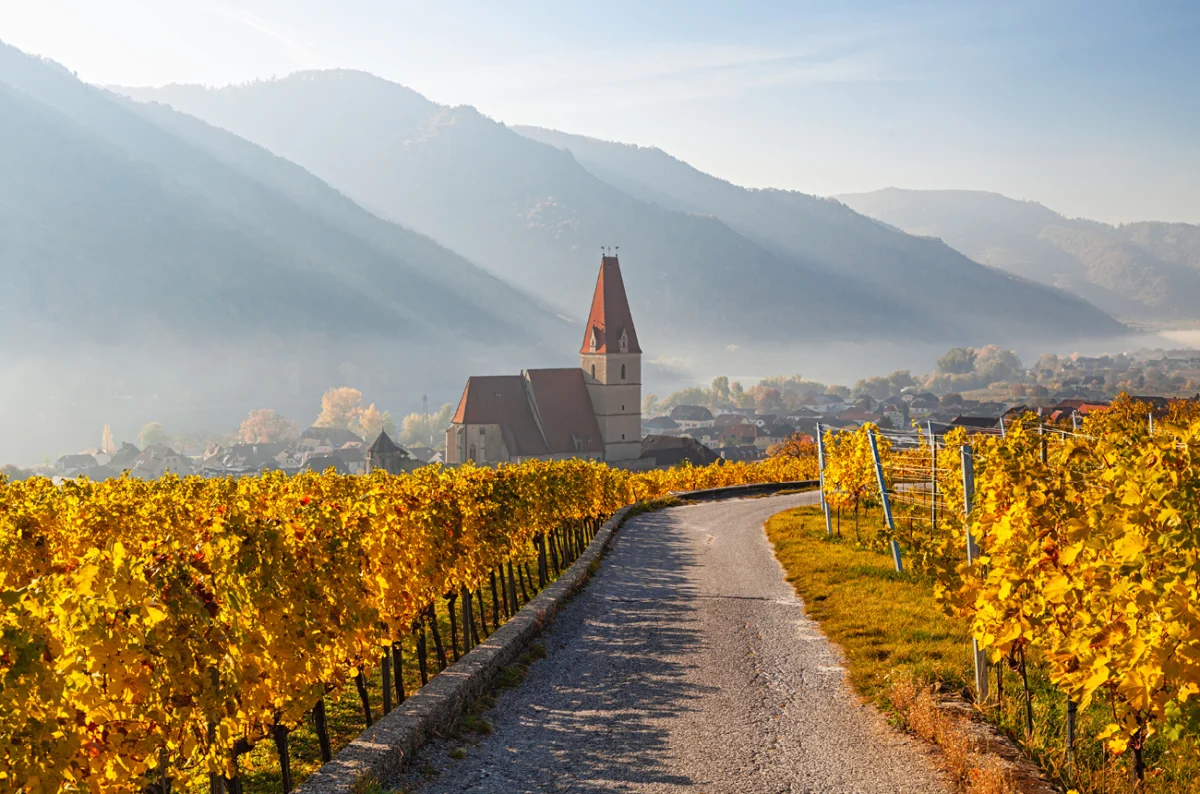
The fact that this year marked the 12th edition of the Salon speaks volumes about its enduring success and its foundational role in promoting regional wines. Initiated in 2014, the Salon has consistently chosen Slovenia as its host, a decision that highlights the country’s strategic geographical position at the crossroads of Central and Southeastern Europe, as well as its rapidly maturing wine industry. Slovenia, a nation with a rich viticultural heritage dating back to Roman times, has undergone a remarkable transformation since gaining independence, shifting from a focus on bulk production to a dedicated pursuit of quality and regional identity.
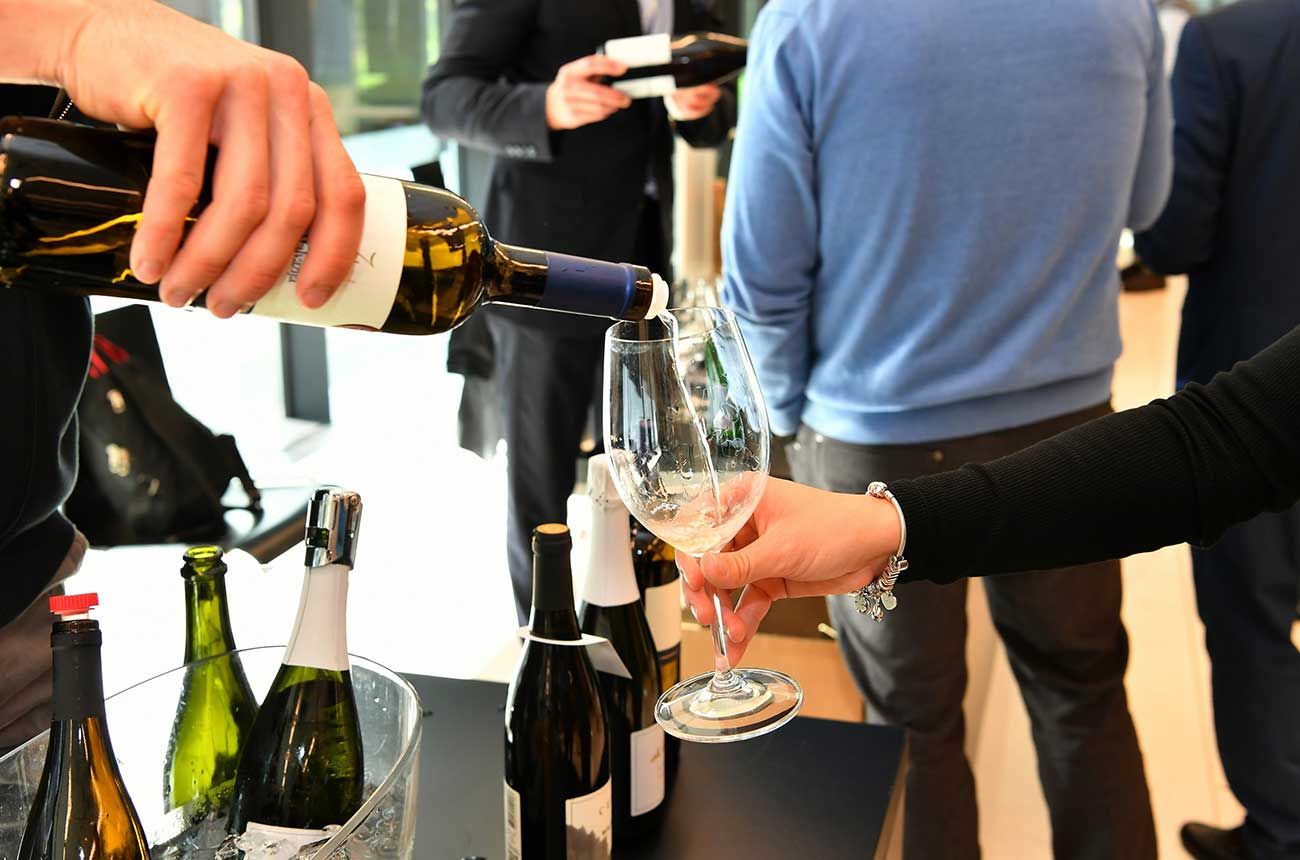
The Brdo Congress Centre, a state-of-the-art facility renowned for hosting high-profile international events, provided an impeccable setting for the Salon. Its sophisticated infrastructure, coupled with Slovenia’s burgeoning reputation as a wine tourism destination, creates an ideal environment for showcasing premium wines. Over the past decade, the Salon has evolved from a primarily regional gathering to an internationally recognised platform, attracting producers and enthusiasts from across Europe. This consistent growth underscores the increasing prominence of Central and Eastern European wines on the global stage and the Salon’s crucial role in facilitating this recognition.
An Immersive Experience for Trade and Consumers
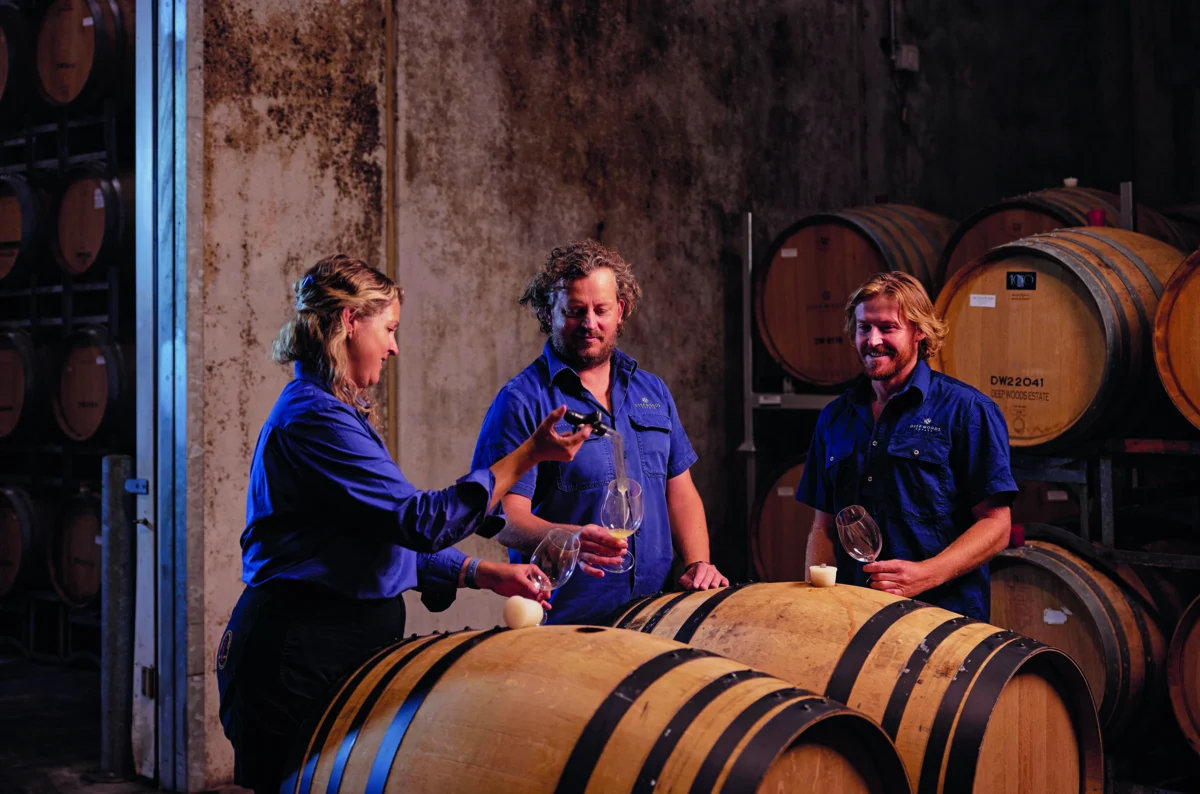
The atmosphere at the Brdo Congress Centre was vibrant, a testament to the shared passion for wine among attendees. The one-day event was meticulously organised to provide an immersive experience. Trade professionals, including importers, distributors, sommeliers, and retailers, leveraged the opportunity to identify new talent, discover emerging trends, and forge valuable business relationships. For consumers, it was an unparalleled chance to meet the winemakers behind the labels, learn about their philosophies, and taste a diverse range of award-winning wines that might otherwise be difficult to access.
A particular focus was placed on the region’s unique indigenous varieties. Attendees could sample, for instance, Slovenia’s crisp Rebula from Goriška Brda, the aromatic Furmint from Štajerska Slovenija, or the savoury Teran from the Karst region. From Croatia, the powerful Plavac Mali of Dalmatia and the elegant Pošip from Korčula captivated palates. Serbian producers showcased the robust Prokupac, a red grape undergoing a modern renaissance, alongside the floral Tamjanika. Montenegro offered expressions of Vranac, a deeply coloured red varietal known for its rich fruit and firm tannins. These indigenous grapes are not merely historical relics; they are vital expressions of their respective terroirs and cultural heritage, offering unique flavour profiles that distinguish them from more common international varietals. The Salon allowed guests to appreciate how these grapes, often cultivated for centuries, are now being crafted with modern techniques to achieve world-class quality. Complementing these unique offerings were distinctive takes on international grapes such as Chardonnay, Sauvignon Blanc, and Merlot, demonstrating how winemakers in the region are adapting global varietals to their specific climatic conditions and winemaking styles, yielding expressions that are both familiar and uniquely regional.
Voices of Authority: Insights from DWWA Co-Chair and Regional Expert
The Salon was graced by the presence of two highly respected figures from the Decanter World Wine Awards: Co-Chair Andrew Jefford and Dr Caroline Gilby MW, Regional Chair for the Balkans, Central & Eastern Europe, and Croatia & Slovenia. Their insights provided invaluable context and validation for the wines on display.
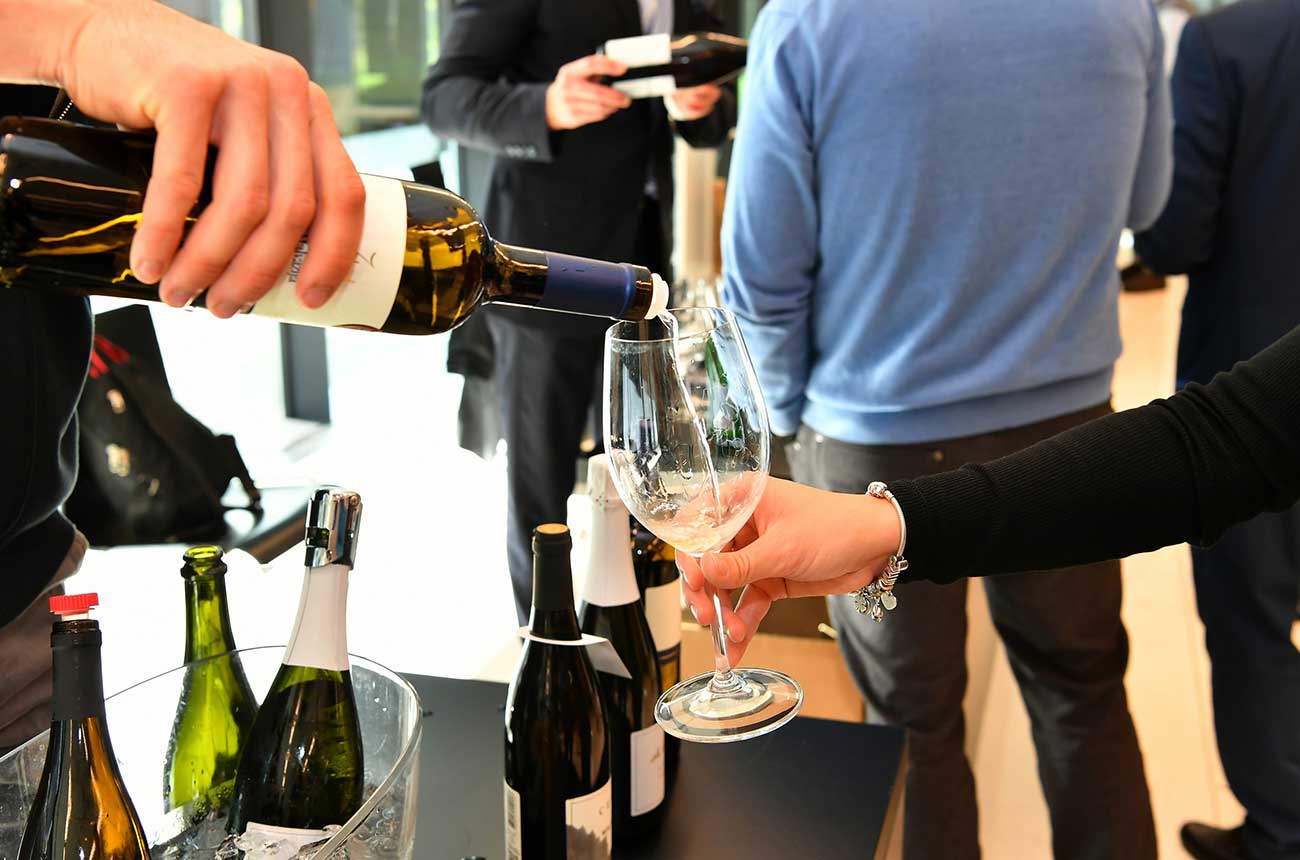
Andrew Jefford, a renowned wine writer and critic, articulated the profound significance of the DWWA, calling the competition "a super pillar in my working life." He emphasised his annual anticipation for judging, particularly because it allows him to "taste wines from regions which are moving really fast in the wine world." This statement highlights the dynamic nature of wine production in Central and Eastern Europe. Factors such as significant investment in modern technology, improved viticultural practices, a new generation of highly educated winemakers, and a renewed focus on quality and terroir expression have propelled these regions onto the international stage at an accelerated pace. Jefford’s perspective, grounded in years of tasting and critical analysis across diverse global wine landscapes, serves as a powerful endorsement of the progress being made.
Dr Caroline Gilby MW, a leading authority on the wines of Central and Eastern Europe, echoed Jefford’s sentiments, remarking that the standard in this year’s judging was "especially encouraging." Her role as Regional Chair provides her with an intimate understanding of the nuances and challenges faced by winemakers in these areas. She elaborated on the key drivers of this improvement, noting, "Some of the things that have been particularly exciting and are reflected in this year’s DWWA results are the sheer quality of winemaking, and seeing indigenous grapes from the region reaching global levels." This observation is crucial. It points not only to technical advancements in the cellar but also to a growing confidence among producers to champion their unique native varieties. For too long, many of these regions focused on international grapes for export appeal, but the current trend celebrates the authenticity and distinctiveness of grapes intrinsically linked to their local climate and soil. This embrace of indigenous identity, coupled with world-class winemaking, is what is truly elevating these wines to global prominence.
Slovenia’s Triumphant Showing in DWWA 2026
Slovenia, as the host nation, had ample reason to celebrate its outstanding performance in the DWWA 2026. The country secured an impressive total of 202 medals, a significant achievement for a nation of its size, underscoring its consistent dedication to quality. Among these, two highly coveted Platinum medals stood out. Platinum medals are awarded to Gold medal-winning wines that achieve 97 points or more in a re-tasting by the Co-Chairs, representing the pinnacle of excellence.
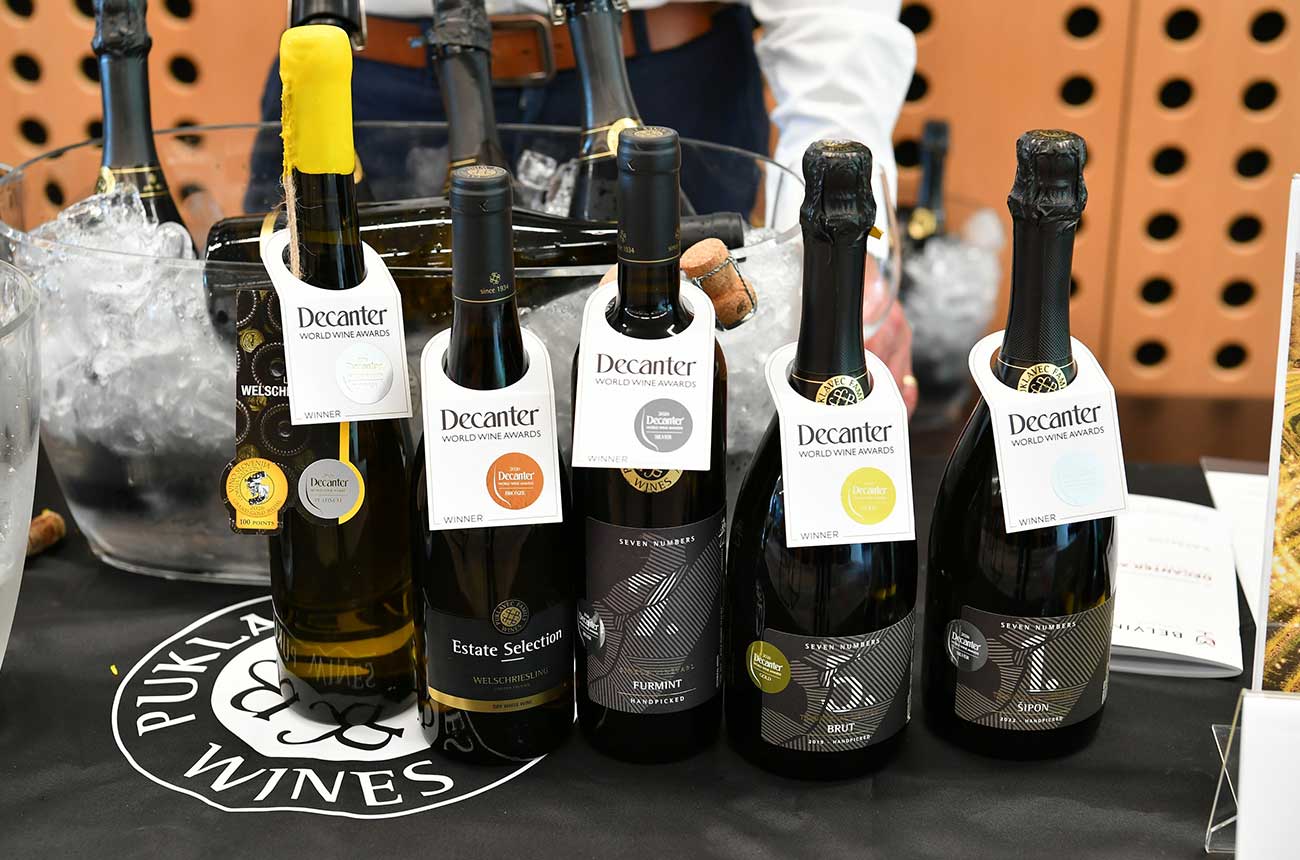
One of these Platinum medals went to the Puklavec Family Wines Welschriesling from 1993, a remarkable testament to the country’s capability in producing sweet wines that age gracefully and develop profound complexity over decades. This particular award shone a spotlight on the longevity and exceptional quality potential of Slovenian dessert wines, often overlooked in favour of their dry counterparts. Puklavec Family Wines, a prominent producer from the Štajerska Slovenija region, exemplified the blend of tradition and expertise required to craft such a wine. Beyond this extraordinary example, other Slovenian regions like Goriška Brda, known for its Rebula and Chardonnay, and Vipava Valley, celebrated for its indigenous Zelen and Pinela, also contributed significantly to the medal tally with numerous Gold, Silver, and Bronze awards. The sheer breadth of Slovenia’s success across various styles and regions highlights a robust and mature wine industry.
The Balkan Renaissance: Croatia, Serbia, Montenegro, and Bosnia & Herzegovina
The success story of DWWA 2026 extended well beyond Slovenia, encompassing a remarkable performance from the wider Balkan region, signalling a true renaissance for these wine-producing nations.
Croatia’s Landmark Achievement: Croatia enjoyed a particularly stellar year, amassing 40 top-tier medals (Gold and Platinum). Most notably, the country secured its first-ever Best in Show award for a Plavac Mali. The Best in Show accolade is the ultimate prize at the DWWA, reserved for the top 50 wines from among all the Platinum winners globally, signifying truly exceptional quality. This recognition for Plavac Mali is a monumental achievement for Croatian viticulture. Plavac Mali, a dark-skinned indigenous red grape primarily grown along Croatia’s Dalmatian coast and on the Pelješac peninsula, is often considered the flagship red grape of the country. Known for its rich, full-bodied wines with notes of dark fruit, spice, and robust tannins, it embodies the rugged beauty of its coastal terroir. This Best in Show award not only elevates Plavac Mali to a global elite status but also shines a powerful spotlight on Croatia’s unique winemaking identity and its potential to produce world-class red wines.
Serbia’s Ascending Star: Serbia also demonstrated its rapid ascent, collecting an impressive three Platinum and seven Gold medals. The Serbian wine industry has undergone a significant transformation in recent years, with a renewed focus on quality, modernization, and the revival of indigenous grapes such as Prokupac. These awards validate the hard work and investment by Serbian winemakers, showcasing their ability to compete at the highest international levels with both their native varietals and well-crafted international selections.
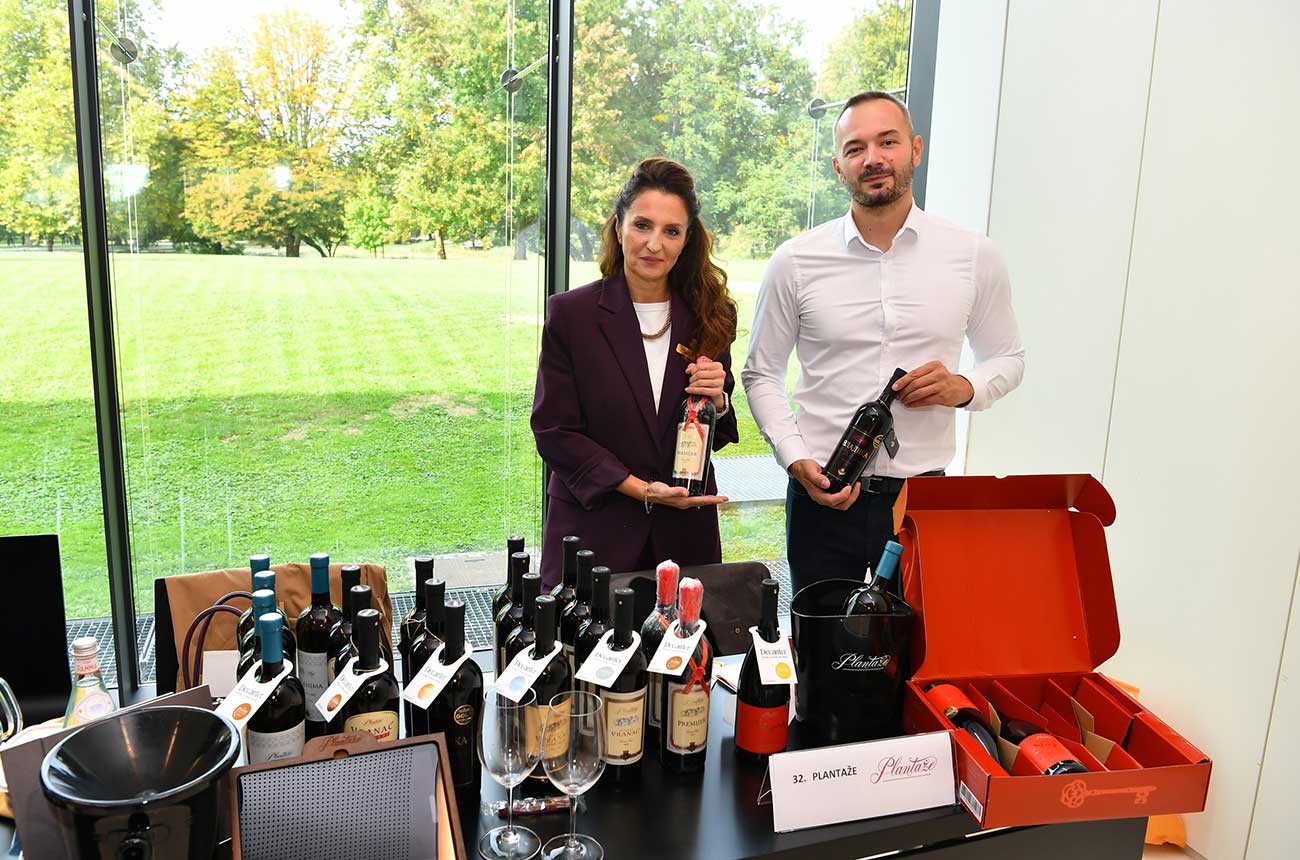
Montenegro and Bosnia & Herzegovina’s Progress: Montenegro and Bosnia and Herzegovina also made strong showings, securing a range of Gold, Silver, and Bronze medals. For these smaller, emerging wine-producing nations, such recognition is invaluable, helping to raise their international profile and attract attention to their distinctive wines, particularly those made from local grapes like Vranac. Dr Gilby’s observation that "success for native grapes is a big part of the story" resonates deeply across these nations, as she noted, "I’ve long been a champion of them because they are so connected to place." This profound connection to local heritage and unique terroir is proving to be a powerful differentiator in the global wine market.
Broader Economic and Cultural Implications
The collective success of Central and Eastern European wines at the DWWA 2026 and their showcase at the Salon in Slovenia carry significant broader implications.
Market Penetration and Export Growth: For many of these producers, particularly those from smaller estates or less-known regions, a DWWA medal serves as a crucial passport to international markets. It provides immediate credibility and helps them stand out in a highly competitive global landscape. The Salon event directly facilitates this by connecting medal-winning producers with potential importers and distributors, fostering export growth and opening new revenue streams.
Boosting Wine Tourism: The growing international recognition translates directly into increased interest in wine tourism. Enthusiasts from around the world are increasingly looking beyond traditional wine regions to explore new and exciting destinations. Slovenia, Croatia, and other Balkan nations offer stunning landscapes, rich cultural histories, and now, world-class wines, making them highly attractive to discerning travellers. This surge in tourism provides significant economic benefits to local communities.
Investment and Innovation: The heightened visibility and commercial success often lead to further investment within the wine industry. This can manifest in upgraded winery equipment, expansion of vineyards, research into sustainable viticultural practices, and continued innovation in winemaking techniques. The positive feedback loop of awards, market success, and investment fosters a dynamic and progressive industry.
Cultural Preservation and Identity: The emphasis on indigenous grape varieties is not just a marketing strategy; it’s an act of cultural preservation. These grapes are deeply intertwined with the identity and history of their respective regions. By elevating them to global standards, winemakers are celebrating their heritage and ensuring the continued biodiversity of viticulture. This focus on "place" reinforces a unique selling proposition in an increasingly globalized world.
The Future of Central and Eastern European Wine
The 12th Salon of Decanter medal winners in Slovenia emphatically demonstrated that Central and Eastern Europe is no longer an "emerging" wine region but a vibrant and established player on the world stage. The consistent quality, the remarkable achievements of indigenous varieties, and the dedication of its winemakers point towards a future of continued growth, innovation, and pursuit of excellence. Events like the Salon are vital in sustaining this momentum, providing a platform for celebration, education, and commerce that benefits the entire regional wine industry. As the world of wine increasingly values authenticity, diversity, and quality, these regions are perfectly positioned to capture even greater global attention and acclaim in the years to come.
Acknowledgements
Special thanks are extended to Robert Gorjak, a distinguished DWWA judge, and Belvin Wine School for their invaluable contributions and support in organising this significant event. More information can be found at Belvin.si.