admin
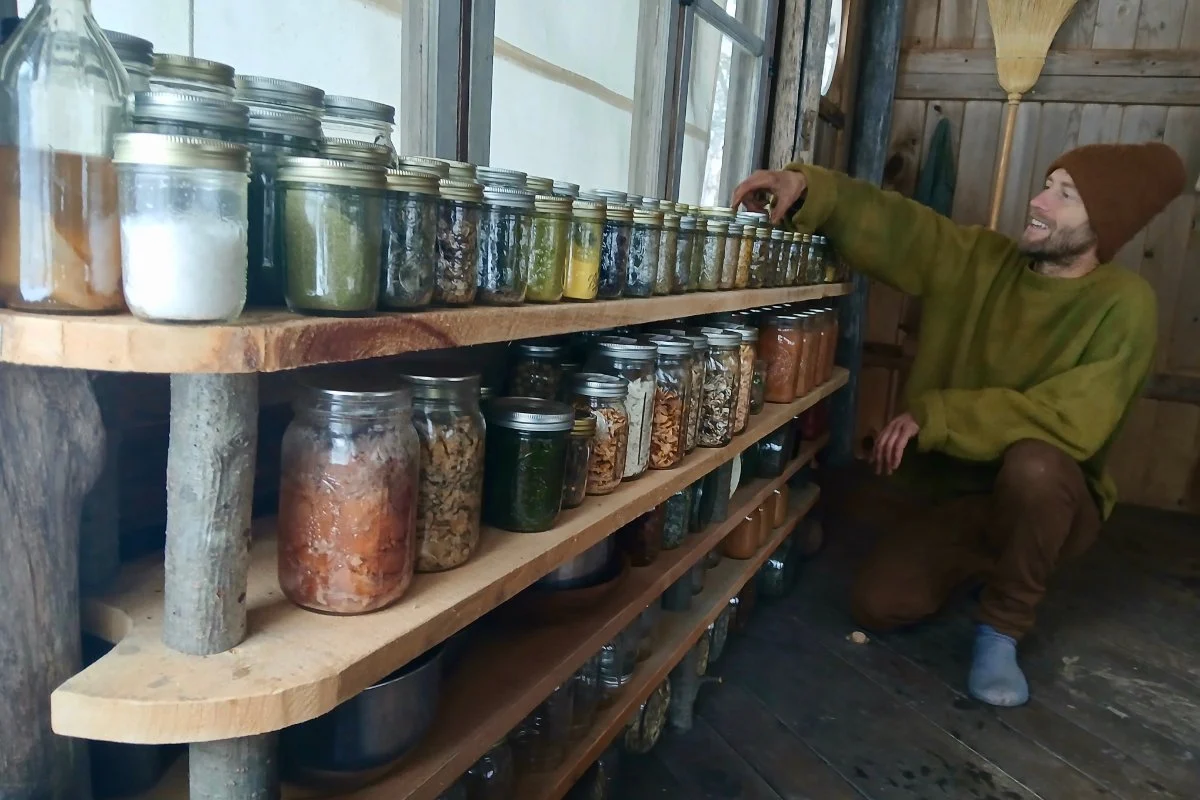
Robin Greenfield, the prominent activist, author, and speaker renowned for his radical experiments in sustainable living, is set to conclude his latest endeavor on October 8: a year-long project where he subsisted entirely on wild, foraged food and medicine, consuming nothing that was bought or grown. This ambitious undertaking, based from his home in Northern Wisconsin, represents a profound challenge to the industrialized food system and a powerful statement on humanity’s potential for harmonious coexistence with the natural world. Greenfield’s work aims to inspire individuals to reconnect with their environment and reimagine their relationship with sustenance, offering a tangible demonstration of a life lived outside conventional consumer cycles.
A Journey Towards Food Freedom: Greenfield’s Evolving Philosophy
Greenfield’s current experiment is not an isolated venture but a significant escalation of his long-standing commitment to food freedom and ecological awareness. His journey began in earnest in 2018 when he embarked on a year-long project to grow and forage 100 percent of his diet. This initial experience, driven by a profound disillusionment with the environmental and social impacts of the global food system, left him in what he described as "exceptional health and high spirits." He meticulously documented this transformative period, culminating in the publication of his book, Food Freedom: A Year of Growing and Foraging 100% of My Food, in 2024. The book detailed not only the practicalities of his diet but also the philosophical shifts that occurred as he deepened his connection to the sources of his nourishment.
Building on this foundational experience, Greenfield initiated his most recent and rigorous project in late 2025. This time, the parameters were stricter: absolutely no cultivated crops or purchased goods were permitted. His objective was clear: "This is a way of seeing if it’s possible to live outside of this broken system, and provide for ourselves in a way that is harmonious with the Earth and beneficial to ecosystems." This radical self-sufficiency serves as a living protest, a testament to the Earth’s abundance, and a personal quest to dissolve the "illusion of separateness" between humanity and the natural world. He posits that by embracing foraging, individuals can rediscover a sense of belonging, meaning, and purpose, feeling truly "at home here on this Earth."
The Forager’s Pantry: A Year of Wild Sustenance
From the verdant forests and waterways surrounding his Northern Wisconsin base, Greenfield has meticulously harvested a diverse array of wild foods throughout the year. His daily diet, dictated by the seasons and the land’s offerings, has been a far cry from typical grocery store fare. Staples include nutrient-dense wild rice and acorns, which require significant processing but provide substantial caloric and nutritional value. His protein sources come from venison and various fish species, obtained through hunting and fishing in accordance with local regulations and ethical practices.

Beyond these staples, Greenfield’s pantry has been a dynamic reflection of the ecological calendar. Early summer brought an abundance of greens like watercress, stinging nettle, and basswood, providing essential vitamins and minerals. Mushrooms, such as maitake and chicken of the woods, offered rich flavors and unique textures. As the seasons progressed, he gathered wild fruits like chokecherries, a lesser-known but antioxidant-rich berry, alongside more familiar wild apples, plums, and pears. Nuts—including black walnuts, hazelnuts, hickory nuts, and pecans—have been crucial for healthy fats and sustained energy. Even seasoning has been sourced naturally, with Greenfield harvesting salt from ocean trips. For medicinal purposes, he has brewed teas from elderberries, various wild mushrooms, and a host of foraged herbs like bee balm (monarda) and wild onion. This seasonal and location-specific approach highlights the incredible biodiversity available to those who possess the knowledge and patience to seek it.
Beyond the Wild: Spreading the Message and its Challenges
Greenfield’s year of foraging has not been a solitary retreat. He has actively used his journey to amplify his message, taking his "pantry of foraged foods" on the road across the West Coast, Southeast, and Midwest. His activism manifests through a variety of public engagements: leading foraging walks, conducting immersive classes, delivering lectures, and engaging with media. He views these interactions as integral to his mission, transforming personal experience into a broader call for change. Foraging, in his view, is a powerful form of "peaceful protest" against an industrial food system he deems destructive, simultaneously fostering a deeper, more intimate connection to food sources.
Life on the road while maintaining a 100% foraged diet presents unique logistical challenges. A "typical day" for Greenfield is anything but routine. While some days are dedicated to intensive foraging, such as wild rice harvesting, others involve processing collected foods—shelling acorns, making applesauce, or preserving other seasonal bounties. Interspersed with these tasks are his public appearances, administrative duties for his five-person nonprofit, writing, video production, and the constant travel. Staying with hosts requires careful navigation of his dietary restrictions, often involving shared meals of foraged items. Despite the demanding schedule, Greenfield emphasizes the importance of carving out time for connecting with nature, whether through swimming or simply observing the environment. This rigorous lifestyle underscores the significant time commitment and skill level required for such a high degree of self-sufficiency.
Foraging and Food Security: A Nuanced Perspective
A crucial aspect of Greenfield’s work involves exploring foraging’s potential role in addressing food insecurity. While acknowledging the limitations, he offers a nuanced perspective. He readily concedes that for the average person struggling with food insecurity, foraging may not provide the primary caloric intake needed, given the substantial time commitment and specialized knowledge required. However, he strongly asserts its profound value in tackling another critical dimension of food insecurity: access to nutritious food.
In the United States, millions of individuals face consistent challenges in accessing fresh, wholesome produce, often relying on calorie-dense but nutrient-poor processed foods available in food deserts. Greenfield highlights that "one of the main issues with food insecurity in this country is access to nutritious food, and that is very easy to access [through foraging]." Wild greens, often dismissed as weeds, are packed with vitamins, minerals, and antioxidants, frequently surpassing the nutritional content of their cultivated counterparts. Similarly, abundant wild fruits, like Autumnberry and chokecherry, offer a wealth of antioxidants and can be harvested in quantities sufficient for several months’ supply in a single afternoon. Herbal medicines and teas are also freely available, providing natural remedies and health benefits.

Experts in public health and nutrition often echo Greenfield’s point about the nutritional density of wild foods. Studies indicate that many wild plants contain higher concentrations of vitamins, minerals, and phytochemicals than their domesticated equivalents, which have often been bred for yield and shelf life rather than nutrient content. While critics acknowledge the need for proper identification to avoid poisonous look-alikes—a significant barrier for novices—the potential for supplementary nutrition, especially for marginalized communities, is undeniable. Foraging offers a direct, cost-free pathway to nutrient-rich additions to the diet, potentially mitigating micronutrient deficiencies that often plague populations experiencing food insecurity. However, the time-intensive nature of foraging remains a challenge for individuals juggling multiple jobs or lacking access to wild spaces. Despite these hurdles, community-based foraging initiatives and educational programs could significantly empower individuals to leverage local natural resources for improved health outcomes.
Ecological and Personal Transformation: The Deeper Impact
The year-long experiment has profoundly transformed Greenfield on multiple levels. Practically, he notes a fundamental shift in his daily habits and perspectives: "I don’t think about grocery stores or restaurants anymore. For me, it’s absolutely normal to go outside and harvest my food and medicine." This normalization of a radically different food acquisition method underscores the depth of his integration into a natural rhythm.
More significantly, the experience has dissolved what he calls the "illusion of separateness." This psychological and spiritual shift has fostered a deeper sense of connection to the Earth, leading to feelings of being "much more at home, and… more whole and complete inside." He describes a notable reduction in "yearnings and cravings and desires" that often characterize modern consumer-driven lives, replaced by a profound contentment derived from his relationship with the plants. This phenomenon, he observes, is a common theme among foragers and food growers: a sense of wholeness and completeness achieved through direct engagement with the living world.
Beyond individual transformation, Greenfield’s experiment carries significant ecological implications. By opting out of the industrial food system, he inherently minimizes his environmental footprint. The industrial food system is a major contributor to greenhouse gas emissions, deforestation, biodiversity loss, and water pollution. From cultivation to processing, packaging, and global transportation, its impact is extensive. Greenfield’s lifestyle, by contrast, is carbon-negative in its food procurement, supports local ecosystems, and promotes biodiversity through the sustainable harvesting of wild resources. His work serves as a powerful model for how individual choices, when scaled, could contribute to broader ecological restoration and resilience.
A Path Forward: Post-Experiment Intentions and Broader Vision
As his year of strict personal foraging concludes, Greenfield has already charted his next steps, outlining a gradual reintroduction of other food sources while maintaining his core commitment to living outside the global industrial food system. His immediate plan is to continue eating 100 percent foraged food for at least another month, but with a crucial distinction: he will accept foraged food from others, transforming it into a "community experience." This shift recognizes the social dimension of food and the value of shared effort.

Following this, he intends to transition to a diet comprising foraged and homegrown food, integrating produce from his garden. Subsequently, he plans to expand his diet to include foraged, homegrown, and locally grown food sourced from small, sustainable farms. His ultimate aspiration is clear: "My intention is to break free from the global industrial system forever." He contemplates embarking on another full year completely independent of the industrial food system, noting that incorporating local farm produce would make the endeavor "much easier than foraging all my food."
Greenfield acknowledges the social complexities of maintaining such a lifestyle in a world predominantly reliant on industrial food. Dining with friends and family who consume conventionally sourced meals presents ongoing challenges. Nevertheless, his resolve remains strong: to "largely or completely live outside the global industrial food system" and dedicate his life to supporting food systems that genuinely benefit the Earth and local communities.
His message to others is simple yet profound: "I encourage people to learn about one plant at a time. You only need to know one plant in order to eat one plant." He emphasizes the ubiquity of edible and medicinal plants—dandelions, plantains, mulberries, elderberries—growing freely in urban and rural landscapes alike. Learning just one new plant per month, he asserts, can be "life-changing for a lot of people," fostering a sense of empowerment and connection to the abundant resources around them.
Greenfield’s year-long foraging experiment stands as a testament to radical self-sufficiency and a powerful critique of contemporary food systems. It challenges assumptions about what constitutes a "normal" diet, highlights the nutritional and ecological richness of wild foods, and offers a compelling vision for a future where humanity lives in closer harmony with the Earth. While not a universally scalable solution for global food needs, his journey serves as a vital educational tool and an inspiring call to action for individuals to explore their own local ecosystems and reconsider their relationship with the food that sustains them.