admin
admin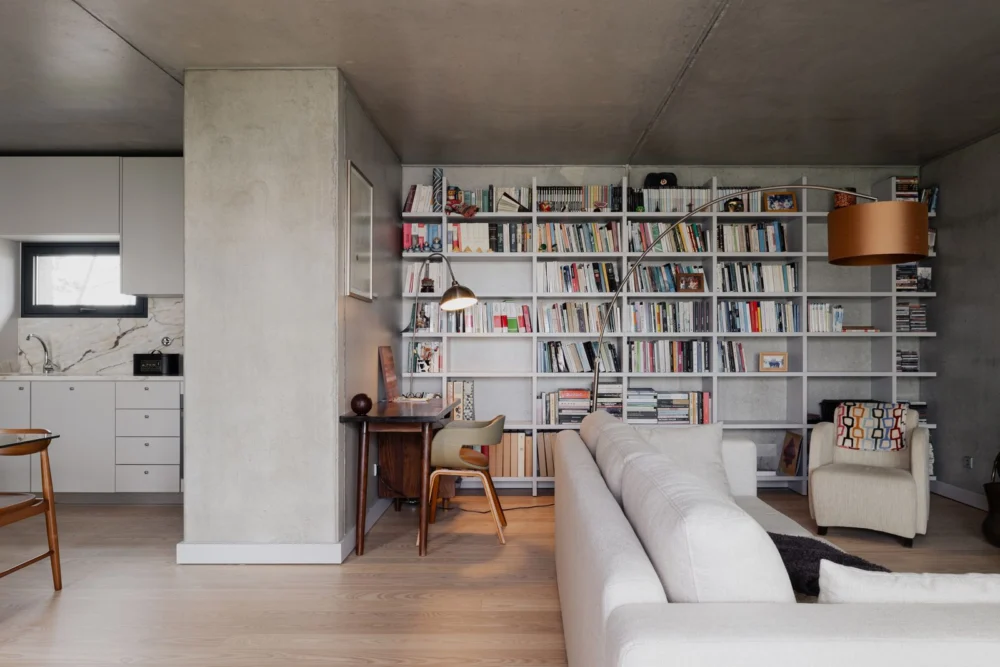
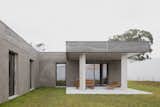
In a significant stride towards sustainable and efficient building, Samuel Gonçalves, the visionary architect behind the Portuguese firm Summary, is transforming the landscape of prefabrication by integrating recycled rice husks into modular home designs. A decade after a formative, albeit unsuccessful, encounter with prefab product development, Gonçalves founded Summary with a mission to prioritize speed, ingenuity, and distinctive style in home construction. The firm’s latest endeavor, a prototype single-family home in Portugal, stands as a testament to this commitment, showcasing an exterior envelope crafted from composite panels made entirely of repurposed rice husks, serving dual functions as both insulation and cladding. This innovative approach not only addresses the environmental challenge of agricultural waste but also champions the potential of bio-based materials in modern architecture.
The Genesis of Summary: A Decade of Prefab Vision
Samuel Gonçalves’s journey into the forefront of sustainable prefabrication began approximately ten years ago, sparked by an invitation to lend his architectural expertise to an ambitious prefab product concept. This initial project was a collaborative effort, drawing on the knowledge of diverse specialists spanning automation, HVAC systems, and carpentry. While the collective vision was robust, the project ultimately failed to launch. Yet, this experience proved to be a pivotal moment for Gonçalves. "Nevertheless, that was the moment I was confronted with prefabrication," Gonçalves recalls, marking a clear turning point in his professional trajectory. The profound impact of this encounter led him to make a decisive career change; that very same year, he resigned from his existing position and established Summary.
The founding of Summary was driven by a clear philosophy: to harness the efficiencies of industrialized construction without compromising on design quality or environmental responsibility. Gonçalves envisioned a future where homes could be built faster, smarter, and with a significantly reduced ecological footprint. His initial exposure to the interdisciplinary nature of prefab development instilled in him the understanding that successful modular construction requires a holistic approach, integrating various technical and creative fields from the outset. This foundational insight has guided Summary’s operations, enabling them to push the boundaries of conventional building practices, particularly in their strategic deployment of sustainable materials.
Innovating with Nature: The Rice Husk Revolution
The decision to experiment with rice husks in their latest prototype home is a deliberate and ecologically driven choice. Rice husks are the hard, protective coverings of rice grains, a ubiquitous agro-industrial byproduct of rice milling. Globally, millions of tons of rice husks are generated annually. Traditionally, these husks are either discarded, often ending up in landfills where they decompose slowly and release methane, a potent greenhouse gas, or they are burned, contributing to air pollution and carbon emissions. Summary’s innovation transforms this problematic waste stream into a valuable construction material, embodying principles of the circular economy.
For the single-family prototype, each prefabricated module arrives from the factory with its structural reinforced concrete core already integrated with an outer layer of a cement-based composite containing rice husk. This substantial 23 cm-thick layer serves a dual purpose, acting as both the exterior cladding and the primary insulation for the home. The material is sourced locally from the fertile rice fields of Portugal’s Lower Mondego region, minimizing transportation emissions and supporting regional agricultural economies. This localized sourcing strategy not only enhances the project’s sustainability credentials but also demonstrates a practical model for how agricultural waste can be valorized at a regional level.
The benefits of utilizing rice husks in construction are multi-faceted. Environmentally, it significantly reduces waste, diverts materials from landfills or open burning, and lessens the demand for virgin resources typically used in insulation and cladding. From a performance perspective, rice husks possess excellent insulating properties due to their cellular structure and high silica content, contributing to superior thermal performance and energy efficiency within the home. This natural insulation helps maintain comfortable indoor temperatures, reducing reliance on heating and cooling systems and consequently lowering energy consumption and utility bills for residents. Aesthetically, the composite panels offer a distinctive cement-like texture, contributing to Summary’s minimalist design ethos and providing a unique, contemporary finish that seamlessly blends with modern architectural styles. This project exemplifies how industrialized construction can be harmoniously combined with bio-based materials, paving the way for a more sustainable future in residential development.
Modular Efficiency: Speed, Quality, and Adaptability
Summary’s operational model leverages industrialized construction methods, a process where building components or entire modules are manufactured off-site in a controlled factory environment before being transported and assembled at the final location. This approach offers several distinct advantages over traditional on-site construction. Firstly, it ensures superior quality control, as manufacturing takes place under optimal conditions, free from weather delays and with rigorous oversight. This precision translates into higher structural integrity and fewer defects. Secondly, it drastically reduces construction timelines. For instance, Gonçalves cites a current project involving 14 emergency houses, planned for on-site assembly in a mere four months—a speed that would be virtually unattainable with conventional building techniques. This efficiency is particularly critical in contexts demanding rapid deployment, such as disaster relief housing or urgent community development projects.
While the primary advantage in such fast-track projects is speed rather than direct cost savings (which can often be comparable to traditional construction due to specialized logistics), the overall value proposition is significant. Reduced construction periods mean quicker occupancy, minimizing financing costs and accelerating return on investment. Furthermore, factory production leads to less on-site waste, a cleaner construction site, and reduced disruption to surrounding communities. The modules, complete with their structural reinforced concrete and innovative rice husk cladding, arrive ready for assembly, streamlining the entire building process from conception to completion.
Cost Dynamics in Prefabrication: Beyond the Per-Square-Foot Figure
Addressing the question of cost, Summary’s projects have typically ranged from approximately €95 to €185 per square foot. However, Gonçalves emphasizes that this figure represents only a segment of the total construction cost, underscoring the complexity of pricing in the modular building sector. A myriad of variables significantly influence the final investment. High-end finishes, for example, will naturally increase costs compared to more standard specifications. The project’s location plays a critical role, affecting not only land acquisition but also transportation expenses for delivering modules from the factory. Distant sites incur higher logistical costs, demonstrating the economic benefits of local manufacturing and sourcing.
Furthermore, site-specific conditions, such as challenging soil types requiring extensive foundation work, can add unforeseen expenses. The level of repeatability—whether the project involves a single custom home or multiple identical units for a larger development—also impacts pricing, with economies of scale often reducing the per-unit cost for larger, repetitive projects. Finally, the overall size of the project is a significant determinant, as larger homes may benefit from certain efficiencies, while smaller, highly customized prototypes might have higher per-square-foot costs due to their unique nature and experimental aspects. Understanding these factors is crucial for clients to accurately budget for a prefab home and appreciate the holistic value Summary provides.
A Design Philosophy Rooted in an "Ecosystem of Ideas"
When questioned about how Summary’s prefab designs differentiate themselves in a competitive market, Samuel Gonçalves offers a refreshing perspective. He posits that prefabrication is not a realm of isolated breakthroughs but rather an "ecosystem of ideas." In this environment, similar concepts are often developed independently by various architects and manufacturers, with success measured by effective realization rather than radical invention. Summary’s design philosophy openly embraces this collaborative and evolutionary spirit.
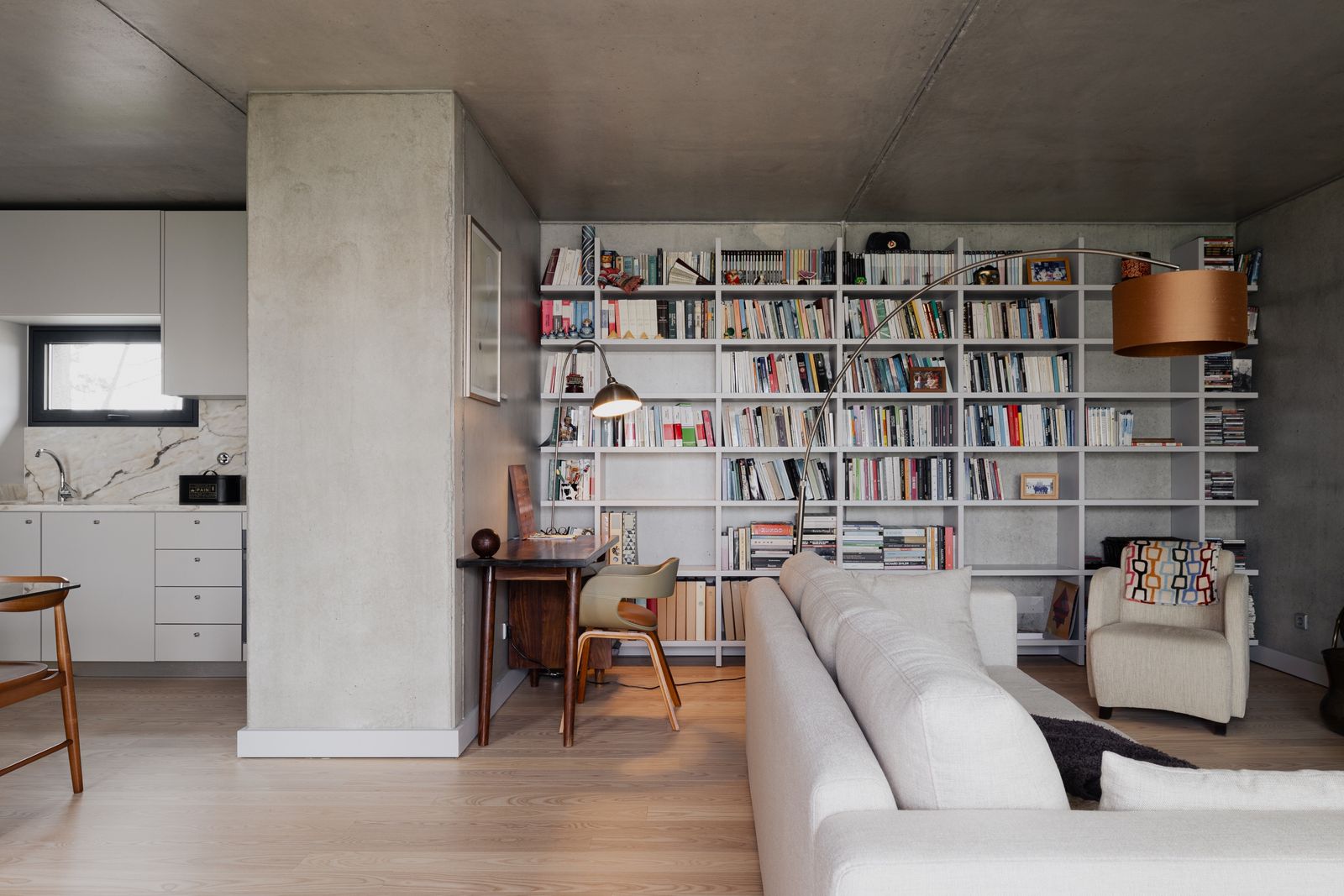
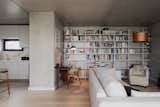
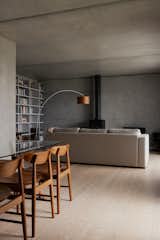
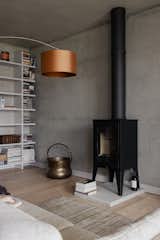
Gonçalves readily acknowledges the direct influence of existing architectural masterpieces on Summary’s work. He cites iconic projects such as the Airoh House, James Stirling’s St. Andrews Student Residence, and Miguel Fisac’s IBM Building as sources of inspiration. This intellectual lineage demonstrates Summary’s commitment to building upon established architectural principles while adapting them to contemporary prefab methodologies. Their designs often feature clean lines, functional layouts, and an emphasis on natural light, reflecting a minimalist aesthetic that harmonizes with the raw, cement-like texture of the rice husk panels. The integration of open floor plans, as seen in their prototype home with cozy details like floor-to-ceiling shelving, further enhances the sense of spaciousness and modern living, proving that modular construction can deliver both efficiency and refined style.
The Client Journey: Process, Partnership, and Customization
For prospective clients, understanding the timeline and management structure is key. The duration of a project with Summary varies considerably based on its scale and specific requirements. As an example, the aforementioned 14 emergency houses are projected to be assembled on-site within four months. In such scenarios, the inherent speed of prefabrication is the primary benefit, often outweighing cost savings, which can sometimes align with those of traditional construction methods. This rapid deployment capability makes Summary an attractive option for projects with tight deadlines or urgent needs.
Summary’s business model strategically focuses on its core strengths: design and permitting. This means that while they conceive the architectural vision and navigate the necessary regulatory approvals, the actual site work and manufacturing processes are handled by external companies. Gonçalves views these external partners not merely as contractors but as integral collaborators, fostering an extended network of expertise. This deliberate separation from the manufacturing arm allows Summary to maintain a degree of independence, which Gonçalves believes ultimately benefits the architectural output. By focusing solely on design excellence, they can prioritize innovative solutions and aesthetic integrity without being constrained by manufacturing logistics or limitations.
Despite the modular nature of their construction, clients retain a high degree of customization. Gonçalves affirms that "all of them" – referring to aspects of the design – can be customized, depending on the specifics of each project. This flexibility ensures that while the core building system is efficient and standardized, the final product can be tailored to individual client preferences, site conditions, and programmatic needs, offering bespoke solutions within a streamlined prefab framework.
Broader Implications: A Blueprint for Sustainable Futures
Summary’s work, particularly the pioneering use of rice husks, carries significant implications for the future of the construction industry. It positions the firm as a leader in the global movement towards truly sustainable building practices and a circular economy. By transforming agricultural waste into high-performance building materials, Summary not only mitigates environmental damage associated with waste disposal but also champions the potential for bio-based resources to replace more carbon-intensive conventional materials. This model offers a tangible pathway for other industries to adopt similar waste-to-resource strategies.
The experimentation with biomaterials, as exemplified by the rice husk prototype, serves as a vital model for further research and development within the industry. It encourages innovation in material science and highlights the vast, often untapped, potential of natural and recycled materials. Moreover, the efficiency and speed of Summary’s modular construction address pressing global challenges such as housing shortages and the urgent need for rapid, resilient infrastructure development. By demonstrating that high-quality, aesthetically pleasing, and environmentally responsible homes can be built quickly, Summary is helping to reshape perceptions of prefabrication, moving it beyond mere cost-effectiveness to a standard of advanced, eco-conscious design. Their projects contribute to creating green jobs, stimulating local economies through material sourcing, and ultimately building a more resilient and sustainable built environment for generations to come.