admin
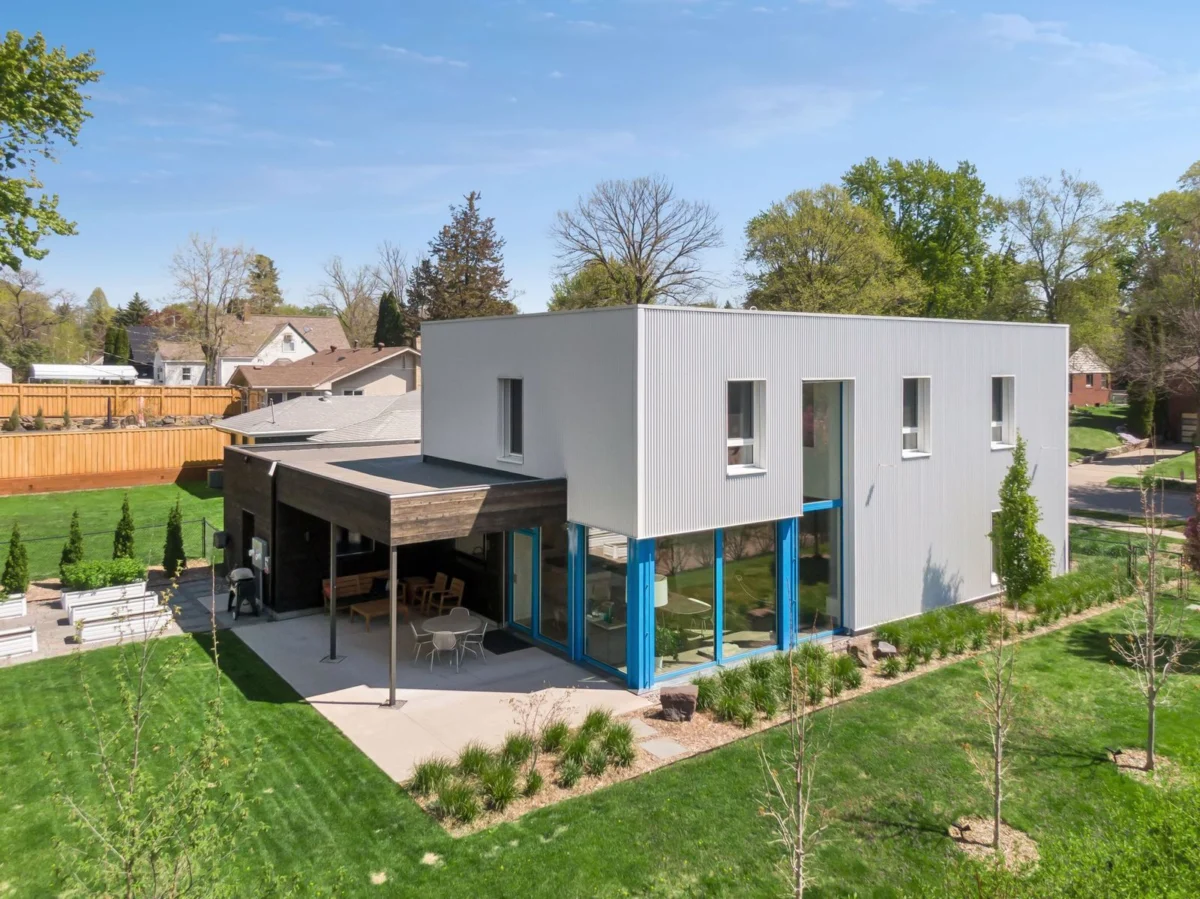
Located at 3406 Benjamin Street NE in Minneapolis, Minnesota, the "Good Energy Haus," a certified Passive House Plus residence, is now on the market for $1,195,000. This architecturally significant home, designed and built in 2019 by TE Studio as the architect’s personal dwelling, represents a vanguard in climate-neutral urban housing, meticulously engineered for discerning buyers who prioritize exceptional design, profound sustainability, and true energy independence. Spanning 2,150 square feet across four bedrooms and three bathrooms on a 0.2-acre lot, the residence is not merely a house but a living testament to the rigorous German Passivhaus standard, elevated to a "Plus" certification that pushes the boundaries of eco-conscious living in a challenging climate.
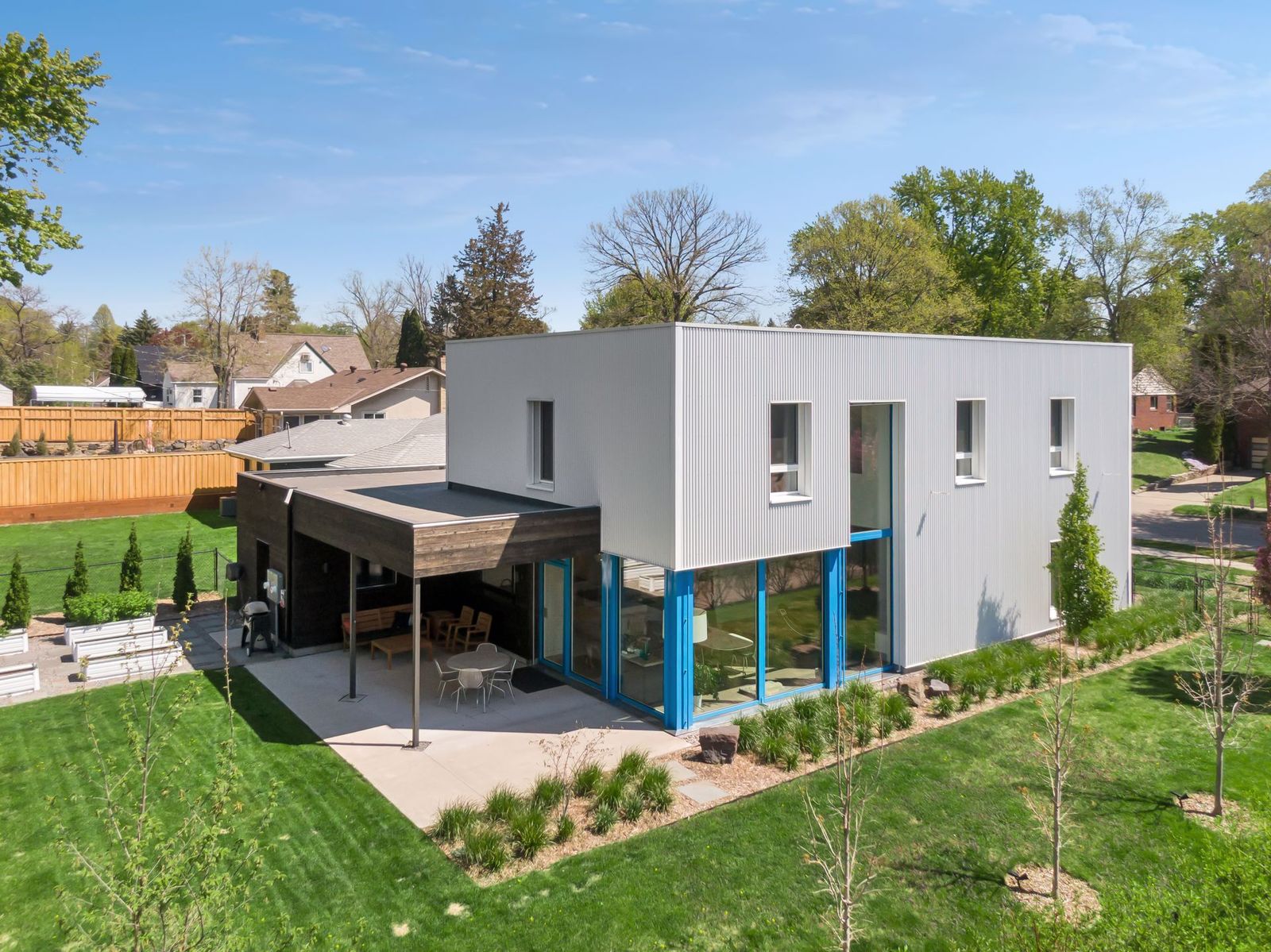
The Vision and Engineering of Good Energy Haus
Good Energy Haus stands as a testament to forward-thinking architectural philosophy, crafted by TE Studio with an unwavering commitment to both aesthetic precision and environmental responsibility. The residence’s core identity is its certification as a Passive House Plus, an advanced standard in energy-efficient construction. This designation signifies an extraordinary achievement: the home consumes approximately 90 percent less energy for heating compared to conventional buildings, while simultaneously producing its own renewable energy on-site. The integration of a robust 12kW solar array ensures that the property operates as an all-electric, climate-neutral entity, effectively eliminating the need for fossil fuels in its daily operation. This sophisticated energy management system has resulted in a "zero-sum game" for utility billing, providing owners with unparalleled independence from fluctuating energy costs and a tangible return on investment through minimal monthly expenses.
The foundational principle underpinning the home’s exceptional performance is its meticulously engineered building envelope. Achieving an astonishing airtightness rating of approximately 0.22 ACH50 (Air Changes per Hour at 50 Pascals), Good Energy Haus is roughly 13 times tighter than the current requirements set by Minnesota’s rigorous building codes. This superior airtightness is the result of painstaking construction methods, including super-insulated double-stud walls, densely packed cellulose insulation, and comprehensive thermal bridge-free detailing. Each of these components works in concert to create an impenetrable barrier against external temperatures, ensuring that conditioned air remains within the living spaces and unwanted drafts are completely eliminated. Complementing these features are Passive House-certified triple-pane German windows, renowned for their exceptional insulation properties and durability. These windows, alongside the advanced insulation, contribute significantly to an interior environment that is not only consistently comfortable but also remarkably quiet, healthy, and stable, providing a serene retreat from the urban bustle and the often-extreme Minnesota climate. Every material and system, from the ground up, was intentionally selected for its contribution to long-term performance, occupant well-being, and overarching sustainability goals.
Architectural Harmony and Interior Refinement
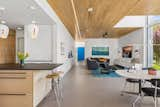
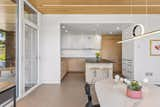
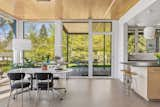
Beyond its technical prowess, Good Energy Haus presents a striking example of modern minimalist architecture, where warmth and precision coexist harmoniously. TE Studio’s design approach favors clean lines, expansive spaces, and a thoughtful selection of natural materials that contribute to the home’s overall aesthetic and environmental credentials. Cork flooring, a sustainable and renewable resource, graces the interior, offering a soft, resilient, and naturally insulating surface. Custom casework integrated throughout the residence provides tailored storage solutions and a seamless, uncluttered look, reflecting a design ethos where functionality meets sophisticated simplicity. This deliberate curation of modern detailing ensures that the home’s aesthetic appeal is as enduring as its environmental performance.
The living experience within Good Energy Haus is further enhanced by advanced systems dedicated to occupant comfort and health. A continuous supply of fresh, filtered air circulates throughout the entire house, ensuring superior indoor air quality—a critical factor for health, especially in urban environments where external pollutants can be a concern. The high-performance tilt-turn windows are not merely energy efficient; they are also equipped with automatic shading systems. These intelligent systems are designed to dynamically optimize solar gain, maximizing natural warmth during the colder Minnesota months while preventing overheating and maintaining optimal interior comfort during summer. Externally, the property showcases a commitment to ecological landscaping. The residence is artfully integrated with rain gardens, which serve a dual purpose: they are visually appealing natural features and highly effective systems for managing stormwater runoff, preventing erosion, and replenishing local groundwater, demonstrating a holistic approach to sustainable site development.
The Global and Local Impact of the Passive House Standard
The Passivhaus standard, pioneered in Germany in the late 1980s, has emerged as the most rigorous and effective energy efficiency building standard worldwide. Its core philosophy revolves around five fundamental principles: superior insulation, airtight construction, high-performance windows, thermal bridge-free design, and a ventilation system with heat recovery. The "Passive House Plus" certification elevates this standard, demanding that a building not only minimizes energy consumption but also actively generates as much renewable energy as it consumes annually, effectively achieving a net-zero energy balance. This rigorous approach dramatically reduces the ecological footprint of buildings and sets a new benchmark for sustainable construction.
In the United States, and particularly within regions characterized by extreme climatic conditions such as Minnesota, the adoption of Passive House principles is experiencing significant growth. Minnesota, with its notoriously harsh, extended winters and often hot, humid summers, presents a compelling scenario for the advantages of such highly insulated and airtight construction. Conventional buildings in this climate require substantial energy inputs for heating and cooling, leading to high utility bills and a considerable carbon footprint. A Passive House like Good Energy Haus offers a robust and resilient solution, drastically reducing reliance on external energy grids and providing consistent, comfortable indoor temperatures year-round with minimal energy expenditure. Data from reputable organizations like the Passive House Institute US (PHIUS) highlights a consistent upward trend in certified projects nationwide, propelled by growing environmental consciousness, volatile energy costs, and an increasing consumer demand for healthier, more comfortable, and durable homes. Local entities, such as the Minnesota Chapter of PHIUS, actively champion these standards, fostering education and collaboration to integrate high-performance building practices into mainstream construction.
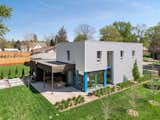
The decision by TE Studio to design and build Good Energy Haus as their personal residence underscores a profound professional and personal commitment to advancing and showcasing the viability of sustainable building practices. It functions as a powerful, real-world demonstration project, proving that high-performance, climate-neutral urban homes are not merely aspirational concepts but tangible, achievable realities, even within the demanding environmental context of a northern climate. This personal investment by the architect lends immense credibility to the home’s claims of efficiency and comfort.
Market Implications and Financial Advantages
The availability of Good Energy Haus on the market carries significant implications for both potential homeowners and the broader real estate sector. For a prospective buyer, the advantages extend far beyond the immediate visual appeal of its modern design. The practically non-existent utility costs, described as a "zero-sum game," translate into substantial long-term financial savings, effectively insulating owners from future energy price volatility and providing a predictable, minimal cost of living. This financial benefit is particularly attractive in an era where homeowners are increasingly seeking ways to mitigate rising household expenses. Beyond the financial, the enhanced indoor air quality, consistent internal temperatures, and the exceptional quietness of the interior contribute to a superior living experience that fosters well-being and productivity, a quality often overlooked in conventional properties.
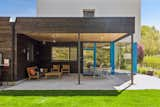
From a market perspective, properties like Good Energy Haus are actively reshaping value propositions in real estate. While the initial investment for a certified high-performance home may be higher than for a standard new build, the long-term cost of ownership is demonstrably lower, leading to a compelling overall value. Real estate analysts are increasingly acknowledging the premium value associated with certified green and high-performance homes. Sarah Jensen, a prominent Minneapolis real estate analyst, observes, "Properties that offer such significant energy independence and a minimal environmental footprint are becoming exceptionally desirable. They appeal not only to environmentally conscious buyers but also to those seeking long-term financial stability and superior comfort in their living spaces. This trend is not merely a niche but a rapidly accelerating segment of the luxury and modern home market, particularly in urban areas where sustainable solutions are highly valued."
Furthermore, the construction methodologies inherent in Passive House homes often result in enhanced durability and significantly reduced maintenance requirements over the building’s lifespan. The robust building envelope and selection of high-quality, resilient components are designed for longevity, further contributing to the home’s overall enduring value. Good Energy Haus stands as a powerful example of how sophisticated urban living can be seamlessly integrated with advanced environmental performance, providing a scalable blueprint for future sustainable residential developments, not just in Minneapolis but across comparable urban landscapes.
Beyond Energy: Holistic Health, Comfort, and Environmental Stewardship
The benefits of Good Energy Haus extend beyond mere energy efficiency; they encompass a holistic approach to living that prioritizes the health, comfort, and overall well-being of its occupants, alongside a deep commitment to environmental stewardship. The continuous circulation of fresh, filtered air throughout the house ensures a superior indoor environment, free from common allergens, pollutants, and stale air often found in less airtight homes. This feature is particularly beneficial for individuals with respiratory sensitivities, offering a tangible improvement in daily life quality. The profound quietness achieved through the building’s robust insulation and airtightness creates a peaceful sanctuary, allowing residents to escape the incessant noise of urban life. The stable indoor temperatures, maintained year-round without significant fluctuations, provide consistent comfort, eliminating cold spots in winter and excessive heat in summer.
Environmentally, the home’s commitment to climate neutrality and a reduced carbon footprint is exemplary. By operating entirely without fossil fuels and generating its own renewable energy, Good Energy Haus directly contributes to local and global efforts to combat climate change. It minimizes greenhouse gas emissions associated with residential energy consumption, setting a powerful example for responsible development. The inclusion of rain gardens in the landscape design further illustrates this comprehensive approach to sustainability. These natural features not only enhance the aesthetic appeal of the property but also play a crucial ecological role by effectively managing stormwater runoff, mitigating urban heat island effects, and supporting local biodiversity. They demonstrate how passive strategies can be seamlessly integrated into the landscape to achieve broader environmental benefits.
A Blueprint for the Future of Urban Living
The existence and availability of Good Energy Haus represent more than just a real estate listing; they underscore a critical evolution in architectural philosophy and homeowner expectations. As global initiatives to address climate change intensify, the built environment remains a key sector for reducing carbon emissions. An all-electric, climate-neutral home powered by on-site renewable energy directly confronts these challenges, offering a practical and inspiring pathway toward a more sustainable and resilient future.
The architect’s decision to inhabit this very design for their personal residence imbues the project with a deep layer of authenticity and confidence, serving as a powerful endorsement of the principles and performance of the Passivhaus standard. It sends a clear message that embracing sustainability does not necessitate a compromise on luxury, modern amenities, or architectural distinction; rather, it elevates them through intelligent design and superior engineering. Good Energy Haus is a prime example of how innovative solutions can transform residential spaces into models of ecological responsibility and high-performance living.
In conclusion, Good Energy Haus is a meticulously crafted, high-performance living machine designed for the demands and aspirations of the 21st century. It offers an unparalleled combination of architectural excellence, energy independence, profound environmental responsibility, and superior indoor comfort. For the discerning buyer who values innovation, long-term financial prudence, and a genuinely sustainable lifestyle, this Minneapolis residence presents a unique opportunity to invest in a future-proof home that truly delivers on its promise of "Good Energy." Its prominent presence on the market highlights the increasing feasibility and desirability of truly sustainable urban living, establishing a compelling precedent for developers and homeowners nationwide.