admin
admin
PopStroke, a preeminent leader in the rapidly expanding golf entertainment and "eatertainment" sector, has officially announced the launch of its "Kids Eat Free" program, a strategic initiative designed to enhance the value proposition for families and drive long-term brand loyalty. This new program allows children aged 12 and under to be added to any existing adult PopStroke membership for a monthly fee of $20. Under the terms of this membership, each child is entitled to unlimited rounds of mini-golf and one complimentary meal from the kids’ menu every day of the week. This development marks a significant shift in the company’s membership structure, aiming to transition the venue from an occasional destination to a daily community hub for families.
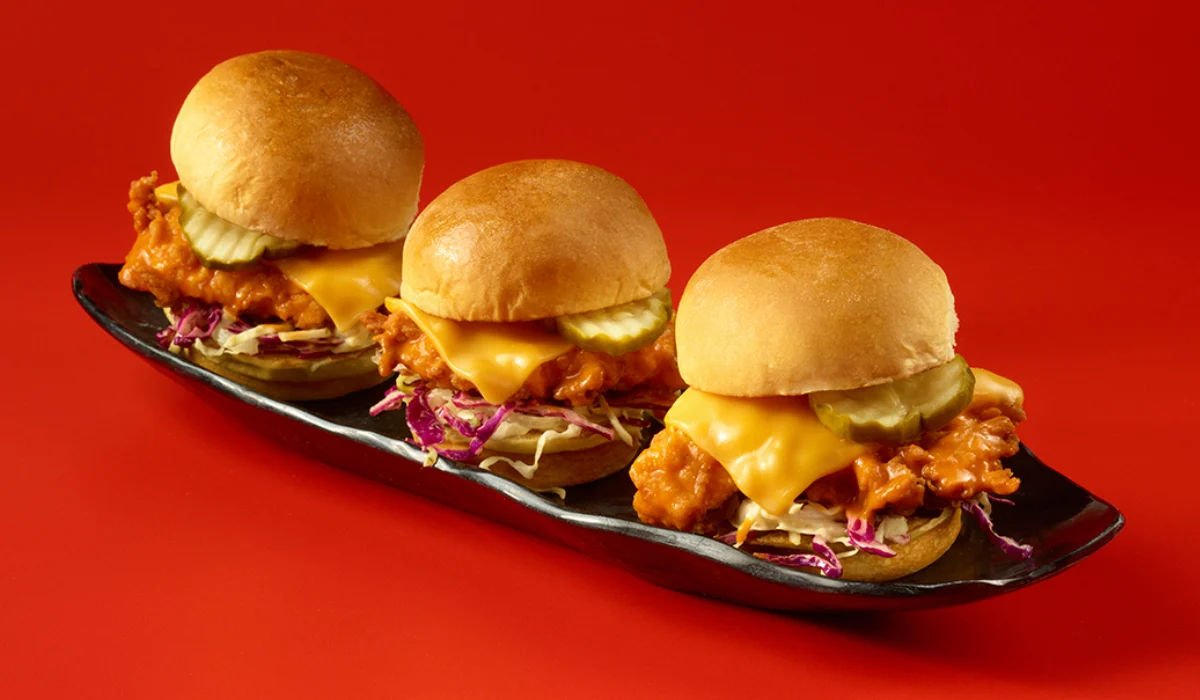
The program’s benefits extend beyond the membership model to include casual visitors as well. Families who purchase a "kids day pass" for their children will also receive a complimentary kids’ meal, ensuring that the value-driven approach applies to both first-time guests and returning members. The kids’ menu features a variety of traditional favorites, such as chicken tenders, cheeseburgers, and macaroni and cheese, specifically curated to appeal to younger demographics while maintaining the high culinary standards the brand has established across its 21 national locations.
Strategic Implementation of the Kids Eat Free Initiative
The introduction of the Kids Eat Free program is a calculated move to capture a larger share of the family entertainment market during a period of shifting consumer spending habits. By integrating a dining benefit with its core golf product, PopStroke is leveraging a "loss leader" strategy in its food and beverage department to drive higher volume and recurring revenue through its membership tiers. Adult members already receive unlimited golf and a 20% discount on all food and beverage purchases, and the addition of a low-cost $20 add-on for children creates a compelling financial incentive for families to visit multiple times per month.
Greg Bartoli, the Founder and Chief Executive Officer of PopStroke, emphasized that the program is rooted in the company’s foundational mission to provide a multi-generational social environment. According to Bartoli, the goal is to make PopStroke a preferred destination for everyday activities, such as dinner after sports practice or weekend outings, rather than just a venue for special occasions. The focus on value is particularly relevant in the current economic climate, where families are increasingly seeking out entertainment options that offer comprehensive experiences—combining activity, dining, and socialization—within a single, predictable price point.
The Evolution of PopStroke and the Tiger Woods Partnership
To understand the significance of this program, it is essential to examine the trajectory of PopStroke since its inception. Founded in 2018 by Greg Bartoli, the company underwent a transformative shift in 2019 when it entered into a strategic partnership with Tiger Woods and his firm, TGR Design. This partnership elevated the brand from a standard mini-golf facility to a sophisticated golf entertainment venue. Unlike traditional miniature golf courses that rely on fiberglass obstacles and whimsical themes, PopStroke courses are designed with synthetic turf that mimics the contours, undulations, and challenges of professional-grade putting greens.
In early 2023, the company’s growth was further accelerated through a partnership with TaylorMade Golf Company, which joined the ownership group alongside TGR Ventures and Bartoli. This collaboration brought additional industry expertise and equipment integration, further solidifying PopStroke’s position as a premium entertainment brand. The company’s growth has been aggressive, expanding from its initial location in Port St. Lucie, Florida, to 21 locations across states including Arizona, Texas, Florida, and Alabama, with several more in the development pipeline for 2024 and 2025.
The Rising Dominance of the Eatertainment Sector
PopStroke operates within the "eatertainment" industry, a sector of the hospitality market that combines high-quality dining with competitive socialization. This industry has seen a massive influx of capital and consumer interest over the last decade, led by pioneers like Topgolf and followed by niche players in pickleball, bowling, and high-tech darts. Data from market research firms suggests that the global eatertainment market is projected to grow at a compound annual growth rate (CAGR) of over 10% through 2030, driven by a millennial and Gen Z preference for "experiences over things."
For PopStroke, the "Kids Eat Free" program is a way to differentiate itself within this crowded field. While many eatertainment brands focus on a nightlife-heavy or corporate-event-heavy demographic, PopStroke’s emphasis on putting—a skill accessible to all ages—allows it to lean more heavily into the family demographic. The inclusion of a free meal for children reduces the "friction" of the dining decision for parents, making the venue a "one-stop shop" for an evening’s entertainment.
Economic Implications of the Membership Model
The shift toward membership-based revenue is a growing trend across the entertainment landscape. By offering a $20 monthly add-on for children, PopStroke is building a base of predictable, recurring revenue. This model is advantageous for several reasons:
- Retention and Frequency: Members are statistically more likely to visit the venue more often to "maximize" the value of their subscription. This increased foot traffic leads to higher ancillary spending on adult meals, alcoholic beverages, and merchandise.
- Customer Lifetime Value (CLV): Engaging children at a young age fosters brand loyalty that can last for decades. As these children grow, they transition from the kids’ menu to the full-service restaurant and eventually become adult members themselves.
- Data Collection: Membership programs allow PopStroke to collect valuable data on consumer behavior, visit frequency, and dining preferences, enabling more targeted marketing efforts and operational improvements.
Industry analysts suggest that the inclusion of "free" components in a membership often pays for itself through the increased "dwell time" of the customer. A family that stays for a free meal is likely to spend more time on the course and potentially purchase additional refreshments that they might have otherwise skipped if they were dining elsewhere.
Technological Integration and Course Design
A key component of the PopStroke experience that supports these family initiatives is the integration of proprietary technology. Each location features a mobile app that allows guests to order food and drinks directly to their location on the course. This "on-course delivery" system is particularly popular with families, as it eliminates the need to stand in long lines at a concession stand or disrupt the flow of the game.
Furthermore, the physical environment of PopStroke is designed to be inclusive. The locations typically feature two 18-hole putting courses, expansive outdoor seating areas, Jumbotrons for viewing sporting events, and playgrounds. The use of professional-grade synthetic turf by TGR Design ensures that the courses are durable and provide a consistent experience, regardless of weather conditions. This high-end approach to "mini-golf" appeals to serious golfers who want to practice their short game, while the accessible nature of putting ensures that a five-year-old can compete with their grandparents.
Consumer Trends and the Shift Toward Experiential Dining
The "Kids Eat Free" initiative aligns with broader consumer trends where the distinction between "going out to eat" and "going out to do something" is blurring. According to recent hospitality industry reports, nearly 75% of consumers are looking for unique dining experiences that offer more than just a meal. For families, this trend is even more pronounced. Parents are looking for environments where their children can be active and engaged, allowing the adults to socialize in a relaxed, full-service restaurant setting.
The PopStroke menu reflects this shift. While the kids’ menu covers the basics, the main menu for adults includes craft cocktails, local brews, and chef-driven entrees that rival traditional sit-down restaurants. By offering the kids’ meal for free, PopStroke removes the financial burden of the children’s portion of the bill, potentially encouraging parents to trade up to more premium items on the adult menu.
Future Expansion and Long-Term Strategic Goals
With 21 locations currently operational, PopStroke is in the midst of an ambitious national expansion plan. The company has identified high-growth markets in the Sun Belt and beyond, with upcoming openings scheduled for major metropolitan areas. The "Kids Eat Free" program is expected to be a standardized feature across all new locations, serving as a core pillar of the brand’s market-entry strategy.
As PopStroke continues to scale, it faces competition from other golf-centric entertainment brands. However, its specific focus on the "putting-only" model gives it a unique footprint. Unlike driving-range-based concepts that require massive amounts of land and high capital expenditures for netting and lighting, PopStroke’s footprint is more flexible, allowing it to move into suburban developments and urban centers more easily.
The long-term success of the "Kids Eat Free" program will likely be measured by the growth of the PopStroke membership base and the increase in mid-week foot traffic. By positioning itself as a value-oriented, family-friendly destination, PopStroke is not just selling a game of golf; it is selling a recurring social habit. As the company continues to evolve under the leadership of Greg Bartoli and the influence of partners like Tiger Woods and TaylorMade, the focus remains on creating a sustainable business model that bridges the gap between professional sports standards and casual family fun.