admin
admin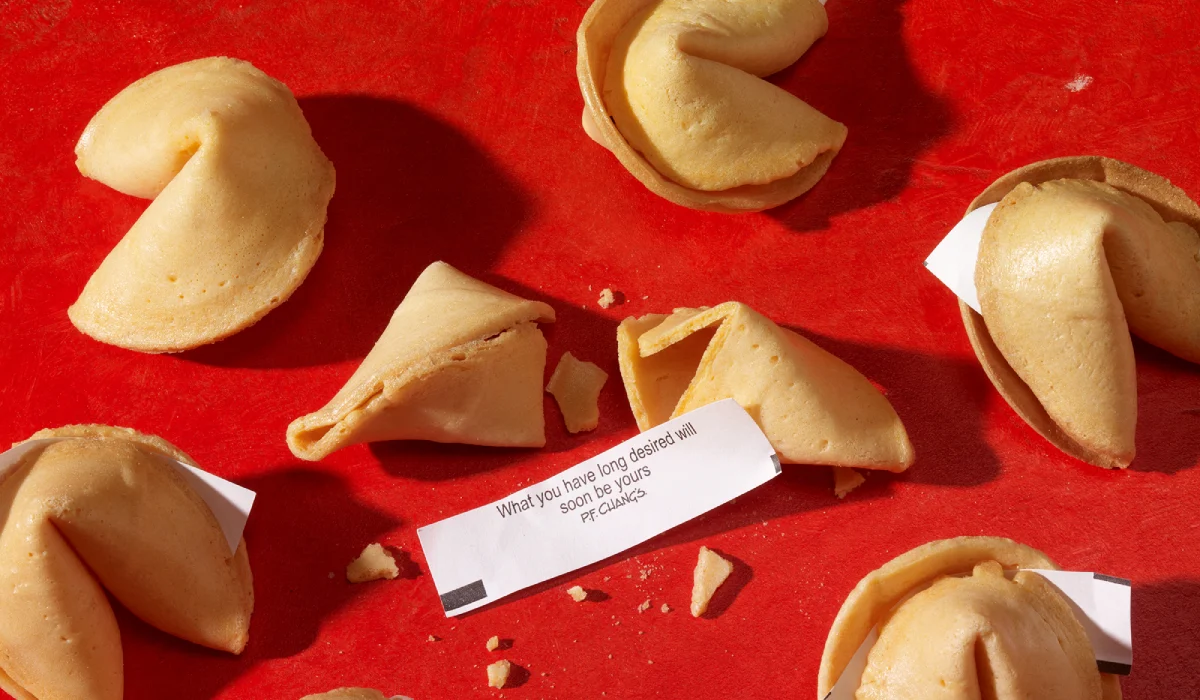
P.F. Chang’s, the globally recognized leader in polished casual Asian dining, has officially inaugurated its "Good Fortune" campaign, a multi-faceted weeklong initiative designed to commemorate National Fortune Cookie Day on July 20. The campaign, which extends through July 27, represents a strategic effort by the brand to deepen its engagement with guests, reward its workforce, and foster meaningful connections within the local communities where its restaurants operate. By blending digital innovation with grassroots community outreach and social media engagement, P.F. Chang’s aims to transform a traditional end-of-meal staple into a broader celebration of positivity and corporate social responsibility.
The Digital Evolution of the Fortune Cookie Experience
Central to the "Good Fortune" campaign is a sophisticated digital platform hosted on the P.F. Chang’s National Fortune Cookie Day webpage. Between July 20 and July 27, guests are invited to interact with a custom-built Fortune Cookie Generator. This digital tool serves a dual purpose: it provides users with a personalized "fortune" intended to inspire optimism, while simultaneously delivering a surprise offer that can be redeemed at P.F. Chang’s locations.
This digital activation is a key component of the brand’s broader data-driven marketing strategy. By integrating the generator with the P.F. Chang’s Rewards program, the company is leveraging the holiday to drive new memberships and increase the lifetime value of existing customers. New members who join the loyalty program during this period are eligible for a welcome offer of $10 off a purchase of $50 or more. Meanwhile, existing members are incentivized to visit during the campaign week with an offer for a free order of dumplings with the purchase of any entrée, valid through August 10.
Marketing analysts note that such gamified digital experiences are becoming essential for casual dining brands seeking to capture the attention of younger, tech-savvy demographics. By offering a "surprise and delight" mechanism, P.F. Chang’s is effectively bridging the gap between the physical dining room and the digital space, ensuring the brand remains top-of-mind even when consumers are not on-site.
Social Media Strategy and Influencer Collaborations
Beyond the website, the "Good Fortune" campaign is heavily concentrated on social media platforms, including Instagram, TikTok, and X (formerly Twitter). On National Fortune Cookie Day itself, the brand’s social media teams are tasked with real-time engagement, responding to follower comments with personalized fortunes. This high-touch interaction is designed to humanize the brand and foster a sense of community among its digital audience.
The campaign also features a robust influencer marketing component. P.F. Chang’s has partnered with a diverse array of content creators to produce "feel-good" content that highlights the joy of connection. These partnerships include creative and "social-first" activations, such as:
- Fortune Cookie Nails: A collaboration with beauty influencers to showcase nail art inspired by the iconic shape and aesthetic of the fortune cookie.
- Fortune Cookie Surprise & Delights: Capturing real-time reactions as influencers surprise unsuspecting individuals with positive messages and P.F. Chang’s gift cards.
- Fortune Cookies by Birth Month: A series of posts categorizing "fortunes" based on astrological signs or birth months, a format that traditionally sees high levels of shareability and user interaction.
This social strategy reflects a modern understanding of brand building, where the goal is not merely to advertise a product, but to create "viral-ready" moments that resonate with the values of the target audience.
Community Outreach and the "Good Fortune" Challenge
Perhaps the most significant departure from standard promotional campaigns is the emphasis P.F. Chang’s is placing on community service. The "Good Fortune" campaign includes a structured outreach program where regional managers and local restaurant teams are empowered—and encouraged—to perform acts of kindness within their jurisdictions.
The brand has directed its teams to organize food donations and support initiatives for local first responders, including fire departments and police stations. Additionally, teams are reaching out to nursing homes, animal shelters, and various non-profit community organizations. To amplify the impact of these efforts, P.F. Chang’s has introduced an internal "challenge" system, where participating locations are encouraged to share their charitable activities on internal and external channels, challenging other P.F. Chang’s restaurants and even neighboring businesses to match their contributions.
This focus on Corporate Social Responsibility (CSR) is increasingly vital in the hospitality industry. Industry data suggests that consumers, particularly those in the Millennial and Gen Z cohorts, are more likely to frequent establishments that demonstrate a commitment to local community welfare. By decentralizing the outreach and allowing local managers to choose the beneficiaries, P.F. Chang’s ensures that the "Good Fortune" campaign feels authentic and impactful at a neighborhood level.
Historical Context: The Origin of the Fortune Cookie
While National Fortune Cookie Day is a modern marketing creation, the history of the fortune cookie itself provides a rich backdrop for the campaign. Despite their ubiquitous presence in American Chinese restaurants, fortune cookies are largely an American invention with roots in Japanese culinary traditions.
Most historians trace the cookie’s origins to 19th-century Kyoto, Japan, where a similar cracker known as tsujiura senbei was produced. These crackers were larger, darker, and flavored with miso and sesame rather than the vanilla and butter common in the modern American version. The "fortunes" were tucked into the fold of the cracker rather than inside the hollow center.
The transition to the United States occurred in the early 20th century, primarily in California. Two main figures are often credited with the invention: Makoto Hagiwara, a Japanese immigrant who managed the Japanese Tea Garden in San Francisco’s Golden Gate Park, and David Jung, a Chinese immigrant who founded the Hong Kong Noodle Company in Los Angeles. By the time of World War II, the cookies had become a staple of Chinese restaurant menus across the country, largely because Chinese restaurateurs were the primary providers of Asian cuisine to American servicemen and civilians alike.
P.F. Chang’s, founded in 1993 by Paul Fleming and Philip Chiang, has long embraced the fortune cookie as a final "moment of connection" at the end of a meal. By centering a weeklong campaign around this item, the brand is tapping into a deep-seated cultural tradition that symbolizes hope and the anticipation of what the future holds.
Economic Implications and Loyalty Program Growth
The "Good Fortune" campaign comes at a time when the casual dining sector is facing increased competition from fast-casual outlets and rising operational costs. For P.F. Chang’s, the campaign serves as a strategic lever to boost guest frequency and average check size during the mid-summer period, which can occasionally see a dip in indoor dining as consumers favor outdoor activities.
The focus on the P.F. Chang’s Rewards program is particularly noteworthy. Loyalty programs are no longer just about discounts; they are sophisticated data collection engines that allow brands to understand consumer behavior, preferences, and dining patterns. By offering a $10 discount for new members and a free appetizer for existing ones, P.F. Chang’s is investing in customer acquisition and retention.
Data from the National Restaurant Association indicates that loyalty members spend, on average, 20% to 30% more per visit than non-members. Furthermore, the ability to send targeted, personalized offers via email or mobile apps allows P.F. Chang’s to drive traffic during "shoulder periods" or promote specific menu items with high margins. The "Good Fortune" campaign, therefore, is as much an exercise in economic sustainability as it is in brand building.
Chronology of the "Good Fortune" Campaign
To ensure maximum reach, the campaign has been structured with a clear timeline of events:
- July 15–19: Pre-campaign "teasers" on social media, introducing the concept of National Fortune Cookie Day and the upcoming digital generator.
- July 20 (National Fortune Cookie Day): The official launch. The digital Fortune Cookie Generator goes live. Social media teams begin real-time responses. Community outreach events commence at various locations nationwide.
- July 21–24: Influencer content begins to circulate, featuring the "Fortune Cookie Nails" and surprise-and-delight videos. Regional managers report on their community donations.
- July 25–27: The final push for Rewards program sign-ups. The digital generator remains active, and the "community challenge" reaches its peak.
- July 27: The formal conclusion of the "Good Fortune" campaign, though the Rewards offers remain valid through early August to ensure sustained foot traffic.
Industry Analysis: The Shift Toward Experiential Dining
The P.F. Chang’s campaign reflects a broader trend in the restaurant industry: the shift toward "experiential dining." In an era where food delivery is more accessible than ever, brick-and-mortar restaurants must offer something that cannot be replicated at home.
"A fortune cookie is more than just a sweet treat; it’s an interactive experience," says one industry analyst. "By expanding that experience into the digital realm and the community service realm, P.F. Chang’s is creating multiple touchpoints for the consumer. They aren’t just selling Mongolian Beef; they are selling a moment of ‘Good Fortune.’ That emotional resonance is what builds brand loyalty in a crowded marketplace."
The campaign’s success will likely be measured by several Key Performance Indicators (KPIs), including the number of new Rewards sign-ups, the redemption rate of the "Good Fortune" offers, and the total social media reach of the influencer partnerships. However, the qualitative impact—the "goodwill" generated by the community outreach—may prove to be the most lasting legacy of the initiative.
Conclusion and Future Outlook
As the "Good Fortune" campaign rolls out across participating P.F. Chang’s restaurants nationwide, it serves as a blueprint for how legacy brands can modernize their marketing efforts without losing sight of their core identity. By focusing on the universal themes of positivity and connection, P.F. Chang’s is positioning itself as a community-centric brand that values its guests beyond the transaction.
The weeklong celebration of National Fortune Cookie Day is expected to draw thousands of participants to the digital generator and result in significant contributions to local charities and first responder organizations. For P.F. Chang’s, the campaign is an investment in the brand’s future—a future where "Good Fortune" is shared by employees, guests, and the community alike.
With the campaign running through July 27, the brand encourages all fans of Asian cuisine and seekers of "good fortune" to visit their local P.F. Chang’s or engage with the brand online to participate in this nationwide celebration of connection.