admin
admin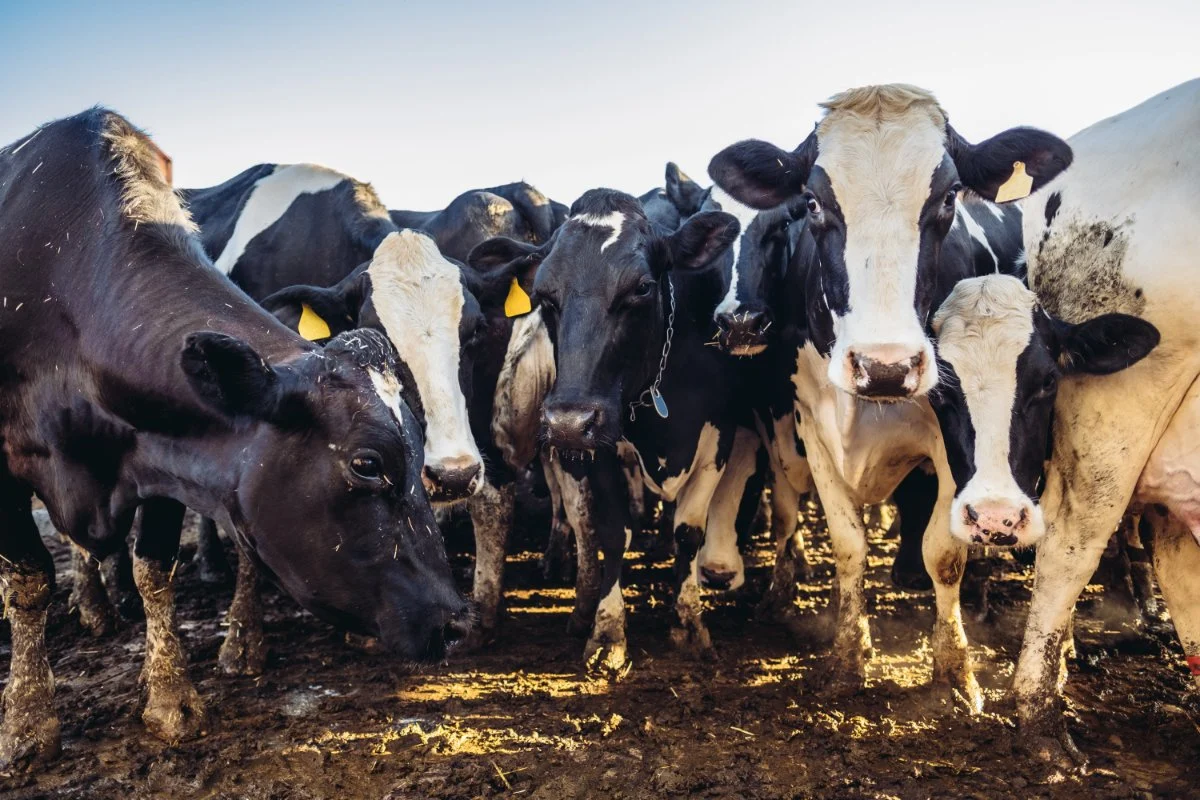
The promise of transforming vast quantities of animal waste into clean energy, once hailed as a beacon of sustainability for industrial agriculture, is now confronting a turbulent reality. Biodigester technology, designed to capture methane from manure lagoons at concentrated animal feeding operations (CAFOs) and convert it into biogas or renewable natural gas (RNG), is experiencing a significant shift in its economic and regulatory landscape. As federal and state subsidies that fueled a boom in the early 2020s begin to wane, and environmental and community opposition intensifies, these systems stand at a critical inflection point, with their long-term viability increasingly called into question.
For over two decades, Lynn Utesch and his wife, Nancy, have operated a grass-fed beef farm in Kewaunee County, central Wisconsin, a region that has dramatically transformed around them. What was once a patchwork of smaller, family-run dairy operations is now dominated by sprawling industrial dairies, each housing thousands of animals. Kewaunee County has become a stark illustration of this national trend, boasting one of the country’s highest concentrations of factory-farm dairy operations, as highlighted in a 2024 study by Friends of the Earth. These expansive dairies have not only grown in size but have also increasingly adopted biodigesters, a technology that, paradoxically, critics argue has exacerbated the very problems it was meant to solve.
The Mechanics and Initial Appeal of Biodigesters
At their core, biodigesters address a significant challenge posed by modern industrial farming: the immense volume of manure produced by CAFOs. Unlike Utesch’s grazing cows, whose droppings naturally decompose aerobically on pasture with minimal methane release, the waste from concentrated dairies is typically collected in vast, open lagoons. In these oxygen-deprived environments, anaerobic decomposition occurs, releasing substantial amounts of methane—a potent greenhouse gas with a global warming potential approximately 25 times greater than carbon dioxide over a 100-year period, according to the Intergovernmental Panel on Climate Change (IPCC). Methane emissions from agriculture, particularly livestock manure, represent a significant portion of total anthropogenic methane, making its capture an attractive proposition for climate mitigation strategies.
Biodigesters, often appearing as large, inflated domes, are designed to capture this methane-rich biogas. The captured gas can then be processed in a refinery to remove impurities, yielding Renewable Natural Gas (RNG), which is chemically almost identical to fossil-fuel natural gas. This RNG can be used to power vehicles, injected into utility pipelines, or, in simpler setups, burned directly on-site to generate electricity for farm operations or sale to the grid. The remaining byproduct, a nutrient-rich slurry known as digestate, can be applied to fields as fertilizer or dried for animal bedding.
Initially, this technology garnered significant support from policymakers and industry alike. Supporters lauded biodigesters as a dual solution: a means to reduce methane emissions from manure, thus mitigating agriculture’s contribution to climate change, and a way to generate renewable energy, potentially replacing fossil fuels. Programs at both state and federal levels, offering lucrative renewable energy credits and tax incentives, were established to accelerate their adoption. Early adopters, such as the organic Straus Family Creamery in Northern California, demonstrated the potential for farms to generate their own power and even revenue from surplus electricity, suggesting a pathway to greater farm sustainability.

Growing Skepticism and Environmental Backlash
Despite the initial enthusiasm, a chorus of critics, comprising environmental organizations, small farmers, and academics, has consistently challenged the narrative of biodigesters as a "green" solution. Their primary contention is that rather than solving the problems of industrial agriculture, biodigester incentives inadvertently encourage the expansion of CAFOs. By providing a new revenue stream from manure, these systems can make it more economically viable for dairies to add more cows, leading to an increased overall volume of waste and, consequently, greater air and water pollution.
A 2024 study by Friends of the Earth, for instance, revealed that Wisconsin dairies equipped with digesters expanded their herds at an astonishing 52 times the rate of those without. Similarly, a Stanford University study covering California from 2016 to 2025 found that dairies typically added an average of 860 cows within three years of installing a biodigester, resulting in a net increase in methane emissions, despite the capture technology. This phenomenon, where the ‘solution’ drives the growth of the ‘problem,’ is often referred to as a "perverse incentive." The logic is that the financial benefits from biogas production outweigh the costs associated with managing a larger herd, thereby accelerating the industrialization of dairy farming.
Environmental groups like Food & Water Watch argue that biodigesters are a form of "gas greenwash," masking the true environmental costs of factory farming. They point to increased air pollution from digester exhaust, which can contain volatile organic compounds and hydrogen sulfide, and persistent water contamination issues. In Kewaunee County, for example, where seven biodigesters operate within one of Wisconsin’s smallest counties, multiple studies have documented E. coli, nitrates, and other pollutants in residential wells, directly linked to manure runoff. The porous karst geology of Kewaunee County makes it particularly vulnerable to such contamination, with a 2017 study indicating animal waste as a significant contributor to well pollution. Furthermore, while proponents claim biodigesters reduce odors, residents living near these facilities, like Kathy Morrison in Michigan, report pervasive foul smells, a mix of manure and "weird chemical overtones" emanating from both pre-digester manure pits and digester exhaust. The EPA acknowledges that digestate is "much less odorous" than raw feedstock, but critics argue this does not eliminate odor issues from the entire operation.
Beyond pollution, critics highlight the economic disparities inherent in the system. Small farmers note that the substantial capital investment required for biodigesters means they predominantly benefit the largest operators, further entrenching the competitive advantage of industrial farms over smaller, more sustainable operations. Data from the American Biogas Council itself shows that only 21 farms with fewer than 500 cows currently utilize biodigesters nationwide, reinforcing the argument that the technology is primarily a tool for large-scale consolidation rather than a universal solution for the dairy sector. Academics, including Sarah D’Onofrio from the University of Tennessee-Knoxville, have also questioned the true carbon reduction benefits, suggesting that the life-cycle emissions of RNG production, including upstream methane leakage during collection and transport, and the energy required for processing and upgrading biogas, may undermine its claimed environmental advantages.
Lynn Utesch encapsulates this disillusionment, calling the notion of "green" biodigesters a "fallacy." He states, "Digesters have been touted as a cure for the many problems of the CAFO industry, while in reality all they do is multiply the problems. What digesters provide is a way for CAFOs to milk the taxpayers as much as they milk the cows."
The Shifting Sands of State and Federal Support
The financial underpinning of the biodigester boom has been a complex web of state and federal incentives, which are now facing significant challenges and undergoing reevaluation.

State-Level Retreats and Legal Battles
Many biodigesters, including those in Kewaunee County, have historically relied on revenue from California’s Low Carbon Fuel Standard (LCFS) program. This program, along with similar initiatives in states like Washington, Oregon, and Hawaii, mandates fuel companies to reduce the carbon intensity of their products. To comply, these companies can purchase credits generated by biogas producers, representing "avoided methane" emissions—the methane that would have been released from open manure lagoons. The value of these credits, however, has proven highly volatile. After soaring to over $200 per credit in early 2020, the value plummeted to just over $50 by early 2025, according to the California Air Resources Board (CARB), which administers the program. This drastic reduction in credit value significantly impacts the profitability calculations for biodigester projects, many of which were financed with projections based on higher credit prices.
In response to this decline, CARB implemented amendments in the summer of 2025 aimed at bolstering credit values and expanding eligibility to include industrial processes and hydrogen production. This move, however, was met with immediate legal action. Food & Water Watch and other environmental groups filed a lawsuit in July 2025, alleging that "the LCFS is already causing perverse outcomes that undermine the integrity of the program, harm the climate and local environmental quality," and that the 2025 amendments "will exacerbate those problems." They argue that states should design clean transportation programs that do not disproportionately benefit biodigesters, which they contend promote industrial animal agriculture. New Mexico’s recently adopted clean transportation fuel program, which includes safeguards preventing credits from being awarded based on dubious "avoided methane" emissions, is cited as a more responsible model that prioritizes genuine emissions reductions over perpetuating CAFO expansion.
Federal Funding Hurdles and Default Woes
At the federal level, the outlook is equally uncertain. The Trump administration introduced the Clean Fuel Production Credit (45Z), a new incentive that could be particularly lucrative for biodigesters due to its unique calculation method. This credit combines "avoided emissions" from methane capture with the amount of diesel fuel biogas could displace, allowing biodigester operators to claim a greenhouse gas footprint "less than zero"—effectively getting paid for "negative emissions." While the original "One Big Beautiful Bill" aimed to bar credits based on negative emissions, it notably made an exception for biogas from manure. Environmental groups are now urging the Treasury Department, which issued proposed rules for implementing the credit in February 2026, to remove this exception, arguing it creates an unfair advantage and distorts environmental accounting.
Adding to the federal uncertainty, the U.S. Department of Agriculture (USDA) has paused crucial funding streams. For years, the USDA’s Rural Energy for America Program (REAP) has supported biodigesters through grants and loan guarantees, aimed at helping rural businesses adopt renewable energy systems. An analysis by Farm Forward found that REAP provided $150 million to farm biogas projects in 2023 alone. However, in January 2026, the USDA temporarily halted federal loan guarantees for biodigesters for 90 days, citing an alarming loan delinquency rate of 28 percent. This high default rate, significantly above the average for other REAP-funded projects, raised concerns about financial stewardship and the inherent risks of these large-scale projects. This pause was extended through the end of 2026 in April, after an analysis by The New Lede identified one Wisconsin company, BC Organics, as responsible for the vast majority of these federal loan guarantee defaults. BC Organics operates just west of Kewaunee County, highlighting the localized financial risks and the potential for taxpayer exposure.
Further complicating matters, the USDA announced a broader pause of the entire REAP program on March 31, 2026, to align with an executive order barring subsidies for projects with supply chain ties to "entities of foreign concern," such as China. While the USDA’s actions were driven by financial and geopolitical concerns, environmental and community groups have applauded the moves, viewing them as a potential end to what they consider problematic federal support. In January 2026, a large coalition, represented by Earthjustice, filed a petition with the USDA demanding a permanent cessation of federal support for biodigesters, arguing they harm rural communities and local economies by enabling CAFO expansion and pollution. Kara Goad, senior associate attorney for Earthjustice, stated, "We ask for no more grants or loan guarantees to digesters, ever. That would be the real victory."
Local Impact: Kewaunee County as a Case Study
The transformation of Kewaunee County, Wisconsin, serves as a poignant microcosm of the broader national trends and debates surrounding biodigesters. Lynn Utesch’s recollections of milking 50 cows on his aunt’s farm in the 1970s, knowing each animal individually, starkly contrast with the modern landscape. Today, the county’s picturesque wooden barns, once emblematic of family farming, stand largely empty and crumbling, giving way to sprawling industrial complexes. Over the past 30 years, Kewaunee County has seen an 88 percent increase in the number of cows, even as the number of dairies has decreased by 82 percent, indicating a massive consolidation of animal agriculture into fewer, larger operations.

The introduction of biodigesters has paralleled this expansion. Pagel’s Ponderosa dairy was the first in Kewaunee County to install a biodigester in 2009. Three more dairies followed suit over the next three years, and by 2020, Kinnard Farms, with its herd of over 9,000 cows, also acquired a digester. Federal data shows Wisconsin having 48 biodigesters, the most of any state after California, with seven concentrated in Kewaunee—one of Wisconsin’s smallest counties. This means that, according to the Friends of the Earth study, all Kewaunee residents live within 10 miles of a biodigester.
The concentration of these facilities and the large-scale manure management they entail have profound local impacts. Each of the biodigester operations in Kewaunee County has been cited at least once for improper application of waste on land. This contributes to the widespread water quality issues in the county; multiple studies have documented E. coli and other pollutants in residential wells, directly tied to manure runoff. Residents face health risks and the expense of treating or finding alternative water sources.
Moreover, the promise of biodigesters eliminating odors has largely failed to materialize for many residents. Critics, including Utesch, lament that biodigester farms typically still maintain large pits of waste—either manure awaiting processing or the slurry remaining after digestion. These open pits, combined with exhaust from the digesters themselves, continue to generate significant foul odors, creating a pervasive nuisance and reducing the quality of life for neighboring communities. The presence of such facilities can also depress property values and deter economic development unrelated to industrial agriculture.
Industry Resilience and Emerging Markets
Despite the significant headwinds from dwindling government support and mounting opposition, the biodigester industry and its proponents remain bullish, actively exploring new avenues to ensure profitability and growth. The American Biogas Council, which notes nearly 500 biodigesters at dairies nationwide, aims for widespread adoption at all 3,000 dairies with over 500 cows, underscoring their belief in the technology’s potential. Patrick Serfass, executive director of the American Biogas Council, continues to emphasize the "very easy and attainable benefit that can be made from capturing all of that methane" from open lagoons, arguing that the environmental benefits of methane capture from existing CAFOs are undeniable, regardless of the broader debate about farm size.
The resilience of the industry stems, in part, from significant private sector investment, often from entities tied to fossil fuel companies. Companies like Brightmark RNG, a joint venture with Chevron, and Freehold Energy RNG, which operates under various LLCs and owns digesters in Michigan, illustrate how private equity and energy giants are deeply invested in the long-term viability of RNG. John Peck, executive director of Family Farm Defenders, a grassroots group, observes that while federal support lent legitimacy, "the momentum is going to come from the private sector" in the future, driven by corporate sustainability goals and the search for new revenue streams.
This private sector drive is manifesting in several emerging markets and business models:
- Food Waste Co-Digestion: Companies like Vanguard Renewables are developing biodigesters that process not only manure but also municipal food waste. This "co-digestion" significantly boosts biogas volume and generates additional revenue through tipping fees, similar to those paid to landfills. While it can reduce landfill strain and offer a solution for organic waste management, critics like Kathy Morrison warn of increased risks of spreading PFAS ("forever chemicals") and other contaminants from diverse waste streams, while also potentially propping up the biodigester business model by diversifying feedstock.
- Sustainable Maritime Fuel: Major shipping companies, including Maersk, and partners like Vanguard Renewables, are actively investigating biogas as a potential sustainable fuel