admin
admin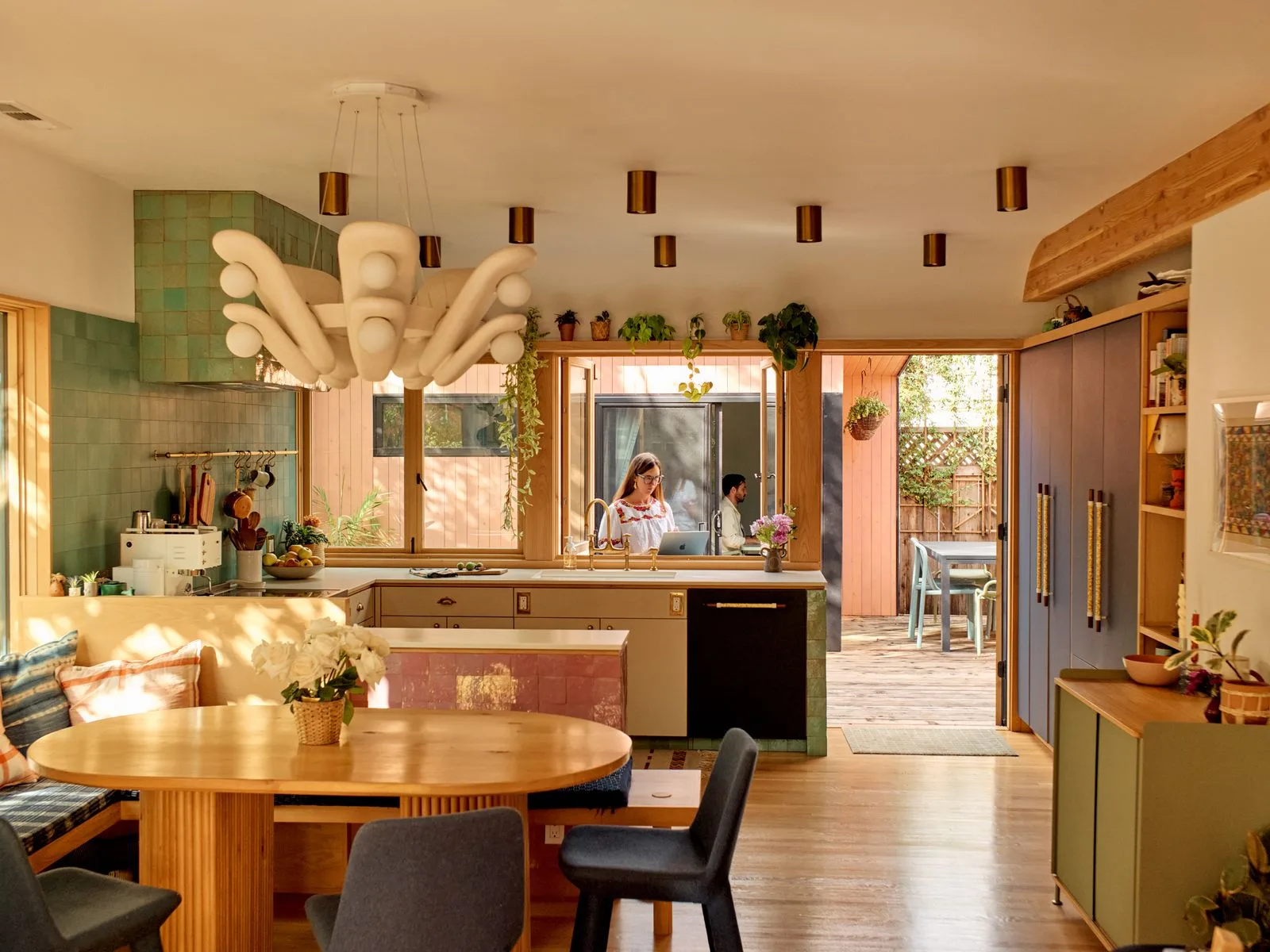
Oakland, California, a city renowned for its vibrant culture and dynamic landscape, continues to evolve as a nexus of contrasts, where historical roots intertwine with progressive aspirations. This inherent duality is strikingly evident in its urban fabric, from the bustling corridors of its tech-infused downtown, a hub of innovation and commerce, to the tranquil, verdant expanses surrounding Lake Merritt, a beloved civic jewel offering respite and recreation. It is precisely in this liminal space, just east of the lake’s shimmering waters, that a recently completed residential project stands as a profound architectural embodiment of these very dichotomies, offering a nuanced reflection of Oakland’s multifaceted identity.
Oakland’s Evolving Identity: A City of Contrasts
To understand the significance of this particular residence, one must first grasp the broader context of Oakland itself. Historically, Oakland served as a major industrial port city, a vital transportation hub, and a melting pot of diverse communities. Its working-class roots fostered a resilient spirit, which, over decades, gave rise to significant social movements, from the Black Panther Party’s activism to robust labor organizing. This legacy of social consciousness and community engagement remains a defining characteristic, shaping its political landscape and cultural expressions.
In recent years, Oakland has experienced a dramatic transformation, driven in part by an influx of residents and businesses from its more expensive Bay Area neighbors. This shift has brought with it a tech boom, a flourishing culinary scene, and a revitalization of its downtown and commercial districts. However, this growth has not been without its challenges, notably the escalating housing crisis and the ongoing struggle to maintain affordability and preserve the city’s unique cultural tapestry amidst rapid gentrification. This creates a compelling dichotomy: a city grappling with prosperity and displacement, innovation and tradition, urban density and a deep connection to its natural surroundings.
Lake Merritt: The Urban Oasis and Its Eastern Environs
Lake Merritt, often dubbed "the Jewel of Oakland," is a prime example of the city’s ability to blend urbanity with natural beauty. Designated as the first official wildlife refuge in the United States in 1870, the tidal lagoon is encircled by a 3.4-mile pathway popular with joggers, cyclists, and strollers. Its shores host a diverse array of activities, from sailing and paddle-boating to community festivals and spontaneous gatherings. The areas immediately surrounding the lake are equally diverse, ranging from the high-rise residential buildings on its western edge to the more established, tree-lined residential neighborhoods on its eastern side, which often feature a mix of historic bungalows, Craftsman homes, and mid-century modern designs.
The eastern neighborhoods, including areas like Crocker Highlands, Grand Lake, and Lakeshore, are characterized by their mature landscapes, winding streets, and a slightly more suburban feel, even while remaining within walking distance or a short drive of downtown’s vibrancy. These neighborhoods represent a quieter, more residential side of Oakland, yet they are deeply connected to the city’s core. It is within this specific context that the "Lakefront Sanctuary" residence, as it has been informally dubbed, finds its place, designed to bridge these seemingly disparate worlds.
The Lakefront Sanctuary: An Architectural Narrative
Completed in late 2025 and featured prominently in the March 2026 issue of Dwell Magazine, the Lakefront Sanctuary is a testament to thoughtful, contextual design. Commissioned by a professional couple with two young children, the project aimed to create a home that was both a private retreat and an active participant in its urban environment. The architects, a local firm known for its sustainable and community-focused projects, faced the challenge of inserting a distinctly modern structure into a neighborhood predominantly characterized by early 20th-century architecture, while simultaneously maximizing its connection to Lake Merritt without sacrificing privacy.
The design solution masterfully navigates these contrasts. From the street, the home presents a subtly contemporary yet deferential façade. Clad in reclaimed redwood and punctuated by carefully placed windows, it harmonizes with the natural materials and scale of its neighbors. This understated exterior belies an interior that opens dramatically towards the lake, employing expansive glass walls and strategically positioned terraces to draw in natural light and panoramic views. This deliberate sequencing—from modest public face to expansive private vista—is a primary means by which the home embodies Oakland’s dichotomies.
Design Philosophy and Execution: Blending Form and Function
The architectural firm articulated their vision as creating "a living narrative of Oakland itself—robust and resilient on the outside, yet open, fluid, and deeply connected to its surroundings within." The structure itself is a three-story dwelling, subtly terraced into the sloping site to minimize its visual impact from the street while maximizing the views from its upper levels. A key design element is the central atrium, which floods the core of the home with natural light, acting as a vertical conduit for air circulation and visual connection between floors.
Sustainability was a paramount concern for both the homeowners and the architects, reflecting a broader trend in Californian home design. The residence incorporates a high-efficiency HVAC system, solar panels that provide a significant portion of the home’s energy needs, and a rainwater harvesting system used for landscape irrigation. Materials were meticulously chosen for their environmental credentials, including locally sourced timber, recycled steel, and low-VOC finishes. The design also emphasizes passive cooling and heating strategies, utilizing cross-ventilation and strategic overhangs to reduce energy consumption. The project’s adherence to stringent green building standards has positioned it as a model for sustainable urban living in the Bay Area.
Interior Spaces: Adaptability, Serenity, and Play
Inside, the Lakefront Sanctuary is a study in refined functionality and serene aesthetics, directly addressing the "Interior Design" and "Kids Rooms" topics highlighted by Dwell. The ground floor houses a flexible-use space that can serve as a guest suite, a home office, or an extended family room, alongside a discreet garage. The main living areas—kitchen, dining, and living room—are situated on the second floor, offering direct access to a spacious deck overlooking the lake. The upper floor is dedicated to the private quarters, including the master suite and the children’s bedrooms.
The interior design embraces a minimalist aesthetic, characterized by clean lines, a neutral color palette, and a focus on natural textures. White oak flooring runs throughout, complemented by custom cabinetry and integrated storage solutions that maintain an uncluttered environment. Large format windows blur the lines between indoor and outdoor, allowing the vibrant greens of the surrounding landscape and the shimmering blues of Lake Merritt to become integral elements of the interior decor.
For the children’s rooms, the design team prioritized adaptability and imagination. Each room is designed as a flexible module, featuring built-in desks, convertible beds, and ample storage for toys and books. Walls are finished with durable, non-toxic paints and include magnetic or chalk-paint sections, encouraging creative expression without compromising the home’s overall aesthetic. A shared play area, strategically located adjacent to the children’s bedrooms, further emphasizes the home’s commitment to fostering a dynamic and supportive environment for its young inhabitants. The incorporation of sound-dampening materials ensures a peaceful retreat for adults even amidst active play.
Budgetary Considerations and Value Proposition
The "Budget Breakdown" aspect of the Dwell feature likely delved into the strategic financial planning that underpinned the Lakefront Sanctuary’s construction. Building in the Bay Area is notoriously expensive, with construction costs frequently exceeding national averages. According to recent data from the California Association of Realtors, the median home price in Oakland continued its upward trajectory in 2025, reflecting sustained demand. To manage costs effectively without compromising on quality or sustainability, the project adopted a phased approach to certain non-essential elements and leveraged value engineering throughout the design process.
The architects worked closely with the homeowners to identify areas where investments would yield the highest return, both in terms of functionality and long-term value. This included prioritizing high-performance windows and insulation to reduce utility costs, and investing in durable, low-maintenance materials to minimize future expenses. Custom millwork was often designed for local fabrication, supporting local artisans and reducing transportation costs. While the exact figures remain private, the Dwell article hinted at a budget that, while substantial for a bespoke home, represented a conscientious effort to achieve high-design and sustainable living within defined financial parameters, demonstrating that thoughtful planning can optimize resources even in a challenging market.
Broader Implications: A Model for Urban Living
The Lakefront Sanctuary is more than just a home; it is a case study in how contemporary architecture can respectfully integrate into established urban environments while pushing boundaries in sustainability and design. It reflects a growing desire among urban dwellers for homes that offer both connection to city life and a sense of private sanctuary, embodying the very essence of Oakland’s enduring appeal.
"This project speaks volumes about the future of urban residential design," remarked Dr. Elena Petrova, an urban planning expert at UC Berkeley, in a recent interview. "It’s about intelligently layering modern necessities onto existing urban fabric, creating spaces that are resilient, beautiful, and deeply responsive to their unique context. It acknowledges the city’s past while confidently stepping into its future."
The home’s success lies in its ability to reconcile the city’s inherent contradictions: the hustle of downtown versus the calm of Lake Merritt, historical charm versus modern innovation, and the desire for both community engagement and personal retreat. It stands as a beacon for what is possible when architects and homeowners collaborate with a shared vision to create spaces that not only shelter but also inspire and connect. As Oakland continues its dynamic evolution, projects like the Lakefront Sanctuary will undoubtedly play a crucial role in shaping its architectural identity, demonstrating that the city’s dichotomies are not merely points of tension, but rather fertile ground for creativity and progress.