admin
admin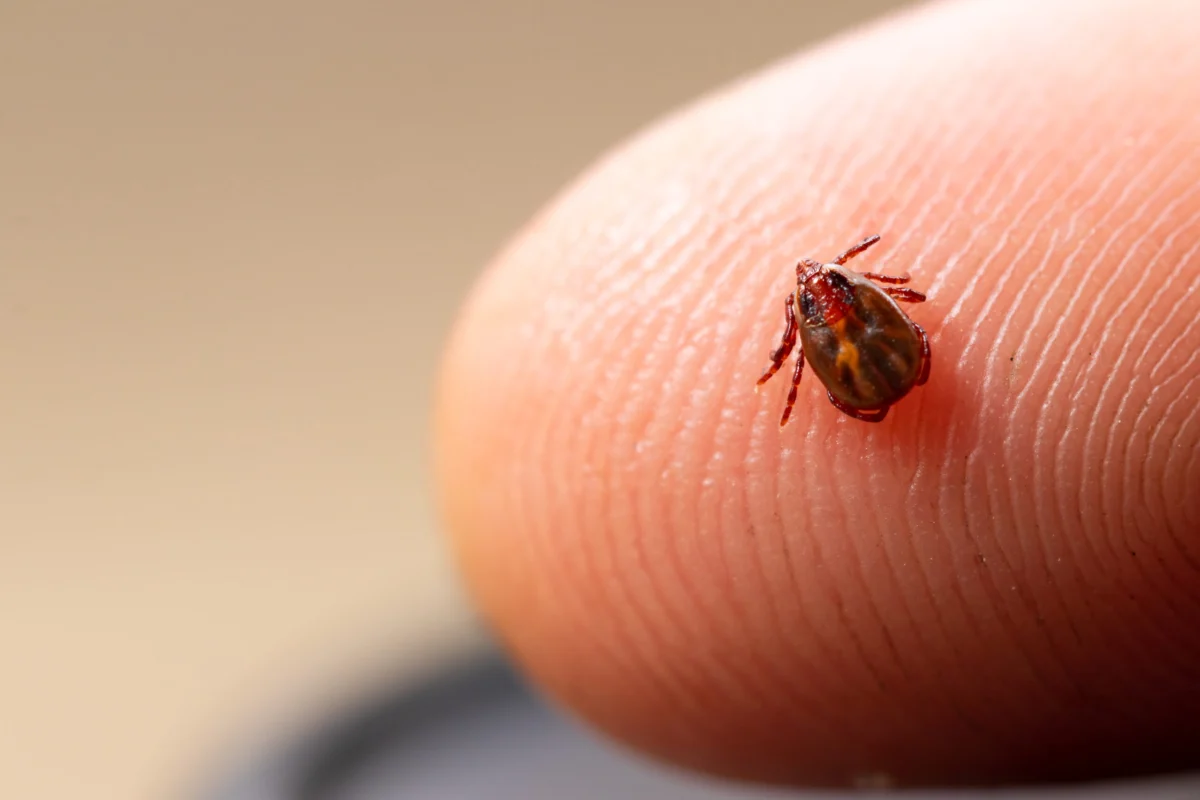
Nova Scotia is experiencing a concerning surge in tick-related illnesses this year, extending beyond the long-recognized threat of Lyme disease. The province is witnessing a significant increase in anaplasmosis, a bacterial infection transmitted by the same black-legged ticks responsible for Lyme disease. This development has prompted experts to issue warnings about the escalating risk of these pathogens, primarily driven by the province’s changing climate and ecological shifts. The evolving epidemiological landscape of tick-borne diseases presents a multifaceted challenge for public health authorities and residents alike, necessitating enhanced surveillance, public awareness, and preventative measures.
The Alarming Rise of Tick-Borne Illnesses
The most recent data from the Nova Scotia Department of Health reveals a stark picture of the growing public health challenge. As of July 26 this year (presumed to be 2026), the province has already recorded 400 cases of anaplasmosis. This figure is particularly concerning when viewed against previous full-year totals: 681 cases in all of 2025, and 466 cases in all of 2024. While the year is not yet complete, the current trajectory suggests that 2026 could see an anaplasmosis caseload approaching or even exceeding previous annual highs, indicating a sustained and intensifying presence of the pathogen.
Lyme disease, which has been a growing concern for years, continues its upward trend. Nova Scotia registered 2,788 cases of Lyme disease in 2025, a notable increase from 2,351 cases in 2024 and 2,057 in 2023. These statistics collectively underscore a worrying trend: not only is Lyme disease becoming more prevalent, but other tick-borne infections are also firmly establishing themselves and expanding their footprint within the province. This multi-pathogen threat adds layers of complexity to diagnosis, treatment, and prevention strategies, as symptoms can often overlap or mimic other common illnesses, making early identification crucial yet challenging.

The Expanding Threat: Black-legged Ticks and Pathogens
The primary vector for both Lyme disease and anaplasmosis in Nova Scotia is the black-legged tick, Ixodes scapularis. These tiny arachnids, often no larger than a poppy seed in their nymph stage, are remarkably efficient at transmitting pathogens. Their life cycle typically spans two years and involves three blood meals, usually from different hosts. Larvae feed on small mammals, particularly white-footed mice, which are significant reservoirs for the Lyme disease bacterium (Borrelia burgdorferi) and the anaplasmosis bacterium (Anaplasma phagocytophilum). Nymphs then seek blood meals from a wider range of hosts, including humans, before maturing into adults that primarily feed on larger mammals like deer.
Nicoletta Faraone, director of the Canadian Tick Research and Innovation Centre (CTRAC) and a professor at Acadia University in Wolfville, N.S., highlighted the evolving nature of this threat. "We are also seeing that anaplasma that cause anaplasmosis is on the rise. So this is an evolution of the tick species able to effectively transmit and carry other pathogens," Faraone stated. This observation points to a critical biological adaptation: as tick populations expand and encounter diverse host animals, they can acquire and transmit a broader spectrum of disease-causing agents. The increasing detection of anaplasmosis suggests that the local tick populations are not only growing in number but are also becoming more efficient at carrying and spreading multiple types of bacteria, viruses, and parasites.
Anaplasmosis, like Lyme disease, can present with a variety of non-specific symptoms, often resembling a severe flu. These can include fever, headache, chills, and muscle aches. While a distinctive "bull’s-eye" rash (erythema migrans) is a hallmark of early Lyme disease, such a clear indicator is absent in anaplasmosis. This diagnostic ambiguity underscores the importance of a detailed patient history, including potential tick exposures, and timely laboratory testing for accurate diagnosis and appropriate antibiotic treatment. Untreated anaplasmosis can lead to severe complications, particularly in immunocompromised individuals, affecting various organ systems and potentially leading to hospitalization.
Driving Factors: Climate Change and Ecological Shifts
The surge in tick-borne diseases is not an isolated phenomenon but rather a complex interplay of environmental and ecological factors, with climate change emerging as a significant driver. The Nova Scotia Department of Health explicitly acknowledges this connection, stating, "Climate change, and longer, warmer seasons may be helping ticks to spread and stay active for more of the year." This extended period of tick activity directly increases the window of opportunity for human exposure, making encounters with ticks more frequent in everyday settings.

Warmer winters play a crucial role. Milder temperatures allow a greater proportion of tick larvae and nymphs to survive the colder months, leading to larger adult populations in subsequent seasons. Furthermore, longer and warmer spring and autumn periods extend the active foraging season for ticks. Historically, tick activity would wane significantly with the onset of cold weather, but now, ticks can remain active well into late autumn and even emerge during unseasonably warm spells in winter, posing a year-round threat in some areas.
Beyond climate, changes in landscape use and wildlife populations are also critical contributors. Faraone noted, "There is also the changes in the landscape use and also the wildlife population because we know very well ticks need a blood meal to survive." The white-tailed deer population, in particular, plays a pivotal role in the tick life cycle. Adult black-legged ticks primarily feed and mate on deer, and a robust deer population provides ample hosts for ticks to reproduce and disperse. As human development encroaches upon natural habitats, leading to habitat fragmentation and increased interface between suburban areas and forests, deer and other wildlife hosts are driven into closer proximity with human populations. This brings ticks into residential areas, parks, and recreational spaces, increasing the risk of human-tick encounters.
Other wildlife, such as small rodents (mice, voles, squirrels) and migratory birds, also contribute to the spread of ticks and the pathogens they carry. Rodents serve as crucial reservoirs for bacteria like Borrelia burgdorferi, while birds can transport ticks over long distances, introducing them to new geographical areas where they may not have previously existed. The complex web of host-pathogen-vector interactions creates a dynamic and ever-changing risk map for tick-borne diseases.
Public Health Response and Expert Insights
In response to the escalating threat, public health authorities in Nova Scotia and across Canada are intensifying their efforts in surveillance, public education, and prevention. The Canadian Tick Research and Innovation Centre, under the direction of Dr. Faraone, is at the forefront of understanding tick ecology and the epidemiology of tick-borne diseases. Their research is vital for developing effective public health strategies, including improved diagnostic tools, risk mapping, and community-based interventions.

The Nova Scotia Department of Health regularly updates its guidelines and public advisories, emphasizing personal protective measures. These include wearing long sleeves and pants when in wooded or grassy areas, using insect repellents containing DEET or Icaridin, and performing thorough tick checks after spending time outdoors. The department also encourages prompt and proper removal of any attached ticks to minimize the risk of pathogen transmission. Transmission of Lyme disease bacteria, for example, typically requires the tick to be attached for at least 24-36 hours, highlighting the effectiveness of early removal.
Health officials across the country have observed a similar uptick in tick-borne diseases, indicating a national trend rather than an isolated provincial issue. This broader pattern necessitates coordinated national surveillance efforts and shared best practices among provinces and territories to effectively manage the public health challenge. The Public Health Agency of Canada (PHAC) and provincial health authorities collaborate on monitoring tick populations, tracking disease incidence, and developing educational materials for both healthcare providers and the general public.
Beyond Lyme: Emerging Concerns and Other Pathogens
While Lyme disease and anaplasmosis are currently the most prominent tick-borne threats, researchers are also monitoring other emerging concerns. One such condition gaining attention is alpha-gal syndrome (AGS), a rare but potentially severe allergy to red meat and other mammalian products. AGS is linked to bites from certain ticks, including the black-legged tick, which can transmit alpha-gal, a sugar molecule found in most mammals but not in humans. When an alpha-gal molecule is introduced into a susceptible person’s bloodstream by a tick bite, their immune system can develop antibodies to it, leading to allergic reactions upon consuming red meat. Symptoms can range from hives and gastrointestinal distress to life-threatening anaphylaxis, often with a delayed onset of several hours after exposure. The emergence of AGS adds another layer of complexity to the public health discourse surrounding ticks, as it represents a non-infectious, yet significant, health consequence of tick bites.
Furthermore, black-legged ticks can carry other pathogens, such as the Babesia microti parasite (causing babesiosis, a malaria-like illness) and the Powassan virus, a rare but serious cause of encephalitis. While cases of these particular infections remain less common in Nova Scotia, their potential presence underscores the importance of continued surveillance and research into the full spectrum of tick-borne threats. The ability of a single tick to carry multiple pathogens (co-infection) can also complicate diagnosis and lead to more severe or prolonged illness.

Prevention and Mitigation Strategies
Given the expanding threat, prevention remains the most effective strategy against tick-borne diseases. Nicoletta Faraone emphasizes the critical importance of avoiding bites altogether. "Because even if you have a tick attached on you, if you do your tick check right away and the tick is attached just for a couple of hours, you will be most likely fine," she advised. This highlights the time-sensitive nature of pathogen transmission and the efficacy of early detection and removal.
Key prevention measures include:
- Personal Protection: When venturing into areas where ticks are likely (wooded, bushy, or grassy areas), wear light-colored clothing to spot ticks more easily. Tuck pants into socks and wear long-sleeved shirts. Apply an approved insect repellent containing DEET or Icaridin to exposed skin and clothing, following product instructions carefully.
- Tick Checks: After spending time outdoors, conduct a thorough head-to-toe tick check on yourself, children, and pets. Pay close attention to areas like the scalp, behind the ears, armpits, groin, and behind the knees.
- Prompt Removal: If a tick is found, remove it immediately and carefully using fine-tipped tweezers. Grasp the tick as close to the skin’s surface as possible and pull upward with steady, even pressure. Avoid twisting or jerking, which can cause the mouthparts to break off and remain in the skin. Clean the bite area with soap and water or an antiseptic.
- Yard Management: Keep lawns mowed, clear leaf litter, and create a barrier of wood chips or gravel between lawns and wooded areas to deter ticks from entering recreational spaces.
- Pet Protection: Consult veterinarians about tick prevention products for pets, as they can bring ticks into the home environment.
The ongoing research at institutions like CTRAC is also crucial for developing advanced mitigation strategies. This includes ecological studies to understand tick habitats and population dynamics, development of rapid diagnostic tests, and potentially even vaccine research for humans. Public awareness campaigns are continuously being refined to educate residents about the risks, symptoms, and preventive actions, ensuring that Nova Scotians are equipped with the knowledge to protect themselves and their families.
The rising incidence of anaplasmosis alongside persistent Lyme disease cases signals a significant and evolving public health challenge for Nova Scotia. As climate patterns continue to shift and human-wildlife interactions intensify, the threat of tick-borne illnesses is likely to grow. A comprehensive and multi-pronged approach, encompassing robust surveillance, cutting-edge research, proactive public health campaigns, and individual vigilance, will be essential in mitigating the impact of these microscopic, yet formidable, vectors on the health and well-being of the province’s residents. The collective efforts of scientists, healthcare providers, policymakers, and the public are paramount in navigating this complex environmental health issue.