admin
admin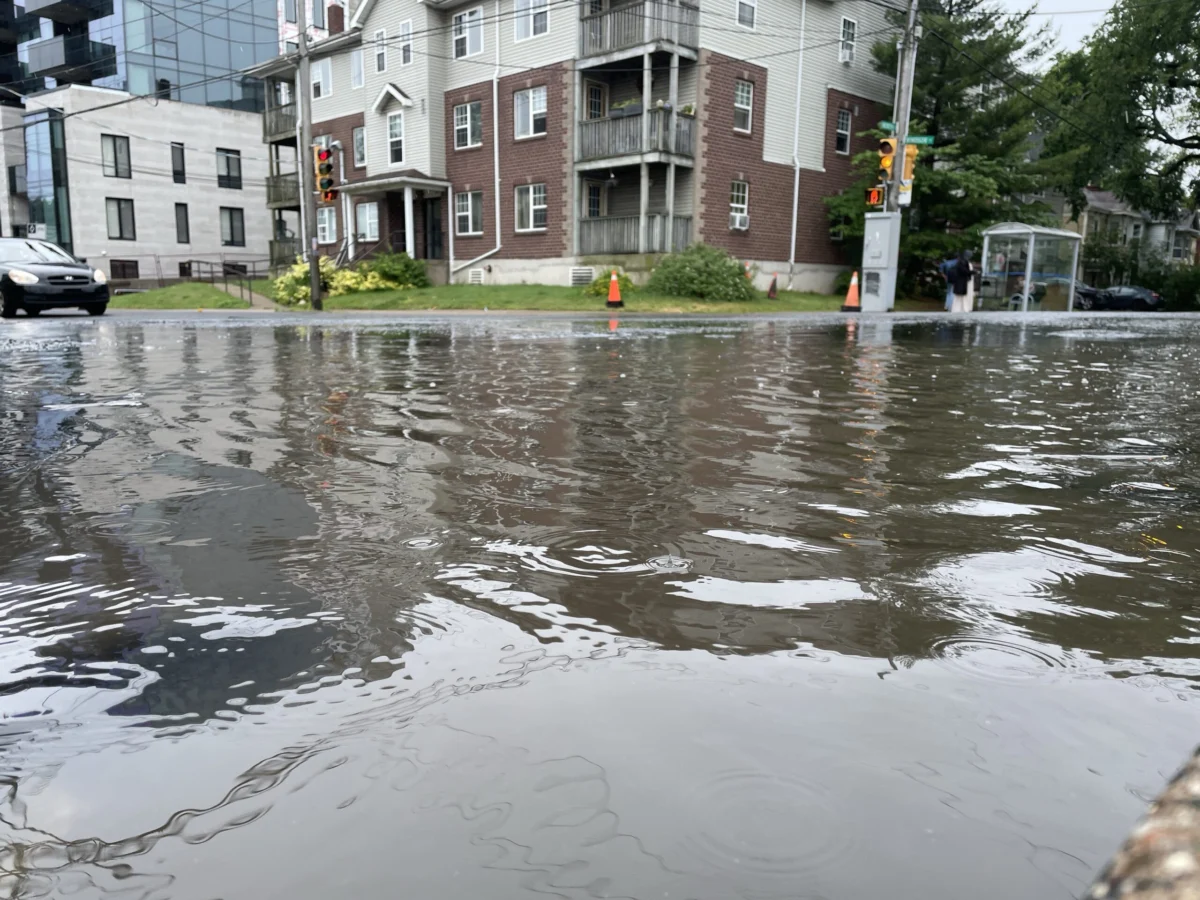
Nova Scotia is currently under a yellow rainfall warning issued by Environment Canada, prompting urgent calls from the province’s emergency management minister for residents to heed the forecast with utmost seriousness. Up to 60 millimeters of rain are anticipated to fall across southwest Nova Scotia and along the Atlantic coast, with meteorologists cautioning that localized thunderstorms could significantly increase these totals. The heavy precipitation is expected to persist until Thursday afternoon, with particular concern focused on low-lying areas along the Atlantic coastline, which face an elevated risk of flooding. This warning carries a potent historical weight, coinciding with the three-year anniversary of devastating flash floods that tragically claimed four lives in the municipality of West Hants.
The Current Forecast: A Yellow Warning in Detail
Environment and Climate Change Canada (ECCC) issued the yellow rainfall warning, signifying conditions that have the potential to cause hazardous weather and pose a risk to public safety. This level of alert is a crucial indicator for residents to take preparatory measures and stay informed. Ian Hubbard, an Environment and Climate Change Canada meteorologist, confirmed the agency’s continuous monitoring of the developing weather system. "As we have these warnings out, we’ll be watching them today and adjusting if necessary if we need to add to any of those," Hubbard stated, underscoring the dynamic nature of weather forecasting and the possibility of escalating warnings if conditions worsen.
The forecast models indicate that the most intense rainfall will concentrate on the province’s southwestern regions and the Atlantic coastal strip. While 60 mm is the baseline expectation, the inclusion of thunderstorms in the forecast introduces the risk of torrential downpours over short periods, which can quickly overwhelm drainage systems and lead to localized flash flooding. These storms are notoriously unpredictable in their exact trajectory and intensity, making real-time monitoring and swift communication critical. The duration of the event, extending until Thursday afternoon, also raises concerns about cumulative rainfall, potentially saturating soils and increasing runoff into rivers and urban areas. The geographical features of Nova Scotia, with its extensive coastline and numerous river systems, naturally make it vulnerable to such weather patterns. Coupled with a warming climate, which can contribute to more intense precipitation events, these warnings are becoming an increasingly regular feature of the region’s weather narrative.

Echoes of Tragedy: Remembering Past Floods and Lessons Learned
The current rainfall warning arrives with a somber backdrop, marking the three-year anniversary of a catastrophic flash flood that occurred on July 22, 2023, in the municipality of West Hants. That day, a rural highway near Brooklyn, N.S., was transformed into a raging torrent, sweeping away vehicles and ultimately claiming the lives of four individuals: two six-year-old children, a 14-year-old girl, and a 52-year-old man. The sheer speed and volume of water were unprecedented, highlighting the destructive power of flash floods and the critical need for robust emergency response systems.
Emergency Management Minister Kim Masland, who served as public works minister at the time, openly expressed the lasting impact of the 2023 tragedy. "I didn’t need anyone to remind me of the anniversary," Masland shared, adding, "It’s something that stays very much embedded in my mind and how I was feeling that morning." Her candid reflection underscores the deep institutional memory and personal resolve driving improvements in provincial emergency management.
Adding to the recent history of flood-related fatalities, a child also died in a flash flood in the Town of Wolfville in July 2024 while playing at a park. These consecutive tragic incidents have served as stark reminders of Nova Scotia’s vulnerability to extreme weather and have catalyzed significant introspection and action within provincial and municipal governments regarding emergency preparedness and communication.
A report prepared by the West Hants emergency management coordinator in the year following the 2023 disaster illuminated several critical challenges in transmitting timely emergency alerts to the public. Foremost among these issues was poor cellphone service in certain areas, exacerbated by the fact that not all mobile devices were equipped to receive emergency messages, particularly those operating on older 3G networks. The report highlighted that alerts were primarily accessible only to phones using LTE networks or more advanced systems, creating significant communication gaps in rural and underserved areas. This technical limitation meant that crucial warnings could not reach all residents, directly impacting their ability to take protective action. The findings of this report provided a clear roadmap for necessary technological and procedural enhancements.

Strengthening Resilience: Official Responses and Policy Shifts
In the wake of these devastating events, both the Province of Nova Scotia and its municipalities have embarked on a concerted effort to fortify their crisis communication infrastructure and overall emergency management capabilities. Minister Masland emphasized the progress made, particularly in addressing the communication deficiencies identified in the West Hants report.
A cornerstone of these improvements is the creation of the Nova Scotia Emergency Alert app. Masland explained its crucial functionality: "We have created the Nova Scotia Emergency Alert app, and that has been incredible. It allows people that would be in areas that does not have cellular service or Wi-Fi, 3G, they can actually through the LTE… still get those alerts." This app represents a significant leap forward, leveraging more advanced network capabilities to ensure a broader reach of emergency notifications, even in areas historically plagued by connectivity issues. By allowing alerts to be pushed through LTE networks, the province aims to bypass the limitations of older cellular technologies and patchy Wi-Fi coverage, ensuring more residents receive timely warnings regardless of their specific network provider or geographical isolation. The app also consolidates warnings from various sources, providing a single, reliable point of information for the public.
Beyond technological upgrades, the province has undertaken a fundamental restructuring of its emergency response framework. The establishment of the Department of Emergency Management, with a dedicated minister role now held by Kim Masland, signifies a higher level of institutional commitment and strategic focus on disaster preparedness and response. This departmental elevation ensures that emergency management is no longer a peripheral concern but a central pillar of provincial governance, benefiting from dedicated resources, personnel, and policy attention. "To me, it’s about information and getting the information into the hands of trusted sources so that people can be informed of what’s happening in their communities," Masland articulated, encapsulating the department’s core mission.
Halifax Regional Municipality, a key urban centre, has also been proactive in its preparedness strategy. Emad Aziz, Halifax Regional Municipality’s emergency management director, confirmed the municipality’s heightened vigilance. He specifically mentioned keeping a "particularly close eye on the Sackville and Bedford areas because they were flooded quite significantly back in 2023." These areas, having experienced substantial damage in previous events, are now priority zones for monitoring and early intervention. Aziz highlighted three key areas of improvement since July 2023: enhanced planning, improved coordination among various agencies, and strengthened communication with residents. The municipality encourages all residents to sign up for HFX Alert, its local warning system, to receive comprehensive information about inclement weather and other emergencies. This multi-pronged approach, integrating provincial and municipal efforts, technology, and policy, aims to create a more resilient and responsive emergency management ecosystem across Nova Scotia.

Community Preparedness: Actionable Advice for Residents
While governmental bodies implement systemic changes, individual and household preparedness remains a critical component of overall resilience. Emergency management officials are actively disseminating actionable advice to residents to mitigate risks associated with heavy rainfall and potential flooding.
Emad Aziz provided detailed recommendations for property owners. He urged residents to "check the exteriors of their properties to make sure (their) storm drains, their gutters, catch basins, troughs, those kind of things are clear of debris, especially leaves that tend to clump and cause blockages." Blocked drainage systems are a primary cause of localized flooding, as they prevent rainwater from effectively channeling away from homes and streets. A few minutes spent clearing these obstructions can make a significant difference in protecting property.
Inside the home, particular attention should be paid to areas susceptible to water intrusion, such as basements and below-ground spaces. "Inside the house, things like electronic items and electrical cables should be elevated and away from the floor, especially in basement and below-ground areas," Aziz cautioned. He stressed the "high risk of electrocution, especially when water levels are rising and appliances are plugged in and life sockets and those kinds of things." This warning highlights a severe, often overlooked danger during floods. Residents should also ensure that sump pumps, if installed, are in proper working order and have a backup power source if possible. For those without sump pumps, or in addition to them, Aziz advises having a clear plan for diverting water. "How will you keep the water away from the home, especially around the entrances?" he queried, emphasizing the need for proactive measures like sandbags or temporary barriers.
Beyond structural preparations, personal preparedness involves having an emergency kit with essential supplies (water, non-perishable food, first-aid, medications, flashlight, radio), knowing evacuation routes, and establishing a family communication plan. Staying informed through official channels like the Nova Scotia Emergency Alert app, HFX Alert, and local media is paramount. These individual actions, collectively adopted by communities, significantly enhance the overall capacity to withstand and recover from severe weather events.

Broader Implications and Future Outlook
The recurring threat of heavy rainfall and flash floods carries significant broader implications for Nova Scotia, extending beyond immediate safety concerns. The province’s infrastructure, particularly roads, bridges, and municipal drainage systems, faces increasing strain from more frequent and intense weather events. Repairing flood damage is costly, diverting resources that could otherwise be used for other public services or infrastructure upgrades. The economic impact can also be felt by local businesses, agriculture, and the tourism sector, which are all vulnerable to disruptions caused by severe weather.
From a long-term perspective, these events underscore the urgent need for continued investment in climate adaptation strategies. This includes upgrading aging infrastructure to be more resilient to extreme weather, revising building codes and land-use planning to limit development in high-risk flood plains, and investing in natural infrastructure solutions like wetlands and green spaces that can absorb excess water. Halifax council, for instance, has been moving forward with changes to limit development in high-risk flooding areas, reflecting a growing understanding of the need to adapt to changing climatic realities.
The scientific consensus linking climate change to an increase in the frequency and intensity of extreme precipitation events means that Nova Scotia, like many other coastal regions, must prepare for a future where such warnings become more common. This necessitates not just reactive emergency response but proactive, long-term climate resilience planning. The role of public engagement in this process is vital. Educating residents about risks, providing accessible tools for preparedness, and fostering a culture of community resilience are ongoing challenges that require sustained effort from all levels of government and civil society.
As Nova Scotians navigate the current rainfall warning, the collective memory of past tragedies serves as a powerful impetus for vigilance and preparedness. The dedication of emergency officials, coupled with the active participation of residents, will be crucial in mitigating potential impacts and building a more resilient province against the unpredictable forces of nature. The yellow warning is not merely a forecast; it is a call to action, a reminder of shared responsibility in safeguarding lives and livelihoods.