admin
admin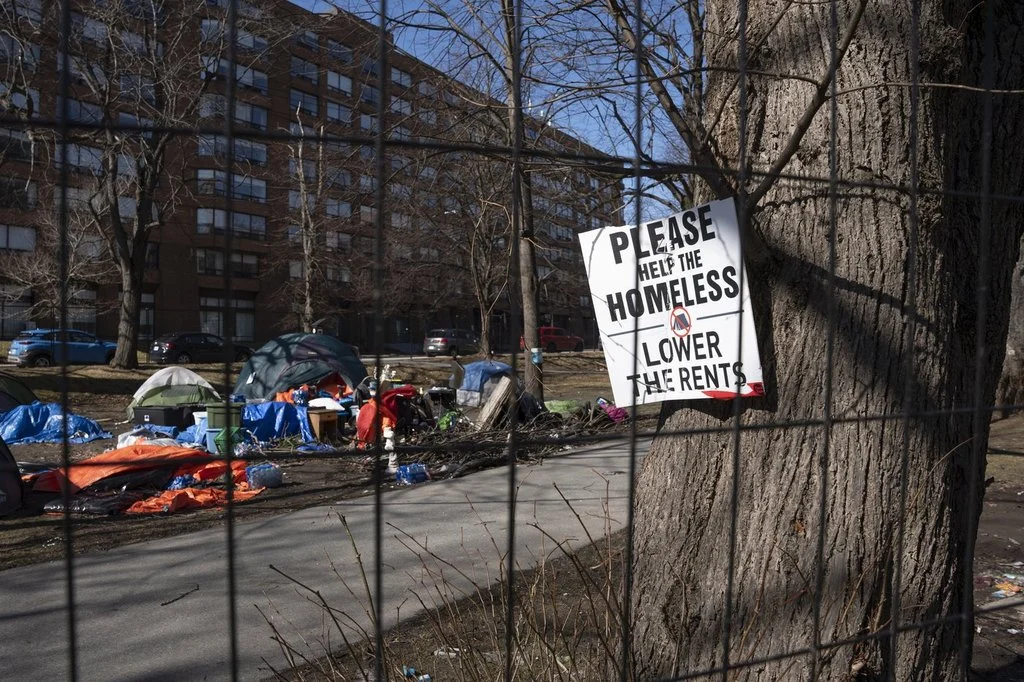
The Nova Scotia government has enacted significant amendments to its income assistance regulations, effectively barring homeless residents living in tents from accessing enhanced financial support. This policy shift directly overturns a recent provincial Court of Appeal decision that had affirmed the eligibility of such individuals for increased benefits, prompting widespread criticism from legal experts and human rights advocates who label the move as "cruel" and a deliberate push towards deeper poverty for the province’s most vulnerable.
The Legal Battle and Bradley Lowe’s Legacy
At the heart of this contentious issue lies the case of Bradley Lowe, an unhoused Nova Scotian whose persistent legal challenge brought the definition of "accommodation" under provincial income assistance regulations into sharp focus. Lowe, who died in late 2023, lived in an ice-fishing tent in Victoria Park, a green space in downtown Halifax, when he first applied for income assistance. In 2023, he was initially approved for the essential rate of $380 per month. However, with the assistance of his lawyer, Vince Calderhead, Lowe sought the enhanced rate of $974 per month. This higher rate is typically available to individuals with medical proof of a disability who also own their own accommodation. Lowe contended that his tent, despite its temporary nature, constituted his "home" and therefore met the criteria for enhanced support.
Initial Application and Supreme Court Ruling
The provincial Department of Community Services, now known as the Department of Opportunities and Social Development, denied Lowe’s request, arguing that his status as an unhoused individual living in a tent disqualified him from the enhanced rate. This decision was subsequently upheld by an assistance appeal board. The case then escalated to the Nova Scotia Supreme Court, where a judge agreed with the province, ruling that Lowe’s tent did not meet the definition of accommodation required for the higher assistance rate. This initial judicial interpretation underscored a restrictive view of housing, one that did not encompass non-traditional or temporary shelters often utilized by the homeless.
The Court of Appeal’s Landmark Decision
The legal battle culminated in a pivotal ruling by the Nova Scotia Court of Appeal on August 5. This decision critically examined the definition of "accommodation" within the Employment Support and Income Assistance (ESIA) regulations. The Appeal Court found the Supreme Court’s interpretation to be flawed, asserting that people living in tents were indeed eligible for the enhanced support if they met other criteria, such as having a disability. The court ordered the province and the assistance appeal board to pay Lowe’s estate $3,000, acknowledging the merits of his claim and the hardship he endured. This ruling was widely celebrated by advocacy groups, including the Elizabeth Fry Society of Mainland Nova Scotia, whose executive director, Emma Halpern, hailed it as a recognition of the "humanity of the most vulnerable people in society" and a "win for all Canadians." The decision offered a beacon of hope, suggesting a more inclusive and compassionate interpretation of support for those experiencing homelessness.
Government’s Swift Legislative Response
Barely weeks after the Court of Appeal’s ruling, the Nova Scotia government moved decisively to nullify its effect. Through an order-in-council filed on Tuesday, the province introduced regulatory changes that effectively bypass the judicial interpretation. The amendments were made on the recommendation of Susan Corkum-Greek, the Minister of Opportunities and Social Development. This swift legislative action has ignited a fresh wave of controversy, with critics arguing it represents an undermining of judicial independence and a direct affront to the rights of homeless individuals.
Defining "Home" and "Accommodation"
The core of the regulatory change lies in the precise language used within the Employment Support and Income Assistance Act. The amended regulations specifically remove the term "accommodation" and replace it with "lives in a home." Furthermore, the prior definition for "home" has been repealed and a new, more restrictive definition introduced. Under the new regulations, a "home" is now defined exclusively as a self-contained unit someone rents or owns, a room in a lodging house, or a single-occupancy room in a building. This redefinition explicitly excludes tents, makeshift shelters, or any form of temporary outdoor dwelling, thereby creating a clear regulatory barrier for those living in such circumstances to access enhanced benefits.

Minister’s Recommendation and Order-in-Council
The use of an order-in-council allows the government to implement regulatory changes quickly without requiring legislative debate or a vote in the provincial assembly. This mechanism, while legal, often draws scrutiny when used to circumvent judicial rulings or introduce significant policy shifts without broader public and legislative input. Minister Corkum-Greek’s recommendation to proceed with these changes indicates a clear policy direction from the government to maintain a more stringent definition of eligible housing for enhanced income assistance.
Critics Decry "Cruel Policy" Amidst Housing Crisis
The government’s decision has drawn fierce condemnation from legal advocates and organizations working with vulnerable populations. Vince Calderhead, Bradley Lowe’s lawyer and a veteran human rights lawyer, did not mince words, calling the move "a very cruel policy decision by the province." He argued that the government had a choice: "The province could have allowed people living in tents to have a slightly improved standard of living, or they could rewrite the law, pushing people desperately down into desperate poverty, and they chose the second route." Calderhead believes Nova Scotians will judge the government accordingly for this decision.
Human Rights Advocacy and Ethical Concerns
The ethical implications of denying enhanced support to individuals with disabilities living in tents are significant. Enhanced income assistance rates are designed to provide a minimal safety net, particularly for those facing additional challenges due to health conditions or disabilities. By narrowing the definition of "home," the province is seen by critics as actively reducing the standard of living for some of its most vulnerable citizens. Emma Halpern of the Elizabeth Fry Society reiterated her earlier sentiment, expressing profound disappointment that a decision recognizing the humanity of homeless individuals could be so swiftly undone. Advocacy groups highlight that denying this support not only exacerbates financial hardship but also undermines efforts to provide stability and dignity to those experiencing homelessness. The move is perceived as sending a message of indifference to a population already struggling with immense challenges.
The Broader Context of Homelessness in Nova Scotia
This policy change occurs against a backdrop of a deepening housing and homelessness crisis across Nova Scotia, particularly in urban centers like Halifax. Reports indicate a significant increase in the number of people experiencing homelessness, with tent encampments becoming more visible and widespread. Factors contributing to this crisis include soaring rental costs, low vacancy rates, a lack of affordable housing units, and insufficient social supports. The average rent for a one-bedroom apartment in Halifax has seen significant increases in recent years, making it increasingly difficult for individuals on fixed incomes or income assistance to secure stable housing. The province has declared housing affordability a priority, yet critics argue that this regulatory change directly contradicts the spirit of addressing the crisis by penalizing those at its sharpest end. Experts suggest that rather than providing clarity, these changes add another layer of complexity and hardship for those trying to navigate an already fractured system.
Official Justification and Ongoing Support Claims
In response to the criticism, the Department of Opportunities and Social Development issued a statement to The Canadian Press, attempting to clarify the government’s rationale. The department asserted that the most recent court decision had called for greater clarity in the language used in government regulations.
Clarifying Eligibility and Program Consistency
According to the department’s statement, "These amendments provide clearer direction on how different living situations are considered when determining eligibility for income assistance rates, so the program can be administered consistently and transparently across the province." This justification suggests that the government views the previous ambiguity as a hurdle to fair and uniform program administration. However, critics argue that "clarity" in this context serves only to codify exclusion rather than to streamline equitable access to support. The definition of "home" now leaves no room for interpretation regarding temporary or informal dwellings, ensuring that tent dwellers are explicitly ineligible for enhanced rates, regardless of their other circumstances.
Continued Investment in Homelessness Initiatives
Despite the regulatory change, the department emphasized that people experiencing homelessness would "continue to be able to access income assistance and other supports for which they qualify." The statement also highlighted the province’s ongoing commitment to investing in support for homelessness, including shelters, supportive housing, and services. "The intent of the program remains to support people experiencing homelessness while helping them move toward safer, more stable housing," the department affirmed. While the government points to these broader initiatives, advocates counter that denying enhanced financial support directly undermines the ability of individuals to move towards more stable housing, as increased financial stability is a critical component of exiting homelessness. Without the enhanced rate, individuals with disabilities living in tents face even greater barriers to securing permanent housing and improving their living conditions.

Far-Reaching Implications for Vulnerable Nova Scotians
The immediate impact of these regulatory changes will be felt by hundreds of Nova Scotians currently relying on income assistance while living in tents. Vince Calderhead estimates that several hundred individuals could be affected, particularly during the warmer summer months when outdoor living is more feasible. The August 5 Appeal Court decision had offered these individuals "a measure of hope and optimism, and maybe an ability to get one step ahead," Calderhead noted. "Now, this decision by the government dashes any of that hope. It just reminds them that the government is largely indifferent to people in that situation."
Financial Hardship and Eroding Hope
For an individual with a disability, the difference between the essential rate of $380 and the enhanced rate of $974 is substantial—a disparity of $594 per month. This difference could mean the ability to afford essential medications, better nutrition, transportation to medical appointments, or even save a small amount towards a deposit for more stable housing. By removing access to the enhanced rate, the government is effectively consigning these individuals to a significantly lower standard of living, making it harder for them to meet basic needs and nearly impossible to transition out of homelessness. The psychological toll of having a glimmer of hope extinguished, coupled with increased financial precarity, cannot be overstated. It reinforces a sense of marginalization and powerlessness among a population already at the fringes of society.
Legal Precedent and Policy Reversal
From a legal standpoint, the government’s action raises questions about the balance of power between the judiciary and the executive. While governments are within their rights to amend regulations, doing so immediately after a court ruling that was deemed a victory for human rights sets a concerning precedent. It signals a willingness to use legislative means to circumvent judicial interpretations that are not aligned with existing policy objectives, rather than engaging in broader policy review or dialogue. This move could be interpreted as a step back for human rights and an erosion of the principle that vulnerable populations deserve equitable consideration under the law. It also highlights the fragility of legal victories when they can be swiftly undone by regulatory amendments.
A Call for Greater Compassion and Systemic Change
The Nova Scotia government’s decision to exclude tent dwellers from enhanced income assistance marks a critical moment in the ongoing debate over homelessness and social welfare in the province. While the government cites the need for clarity and consistent program administration, critics argue that the amendments prioritize bureaucratic definitions over human needs, pushing the most vulnerable further into hardship. The legacy of Bradley Lowe’s fight, which momentarily brought a more compassionate interpretation of support, has been swiftly overshadowed by a policy that entrenches a narrower view of eligibility.
As Nova Scotia continues to grapple with a profound housing crisis, the implications of this decision extend beyond immediate financial impacts. It challenges the province to consider its fundamental obligations to its most vulnerable citizens and whether its policies truly reflect a commitment to human dignity and social equity. Advocates call for a re-evaluation of these regulations, urging the government to pursue solutions that genuinely support individuals in transitioning out of homelessness, rather than solidifying barriers through restrictive definitions. The debate over who qualifies for basic support, and what constitutes a "home," will undoubtedly continue to resonate across the province, reminding Nova Scotians that the health of a society is often measured by how it treats its most marginalized members.