admin
admin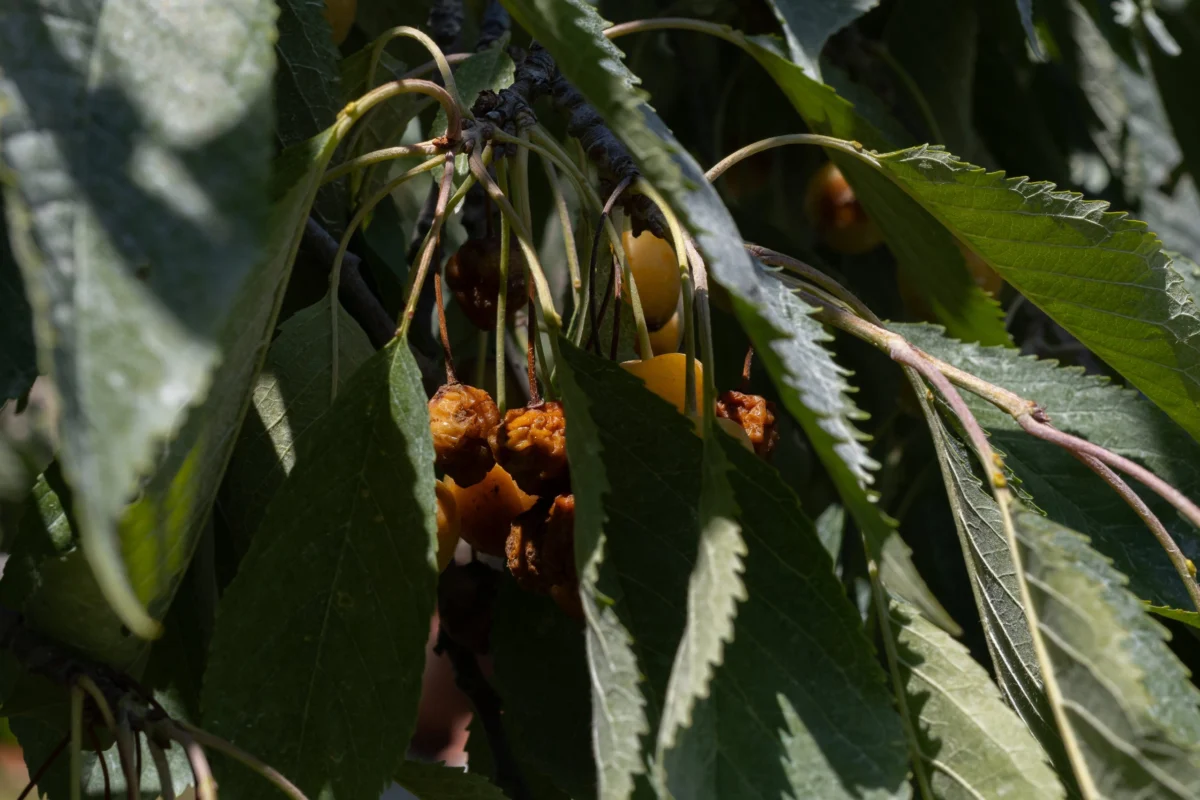
Traverse City, Michigan – As the United States marked its 250th anniversary in early July 2026, over half a million visitors converged on Traverse City, Michigan, to celebrate another significant milestone: the 100th National Cherry Festival. The picturesque town of 15,000, proudly proclaiming itself the "Cherry Capital of the World," hosted its weeklong homage to the iconic fruit, a spectacle of tradition and community that has endured for a century. Streets buzzed with activity as attendees savored cups of fresh cherries, indulged in cherry pies, pancakes, sausages, and even cherry-flavored coffee. Pie-eating contests, the quirky cherry-pit-spitting competition, carnival rides, fireworks displays, and concerts featuring acts like KC and the Sunshine Band filled the air with festive cheer. The Cherry Royale parade, a vibrant procession, saw the National Cherry Queen wave from a bright red Pontiac Grand Ville Brougham convertible, embodying the region’s deep connection to its agricultural heritage.
Yet, beneath this veneer of celebration and tradition, the cherry industry in Northern Michigan is grappling with a profound and escalating crisis. Decades of cultivating the delicate fruit have been met with a relentless onslaught of challenges, pushing many multi-generational farm families to the brink of an agonizing choice: innovate drastically or relinquish their ancestral lands. The very identity of the "Cherry Capital" is now at stake, threatened by forces both environmental and economic.
The Looming Shadow: Climate Change and Agricultural Instability
The struggle for Northern Michigan’s cherry farmers is multifaceted, but chief among their adversaries is the increasingly erratic hand of climate change. Growing cherries, especially organically, has always been an endeavor fraught with natural perils. However, in recent years, the region has experienced unprecedented weather volatility that has turned routine seasonal challenges into catastrophic events.
Late spring frosts, a recurring nightmare, have become more intense and unpredictable, often striking after trees have already begun budding, devastating nascent crops. In April 2026, for instance, a severe late frost wiped out a significant portion of orchards across Michigan, with some areas reporting near-total losses. This followed an unusually warm winter that coaxed fruit trees into blooming prematurely, leaving them vulnerable to subsequent cold snaps. Similarly, Utah, the nation’s second-largest producer of tart cherries, saw over 90 percent of its crop decimated by an April freeze after an early bloom.

Beyond frost, summer weather patterns have also turned hostile. Heavy, prolonged summer rains, increasingly common, create ideal conditions for the rapid spread of American brown rot, a fungal disease that causes cherries to shrivel and decay directly on the tree. This is often exacerbated by subsequent intense heat waves, accelerating the rot and rendering entire sections of an orchard unharvestable. Cheryl and Alan Kobernik of North Star Organics in Frankfort, whose organic tart and sweet cherries usually draw loyal customers from as far as Detroit and Chicago for U-pick operations, were forced to cancel their tart cherry U-pick season entirely in 2026. Their sweet cherries fared only marginally better, with a drastically shortened season and meager yields. "There’s a point where you have to say, ‘uncle,’" Cheryl Kobernik lamented, reflecting on the grim reality of their diminished harvest.
The impact is reflected in stark national statistics. July 2026 projections from the National Agricultural Statistics Service forecast a national tart cherry production of 91 million pounds, a staggering 36 percent drop from 2025. Sweet cherry production is also expected to be 17 percent lower nationally. Michigan, the leading producer of tart cherries and the fourth-largest for sweet cherries, has seen its output plummet. From a peak of 202 million pounds of tart cherries harvested in 2018, production fell to 109 million pounds in 2025, with sweet cherries at 24.6 million pounds. In Northwest Michigan alone, farmers anticipate harvesting only about 40 million pounds of tart cherries in 2026, a mere quarter of a typical good year’s yield of 160 million pounds. This persistent decline not only threatens local livelihoods but also poses a potential global shortage, with Nicki Rothwell, an extension educator at Michigan State University (MSU), warning that large corporations like General Mills and Starbucks may be forced to substitute tart cherries in their products, making it an "uphill slog" for the industry to regain market share.
The Invasive Threat: Spotted Wing Drosophila
Adding to the climate-induced woes is an exploding population of the spotted wing drosophila (SWD), an invasive insect native to Southeast Asia that first appeared in Michigan in 2010. This aggressive fly is a particular menace because, unlike many fruit flies that target overripe or damaged fruit, SWD can penetrate the skin of otherwise healthy, ripening cherries to lay its eggs. Within days, the fruit is destroyed, rendered unsalable.
Conventional farmer Greg Williams, who manages 370 acres of fruit trees in Leelanau County, including 180 acres of tart cherries, views SWD as his biggest concern, even surpassing unpredictable weather and fluctuating prices. Over the past decade, SWD has become an increasing burden, compelling farmers to invest significantly more in insecticide applications. Williams estimates his tart cherry crop for 2026 will be only about 30 percent of his regular yield, largely due to SWD. "We have a couple additional coverage sprays for it, so it’s quite pricey on 370 acres to put two or three extra sprays," he explained, highlighting the escalating input costs.
Research at the Northwest Michigan Horticulture Research Center, initially believing SWD targeted only fully ripe fruit, has since confirmed its ability to infest underripe cherries, making early detection and control even more critical. The insect’s rapid reproductive cycle – a female can lay up to 350 eggs in her lifetime – combined with a lack of highly effective natural predators or control measures, makes containment exceedingly difficult. "You can have the most iron-clad spray program, but if you have 4 billion flies in your orchard, they’re going to find the fruit that wasn’t 100 percent covered with the pesticide," Rothwell explained, underscoring the formidable challenge faced by growers.

Economic Pressures: Costs, Prices, and Imports
Beyond environmental and biological threats, cherry farmers are caught in a relentless economic squeeze. Rising input costs, including fertilizer, fuel, labor, and equipment, are eroding already slim profit margins. For instance, the cost of fertilizer, heavily impacted by global energy markets, has seen dramatic spikes in recent years. Simultaneously, the inherent characteristics of tart cherries—their short shelf life and the necessity for immediate processing—create a unique vulnerability in market dynamics. Once harvested, tart cherries must be transported to processors, pitted, and frozen within 48 hours, leaving farmers with little leverage to negotiate prices.
Unlike crops such as corn or soy, which can be stored for months until market prices improve, cherry farmers often deliver their harvest to processors without a fixed price, sometimes waiting months for a check. This uncertainty is compounded by wild fluctuations in cherry prices. In years of low yields, like 2026, farmers might see higher prices, with Williams expecting around $1.10 per pound compared to $0.75 last year. However, in bumper crop years, prices can plummet to as low as $0.15 per pound. An MSU report in 2022 estimated the cost of Michigan tart cherry production at $0.44 per pound; that year, farmers received a mere $0.20, illustrating the profound financial unsustainability.
Further complicating the market is competition from imported cherries. While a 2019 accusation by U.S. producers that Turkey was "dumping" low-cost cherries into the market was ultimately ruled against by the U.S. International Trade Commission, the pressure from global supply chains remains a factor in domestic pricing and profitability.
The Lure of Development: Soaring Land Values
Perhaps the most insidious threat to the future of cherry farming in Northern Michigan is the region’s burgeoning popularity as a vacation destination. This desirability has driven real estate prices to unprecedented heights, creating an irresistible temptation for struggling farmers to sell their land. Michigan farmland is now valued at $6,800 per acre, significantly higher than the 2021 average of $5,040 and the national average of $4,350 per acre. In prime locations, these values skyrocket. A 20-acre parcel across from the Koberniks’ farm recently sold for $200,000, illustrating the intense development pressure.
For farmers like Greg Williams, who is 63 and contemplating retirement, the decision to downsize or sell is driven by a combination of factors. He is currently in the process of selling a 217-acre property with 65 acres of fruit trees, located on prestigious ground overlooking Lake Michigan. "It’s the best view you could ever imagine," he noted, highlighting the irony that the very qualities that make the land ideal for fruit cultivation—high elevation, protection from frost—also make it highly coveted for residential development. He believes the next owner is unlikely to continue farming cherries.

This trend threatens to fundamentally alter the landscape and character of the region. "The whole county is going to turn into a subdivision here in a few years," Williams warned. "There aren’t going to be any farms left. We’re just splitting them all up, selling them all for houses. Everybody that’s looked at it just tells me, ‘What are we going to do with these fruit trees?’"
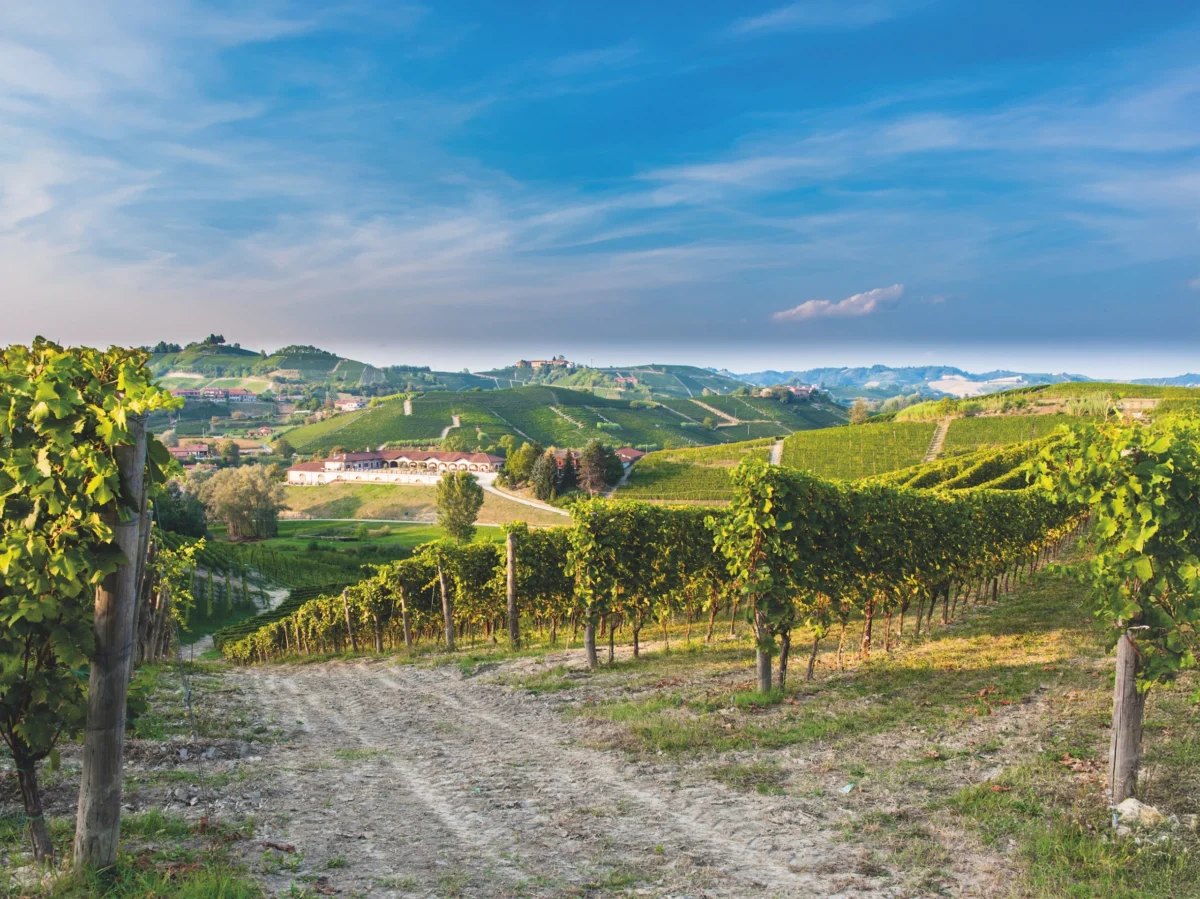
Old Mission Peninsula, a narrow strip of land north of Traverse City renowned for its protective microclimate against frost, exemplifies this dilemma. Once primarily cherry orchards, the peninsula has seen a dramatic shift towards wine grapes over the past four decades, with 1,800 acres planted. While wine grapes once offered higher returns, even vineyards are now facing their own challenges, with a projected glut in Northern Michigan and a national decline in wine consumption among younger demographics. A 66-acre cherry orchard on the peninsula was recently listed for $1.6 million, or $24,000 per acre, far exceeding the state average and reflecting the intense demand for land in this scenic area.
Seeking Solutions: Diversification, Agritourism, and Innovation
Amidst these formidable challenges, farmers and agricultural researchers are desperately seeking viable pathways forward. MSU extension educator Nicki Rothwell and her colleagues are actively researching solutions for problems like the spotted wing drosophila, including biological controls like introducing wasps, though initial experiments have proven unsuccessful.
Rothwell suggests that smaller growers, with their inherent agility, might be able to diversify away from cherries. However, the unpredictable climate makes crop selection difficult. Options like growing apples or transitioning to a Community Supported Agriculture (CSA) model are being explored, but a "silver bullet" remains elusive. "My fear is that it’s houses. It’s the quickest way to pay farm debt, and they have the best sites still left in the region," Rothwell articulated, expressing the deep concern that development will ultimately consume the remaining agricultural land. Experiments with alternative crops like hops and saskatoon berries have also struggled to find sufficient market demand for financial viability.
Some farmers are turning to value-added products and agritourism as a means of survival. Sarah and Phil Hallstedt, who operate a 53-acre farm with over 9,000 cherry trees in Northport, represent this adaptive spirit. After struggling to turn a profit selling sweet cherries on the wholesale market and finding U-pick operations only marginally better, they pivoted to developing processed cherry products. Their focus landed on cherry vinegar, an investment that required on-site production facilities. They now sell their cherry vinegar in grocery stores across Michigan, with an ambitious goal to expand demand sufficiently to purchase cherries from neighboring farmers at a more equitable price than traditional processors. "Maybe it’s just us being stubborn," Phil Hallstedt conceded, "Instead of wanting to pull out, we’re trying to find a way to make the cherry farm work."

Broader Implications and The Road Ahead
The potential decline of Northern Michigan’s cherry industry carries far-reaching implications beyond the individual farm. Economically, it threatens a significant regional sector that supports numerous ancillary businesses, from processing plants to tourism operators. Culturally, it means the loss of a heritage that has defined the region for over a century, transforming iconic cherry blossoms into subdivisions and erasing the generational knowledge passed down through farming families. Environmentally, the conversion of agricultural land to residential use can lead to increased runoff, habitat fragmentation, and a greater carbon footprint.
The crisis in Michigan mirrors struggles in other major fruit-growing regions. Washington state, the nation’s largest sweet cherry producer, has also been battered by climate change, including a 2021 heat dome that damaged 20 percent of its crops. The U.S. Department of Agriculture projects Washington will harvest 200,000 tons of sweet cherries in 2026, 61,000 tons fewer than the previous year’s bumper crop. The collective decline in U.S. cherry production, which in 2024 saw the U.S. as the world’s third-largest tart cherry producer behind Turkey and Chile, could have significant ripple effects on global supply and demand.
The uncertainty weighs heavily on the sector, as highlighted by agricultural economist David Ortega of Michigan State University. He points not only to climate and weather but also to "policy uncertainty when it comes to labor policy, when it comes to tariffs, and what that’s doing to equipment." The need for comprehensive policy support, including robust agricultural insurance programs, research funding for climate-resilient crops and pest control, and land-use planning that prioritizes agricultural preservation, has never been more critical.
For many, the future remains uncertain. Farmers like Alan Kobernik cling to a perennial hope, a sentiment common to those who work the land: "Farmers always say, ‘The best crop is next year’s crop.’" Yet, with each passing season of devastating losses and mounting pressures, the question of whether "next year’s crop" will be enough to save Northern Michigan’s cherry heritage grows more urgent. The 100th National Cherry Festival celebrated a resilient past, but the challenges of the present demand a new era of adaptation, innovation, and unwavering support if the "Cherry Capital of the World" is to truly endure.