admin
admin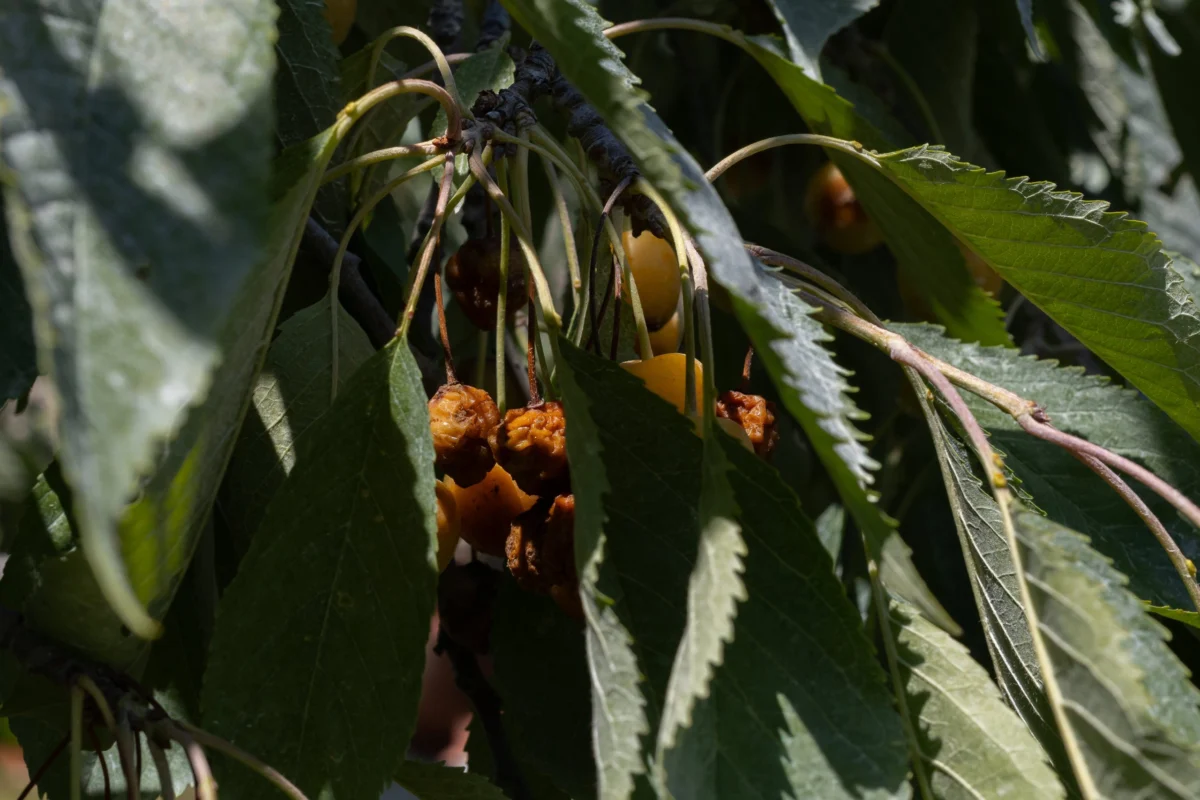
As the United States marked its 250th anniversary in early July 2026, over half a million visitors converged on Traverse City, Michigan, for a celebration of a different, yet equally significant, milestone: the 100th National Cherry Festival. The town of 15,000, proudly self-proclaimed the "Cherry Capital of the World," hosted its annual week-long homage to the iconic fruit. Tourists, drawn by the festive atmosphere, meandered through bustling crowds, savoring cups of fresh cherries, indulging in cherry pies, and sampling an array of cherry-infused delights from pancakes and sausages to barbecue sauces and even coffee. Pie-eating and cherry-pit-spitting contests, carnival rides, fireworks, and concerts featuring acts like KC and the Sunshine Band underscored the jubilant mood. The Cherry Royale parade, a highlight of the festival, saw the National Cherry Queen gracefully waving from a bright red Pontiac Grand Ville Brougham convertible, epitomizing the region’s deep connection to its agricultural heritage. Yet, beneath this veneer of vibrant celebration, a profound struggle grips Northern Michigan’s cherry industry, threatening its very existence. Farmers in this historically fertile region are confronting a confluence of unprecedented challenges – from the erratic fury of climate change and the relentless march of invasive pests to escalating operational costs and the tempting allure of soaring real estate values. The choice, stark and increasingly urgent, is clear: innovate and adapt, or face the irreversible decision to sell their ancestral lands and abandon a way of life that has defined generations.
A Century of Celebration Amidst Growing Uncertainty
The 100th National Cherry Festival was meant to be a landmark occasion, a testament to a century of fruitful harvests and community spirit. For decades, the festival has served as a powerful symbol of Northern Michigan’s agricultural prowess and a significant driver of tourism, injecting millions into the local economy. The sheer volume of visitors in 2026, arriving as the nation reflected on its quarter-millennium, highlighted the festival’s enduring appeal and the fruit’s cherished place in American culture. However, for those directly involved in cultivating the region’s famed tart and sweet cherries, the festivities felt increasingly disconnected from the harsh realities on the ground. Agricultural economist David Ortega from Michigan State University articulated this stark dichotomy, stating, "The outlook is a lot worse than what the numbers are showing." He revealed that many farmers found themselves in a financially unviable position, opting not to harvest their cherry crops at all in 2026, conceding that "it’s just not worth it to them because the crop is going to be so bad." This grim sentiment casts a long shadow over the future of an industry that has long been the backbone of the region’s identity.
The Unrelenting Onslaught of Climate Change
The primary antagonist in this unfolding agricultural drama is climate change, manifesting in increasingly unpredictable and extreme weather patterns. Cherry trees, particularly sensitive to temperature fluctuations, have become vulnerable to a series of devastating events. Late spring frosts, occurring after the trees have begun to bud or bloom, have proven catastrophic. These sudden temperature drops, often following abnormally warm periods that trigger early blossoming, effectively wipe out entire crops before they even have a chance to develop. This phenomenon was widely observed across Michigan in 2026, severely impacting orchards.
Beyond the frosts, the changing climate brings a new array of threats. Heavy summer rains, a recurring problem, create ideal conditions for fungal diseases like American brown rot. When these rains are followed by intense heat waves, the rot spreads rapidly, causing cherries to shrivel and decompose directly on the trees, rendering them unsalvageable. Cheryl and Alan Kobernik, who operate North Star Organics in Frankfort, a farm renowned for its organic tart and sweet cherries, experienced this firsthand. Typically, July would see their orchards buzzing with U-pick customers from as far as Detroit and Chicago. In 2026, however, they were forced to cancel their tart cherry U-pick season entirely due to a crop that was "too small and sparse to be worth picking." Their sweet cherry season was drastically shortened from two weeks to just four days, yielding only enough for visitors to pick a small basket each. Alan Kobernik lamented, "There’s a point where you have to say, ‘uncle,’" acknowledging the overwhelming odds they faced. Their experience is a microcosm of a larger trend, as the combination of frost damage and subsequent brown rot decimated their already diminished yields.

The Invasive Threat: Spotted Wing Drosophila
Adding another layer of complexity to the farmers’ woes is the relentless proliferation of the spotted wing drosophila (SWD), an invasive insect native to Southeast Asia. First detected in Michigan in 2010, this tiny fruit fly has rapidly become a major headache for cherry growers. Unlike other fruit flies that target overripe or damaged fruit, SWD possesses a serrated ovipositor that allows it to pierce the skin of healthy, ripening fruit to lay its eggs. Once the eggs hatch, the larvae feed on the fruit from within, destroying it within days.
The severity of the SWD infestation has escalated dramatically over the past three years. Greg Williams, a conventional farmer in Leelanau County managing 370 acres of fruit trees, including 180 acres of tart cherries, anticipates his 2026 tart cherry yield to be only 30% of his usual harvest. He identifies SWD as his primary concern, even surpassing the unpredictable weather and volatile cherry prices. The need for increased insecticide applications to combat the pest has significantly driven up his operational costs, noting, "We have a couple additional coverage sprays for it, so it’s quite pricey on 370 acres to put two or three extra sprays."
Research from the Northwest Michigan Horticulture Research Center, led by extension educator Nicki Rothwell, initially believed SWD only targeted fully ripe or overripe tart cherries. However, more recent findings confirm the insect’s ability to lay eggs in underripe fruit, expanding its destructive potential. Rothwell observed an earlier boom in the SWD population in 2026 compared to the previous year, though the exact reasons remain unclear. The fly’s rapid reproductive cycle, with females laying up to 350 eggs in their lifespan, combined with a lack of highly effective control measures, makes it an exceptionally challenging pest. "You can have the most iron-clad spray program," Rothwell explained, "but if you have 4 billion flies in your orchard, they’re going to find the fruit that wasn’t 100 percent covered with the pesticide." This makes organic farming, already a challenge in the region, even more precarious.
Economic Pressures: Costs, Prices, and Imports
Beyond climate and pests, economic forces are further squeezing Northern Michigan’s cherry farmers. Rising input costs, particularly for fertilizers, which have seen global price spikes influenced by geopolitical events and supply chain disruptions, eat into already thin profit margins. Labor costs, equipment maintenance, and energy expenses also continue their upward trajectory.
The inherent nature of the cherry market further complicates matters. Unlike staple crops such as corn or soy, which can be stored for extended periods until market prices improve, tart cherries have an extremely short shelf life. Once harvested, they must be immersed in cold water and delivered to processors for pitting and freezing within 48 hours. This immediate processing requirement leaves farmers with little leverage over pricing. The Koberniks, for example, often don’t know the price they will receive for their cherries until months after delivery, when a check finally arrives.

The past few years have seen dramatic fluctuations in crop yields, leading to equally volatile cherry prices. While a severely reduced crop, like that of 2026, typically results in higher prices per pound for the limited cherries available – Williams expects $1.10 per pound this year, up from 75 cents last year – this often fails to offset the drastic reduction in volume. In years of abundant harvests, prices can plummet to unsustainable levels, sometimes as low as 15 cents per pound, making the extensive labor and equipment wear barely worthwhile. An MSU report in 2022 estimated the cost of Michigan tart cherry production at 44 cents per pound, yet farmers often received only 20 cents, highlighting a chronic profitability issue. The influx of imported cherries, particularly from countries like Turkey (which faced accusations of dumping low-cost cherries in 2019, though the U.S. International Trade Commission ruled against domestic producers), adds further pressure to the domestic market.
The National Decline and Global Implications
The struggles faced by Michigan’s cherry farmers are not isolated incidents but reflect a broader national and even global trend. July 2026 projections from the National Agricultural Statistics Service painted a grim picture: national tart cherry production was forecast at 91 million pounds, a substantial 36% drop from 2025. Sweet cherry supplies were also expected to be tighter, with an estimated 17% reduction nationally compared to the previous year.
Michigan, historically the nation’s largest producer of tart cherries and the fourth largest of sweet cherries, has seen its output significantly diminish. In 2018, Michigan farmers harvested 202 million pounds of tart cherries, a figure not reached since. By 2025, production had fallen to 109 million pounds of tart cherries and 24.6 million pounds of sweet cherries. In Northwest Michigan specifically, the 2026 harvest of tart cherries is projected to be around 40 million pounds, a mere quarter of the 160 million pounds harvested in a truly good year.
Other major cherry-producing states are also grappling with climate-induced challenges. Utah, the second-largest tart cherry producer, experienced an unusually warm winter that caused fruit trees to bloom a month early in March-April 2026, only to be devastated by a late April freeze that wiped out over 90% of the state’s cherry crop. Washington state, the country’s largest sweet cherry producer, has also been impacted, notably by an intense heat dome in 2021 that damaged 20% of its crops. The USDA projects Washington’s 2026 sweet cherry harvest at 200,000 tons, 61,000 tons fewer than the previous year’s bumper crop.
The ripple effects of this decline could extend globally. In 2024, the U.S. was the world’s third-largest tart cherry producer, behind Turkey and Chile. A significant reduction in American output could lead to a worldwide shortage of tart cherries, as predicted by Nicki Rothwell. This shortage would likely prompt large food corporations like General Mills and Starbucks to substitute tart cherries with other fruits, such as blueberries, in their products. Re-establishing market share after such a shift would be an uphill battle for U.S. cherry producers.
Soaring Land Values: The Temptation to Sell

Amidst the agricultural challenges, another powerful force is at play: the booming real estate market in Northern Michigan. The region has transformed into a highly sought-after vacation destination, driving land values to unprecedented heights. Michigan farmland is now valued at an average of $6,800 per acre, a significant increase from $5,040 per acre in 2021, and well above the national average of $4,350 per acre.
For struggling cherry farmers, these soaring land prices present a compelling, often irresistible, exit strategy. While selling their land might allow them to recoup investments and alleviate debt, it simultaneously makes it virtually impossible for new farmers to enter the industry or for existing ones to expand. "In Northwest Michigan, the price of real estate has gotten high enough that it’s seriously not worth farming anymore," Alan Kobernik observed. "You’ll never recover that investment."
The Old Mission Peninsula, a slender strip of land north of Traverse City, is particularly coveted for its microclimate, which naturally protects crops from frost. This makes its farmland exceptionally valuable, not just for agriculture but for scenic residential development. A 66-acre cherry orchard on the peninsula was listed for $1.6 million in May 2026, translating to an astonishing $24,000 per acre – far exceeding the state average.
The peninsula has also seen a significant shift towards wine grape cultivation over the past four decades, with 1,800 acres planted. Wine grapes once offered attractive returns, but even this sector is now facing headwinds. Rothwell noted that Northern Michigan vineyards anticipate a glut of fruit in 2026, exceeding market demand. Nationally, wine consumption is declining, with younger generations favoring alternative beverages, further complicating the agricultural landscape.
At 63, Greg Williams is already looking towards retirement and has begun the process of downsizing, selling a 217-acre property with 65 acres of fruit trees. He describes it as "prestigious ground, overlooking Lake Michigan. It’s the best view you could ever imagine." He recognizes the inherent conflict: "You want the fruit up on the high sights, and that’s where everybody wants their house so they can see the beauty." Williams harbors little doubt that the next owner will not continue farming cherries. His prediction for the region is stark: "The whole county is going to turn into a subdivision here in a few years. There aren’t going to be any farms left. We’re just splitting them all up, selling them all for houses. Everybody that’s looked at it just tells me, ‘What are we going to do with these fruit trees?’"
The Future for Michigan Cherries: Adaptation and Innovation
The existential threat facing Northern Michigan’s cherry industry necessitates urgent action and innovative solutions. Researchers like Nicki Rothwell are actively exploring strategies to mitigate problems like the spotted wing drosophila, including biological controls. Experiments with introducing wasps to prey on SWD have, so far, not yielded effective results.

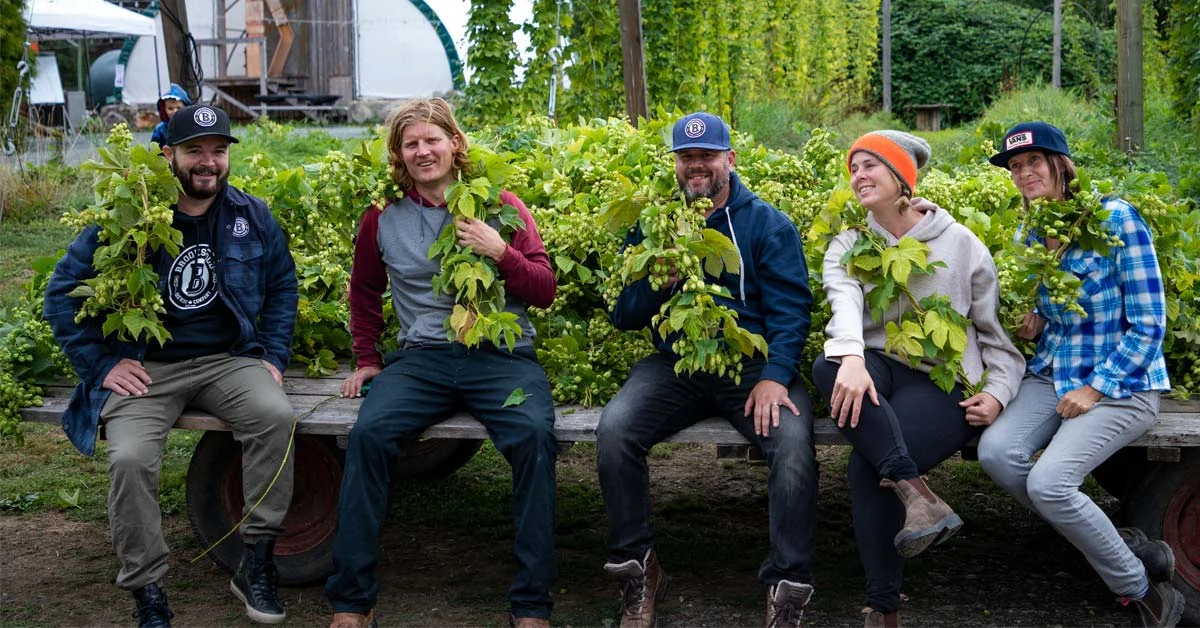
For smaller growers, Rothwell suggests diversifying crops away from cherries, though the unpredictable climate makes selecting viable alternatives challenging. She posits that growing apples or adopting a Community Supported Agriculture (CSA) model could offer pathways to resilience. However, the overarching concern remains the relentless pressure to sell land for development. "I don’t know what that silver bullet is," Rothwell admitted, "My fear is that it’s houses. It’s the quickest way to pay farm debt, and they have the best sites still left in the region." Past experiments with alternative crops like hops and saskatoon berries have struggled to find sufficient market demand to be financially viable.
Some farmers are turning to value-added products as a means of survival. Sarah and Phil Hallstedt, who operate a 53-acre farm with over 9,000 cherry trees in Northport, illustrate this pivot. After struggling to turn a profit from wholesale and even U-pick sweet cherry operations, they decided to develop a processed cherry product. Their innovative solution was cherry vinegar. The Hallstedts invested in on-site production facilities and now sell their cherry vinegar in grocery stores across Michigan. Their long-term goal is to cultivate enough demand to enable them to purchase cherries from neighboring farmers at a more equitable price than traditional processors. "Maybe it’s just us being stubborn," Phil Hallstedt mused, "Instead of wanting to pull out, we’re trying to find a way to make the cherry farm work."
The resilience and deep-rooted optimism of farmers, despite overwhelming odds, remain evident. Alan Kobernik encapsulates this enduring spirit, looking forward to the next season with a glimmer of hope: "Farmers always say, ‘The best crop is next year’s crop.’" Yet, this traditional optimism is increasingly tested by an accumulation of systemic challenges.
Broader Implications and Policy Considerations
The potential demise of Northern Michigan’s cherry industry carries far-reaching implications. Economically, it would mean the loss of a significant agricultural sector, impacting local employment, supply chains, and the regional identity intertwined with cherry production. Culturally, the transformation of cherry orchards into residential subdivisions would erase generations of heritage, fundamentally altering the landscape and the character of communities like Traverse City. The 100th National Cherry Festival, a vibrant celebration, risks becoming a memorial to a disappearing industry rather than a tribute to a thriving one.
Addressing this crisis will require a multi-faceted approach involving government, agricultural organizations, researchers, and local communities. Policy considerations might include enhanced subsidies or insurance programs for farmers impacted by climate change, increased funding for agricultural research into pest control and climate-resilient crop varieties, and land preservation initiatives to protect prime farmland from development. Encouraging market diversification and supporting value-added product development could also provide vital lifelines for struggling farms. Without concerted efforts, the sweet and tart legacy of Northern Michigan’s cherries, a cornerstone of American agriculture and culture, faces an uncertain and potentially bitter future. The choice for these farmers, and indeed for the region, is not merely adapt or sell, but how to safeguard a precious heritage against the relentless forces of a changing world.