admin
Aotearoa New Zealand Fine Wine Estates (AONZ) recently undertook an unprecedented and ambitious benchmarking exercise, directly pitting its acclaimed Chardonnays against some of the most revered names and appellations from Burgundy in a series of blind tastings held across three international wine hubs. This bold initiative, orchestrated by AONZ and spearheaded by its co-founder Steve Smith MW, sought to rigorously evaluate the quality and potential of New Zealand Chardonnay on the global stage, directly challenging the established hierarchy of fine wine production.
The comprehensive evaluation involved three distinct tasting events: one in Christchurch, New Zealand, serving as a foundational assessment; a pivotal session in London, a recognized nexus of global wine trade and criticism; and a final, symbolically charged tasting within Burgundy’s hallowed Côte d’Or itself. Each panel comprised an impressive assembly of global wine expertise, including multiple Masters of Wine (MWs), Master Sommeliers (MSs), leading wine critics, and esteemed trade professionals, ensuring a rigorous and impartial assessment of the wines presented. The results, keenly awaited by the international wine community, are poised to offer significant insights into the evolving landscape of premium Chardonnay production.
The Genesis of a Grand Ambition
New Zealand has long been celebrated for its distinctive Sauvignon Blanc, which captivated global palates in the late 20th century. However, the nation’s winemakers have increasingly demonstrated their prowess across a broader spectrum of varietals, with Chardonnay emerging as a particular focus for its potential to express unique terroir. Producers like AONZ have invested heavily in understanding their specific sites, implementing meticulous viticultural practices, and refining winemaking techniques to craft Chardonnays that speak of their origin with complexity and elegance.
The motivation behind AONZ’s benchmarking exercise stemmed from a desire to validate these efforts against the undisputed global benchmark for Chardonnay: Burgundy. For centuries, the Côte d’Or has set the standard for Chardonnay, with its Grand Cru and Premier Cru wines from appellations such as Puligny-Montrachet, Chassagne-Montrachet, and Meursault commanding unparalleled prestige and prices. Steve Smith MW, a visionary figure in New Zealand wine, articulated the challenge not as a direct competition to ‘beat’ Burgundy, but rather as an essential step in understanding New Zealand’s position within the global fine wine echelon. "Our aim was never to dethrone Burgundy, but to objectively assess our Chardonnays alongside wines that represent the pinnacle of the varietal," Smith stated in a post-tasting discussion. "We believe New Zealand offers a unique expression of Chardonnay, and this exercise was about finding our true compass point on the world map of fine wine."
A Meticulous Methodology: Ensuring Impartiality
The success and credibility of such an ambitious undertaking hinged entirely on the integrity of its methodology. AONZ collaborated with independent entities to ensure that all three tastings were conducted under strict blind conditions. The wines were decanted and presented in identically numbered, unmarked bottles, with their identities known only to the independent organisers. This rigorous approach prevented any pre-conceived notions about origin or reputation from influencing the tasters’ judgments.
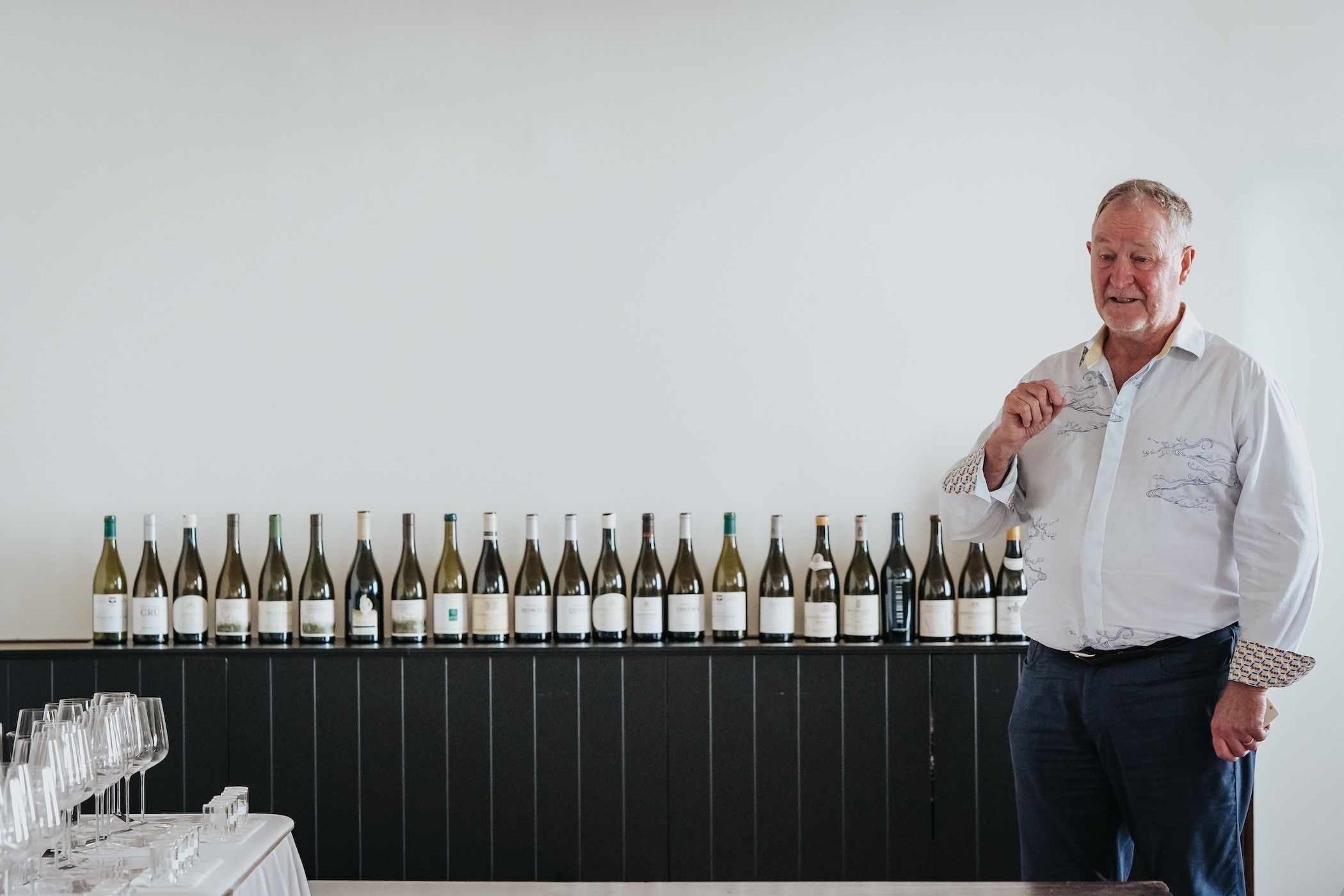
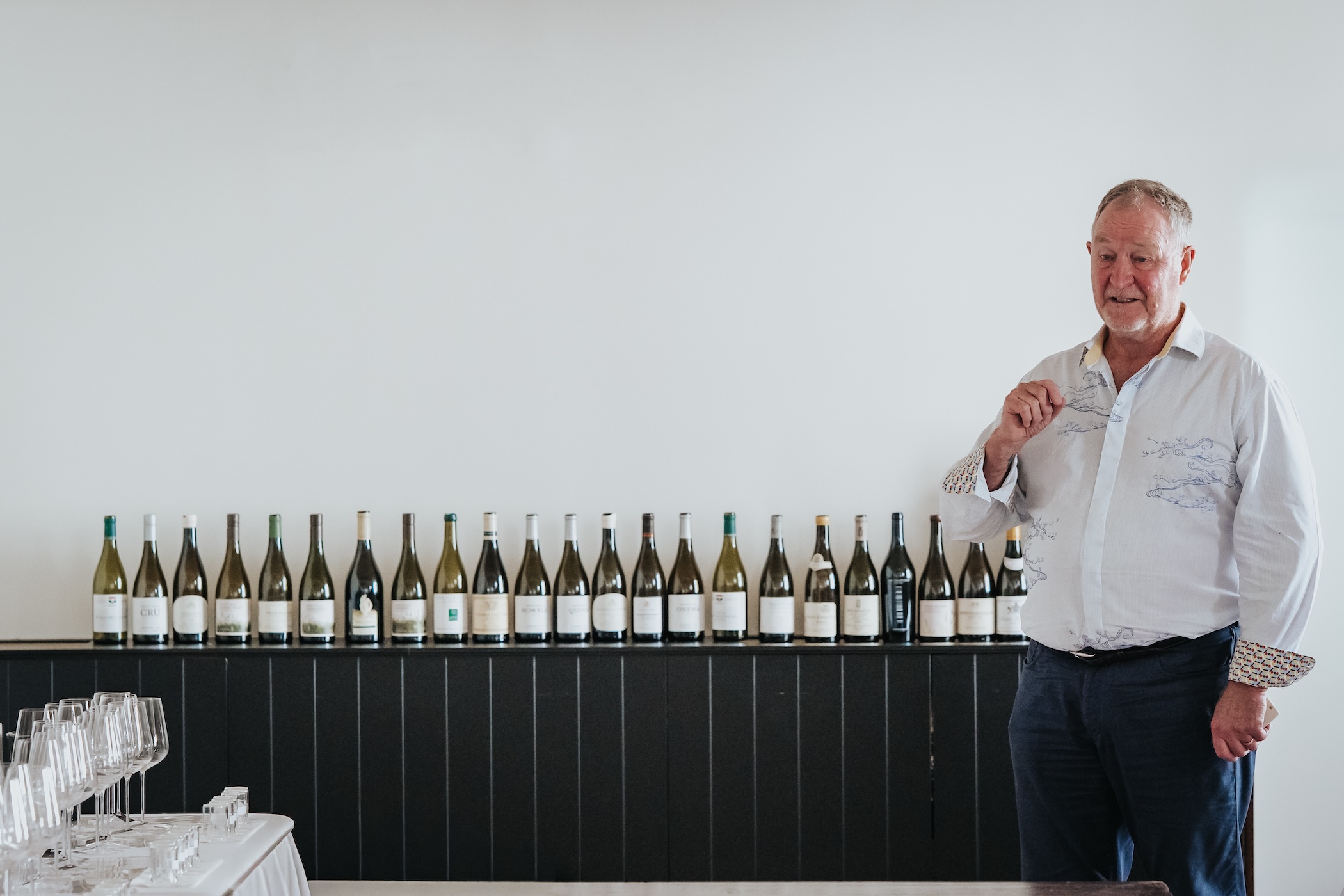
The selection of Burgundian wines was carefully curated to represent a diverse yet consistently high-quality cross-section of the region’s top Chardonnay expressions. This included a mix of Grand Cru and Premier Cru wines from celebrated producers and vintages, ensuring a formidable benchmark. AONZ’s own contributions to the flights included a range of its premium Chardonnays, showcasing different vineyards, vintages, and stylistic approaches from its portfolio, such as the acclaimed ‘Te Muna’ and ‘Tuki Tuki’ Chardonnay releases. The tasting panels were instructed to evaluate each wine based on standard criteria including appearance, aroma complexity, palate structure, balance, length, and overall quality, often using a 100-point scale or similar qualitative assessment framework.
Chronology of the Global Assessment
The benchmarking initiative unfolded over several months, strategically culminating in Burgundy.
Phase 1: The Christchurch Inaugural (September 2023)
The journey began in Christchurch, New Zealand, in late September 2023. This initial tasting served as a crucial preliminary assessment, involving a panel of prominent New Zealand wine critics, Masters of Wine based in the region, and leading sommeliers. The goal here was to gauge how AONZ’s Chardonnays performed against a selection of Burgundy’s finest in a familiar context, allowing local experts to offer their initial perspectives. Early reports from participants indicated a palpable sense of excitement and surprise at the quality and distinctiveness of the New Zealand entries. One local MW commented, "It was fascinating to see our own wines stand shoulder-to-shoulder with such esteemed company. The consistency and character were truly impressive."
Phase 2: London’s Global Stage (November 2023)
The second and arguably most critical tasting took place in London in mid-November 2023. As a global epicentre for fine wine trade, criticism, and education, London offered an invaluable platform for an impartial, international assessment. The panel assembled here was exceptionally distinguished, featuring influential figures such as Jancis Robinson MW, Neal Martin, and several UK-based Masters of Wine and Master Sommeliers. This event drew considerable attention from the international wine press and trade, eager to witness the direct comparison. The atmosphere was described as one of intense concentration and intellectual curiosity, with tasters meticulously dissecting each wine without knowledge of its origin. The discussions following the revelation of the wines were particularly animated, highlighting unexpected preferences and profound respect for the quality on display from both regions.
Phase 3: The Côte d’Or Confrontation (January 2024)
The final, and most symbolic, leg of the tasting series concluded in January 2024, deep within Burgundy’s Côte d’Or. This decision to bring the tasting to the heartland of Chardonnay was a deliberate and audacious statement by AONZ, demonstrating a commitment to transparency and a profound respect for Burgundy’s heritage. The panel in Burgundy included esteemed local critics, influential winemakers (some of whom may have inadvertently been tasting their own wines), and French Masters of Wine. The setting itself, steeped in centuries of winemaking tradition, added an extra layer of gravitas to the proceedings. The act of revealing the wines after the tasting, with Steve Smith MW present, was a moment charged with anticipation, affirming the global nature of fine wine and the increasing convergence of quality from diverse origins. "To present our wines here, among those who have shaped the very definition of Chardonnay, was a profound experience," Smith remarked. "The reactions were telling; a mix of recognition, curiosity, and genuine admiration for what New Zealand is achieving."
Supporting Data and Market Context
The global Chardonnay market is vast and competitive. Burgundy, despite its relatively small production volume, accounts for a significant portion of the value in the premium Chardonnay segment. In 2022, Burgundy’s total wine exports were estimated at €1.4 billion, with Chardonnay-based white wines representing a substantial percentage of this value, often fetching hundreds or even thousands of euros per bottle for top appellations. In contrast, New Zealand’s total wine exports reached NZD $2.4 billion (approximately €1.35 billion) in 2023, with Sauvignon Blanc dominating. However, Chardonnay exports from New Zealand have seen steady growth, albeit from a smaller base, with an average bottle price for premium New Zealand Chardonnay showing a 15% increase year-on-year over the past five years, reflecting growing consumer appreciation and market confidence.
Viticultural conditions in New Zealand’s prime Chardonnay regions, such as Hawke’s Bay and Marlborough, often feature cool maritime climates with long ripening seasons, leading to wines with vibrant acidity, complexity, and a distinct mineral backbone – characteristics often sought after in Burgundy. While soil compositions differ, the underlying philosophy of expressing terroir through minimal intervention in the cellar is a shared aspiration among top producers in both regions. The investment in clonal selection, specific site identification, and sustainable viticulture in New Zealand has been pivotal in elevating Chardonnay quality.
Expert Perspectives and Initial Reactions
While AONZ has yet to release the full, detailed results of the tastings, initial reactions from participants provide a compelling narrative. Many Masters of Wine and Master Sommeliers expressed genuine surprise at the performance of the New Zealand Chardonnays, often rating them highly and occasionally mistaking them for their Burgundian counterparts.
"The consistency of quality across the New Zealand flight was remarkable," commented a prominent London-based Master of Wine who participated in the UK tasting. "There was a distinct thread of purity and precision that spoke of careful winemaking and exceptional vineyard management. It certainly challenged some long-held assumptions about ‘New World’ Chardonnay."
A French wine critic, participating in the Côte d’Or event, noted, "One cannot deny the elegance and structure of the New Zealand wines. They possess a freshness and a subtle power that is very appealing. While Burgundy’s unique character remains, this tasting clearly illustrates that quality knows no geographical bounds."
These sentiments underscore a broader trend: the increasing convergence of quality and stylistic sophistication between traditional and emerging wine regions. New Zealand Chardonnay, once perhaps viewed as fruit-forward and oak-driven, has evolved considerably, with producers now focusing on finesse, minerality, and site expression.
Broader Impact and Implications
The implications of AONZ’s bold benchmarking exercise extend far beyond the results of a single tasting.
For New Zealand Fine Wine:
This initiative is a significant step in elevating the global perception of New Zealand Chardonnay. It provides tangible evidence of quality that can support higher pricing, attract further investment, and encourage more producers to focus on premium Chardonnay. It helps New Zealand move beyond its Sauvignon Blanc stereotype, showcasing its versatility and potential as a serious producer of fine, age-worthy wines. This could also open new export markets and strengthen existing relationships with high-end retailers and sommeliers.
For Burgundy and Traditional Wine Regions:
While Burgundy’s reputation remains unassailable, such tastings serve as a gentle reminder that innovation and quality are global phenomena. They encourage traditional regions to continue striving for excellence and to acknowledge the increasing competition from ambitious ‘New World’ producers. It reinforces the idea that the world of fine wine is dynamic and constantly evolving.
For Global Chardonnay Consumers and Trade:
Consumers stand to benefit from a broader array of high-quality Chardonnay options. This exercise helps to demystify ‘New World’ wines, encouraging exploration beyond established labels. For the wine trade, it offers new opportunities for sourcing, education, and marketing, potentially diversifying portfolios and challenging traditional buying patterns. It could also lead to more direct comparisons in the market, allowing consumers to make more informed choices based on taste and value, rather than solely on region or reputation.
For the Future of Benchmarking:
AONZ’s approach sets a precedent for other ambitious producers worldwide. It demonstrates the value of transparent, blind evaluations as a tool for self-assessment, market positioning, and educational outreach. Such initiatives foster healthy competition and accelerate the pursuit of excellence across the global wine industry.
In conclusion, Aotearoa New Zealand Fine Wine Estates’ landmark blind tasting series represents a pivotal moment for New Zealand Chardonnay. By daring to compare its wines directly with Burgundy’s finest on a global stage, AONZ has not only affirmed its own commitment to quality but has also contributed to a broader re-evaluation of New Zealand’s position in the pantheon of the world’s great white wines. The full impact of this ambitious exercise will undoubtedly unfold in the years to come, shaping perceptions and expanding horizons for Chardonnay enthusiasts worldwide.