admin
admin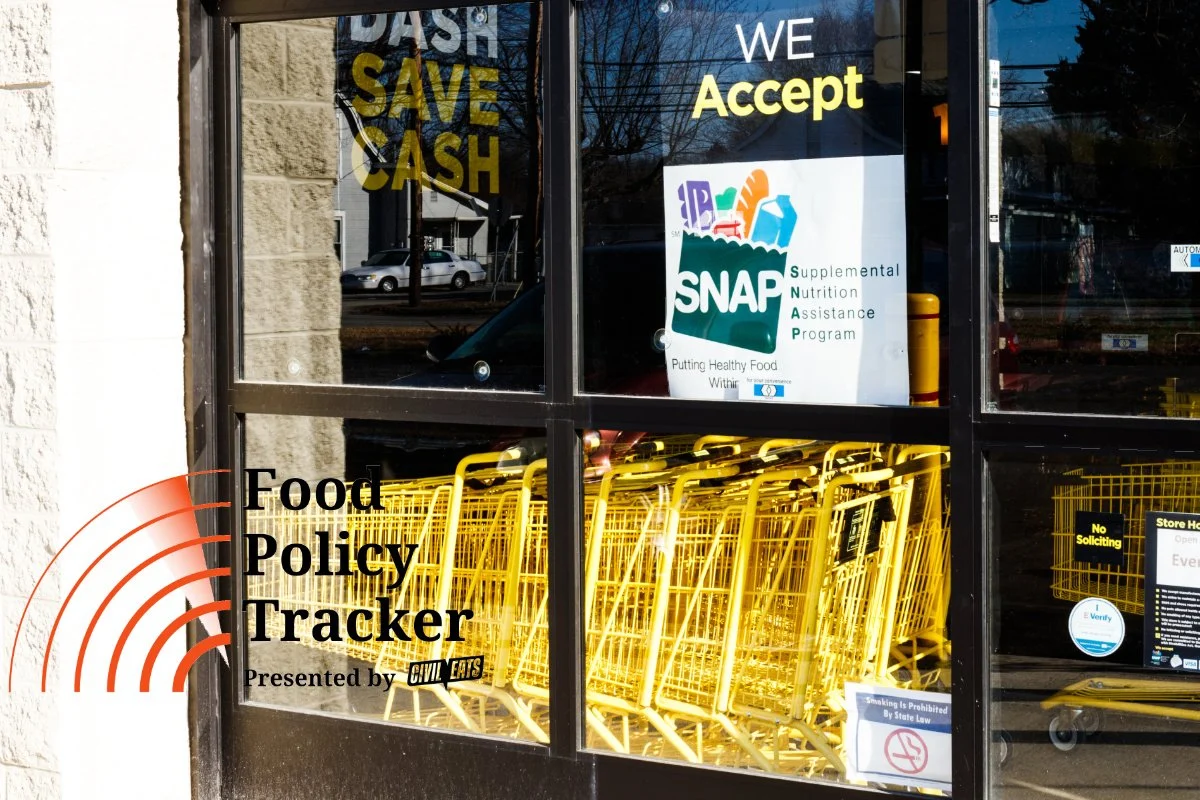
The Trump administration finalized a contentious immigration rule last week, a move that food access advocates and immigration rights organizations contend will generate a profound "chilling effect" on immigrant households seeking crucial federal benefits. Published on Monday, July 20, 2026, in the Federal Register, this revised regulation from the Department of Homeland Security (DHS) and U.S. Citizenship and Immigration Services (USCIS) rescinds a Biden-era directive concerning "public charge" evaluations for green card applicants, effectively reinstating a stricter interpretation reminiscent of the first Trump administration’s policies. Under the new framework, immigration officers are now empowered to consider an applicant’s receipt of non-cash federal assistance programs, including the Supplemental Nutrition Assistance Program (SNAP), housing vouchers, and Medicaid, as factors that could negatively impact their eligibility for a green card. This significant shift from previous policies, which primarily focused on cash assistance, is projected to cause widespread disenrollment from vital safety net programs, particularly among eligible citizens residing in mixed-status households.
A Shifting Definition: The "Public Charge" Rule Through the Years
The concept of "public charge" has a long history in U.S. immigration law, designed to prevent individuals deemed likely to become primarily dependent on the government from entering or remaining in the country. Historically, this determination was narrowly focused on direct cash assistance programs, such as Temporary Assistance for Needy Families (TANF) or Supplemental Security Income (SSI) from Social Security. The underlying principle was to ensure that immigrants would not become a drain on public resources, typically requiring an individual to demonstrate self-sufficiency or have a sponsor.
The first major reinterpretation of this rule occurred under the initial Trump administration in 2019. That rule dramatically expanded the definition of public charge to include a much broader array of non-cash benefits, specifically SNAP, most forms of Medicaid, and various housing assistance programs. This expansion was met with immediate and widespread condemnation from immigrant advocates, public health experts, and anti-hunger organizations, who argued it would force vulnerable families to choose between essential aid and the possibility of obtaining legal permanent residency. The 2019 rule sparked numerous legal challenges and was eventually implemented in February 2020, leading to a significant period of uncertainty and fear within immigrant communities.
However, in March 2021, the Biden administration moved to reverse this controversial expansion, effectively returning to the historical definition of public charge that focused predominantly on cash assistance. This reversal was hailed by advocates as a critical step towards rebuilding trust in government programs and ensuring that eligible families, regardless of immigration status, felt secure in accessing necessary support without jeopardizing their immigration prospects. The Biden administration’s intent was to remove barriers to accessing health and food security programs, particularly in the wake of the COVID-19 pandemic, which disproportionately affected immigrant communities.
The current Trump administration’s finalized rule, published on July 20, 2026, marks the third significant pivot on the public charge policy within a decade. This latest iteration explicitly rescinds the Biden-era guidance and largely reinstates the more expansive criteria from the 2019/2020 rule. The decision underscores a persistent ideological divide on immigration policy, with conservative administrations often prioritizing perceived self-sufficiency and stricter controls over access to public services.
Specifics of the 2026 Rule: Broadening the Scope of Inadmissibility
Under the newly finalized rule, immigration officers evaluating green card applications will now scrutinize an applicant’s history of receiving a wider range of federal benefits. Previously, only cash assistance programs were directly considered as grounds for inadmissibility under public charge. The 2026 rule expands this to include:

- Supplemental Nutrition Assistance Program (SNAP): Formerly known as food stamps, SNAP provides crucial food assistance to low-income individuals and families.
- Housing Vouchers: Programs like Section 8 housing assistance, which help low-income families afford safe and decent housing.
- Medicaid: The federal-state health insurance program for low-income adults, children, pregnant women, elderly adults, and people with disabilities.
It is crucial to clarify that undocumented immigrants are already ineligible for SNAP benefits, a fact often misrepresented in political discourse. Furthermore, even after receiving a green card, individuals typically must wait five years before becoming eligible to apply for most federal means-tested benefits, including SNAP. Therefore, the immediate concern surrounding this rule is not that undocumented immigrants will be deterred from applying for benefits for which they are already ineligible, but rather its profound impact on eligible legal residents and U.S. citizens who live in households with mixed immigration statuses.
The rule grants immigration officers significant discretion in determining whether an applicant is likely to become a public charge. While receiving benefits does not automatically lead to denial, it becomes a negative factor weighed against other considerations such as age, health, family status, assets, resources, financial status, education, and skills. This subjective evaluation process contributes to the uncertainty and fear that drive the "chilling effect." The rule is set to take effect on September 18, 2026, applying to all future application considerations.
The Looming "Chilling Effect" and Projected Disenrollment
The most significant and widely anticipated consequence of this new rule is the "chilling effect." This phenomenon describes the widespread reluctance of eligible individuals to access public services due to fear that doing so might negatively impact their or their family members’ immigration status. The DHS itself acknowledges this potential, providing stark estimates in its November 2025 proposed rule. The agency estimated that approximately 588,000 applicants per year would be subject to the public charge review under the new rule. However, critically, the DHS projected that roughly 950,000 individuals would disenroll from federal benefits as a direct result of this policy.
This discrepancy—more people expected to disenroll than those directly subject to review—underscores the powerful psychological impact of the rule. It indicates that the fear of jeopardizing a family member’s immigration application will lead a substantial number of eligible individuals, many of whom are U.S. citizens, to forgo essential assistance. This is particularly true for U.S. citizen children who live in households where a parent or guardian is seeking a green card. Parents, out of an abundance of caution and fear, may choose to remove their children from SNAP or Medicaid programs, even though their children are legally entitled to these benefits and are not subject to public charge rules themselves.
The experience of the 2020 public charge rule provides a sobering precedent. A comprehensive 2023 study by the Urban Institute, examining the impact of the earlier policy, found that one in six adults in immigrant families with children avoided applying for federal benefits because of green-card concerns in 2022. This avoidance occurred despite many of these families simultaneously reporting experiencing significant hardships, demonstrating a clear and persistent need for assistance. These findings highlight that the chilling effect is not merely theoretical but a tangible reality that leads to measurable increases in food insecurity, health disparities, and economic hardship.
Reactions from Advocacy Groups and Experts
The re-implementation of the expanded public charge rule has drawn sharp criticism from a broad coalition of advocacy groups, public health organizations, and anti-hunger activists.
Crystal FitzSimons, president of the Food Research and Action Center (FRAC), articulated a widely shared concern in a statement: "We have seen this chilling effect before, and we know it leads to more food insecurity, which negatively impacts educational outcomes for children and increases economic hardship for families and local communities." Her remarks underscore the interconnectedness of food access, health, education, and economic stability, particularly for vulnerable populations. FRAC and similar organizations have consistently argued that policies deterring eligible individuals from accessing food assistance undermine public health goals and exacerbate existing inequalities.

Immigration rights organizations, such as the National Immigration Law Center (NILC) and the American Civil Liberties Union (ACLU), are expected to fiercely challenge this rule. Their primary arguments typically center on the discriminatory nature of such policies, their chilling effect on access to fundamental necessities, and the potential for these rules to violate due process rights. They would likely emphasize that penalizing individuals for utilizing safety net programs, especially when they are legally eligible, runs counter to humanitarian principles and the goal of fostering healthy, integrated communities.
Public health experts and medical associations are also likely to voice strong objections, particularly concerning the impact on Medicaid access. Reduced enrollment in Medicaid, even among eligible populations, can lead to delayed medical care, increased reliance on emergency rooms for treatable conditions, and a decline in preventative health measures. This not only burdens the healthcare system but also leads to worse health outcomes for individuals, potentially contributing to the spread of preventable diseases and increasing healthcare costs in the long run.
Broader Context: SNAP Enrollment Trends and Policy Landscape
This new public charge rule arrives at a time when the broader landscape of federal benefit access is already in flux. The article notes that more than 4 million fewer people are on SNAP since the passage of what it refers to as the "Republicans’ One Big Beautiful Bill." While the specific bill is not named, this likely refers to significant legislative changes or policy shifts, possibly within a farm bill or welfare reform package, that have contributed to a decline in SNAP participation. This decline is attributed to a confluence of factors, including direct policy changes that tightened eligibility or imposed stricter work requirements, increased administrative burdens that make it harder for eligible individuals to apply and recertify, and indeed, a similar chilling effect from previous policy debates and rhetoric.
The reintroduction of the expanded public charge rule is poised to exacerbate these existing trends. For families already navigating complex application processes and facing increased scrutiny, the added fear of immigration consequences could be the final deterrent, pushing them off the rolls of vital programs. This means that the 950,000 projected disenrollments would not occur in isolation but compound an already shrinking safety net for millions of Americans. The policy effectively creates an additional, formidable barrier for immigrant families striving for stability, even when they are legally entitled to support.
Economic and Social Implications
The implications of this policy extend far beyond individual families, rippling through local economies and social structures.
Increased Food Insecurity: The most immediate and direct consequence will be a rise in food insecurity, particularly among children in immigrant families. When families forgo SNAP benefits, they have less money to purchase nutritious food, leading to hunger, poor dietary choices, and reliance on cheaper, less healthy options. This can have long-term health consequences and negatively impact children’s development.
Worsened Health Outcomes: Deterrence from Medicaid access means fewer low-income individuals and children will receive preventative care, vaccinations, and treatment for chronic conditions. This can lead to more severe illnesses, increased emergency room visits (which are more costly), and a decline in overall public health. Undiagnosed and untreated conditions can hinder individuals’ ability to work and children’s ability to learn effectively.

Educational Setbacks for Children: Children experiencing food insecurity and lacking consistent healthcare are more likely to struggle in school. Hunger impairs concentration, reduces energy levels, and leads to behavioral problems. Health issues, if left unaddressed, can result in frequent absences and difficulty learning. These factors contribute to a widening achievement gap and limit future opportunities for these children, who are often U.S. citizens.
Economic Hardship for Families and Communities: When families lose access to benefits like SNAP, they have less disposable income. This can lead to increased poverty, difficulty paying for other necessities like rent and utilities, and a greater strain on local charities and food banks. Moreover, SNAP benefits inject federal dollars into local economies, supporting grocery stores, farmers, and related businesses. A decline in SNAP participation can, therefore, have a minor but measurable negative impact on local economic activity.
Legal Challenges and Future Outlook
Given the contentious history of the public charge rule, it is highly probable that this new iteration will face swift legal challenges. Immigrant rights organizations, civil liberties groups, and potentially even states that rely on federal support for their populations are likely to file lawsuits to block or limit the implementation of the rule. Previous legal battles over the 2019 rule demonstrated the complex legal landscape, with injunctions, appeals, and varying court interpretations. The Biden administration’s reversal was partly influenced by the ongoing legal uncertainty and administrative burden associated with the expanded rule.
The administrative complexity of implementing this rule should also not be underestimated. USCIS officers will be tasked with reviewing extensive benefit histories, which can be time-consuming and require significant resources. This increased burden on an already stretched immigration system could lead to processing delays for green card applications.
Politically, the reinstatement of this rule aligns with the Trump administration’s broader platform of stricter immigration enforcement and reduced access to public services for non-citizens. It serves as a clear signal to its base regarding its approach to immigration policy. However, it also galvanizes opposition and frames a critical debate on the role of the social safety net and the integration of immigrant communities.
In conclusion, the Trump administration’s finalization of the expanded public charge rule on July 20, 2026, represents a significant and controversial policy shift with profound and far-reaching implications. By linking eligibility for green cards to the receipt of vital non-cash federal benefits like SNAP, housing assistance, and Medicaid, the rule is poised to create a widespread "chilling effect," compelling hundreds of thousands of eligible individuals, including U.S. citizens, to forgo essential support out of fear for their family members’ immigration status. This policy, effective September 18, 2026, is expected to exacerbate food insecurity, worsen health outcomes, hinder educational progress, and increase economic hardship for vulnerable immigrant families across the nation, while simultaneously igniting renewed legal and political battles over the very definition of who belongs in America.