admin
admin
March 23, 2026 — A recent comprehensive analysis has uncovered that 144 U.S. Department of Agriculture (USDA) county offices experienced a complete loss of their conservation staff in 2025, raising urgent questions about the future of critical programs designed to bolster farm resilience and improve environmental health across the nation. This significant depletion of on-the-ground expertise threatens to cripple farmers’ access to essential technical assistance and financial incentives, particularly impacting smaller operations that rely heavily on federal guidance.
The groundbreaking analysis, exclusively shared with Civil Eats, was conducted by Prospect Partners this month and is based on updated data released by the Office of Personnel Management (OPM) in early March. This new data provides an unprecedented, granular look at the staffing crisis within the USDA’s Natural Resources Conservation Service (NRCS) at the county level, revealing a more dire situation than previously understood. While OPM had disclosed in January that the NRCS had shed nearly a quarter of its workforce since the beginning of the Trump administration, the latest figures pinpoint the severe localized impact of these reductions, highlighting specific areas now entirely devoid of conservation specialists.
The Indispensable Role of Local NRCS Staff
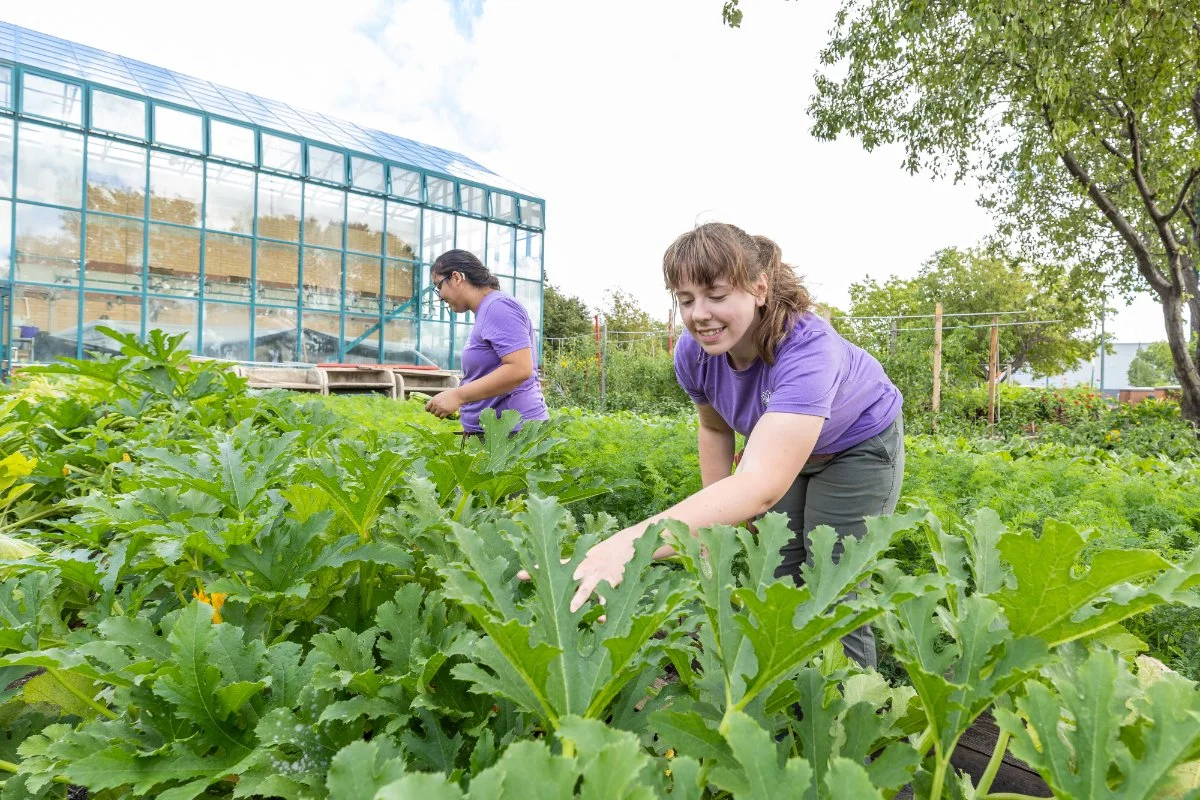
NRCS staff, often referred to as the agency’s "boots on the ground," operate predominantly outside of Washington, D.C., embedded within local communities. Their work is multifaceted and critical: they visit farms, conduct site-specific assessments, provide tailored technical advice, and guide farmers through the often-complex application processes for federal conservation programs. These programs offer financial and technical assistance for adopting practices that improve soil health, water quality, wildlife habitat, and overall farm sustainability. Without these local experts, farmers, especially those new to conservation practices or with limited resources, face immense hurdles in accessing and implementing these beneficial initiatives.
The specialized knowledge of these county-level personnel is irreplaceable. Soil conservationists, for instance, help farmers understand their land’s unique characteristics, recommend appropriate tillage practices, cover cropping strategies, and nutrient management plans. Rangeland management specialists, crucial in the Western United States, assist ranchers in developing sustainable grazing systems that prevent overgrazing, improve forage quality, and protect sensitive ecosystems. The absence of these specialists creates a void of localized expertise that cannot be effectively filled by remote assistance, as the specific environmental and agricultural conditions vary dramatically from one county to another.
Alarming Details from the New Analysis

Prospect Partners’ analysis paints a stark picture of the widespread impact of these staff reductions. Beyond the 144 counties that lost all conservation personnel, more than half of the approximately 2,400 total counties across the U.S. experienced overall net losses in NRCS staff during 2025. This indicates a systemic rather than isolated problem, suggesting a broad erosion of the agency’s capacity.
Specifically, the data reveals that 139 counties concluded last year with no staff whatsoever in three roles deemed absolutely critical for on-farm conservation work: soil conservationists, soil conservation technicians, and general natural resources management specialists. These are the front-line professionals who interact directly with farmers, conducting field assessments, designing conservation plans, and ensuring proper implementation.
The impact on rangeland management is particularly acute. Of the counties that had dedicated staff for this vital role at the start of 2025, a staggering one in four now have no one filling that position. This is especially concerning given the increasing challenges faced by Western rangelands, including drought, wildfire risk, and invasive species, all of which require expert management and robust conservation efforts. The implications for livestock producers and the ecological health of vast tracts of land are profound.
A Multi-Year Decline in NRCS Capacity
The staff reductions observed in 2025 are not an isolated event but rather the continuation of a worrying trend. The OPM data released in January 2026 had already indicated that the NRCS workforce had shrunk by nearly a quarter since President Donald Trump first took office in 2017. This long-term decline has gradually eroded the agency’s capacity, making it increasingly difficult for the USDA to fulfill its mandate of supporting agricultural sustainability and environmental stewardship.
Over this period, budget cuts, hiring freezes, and attrition have contributed to the dwindling number of field staff. Experts point to a broader federal trend of reducing agency footprints, but the specific impact on NRCS, an agency with a direct and tangible presence in rural communities, has been particularly damaging. The cumulative effect of these losses is now being felt acutely at the local level, where the daily work of conservation takes place.
Threat to New Initiatives and Underserved Farmers

Bernie Kluger, a former USDA official who led the analysis at Prospect Partners, emphasized the critical timing of these staff shortages. He highlighted the challenge they pose to the agency’s ability to successfully launch and implement new programs, such as the NRCS Regenerative Agriculture Pilot, which was announced in December 2025. This pilot program, which Kluger referred to by its inferred full name, the "Make America Healthy Again" (MAHA) program, aims to promote regenerative farming practices—methods designed to improve soil health, sequester carbon, and enhance biodiversity.
"Given the launch of the new MAHA program focused on regenerative agriculture, this [staffing issue] becomes mission critical to the agenda of the White House," Kluger stated. He underscored the impracticality of providing specialized agricultural advice from a distance: "You can’t give regenerative agriculture advice for Idaho with somebody on the phone from Florida." The nuanced understanding of local climate, soil types, and farming systems is paramount for effective conservation planning, a level of detail only possible with on-site staff.
Kluger also warned that the lack of staff would likely disproportionately affect small farms and those with the fewest resources. These farmers often lack the administrative capacity, technical knowledge, or time to navigate complex federal programs independently. They are precisely the ones who need the most direct assistance from NRCS county staff to identify suitable programs, understand technical requirements, and complete the necessary paperwork. Without this support, many small and historically underserved farmers may be effectively shut out of programs designed to help them build resilience and adopt sustainable practices, exacerbating existing inequalities within the agricultural sector.
Farmers Voice Concerns on Capitol Hill
The tangible impact of these staffing shortages is already being felt by farmers across the country. Just last week, during the launch of a new advocacy network called American Farmers for Conservation on Capitol Hill, multiple farmers from various states independently reported encountering significant NRCS staff shortages at their local offices. Their testimonies underscored the severity of the problem and the direct consequences for their operations.
John Painter, an organic dairy farmer from Tioga County, Pennsylvania, shared his personal experience. He recounted how, in the past, NRCS staff had been "tremendously helpful" in guiding him through conservation programs, particularly in improving his grazing management and water systems. These programs are vital for organic operations like Painter’s, which rely heavily on ecological stewardship. Now, however, he noted that employees in his local office are stretched thin, often tasked with covering three counties simultaneously. This increased workload inevitably leads to longer wait times for assistance, less personalized attention, and a potential reduction in the quality and depth of technical support available to farmers.
Painter and other farmers brought this pressing issue directly to the attention of House Agriculture Committee Chairman G.T. Thompson (R-Pennsylvania) during a meeting. According to Painter, Chairman Thompson expressed serious concern, stating, "absolutely he was concerned, and he would talk to the administration about it." While Thompson’s office did not respond to a request for comment regarding the meeting, his acknowledgment of the problem highlights a bipartisan recognition of the challenges facing agricultural conservation. The fact that farmers felt compelled to raise this issue directly with congressional leaders indicates the gravity of the situation at the grassroots level.

USDA’s Silence and Broader Implications
The USDA has yet to issue a public statement or respond to requests for comment on this new data and its profound implications. This silence leaves many questions unanswered regarding the department’s strategy for addressing the staffing crisis and its commitment to critical conservation objectives. The lack of an official response could signal internal policy reviews, budget constraints, or a reluctance to publicly address sensitive personnel matters. However, for farmers and environmental advocates, the absence of communication only heightens concerns about the future of federal support for sustainable agriculture.
The implications of these staff cuts extend far beyond individual farms. Effective conservation programs are essential for addressing national challenges such as climate change, water scarcity, and biodiversity loss. Reduced NRCS capacity means slower adoption of practices that sequester carbon in soils, protect waterways from agricultural runoff, and create habitats for pollinators and wildlife. This could undermine the nation’s ability to meet its environmental goals and adapt to a changing climate.
Furthermore, the diminishment of local USDA presence could weaken the fabric of rural communities. NRCS offices often serve as vital hubs for information, technical assistance, and community engagement. Their absence not only deprives farmers of direct support but also removes a key federal resource from areas that often struggle with economic development and access to services.
The Future of Agricultural Conservation in Question
The findings from Prospect Partners underscore a critical juncture for agricultural conservation in the United States. While new programs like the Regenerative Agriculture Pilot signal a federal commitment to sustainable farming, the capacity to implement these initiatives effectively is severely compromised by widespread staff shortages. The disconnect between policy aspirations and practical implementation poses a significant challenge.
As farmers continue to grapple with economic pressures, climate variability, and evolving market demands, the need for robust, accessible federal conservation support remains paramount. The ongoing debate surrounding USDA staffing levels and funding for conservation programs will undoubtedly be a central theme in future agricultural policy discussions, particularly as Congress considers the upcoming farm bill. Without a renewed commitment to adequately staff its county offices, the USDA risks undermining its own conservation efforts and leaving American farmers to navigate complex environmental and economic challenges without the vital support they need. The question now is whether the administration and Congress will act decisively to restore the "boots on the ground" that are so essential to the health of the nation’s farms and natural resources.