admin
admin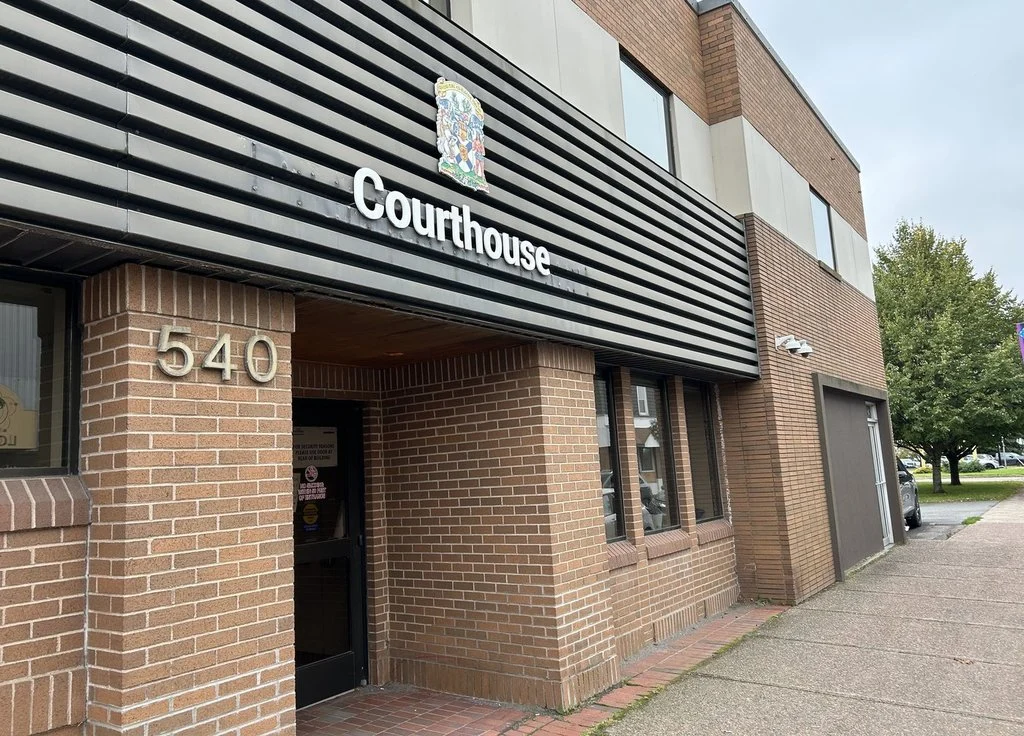
A significant development in a high-profile case involving allegations of sexual assault within a minor hockey team in Nova Scotia occurred this week, as one of two accused players changed his plea to guilty. The youth, who was 14 years old at the time of the incident last fall, formally admitted guilt to the charge of sexual assault with a weapon in a youth court in Truro, N.S. This plea marks a pivotal moment in a case that has drawn considerable attention to player safety and accountability within youth sports.
The incident, which involved a mini hockey stick being used as a weapon, prompted charges of assault, sexual assault, and sexual assault with a weapon against two players. Initially, both accused had pleaded not guilty in May. However, the first youth’s decision to alter his plea on Tuesday afternoon, confirmed by Judge Brian Warcop in a packed courtroom, sets a new trajectory for the ongoing legal proceedings. The courtroom, located approximately 80 kilometres northeast of Halifax, witnessed a solemn atmosphere, punctuated by the judge’s instruction for the accused to remove his chewing gum as he confirmed his new plea. Following the hearing, an emotional scene unfolded in the hallway as several individuals gathered, offering hugs and support, indicative of the profound impact this case has had on all parties involved.
The court proceedings themselves were not without logistical challenges. The initial scheduling placed the hearing in a smaller courtroom with a capacity for only 21 people. However, due to the anticipated high attendance from reporters, legal teams, and supporters of both the complainant and the accused, the hearing was delayed and subsequently moved to a larger venue to accommodate the significant public interest and ensure proper access to justice. This logistical adjustment underscored the gravity and public scrutiny surrounding the allegations.
The Legal Landscape and Co-Accused’s Case
While one player has admitted guilt, the legal journey for the second accused youth, also 14 at the time of the incident, continues. He faces the same charges—assault, sexual assault, and sexual assault with a weapon—along with an additional assault charge. Having maintained his not-guilty plea since May, his case is now scheduled for trial in February before a different judge, a common practice to ensure impartiality when co-accused individuals have different legal outcomes or strategies. Due to their status as minors under the Youth Criminal Justice Act (YCJA), neither of the accused can be publicly identified, a measure designed to protect their privacy and facilitate their potential rehabilitation, although it often presents a challenge to public understanding of the specifics of such cases.
Crown prosecutor Patrick Young addressed reporters following the Tuesday hearing, shedding light on the immediate implications of the guilty plea. Young confirmed that the boy who pleaded guilty is now compelled to testify in the upcoming trial of the co-accused. This testimony will be a critical component of the prosecution’s case against the second youth, potentially providing key insights and direct accounts of the incident. Young also indicated that there would be a joint sentencing recommendation for the admitted offender, although the specific details of the plea negotiation remain privileged information, a standard practice to encourage such agreements.

Understanding the Youth Criminal Justice Act and Potential Penalties
The sentencing phase for the youth who pleaded guilty will be governed by the Youth Criminal Justice Act, a comprehensive piece of Canadian legislation designed to address youth crime with a focus distinct from the adult criminal justice system. The YCJA emphasizes accountability through measures that are proportionate to the seriousness of the offence and the degree of responsibility of the young person, while also prioritizing rehabilitation, reintegration into society, and addressing the underlying causes of their behaviour.
Under the YCJA, penalties can range significantly, from an absolute discharge—where no further action is taken against the youth, often based on the recognition that the court process itself has been sufficient—to a three-year period of incarceration. Other potential dispositions include judicial reprimands, fines, probation orders with various conditions (such as curfews, community service, counselling, or restrictions on contact), intensive rehabilitative custody and supervision orders, or deferred custody and supervision orders. The specific sentence will be determined after careful consideration of factors such as the nature and gravity of the offence, the youth’s age, maturity, previous record, and any mitigating or aggravating circumstances presented during the sentencing hearing. The joint sentencing recommendation from the Crown and defence, though confidential in detail, will aim to propose a disposition that aligns with the principles and objectives of the YCJA.
Young also used the opportunity to deliver a broader message regarding sexual violence, stating, “We know that sexual violence often goes unreported, and we encourage anyone who might be a victim of crime to find the courage to come forward as these young people have done, and that would stand as an example to others who might be considering coming forward to police.” This statement underscores the societal challenge of underreporting and highlights the bravery of victims who choose to come forward, potentially inspiring others to seek justice and support.
Chronology of the Incident and Its Immediate Aftermath
The Crown prosecutor detailed an agreed statement of facts during the hearing, outlining the harrowing events of last fall. The complainant, a 13-year-old rookie on an under-15 hockey team in Colchester County, northeast of Halifax, was the victim of the assault. The incident occurred during a team sleepover on October 3, 2023, an event attended by most members of the team. While parents were present downstairs, the players were gathered in two upstairs bedrooms, a common scenario in youth sports fostering camaraderie, but one that tragically became the setting for a serious crime.
According to the Crown’s account, the victim was lying on his stomach, scrolling on his phone, when the two accused players allegedly pinned him down. They then proceeded to remove his pants and underwear. It was at this point that a mini hockey stick was used during the sexual assault. The court was told that the victim immediately told them to stop, and when he began to cry, the assailants ceased their actions. The entire episode, as described by the Crown, lasted between 15 to 20 seconds. However, for the young complainant, the experience "felt like forever," a poignant detail emphasizing the psychological trauma inflicted during such a brief but violent encounter.

Disturbingly, the agreed statement of facts also revealed that immediately following the assault on the first victim, the two teammates allegedly attempted to perpetrate similar acts on two other players present at the sleepover. They reportedly succeeded in removing the pants of these individuals but were unable to remove their underwear, suggesting a pattern of behaviour and a broader environment of misconduct within the team setting. The complainant, grappling with the mental anguish of the incident, initially struggled to inform his parents, a common reaction among victims who fear consequences or do not wish to cause trouble for others, further delaying the formal reporting of the assault.
Institutional Response and Broader Implications for Youth Sports
The timeline of official response highlights the delay between the incident and its formal reporting to authorities. Hockey Nova Scotia, the provincial governing body for minor hockey, stated that it first learned about an allegation involving a minor on January 30, 2024. This revelation came after a youth reportedly informed police about being assaulted during a private team gathering in October 2023. On February 5, 2024, Hockey Nova Scotia publicly confirmed that it had immediately referred the matter to the Royal Canadian Mounted Police (RCMP) upon learning of the allegations. Furthermore, the organization confirmed the suspension of a youth team operating in the Truro area, indicating a swift, albeit delayed, institutional response to the serious nature of the accusations.
This case has resonated deeply within the broader landscape of youth sports, particularly in Canada where hockey holds a significant cultural position. It serves as a stark reminder of the persistent challenges related to hazing, bullying, and sexual violence that can unfortunately occur within team environments. Such incidents erode trust, not only between players but also between parents, coaches, and the governing bodies responsible for ensuring the safety and well-being of young athletes.
The immediate actions taken by authorities included the arrest of four youths in early February 2024, though charges were ultimately laid against only two of them by the end of that month. Both accused individuals were subsequently released from custody under strict court orders. These orders prohibit them from contacting three specific individuals, likely the victims or key witnesses, and also restrict them from entering public dressing rooms unless accompanied by an adult. These measures are designed to protect potential victims and to manage the risk posed by the accused while awaiting further legal proceedings.
The Pervasive Issue of Hazing and Sexual Violence in Sports
The tragic events in Truro underscore a pervasive issue that extends far beyond a single team or community. Research and numerous high-profile cases have consistently revealed that hazing and sexual violence, often intertwined, are deeply rooted problems within certain sports cultures, particularly in male-dominated team environments. These activities are frequently perpetuated under a misguided sense of team bonding, tradition, or a perceived hierarchy within the group. The use of a mini hockey stick in this instance is particularly disturbing, as it transforms an innocuous piece of sports equipment into an instrument of assault, further blurring the lines between playful antics and criminal behavior.

Experts in sports psychology and youth development often point to several contributing factors: a culture of silence that discourages reporting, fear of retaliation or social ostracization, and a power imbalance between older and younger players or between coaches and athletes. Moreover, the emphasis on toughness and conformity in some sports can inadvertently create an environment where vulnerability is seen as a weakness, making it incredibly difficult for victims to speak out.
Organizations like Hockey Nova Scotia and Hockey Canada have, in recent years, faced increased scrutiny and pressure to implement more robust policies and educational programs aimed at preventing such incidents. This includes mandatory Respect in Sport training for coaches, parents, and sometimes players, clear codes of conduct, and accessible reporting mechanisms. However, the effectiveness of these policies often depends on their consistent enforcement and the fostering of a genuinely safe and inclusive team culture from the grassroots level up.
Moving Forward: Accountability and Prevention
The guilty plea in this case sends a strong message that allegations of sexual assault, even within youth sports and involving minors, will be taken seriously by the justice system. It highlights the importance of courage shown by victims in coming forward and the responsibility of authorities to pursue justice. For the hockey community, this case serves as a critical call to action, demanding a renewed commitment to creating environments where young athletes can participate safely, free from fear of abuse or exploitation.
As the second youth’s trial approaches in February, the focus will remain on ensuring a fair legal process while upholding the principles of the Youth Criminal Justice Act. Beyond the courtroom, the broader community, including parents, coaches, and sports administrators, must continue to engage in proactive discussions about consent, respect, and intervention. It is imperative to foster a culture where bystanders feel empowered to speak up, where victims feel supported to report, and where the safety and well-being of every young athlete are paramount. Only through sustained vigilance, comprehensive education, and unwavering accountability can the tragic lessons from cases like this one be transformed into meaningful and lasting positive change for youth sports across the country.