admin
admin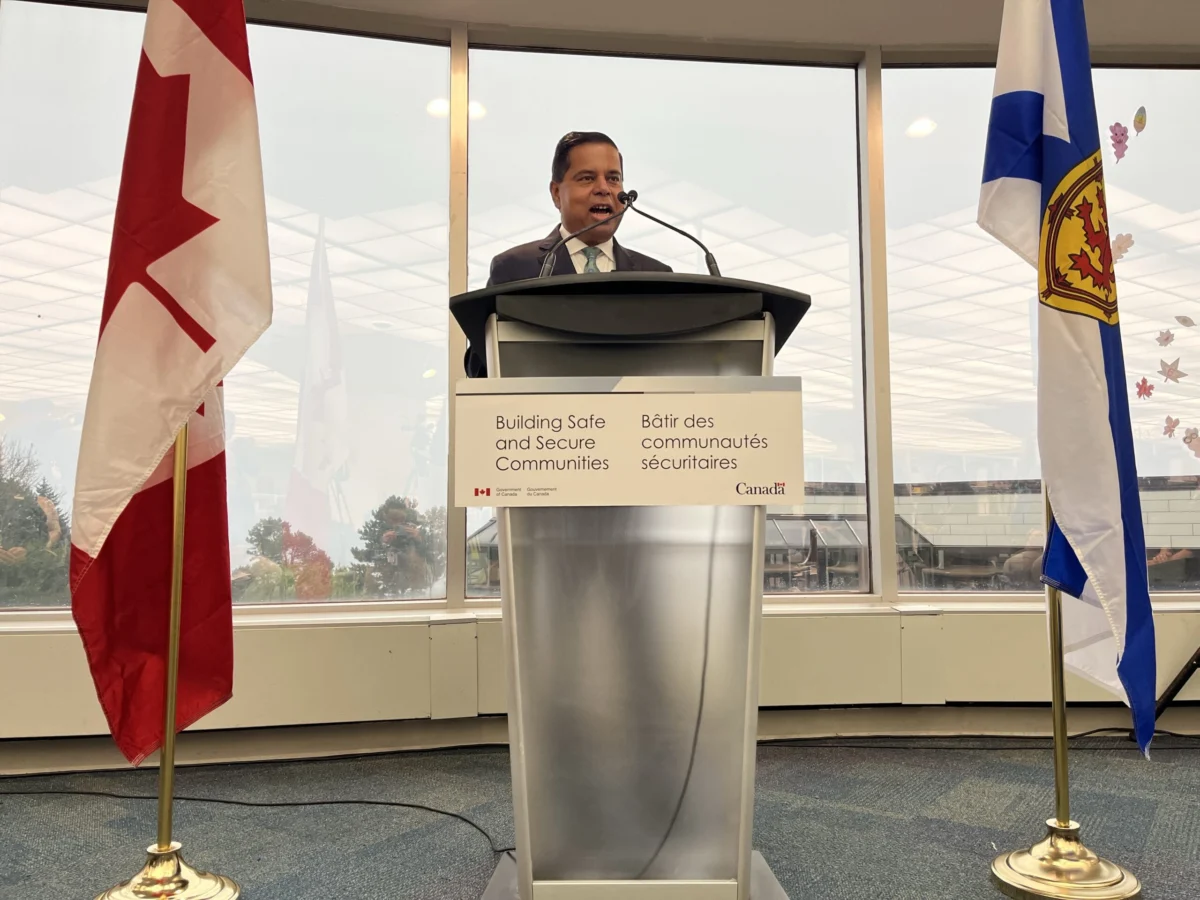
The federal government has unveiled a significant investment of nearly $2 million directed towards the Halifax Regional Municipality (HRM), earmarking these funds specifically for initiatives designed to prevent gun and gang violence within the community. This announcement, made on September 29, 2026, signals a renewed commitment from Ottawa to support local efforts in addressing the complex social conditions that contribute to youth involvement in criminal activities. The funding is part of the larger federal Build Safer Communities Fund, a national program aimed at fostering safer environments across Canada through targeted, preventative measures.
The Federal Initiative: Build Safer Communities Fund
Canada’s Minister of Public Safety, Gary Anandasangaree, articulated the rationale behind the investment during an announcement in Dartmouth, N.S. "We’re giving them the tools to turn away from crime," Minister Anandasangaree stated, emphasizing the proactive nature of the funding. He further elaborated that the funds would support projects that specifically target the risk factors associated with gun and gang violence, with a particular focus on the underlying social conditions that often draw young people into crime. This allocation for Halifax is a component of a substantial $157.5-million commitment from the federal government, distributed nationwide over the next three years, underscoring a comprehensive national strategy to combat violent crime at its roots.
The Build Safer Communities Fund represents a pivotal element of the federal government’s broader anti-violence agenda. Launched with the understanding that law enforcement alone cannot solve the multifaceted issue of crime, the fund champions a community-centric approach. It aims to empower local organizations and municipalities to implement tailored programs that address the unique challenges faced by their populations. This includes initiatives ranging from youth mentorship and educational support to mental health services and community outreach, all designed to create robust alternatives to criminal lifestyles. The long-term vision is to disrupt the cycle of violence by offering pathways to positive development and integration, thereby fostering resilient communities from within.

Targeting Root Causes: A Holistic Approach to Prevention
The Halifax Regional Municipality’s plan for utilizing this nearly $2 million in federal support is multi-faceted, reflecting a holistic understanding of crime prevention. Mayor Andy Fillmore highlighted the importance of early intervention, stating, "The best public safety work often begins much earlier. It begins when a young person finds a mentor or a program that they can believe in, a place where they belong." This sentiment underscores a shift from purely reactive policing to a more preventative model that invests in social capital and youth development.
The funding is specifically earmarked to strengthen existing community groups and launch new programs designed to steer vulnerable youth away from involvement in gangs and gun violence. Key areas of focus include:
- Crisis De-escalation Supports: Expanding resources and training for youth and community workers to effectively manage and de-escalate situations that could otherwise lead to violence. This involves equipping individuals with conflict resolution skills and providing safe spaces for intervention.
- Mentorship Programs: Creating and enhancing opportunities for young people to connect with positive role models who can provide guidance, support, and alternative perspectives to life outside of criminal activity. These programs are vital in building self-esteem and aspiration.
- Educational Resources: Developing and delivering educational programs that equip youth with critical life skills, academic support, and pathways to further education or vocational training, thereby improving their economic prospects and reducing vulnerability to exploitation.
- Mental Health Services: Providing accessible mental health support and counseling to young people who may be experiencing trauma, anxiety, or other psychological challenges that can make them susceptible to recruitment by gangs or engagement in violent behaviour.
- Anti-Trafficking and Sexual Exploitation Initiatives: A critical component of the strategy involves developing specific programs to educate young people about the dangers of human trafficking and sexual exploitation, particularly in the digital realm. Sylvia Ofunne, a social policy strategist with the municipality, noted, "We would like to develop tools and training to educate young people around healthy relationships and things to look out for online." This proactive education aims to empower youth to recognize and resist predatory practices.
These initiatives are designed to create a comprehensive safety net, addressing the various socioeconomic and psychological factors that contribute to youth vulnerability. By investing in these foundational areas, the HRM aims to build a stronger, more resilient community where young people have genuine opportunities for positive growth and development.
Voices from the Ground: Official Statements and Implementation

The officials involved in the announcement articulated a clear vision for the impact of this funding. Public Safety Advisor for the City of Halifax, Amy Siciliano, emphasized the municipality’s growing capacity to leverage such federal investments. "We’ve really been able to build our internal capacity to better support community organizations as well as our own facilities like recreation centres, library work, to work alongside community to improve the conditions that create those safer places for everyone," Siciliano remarked. Her statement highlights the collaborative approach being adopted, where municipal departments work hand-in-hand with grassroots organizations to maximize the reach and effectiveness of the programs. This synergy between governmental and non-governmental entities is crucial for localized interventions to succeed.
The emphasis on enhancing internal capacity suggests that the HRM is not just a conduit for funds but an active participant in developing and refining program delivery. This involves training municipal staff, fostering better communication channels between various stakeholders, and establishing robust evaluation frameworks to ensure accountability and effectiveness. The goal is to create a sustainable model for violence prevention that can adapt to evolving community needs.
A History of Support: Previous Federal Commitments and Evolving Strategies
This latest funding announcement is not an isolated event but rather a continuation of federal support for Halifax’s efforts to combat violence. Since 2022, the Halifax Regional Municipality has already received more than $3 million during the initial installment of the federal Build Safer Communities Fund. This prior investment has allowed the city to lay groundwork, pilot programs, and develop a deeper understanding of the specific needs within its diverse communities. The continuity of funding underscores a recognition by the federal government of the long-term nature of violence prevention and the need for sustained investment.
The chronology of federal support demonstrates an evolving strategy. Initial funding likely focused on foundational programs, while subsequent tranches, like the current nearly $2 million, can build upon lessons learned and expand successful initiatives. This incremental approach allows for flexibility and responsiveness, enabling the HRM to refine its strategies based on real-world outcomes and community feedback. The consistent allocation of funds also signals a partnership between different levels of government, working towards a common goal of public safety.

The Urgency: Halifax’s Crime Statistics and Broader Context
The need for such robust intervention programs in Halifax is underscored by recent crime data. According to HRM data, the city recorded nine homicides and 30 shootings in 2025. These figures, while subject to annual fluctuations, represent a significant concern for residents and authorities alike, indicating a persistent challenge with gun and gang-related violence. While the article does not provide comparative historical data, even a single digit for homicides and double digits for shootings in a year highlight the serious impact on community safety and well-being.
The issue of gun and gang violence in Canadian cities is complex, often intertwined with broader socioeconomic disparities, the illicit drug trade, and the illegal flow of firearms. Halifax, as a growing urban centre and a port city, faces unique vulnerabilities, including potential for drug trafficking routes and the associated gang activity. Nationally, many urban centres have reported an uptick in gun violence in recent years, prompting federal and provincial governments to explore a range of solutions, from stricter gun control legislation to community-based prevention programs. The federal government’s approach, as evidenced by the Build Safer Communities Fund, acknowledges that enforcement must be complemented by social interventions to achieve lasting reductions in violence. This funding is a direct response to the urgent need to address these underlying factors proactively.
Programmatic Details and Implementation Strategies
The municipality’s social policy strategists, like Sylvia Ofunne, are actively working on concrete program development. The emphasis on "tools and training to educate young people around healthy relationships and things to look out for online" is particularly pertinent in an age where digital platforms are increasingly used for recruitment into gangs, online exploitation, and fostering unhealthy relationships. These programs will likely include workshops in schools and community centres, digital literacy training, and resources for parents and educators. The goal is to equip young people with the critical thinking skills and awareness necessary to navigate complex social environments, both online and offline, safely.

Furthermore, the expansion of crisis de-escalation supports will likely involve training for youth workers, social workers, and even community volunteers who regularly interact with vulnerable youth. This could include formal certifications in de-escalation techniques, mental health first aid, and trauma-informed care. By building a network of trained individuals, the HRM aims to ensure that young people in distress have access to immediate, non-punitive support, diverting them from paths that could lead to criminal involvement. The strategy also envisions creating dedicated safe spaces, such as enhanced recreation centres and youth hubs, where these mentorship and educational programs can be consistently delivered in a welcoming and supportive environment.
Measuring Success and Future Outlook
The ultimate objective of these additional supports, as articulated by officials, is a tangible reduction in the figures associated with gun and gang violence. Minister Anandasangaree expressed this aspiration directly: "(We) want to counter that with off-ramps that will enable young people to not fall into that trap of the criminal justice system." This outcome-oriented approach suggests that the programs will likely incorporate metrics for success, such as participation rates in programs, reported incidents of violence in target areas, and surveys on youth engagement and perceptions of safety.
While the immediate goal is to reduce homicides and shootings, the long-term vision extends to fostering a generation of young people who are empowered, educated, and integrated into healthy community structures. This includes improving school retention rates, increasing access to employment opportunities, and promoting overall well-being. The success of these initiatives will not only be measured in crime statistics but also in the improved social fabric and economic vitality of Halifax’s communities. It is an investment in human potential, aiming to break intergenerational cycles of violence and disadvantage.
Broader Implications and National Context

Halifax’s receipt of this federal funding is emblematic of a broader national strategy to tackle gun and gang violence through a combination of enforcement and prevention. The Build Safer Communities Fund is part of a wider suite of federal initiatives, which also includes legislative measures like Bill C-21 aimed at strengthening gun control, and investments in law enforcement capabilities. However, the emphasis on community-based prevention acknowledges that systemic issues require systemic solutions beyond policing.
The implications extend beyond Halifax, setting a precedent for other Canadian municipalities facing similar challenges. By demonstrating effective models of community engagement, early intervention, and multi-sectoral collaboration, Halifax could serve as a case study for best practices in urban violence prevention. This collaborative framework, involving federal, municipal, and community partners, is increasingly recognized as the most effective way to address complex social problems. The continued federal investment signals a sustained commitment to these comprehensive strategies, recognizing that building safer communities is a shared responsibility requiring long-term vision and consistent effort.