admin
admin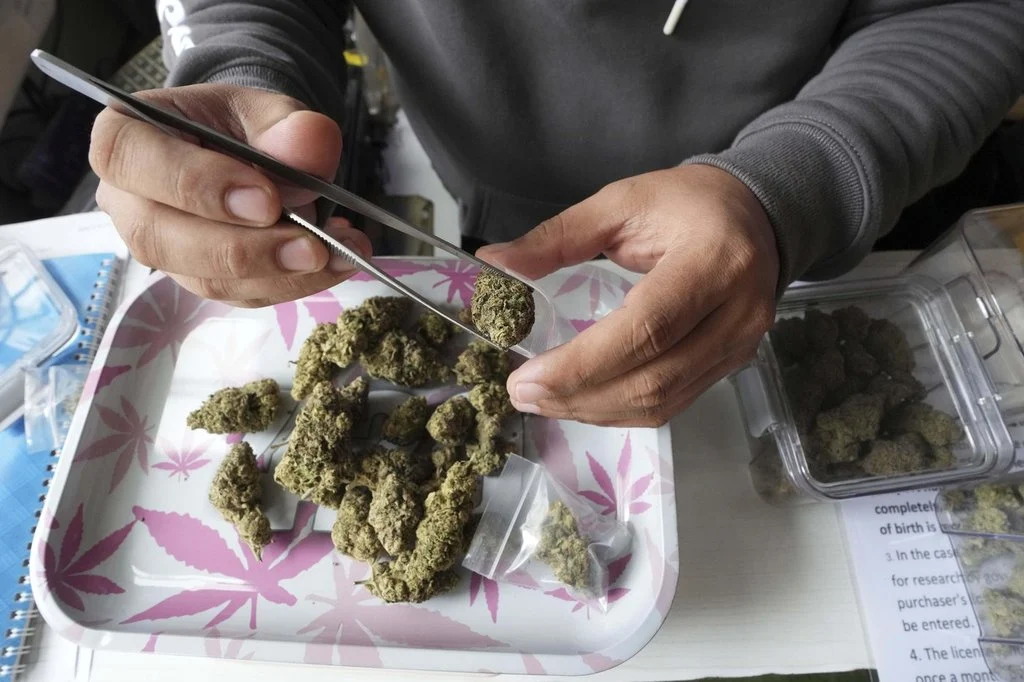
The legal proceedings involving Thomas Durfee, a Mi’kmaq man facing charges for selling unlicensed cannabis, have escalated to a significant constitutional challenge, setting the stage for a potentially landmark legal battle over the interpretation of Indigenous treaty rights in contemporary Canada. A provincial court judge recently ruled that Durfee’s assertions regarding his treaty rights would not be considered at the initial stage of the proceedings, instead directing the matter to a dedicated constitutional challenge. Court dates for this pivotal phase are scheduled to be set on April 10, marking a critical juncture for both Indigenous economic sovereignty and the federal and provincial cannabis regulatory frameworks.
Background to the Challenge: Treaty Rights and Truckhouses
At the core of Durfee’s defence is the assertion that he possesses a legal and inherent right to sell cannabis from establishments he refers to as "treaty truckhouses." This term harkens back to the 18th-century Peace and Friendship Treaties signed between the Mi’kmaq people and the British Crown. These treaties, particularly those from the 1750s, were not land cession agreements but rather accords intended to establish peaceful relations and regulate trade between the parties. Crucially, they included provisions that allowed the Mi’kmaq to continue their traditional economic activities, which prominently featured trade. "Truckhouses" were designated trading posts where Mi’kmaq people could exchange goods with the British. Durfee argues that these historical rights to trade, affirmed by these treaties, extend to modern commercial activities, including the sale of cannabis, and are protected under Section 35 of the Constitution Act, 1982.
Section 35 unequivocally "recognizes and affirms the existing aboriginal and treaty rights of the aboriginal peoples of Canada." This constitutional protection means that treaty rights are not merely historical relics but living rights that must be interpreted in a contemporary context, evolving with the economic realities of Indigenous communities. Durfee’s case seeks to test the boundaries of this interpretation, specifically whether the right to trade, once applied to furs and other traditional goods, can now encompass regulated substances like cannabis, thereby challenging the exclusive jurisdiction claimed by federal and provincial governments over its sale.
The Legal Journey: From Charges to Constitutional Question

Thomas Durfee’s legal journey began in 2024 when he was charged with several counts related to selling and promoting the sale of cannabis without proper licensing. These charges followed a search of his business premises in Dartmouth, Nova Scotia. At the time, Durfee was operating five establishments, which he branded as treaty truckhouses, where he sold cannabis alongside local art, openly asserting his right to do so under treaty protections.
The initial proceedings focused on the charges under the Cannabis Act, Canada’s federal legislation governing the production, distribution, and sale of cannabis, and Nova Scotia’s provincial regulations. However, Durfee’s defence immediately raised the constitutional question, arguing that the federal and provincial laws infringed upon his constitutionally protected treaty rights. The provincial court judge’s decision to bifurcate the proceedings—addressing the charges first and then the constitutional question—is a procedural step that ensures the complex constitutional arguments receive a thorough and dedicated examination. The upcoming April 10 date will be crucial for scheduling the specific hearings and motions related to the constitutional challenge, signaling the commencement of a more profound legal analysis. This separation highlights the extraordinary nature of the defence, elevating it from a standard regulatory compliance case to one with national implications for Indigenous rights.
Precedent and Parallel: Lessons from R. v. Marshall
The legal landscape for interpreting Mi’kmaq treaty rights was profoundly shaped by the Supreme Court of Canada’s landmark decision in R. v. Marshall in 1999. In that case, Donald Marshall Jr., a Mi’kmaq man, was charged with fishing eel without a licence and selling his catch illegally. The Supreme Court ultimately ruled that the 1760-61 Peace and Friendship Treaties affirmed the Mi’kmaq’s right to hunt, fish, and gather to earn a "moderate livelihood." This decision, which sparked significant debate and subsequent regulatory adjustments in the fishing industry, established that treaty rights are not frozen in time but must be interpreted flexibly to allow Indigenous peoples to pursue economic self-sufficiency in modern terms.
The Marshall decision provides a powerful legal parallel for Durfee’s case. Just as fishing for a moderate livelihood was affirmed, Durfee argues that the historical right to trade through "truckhouses" should similarly be interpreted to include participation in the modern economy, specifically the cannabis market. The legal challenge will likely involve extensive historical analysis of the treaties, ethnographic evidence of traditional Mi’kmaq trade practices, and a contemporary economic assessment to demonstrate how cannabis sales fit within the concept of a "moderate livelihood" or broader economic self-determination. The outcome will hinge on whether the courts view cannabis as a legitimate modern commodity that falls within the scope of the original trading rights, or if public health and safety regulations under the Cannabis Act constitute a justifiable infringement on those rights, a high bar for the Crown to meet under Section 35 jurisprudence.
Canada’s Cannabis Framework vs. Indigenous Autonomy

Canada became the second country in the world to legalize recreational cannabis nationwide in October 2018, with the stated goals of protecting public health, ensuring public safety by keeping cannabis out of the hands of youth, and disrupting the illicit market. The Cannabis Act established a strict federal framework for production, processing, import/export, and medical cannabis, while granting provinces and territories the authority to regulate retail sales, distribution, and public consumption. This dual regulatory system has led to diverse retail models across the country, ranging from government-run monopolies to private retail systems.
The federal and provincial cannabis regimes, however, did not explicitly carve out a space for Indigenous-led, treaty-based cannabis operations. This omission has created a direct conflict with Indigenous aspirations for self-governance and economic autonomy. Many First Nations argue that they have an inherent right to regulate and benefit from economic activities within their territories, including the cannabis industry, independent of provincial or federal licensing. This perspective views the imposition of external regulatory frameworks without consultation or accommodation as an infringement on their sovereignty and a failure to uphold treaty obligations. Durfee’s case represents a direct challenge to this jurisdictional assertion, highlighting a "regulatory gap" that Indigenous communities across Canada are increasingly seeking to fill through their own laws and enterprises.
Economic Imperatives and Community Impact
For many First Nations communities, economic development is not merely about wealth creation but is intricately linked to self-determination, cultural revitalization, and community well-being. Indigenous communities often face significant socio-economic disparities compared to non-Indigenous populations, including higher rates of unemployment, lower incomes, and reduced access to essential services. Enterprises like Durfee’s, which operate five truckhouses selling both cannabis and local art, represent a grassroots effort to generate revenue and create jobs within Indigenous communities, bypassing external regulatory hurdles perceived as barriers to economic self-sufficiency.
The cannabis industry, with its rapid growth and high revenue potential, offers a unique opportunity for First Nations to build sustainable economies. If Durfee’s challenge is successful, it could set a powerful precedent, allowing Mi’kmaq and potentially other Indigenous communities to establish their own cannabis industries, complete with cultivation, processing, and retail operations, under their own jurisdiction. This could lead to significant economic benefits, including:
- Revenue Generation: Profits could be reinvested into community services, infrastructure, education, and health programs.
- Job Creation: Opportunities for employment and skills development within the community.
- Economic Diversification: Reducing reliance on traditional resource-based industries or government transfers.
- Self-Sufficiency: Fostering greater economic independence and reducing disparities.
- Cultural Preservation: Integrating traditional practices, art, and governance into modern enterprises, as Durfee does by selling local art alongside cannabis.
The ability to control and benefit from economic activities on their own terms is a fundamental aspect of Indigenous self-determination and reconciliation.

Stakeholder Perspectives and Potential Reactions
The constitutional challenge launched by Thomas Durfee is poised to elicit diverse reactions from various stakeholders:
- Mi’kmaq Leadership and Indigenous Rights Advocates: Mi’kmaq leadership and broader Indigenous rights organizations are likely to view this case as a crucial test of treaty fidelity and economic self-determination. They would emphasize the importance of upholding historical agreements and the inherent right of Indigenous peoples to control economic activities within their traditional territories. Statements would likely call for respect for Section 35 of the Constitution Act and for governments to engage in meaningful negotiations rather than protracted legal battles. They might highlight the potential for Indigenous-led cannabis operations to contribute to safer, more culturally appropriate regulation.
- Federal Government: The federal government, through the Department of Justice, would likely argue for the supremacy of the Cannabis Act based on public health, safety, and crime prevention objectives. While committed to reconciliation, the government faces the challenge of balancing Indigenous rights with a uniform national regulatory framework. They might express a willingness to explore negotiated solutions or specific carve-outs for Indigenous communities, but only within a framework that aligns with federal objectives.
- Provincial Government (Nova Scotia): Nova Scotia, which operates a provincial monopoly on cannabis retail through the Nova Scotia Liquor Corporation (NSLC), would have significant economic and regulatory interests at stake. The province would likely express concerns about an unregulated market, potential revenue loss from provincial sales, and the integrity of its controlled substance framework. Their legal arguments would likely focus on the province’s jurisdiction over retail sales and consumer protection.
- Legal Experts and Constitutional Scholars: Legal scholars would closely analyze the case for its potential to redefine the scope of treaty rights under Section 35. They would examine how the concept of "moderate livelihood" from Marshall could be applied to new industries like cannabis and the tests for justifiable infringement on treaty rights. There would be discussions about the evidentiary burden on Durfee to prove the historical basis of his claim and on the Crown to prove the necessity of its regulations.
- Licensed Cannabis Industry: Established licensed producers and retailers in the legal cannabis market might voice concerns about fair competition and the potential for a parallel, unregulated market. They would likely advocate for a level playing field and emphasize the importance of compliance with existing health and safety standards. However, some might also see opportunities for partnerships with Indigenous-led enterprises if a new legal framework emerges.
Broader Implications: Sovereignty, Reconciliation, and the Future of Treaty Rights
Thomas Durfee’s constitutional challenge is more than just a case about cannabis; it is a profound examination of Indigenous sovereignty, the living nature of treaty rights, and the ongoing journey of reconciliation in Canada. If successful, Durfee’s case could have far-reaching implications:
- Redefining Treaty Rights: It could expand the interpretation of economic treaty rights beyond traditional activities to include participation in modern, regulated industries. This would empower Indigenous communities to leverage their inherent rights for contemporary economic development.
- Challenging Jurisdictional Control: The case directly challenges the Crown’s assertion of absolute jurisdiction over all commercial activities within its borders, particularly on lands where treaties affirm Indigenous rights. It could compel federal and provincial governments to recognize and accommodate Indigenous regulatory authority.
- Catalyst for Self-Governance: A favourable ruling could serve as a powerful catalyst for other Indigenous communities to assert their right to self-govern economic activities, potentially leading to the development of distinct Indigenous-regulated industries beyond cannabis. This could foster models of self-determination where Indigenous laws and regulations operate alongside, or in place of, federal and provincial ones.
- Shaping Reconciliation Efforts: The outcome will significantly influence the trajectory of reconciliation. A ruling that affirms Durfee’s treaty rights would underscore the need for governments to respect and uphold existing agreements, moving beyond symbolic gestures to concrete recognition of Indigenous economic and legal autonomy. Conversely, a ruling against Durfee could be seen as a setback, highlighting the continued struggle for Indigenous rights recognition within the Canadian legal system.
- Potential for New Frameworks: Regardless of the immediate court outcome, the constitutional challenge will likely push governments towards exploring negotiated solutions or developing new, cooperative regulatory frameworks for Indigenous-led cannabis operations. This could involve tripartite agreements between federal, provincial, and First Nations governments to establish distinct licensing, taxation, and oversight mechanisms that respect both treaty rights and public safety concerns. Such frameworks could serve as blueprints for other industries where Indigenous rights intersect with modern regulations.
As the April 10 date approaches to set the schedule for the constitutional challenge, all eyes will be on this unfolding legal drama. Thomas Durfee’s fight is not just for his right to sell cannabis; it is a pivotal moment for Mi’kmaq people and indeed for all Indigenous nations in Canada, as they continue to assert their inherent rights and reshape their place within the Canadian economic and legal landscape. The precedent set here could redefine how historical treaties are understood and applied in the 21st century, impacting the future of Indigenous-Crown relations and the very fabric of Canadian federalism.