admin
admin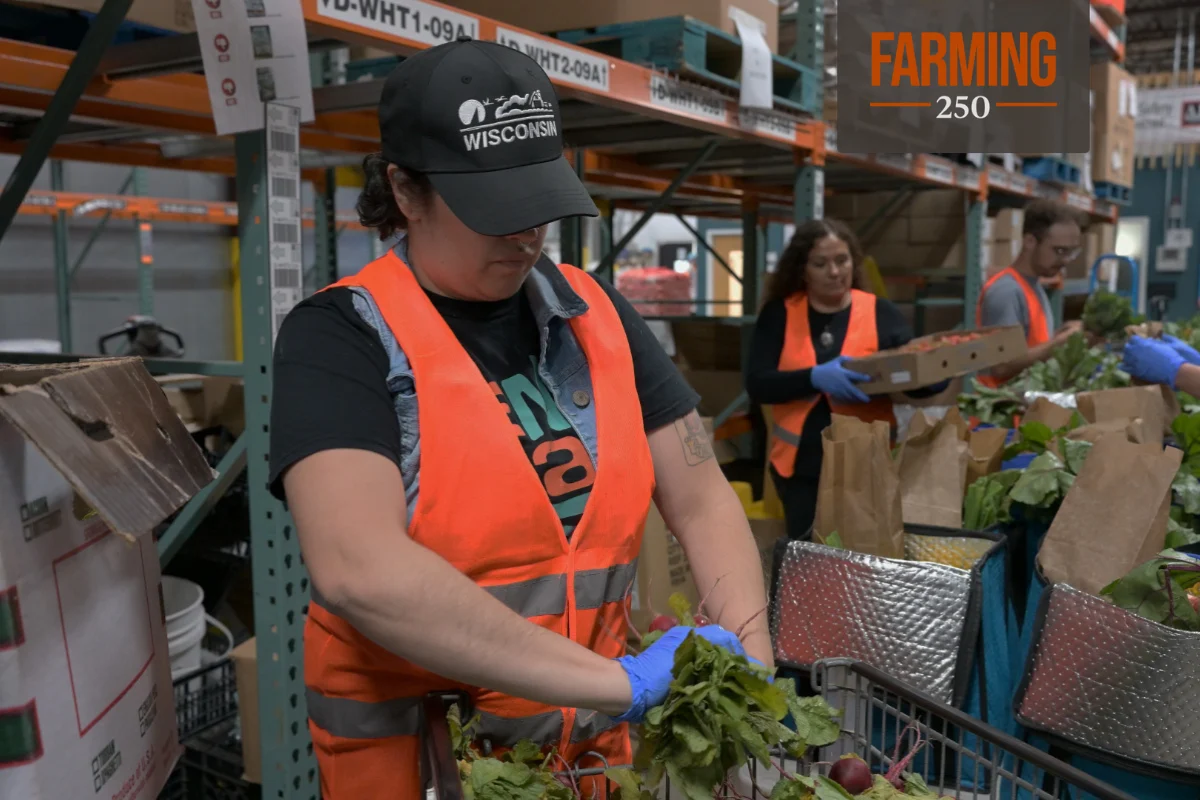
In Madison, Wisconsin, a pioneering cooperative of immigrant doulas, Roots4Change, is addressing critical disparities in maternal healthcare and food access for Latina and Indigenous expecting mothers and their families. This innovative model, which pairs culturally congruent support with weekly deliveries of fresh, local produce, offers a vital lifeline to communities navigating a complex healthcare system and heightened anxieties amid ongoing immigration enforcement. The initiative, highlighted on July 30, 2026, represents a significant community-led effort to foster wellness, trust, and resilience.
Addressing Systemic Disparities in Maternal Healthcare
Immigrant women in the United States face disproportionately higher risks when accessing maternal healthcare services. Studies consistently show that language barriers, cultural misunderstandings, and a pervasive fear of engaging with official institutions—especially during periods of intensified immigration enforcement—contribute to delayed prenatal care, poorer birth outcomes, and increased maternal morbidity and mortality rates within these communities. The conventional healthcare system often lacks the linguistic and cultural competency required to adequately serve diverse immigrant populations, leaving many feeling isolated, misunderstood, and unsafe. For Latina and Indigenous women, these challenges are frequently compounded by socioeconomic factors, including job insecurity and limited access to health insurance, which further restrict their ability to prioritize maternal health.
The current climate of immigration crackdowns exacerbates these vulnerabilities. Many immigrant families report a deep-seated fear of public spaces, including clinics and hospitals, due to concerns about data collection, potential raids, or interaction with authorities. This pervasive fear can deter individuals from seeking necessary medical attention, particularly during critical periods such like pregnancy and postpartum, when consistent care is paramount for both mother and child. Roots4Change emerged from an understanding of these profound systemic barriers, aiming to create a trusted, culturally affirming space where women feel empowered and supported throughout their perinatal journey.
Roots4Change: A Community-Led Solution

Founded as a cooperative, Roots4Change leverages the lived experiences and cultural insights of its members—immigrant women themselves—to provide holistic support. The cooperative model ensures that decision-making is collective, empowering the doulas to shape programs that genuinely reflect the needs and values of the communities they serve. Doulas, traditionally non-medical professionals who offer emotional, physical, and informational support before, during, and after childbirth, play a crucial role in bridging gaps in care. For immigrant women, culturally congruent doulas who share their language and cultural background can be transformative, acting as trusted advocates and navigators within an unfamiliar system.
The core mission of Roots4Change extends beyond traditional doula services. Recognizing that maternal wellness is inextricably linked to overall well-being, including access to nutritious food, the cooperative developed its "Farm to Families" program. This initiative represents a comprehensive approach to supporting new and expecting mothers, acknowledging that health is not merely the absence of disease but a state of complete physical, mental, and social well-being. By focusing on both direct support during childbirth and the foundational element of nutrition, Roots4Change provides a multi-faceted safety net for some of Madison’s most vulnerable residents.
The "Resilience Bag" Initiative: Nourishing Body and Community
A cornerstone of Roots4Change’s integrated support system is the weekly distribution of "resilience bags." These carefully curated bags are filled with an abundance of fresh, organic produce, sourced directly from small, sustainable farms across Wisconsin. Each week, doulas, including Adriana Amador, the cooperative’s Farm to Families coordinator, meticulously prepare these bags, which might contain a vibrant assortment of green beans, ripe tomatoes, earthy beets, and other seasonal vegetables. The partnership with REAP Food Group, a non-profit organization dedicated to building a healthier local food system, is central to the success of this program. REAP Food Group facilitates connections with local farmers and helps manage the logistics of sourcing high-quality, organic produce, ensuring that the food delivered is not only fresh but also grown with environmentally responsible practices.
The rationale behind the "resilience bags" is multi-layered. Firstly, they directly combat food insecurity, a pressing issue for many immigrant families who face economic instability and the rising cost of groceries. Data from various national surveys indicates that immigrant households are disproportionately affected by food insecurity compared to non-immigrant households, often due to precarious employment, lower wages, and limited access to federal assistance programs. By providing consistent access to nutrient-dense foods, Roots4Change aims to improve maternal and infant health outcomes, reduce the risk of pregnancy complications, and support healthy development for newborns. Proper nutrition during pregnancy and lactation is fundamental, impacting everything from fetal brain development to a mother’s energy levels and recovery.
Secondly, the program supports local agriculture. By purchasing directly from small, organic Wisconsin farms, Roots4Change and REAP Food Group contribute to the economic viability of sustainable farming practices, fostering a more resilient regional food system. This creates a virtuous cycle where community health is linked to the health of the local economy and environment.

Beyond Nutrition: Building Community and Trust
The impact of the "resilience bags" extends far beyond mere nutritional provision. As Adriana Amador eloquently puts it, the program has fostered an "unexpected bonus: greater connection to their community." The weekly deliveries provide a regular point of contact between the doulas and the families, solidifying relationships built on trust and mutual respect. Amador maintains consistent communication with the families through WhatsApp groups, transforming a logistical necessity into a vibrant virtual community hub. Here, families exchange recipes, share photos of their culinary creations, and offer mutual support and encouragement. This digital space becomes a forum for cultural exchange and affirmation, where traditional cooking methods are celebrated, and new ways to incorporate fresh produce are explored.
This community-building aspect is particularly crucial given the social isolation many immigrant families experience. The fear of leaving the house, driven by concerns about immigration enforcement, can lead to profound loneliness and reduced access to social support networks, which are vital for mental health during the perinatal period. The "resilience bags" act as a tangible symbol of care and solidarity, delivered directly to their doorsteps, mitigating the need for families to venture out into potentially anxiety-inducing public spaces. This approach not only ensures food access but also reinforces a sense of belonging and safety, counteracting the isolating effects of current socio-political conditions. Amador reflects on this profound connection, stating, "It’s beautiful, isn’t it? To see the big picture—where life on the farm and human life are interconnected—and realize that, in some way, we can bring about internal change right here in our community."
A Model for Holistic Support and Replication
The Roots4Change cooperative’s integrated approach to maternal health and food security offers a powerful model for other communities grappling with similar challenges. The program demonstrates that addressing health disparities requires multi-faceted interventions that consider social, cultural, and economic determinants of health. By centering the voices and experiences of immigrant women, Roots4Change has developed a system that is not only effective but also deeply respectful and empowering.
The success of the "Farm to Families" program highlights several key implications:

- Cultural Competency: The critical importance of providing services that are linguistically accessible and culturally resonant.
- Holistic Health: Recognizing that physical health is intertwined with mental well-being, nutrition, and community support.
- Community-Led Initiatives: The power of grassroots organizations, driven by those with lived experience, to create impactful and sustainable solutions.
- Local Food Systems: The potential for partnerships between community organizations and local farms to address food insecurity while supporting sustainable agriculture.
- Building Trust: In an environment of fear and mistrust, direct, consistent, and culturally sensitive outreach can rebuild connections and ensure vulnerable populations access essential services.
Statements from related parties, if inferred, would likely echo these sentiments. A representative from REAP Food Group might emphasize the mutual benefits of the partnership, highlighting how it expands their reach into underserved communities while providing stable markets for local farmers. Healthcare providers in Madison could commend Roots4Change for filling critical gaps in care, noting that their work often alleviates pressure on overstretched medical facilities by addressing social determinants of health proactively. Most importantly, anonymous beneficiaries would likely express immense gratitude for the practical support, the nutritional benefits for their families, and the invaluable sense of community and care they receive.
Looking Ahead: Sustainability and Broader Impact
As of July 2026, Roots4Change continues to expand its reach and impact within the Madison area, serving a growing number of families. The sustainability of such initiatives often depends on a combination of grant funding, community donations, and strong partnerships. The cooperative model itself lends strength through shared ownership and commitment among its members. The long-term implications of Roots4Change’s work are profound, potentially leading to improved maternal and infant health outcomes, increased food security, and a stronger, more connected immigrant community in Madison.
The project serves as a beacon, illustrating how local, community-driven efforts, when thoughtfully designed and culturally attuned, can create significant positive change in the face of complex social and systemic challenges. By connecting the dots between local farms, nutritious food, and compassionate maternal care, Roots4Change is not just delivering vegetables; it is cultivating health, hope, and resilience, one family at a time, and sowing the seeds for a more equitable future.