admin
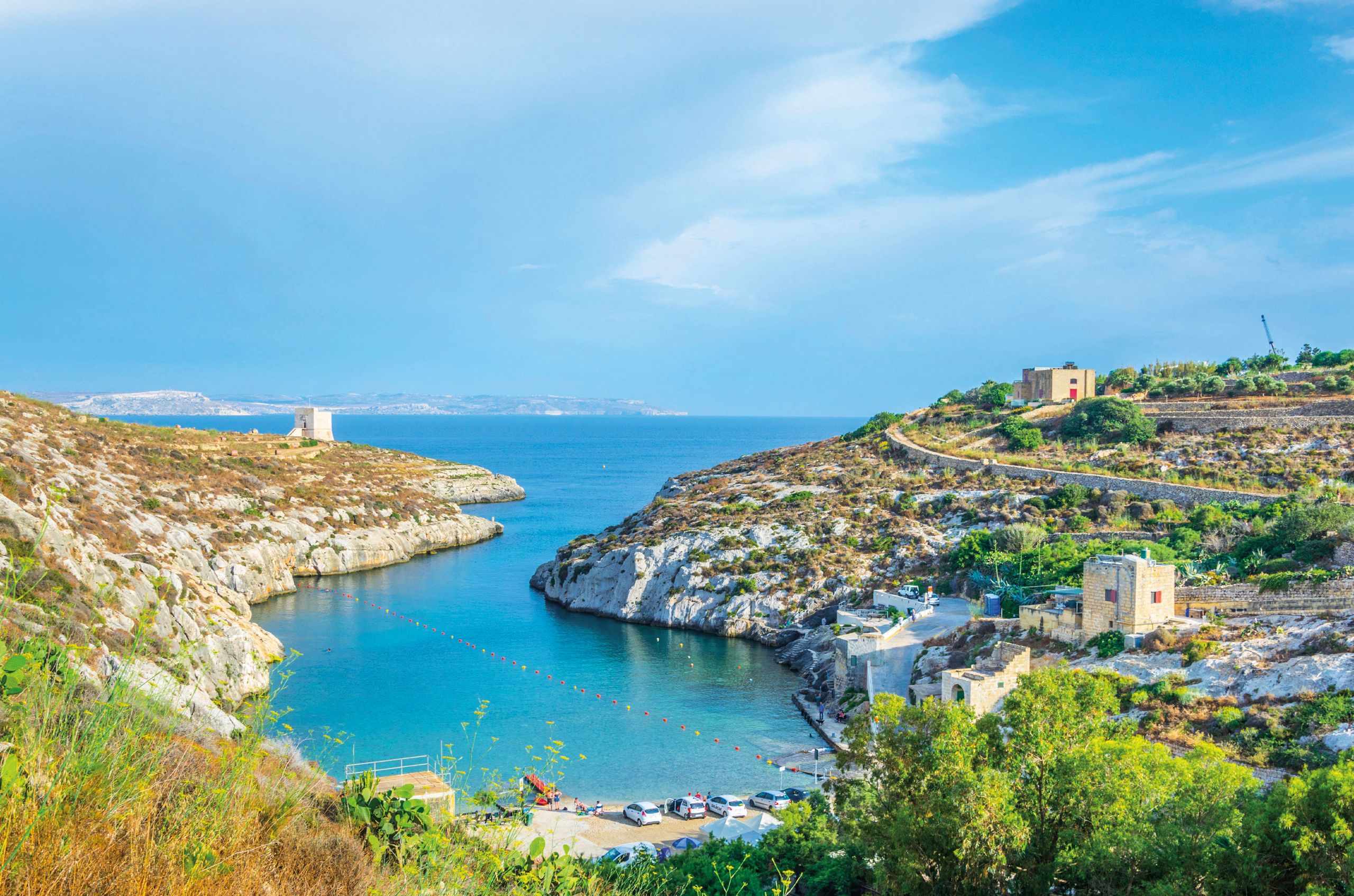
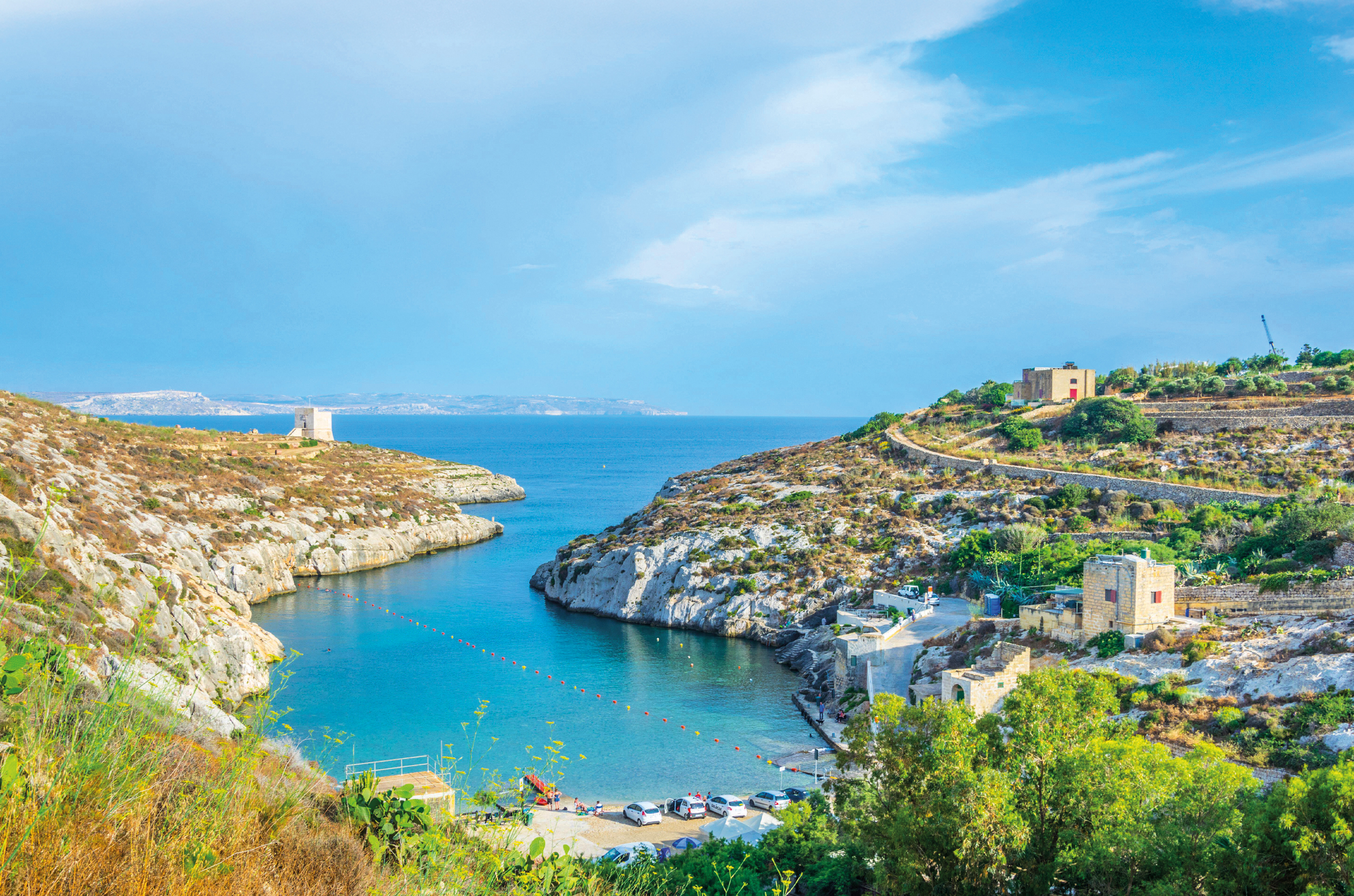
Our recent exploration traversed the stark yet captivating landscape near Mġarr ix-Xini, a picturesque bay on the southern coast of Gozo, Malta’s sister island. Known historically as the "Harbour of the Galleys," this area, like much of Gozo, presents a scene of rugged beauty. The terrain is characterized by its barren expanses, punctuated only by the occasional, ancient hunters’ hides meticulously crafted from the distinctive honey-coloured limestone that defines much of the archipelago’s architecture. This visual starkness belies a rich agricultural heritage, where viticulture has, against considerable odds, not only survived but is now experiencing a quiet renaissance. The enduring presence of vineyards in such a seemingly unyielding environment underscores the deep roots of winemaking in Malta, an industry intrinsically linked to the islands’ geopolitical significance and cultural evolution.
A Journey Through Time: Malta’s Grapevine Heritage
The history of winemaking in Malta is as old and layered as the islands themselves, stretching back to ancient times. Archaeological evidence and historical accounts suggest that viticulture was introduced by the Phoenicians, renowned seafarers and traders who established outposts across the Mediterranean from around 800 BC. Their sophisticated agricultural practices and extensive trade networks would have seen the propagation of early grape varieties and winemaking techniques, laying the groundwork for future production. Following the Phoenicians, the Romans, who controlled Malta from 218 BC, further solidified viticulture. Roman agricultural treatises extensively document winemaking methods, and it is highly probable that Roman practices and grape varieties were adopted and adapted by the Maltese. Wine was not just a beverage but a staple, an economic commodity, and a ritualistic element in Roman society, indicating its significant role in the local economy.
The Byzantine period (395 AD – 870 AD) and subsequent Arab rule (870 AD – 1091 AD) brought different agricultural perspectives. While the Arabs were not traditionally wine producers due to Islamic prohibitions, historical records suggest that some viticulture persisted, likely for Christian communities or for specific medicinal and culinary purposes. The arrival of the Normans in 1091 and the subsequent rule by various European powers, including the Kingdom of Sicily, reinvigorated European winemaking traditions. However, it was arguably the Knights of St. John, who governed Malta from 1530 to 1798, who had the most profound impact on the islands’ development, including agriculture. The Knights, with their extensive European connections and focus on self-sufficiency, would have encouraged and potentially enhanced local viticulture, importing new grape varieties and techniques. They needed wine for their daily sustenance, for religious ceremonies, and as a valuable trading commodity, fostering a more structured approach to production.
The brief French occupation (1798-1800) and the subsequent British rule (1800-1964) brought new economic dynamics. During the British era, Malta became a vital naval base, and the influx of foreign personnel created a demand for imported goods, including wine. This period saw a decline in local wine production as it struggled to compete with cheaper, mass-produced imports from larger European wine regions. Many vineyards were converted to other crops or urban development. However, pockets of traditional viticulture persevered, maintained by determined families, ensuring that the knowledge and the indigenous grape varieties did not entirely vanish. It is from this foundation that the modern Maltese wine industry has begun to rebuild itself, seeking to reclaim its ancient legacy and establish its unique identity on the global stage.
The Gozitan Terroir: A Microcosm of Maltese Viticulture
Gozo, often referred to as Malta’s greener, more tranquil sister island, offers a distinct viticultural profile. The journey across its barren yet beautiful expanses, as described near Mġarr ix-Xini, provides a tangible sense of the challenges and unique opportunities faced by Gozitan winemakers. The term Mġarr ix-Xini itself, meaning "Harbour of the Galleys," evokes centuries of maritime trade and cultural exchange, hinting at the historical movement of goods, including possibly vines and wines, through its sheltered waters. This historical connection underscores the enduring significance of this specific locale.
The island’s geology is predominantly calcareous limestone, which, combined with a thin layer of Terra Rossa soil in certain areas, creates a unique terroir. This soil type, rich in iron, provides excellent drainage while retaining sufficient moisture, forcing grapevines to develop deep root systems in search of water and nutrients. This struggle often results in lower yields but more concentrated, characterful grapes. Gozo’s Mediterranean climate, characterized by long, hot, dry summers and mild, wet winters, is generally ideal for viticulture, though water scarcity remains a perennial concern, necessitating careful irrigation strategies. The cooling sea breezes, particularly beneficial in coastal areas like Mġarr ix-Xini, mitigate extreme summer temperatures, allowing for a slower, more even ripening of the grapes and preserving crucial acidity, which is vital for balanced wines.
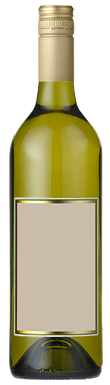
The winemaking scene on Gozo is exemplified by producers like Tal-Massar, a family-owned boutique winery situated on the calcareous terraces of the Għarb village. Their commitment to expressing the unique Gozitan terroir is evident in their philosophy, focusing on sustainable practices and minimal intervention. With Sicily tantalizingly visible to the north on clear days, Tal-Massar’s location offers both inspiration and a connection to a broader Mediterranean wine heritage. Their "Tanit" wine, a 2025 vintage, hints at the future-oriented approach of these wineries, where careful cultivation and innovative techniques are combined with a profound respect for tradition. This boutique scale allows for meticulous attention to detail, from vineyard management to fermentation, resulting in wines that genuinely reflect their origin and offer a distinct sense of place.
From Ancient Vines to Modern Vintages: Key Maltese Producers
The Maltese wine industry, though small in global terms, is vibrant and increasingly sophisticated, spearheaded by dedicated producers across both main islands. These wineries are not just making wine; they are crafting narratives, preserving heritage, and pushing the boundaries of quality.
Tal-Massar (Gozo): This family-owned boutique winery in Għarb showcases the artisanal approach on Gozo. Their focus on the calcareous terraces and the potential of specific vintages like the 2025 Tanit underscores a commitment to expressing Gozo’s distinct character. Wineries like Tal-Massar often champion sustainable practices and emphasize minimal intervention, allowing the unique terroir to shine through in their wines. Their dedication to quality over quantity is a hallmark of their operation.
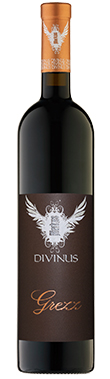
Markus Divinus (Malta): The "Grezz," a 2021 vintage from Markus Divinus, stands out as an ultra-rare Bordeaux blend, with only 625 bottles produced. This extreme rarity speaks volumes about the meticulous dedication of winemakers like Mark Borg. By hand-selecting grapes from "some of Malta’s finest vineyard sites," Borg curates an expression of Maltese excellence that aims to rival international standards. This approach highlights a trend towards high-end, limited-edition wines, targeting connoisseurs and collectors. The successful adaptation of classic Bordeaux varietals (Cabernet Sauvignon, Merlot, Cabernet Franc) to Maltese conditions demonstrates the potential for producing wines of significant complexity and aging potential.
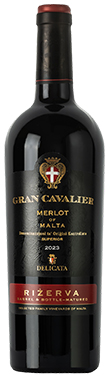
Delicata Winery (Malta): With a history tracing back to 1907, Delicata is one of Malta’s biggest and most established wine producers. Their "Gran Cavalier Merlot Riżerva, Malta 2023" exemplifies their flagship range. Delicata plays a crucial role in making Maltese wine accessible to a broader market, both locally and internationally, without compromising on quality. Their long-standing presence provides stability and a benchmark for the industry, demonstrating how traditional family businesses can evolve and innovate over more than a century. They often blend modern technology with generations of winemaking expertise, ensuring consistent quality and market relevance.
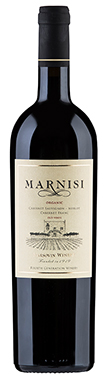
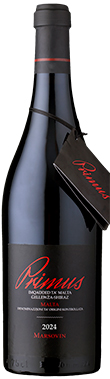
Marsovin (Malta): Established in 1919, Marsovin is another giant in the Maltese wine landscape, being one of the country’s oldest and largest producers. Their "Marnisi Organic Cabernet Sauvignon-Merlot-Cabernet Franc, Island of Malta, Malta 2022" is sourced from an organically grown single-vineyard site in Marsaxlokk, southeastern Malta, close to the sea. The mention of Terra Rossa soil further underscores the specific terroir influence on this estate wine, which is carefully aged. Furthermore, Marsovin’s "Primus, Island of Malta, Malta 2024," inspired by Amarone della Valpolicella, showcases innovative winemaking techniques, such as appassimento (drying grapes) to concentrate flavors. This demonstrates a willingness to experiment and draw inspiration from world-renowned winemaking traditions while maintaining a distinct Maltese identity, pushing the boundaries of what is possible in Maltese viticulture.
Meridiana (Malta): Dating back to 1985 and now owned by the prestigious Antinori family of Italy, Meridiana represents a significant chapter in Maltese viticulture. The Antinori family’s investment brought not only capital but also centuries of Tuscan winemaking expertise, elevating standards and introducing cutting-edge practices. The estate’s sundial motif, mentioned in the description for their "Gebal Reserve Cabernet Franc Superior, Island of Malta, Malta 2021," is a poignant symbol of Malta’s sun-drenched southern Mediterranean location. Their focus on Cabernet Franc for a "Superior" reserve wine suggests an understanding of which international varieties truly excel in their unique climate and soil, capable of producing wines of exceptional quality and longevity, often with a distinctive Mediterranean character.
Ta Betta (Malta): The "Philippe Villiers, Island of Malta, Malta 2019" from Ta Betta offers a sensory description that highlights the complexity achievable in Maltese wines: "Savoury, with Mediterranean herbs, dark spices