admin
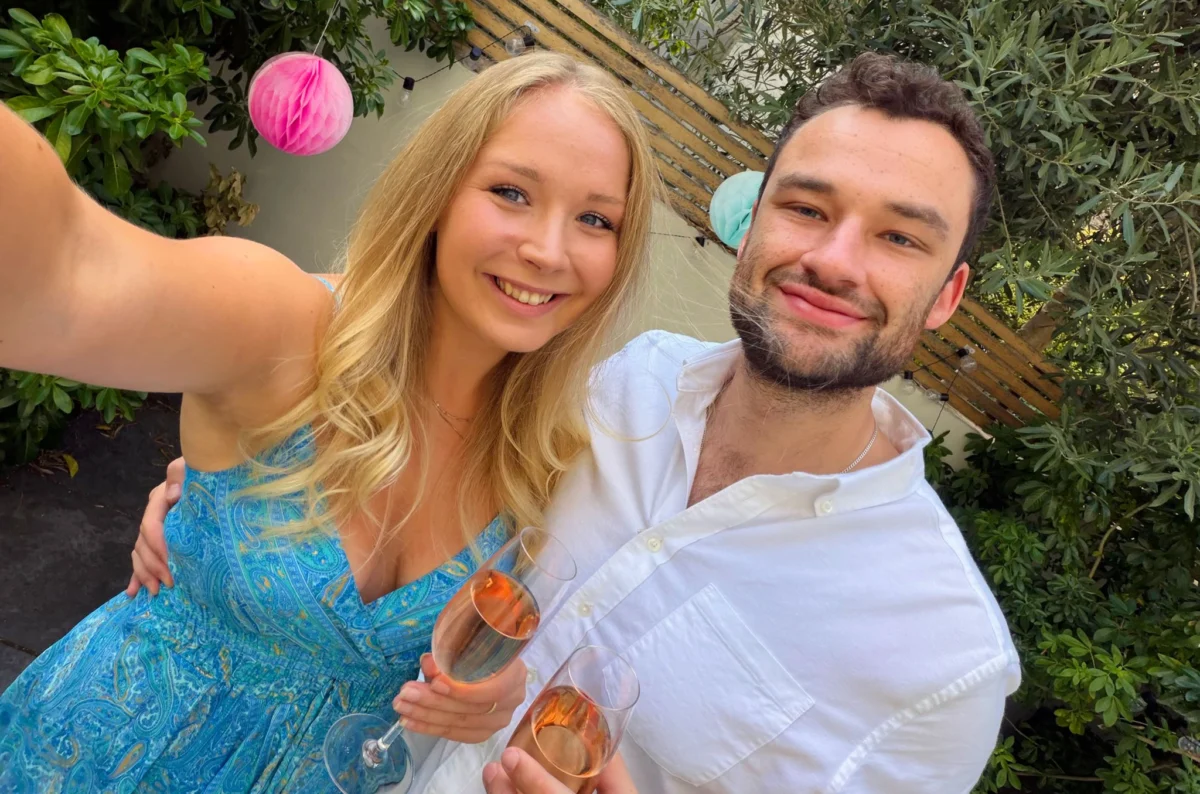
In an insightful exploration of evolving palates and generational shifts within the global wine landscape, Taela, a 23-year-old hospitality professional from Fremantle, Western Australia, has offered her perspective on a significant Margaret River Semillon-Sauvignon Blanc blend as part of Decanter’s ongoing Gen Z Wine Challenge. Her participation not only highlights the growing curiosity among younger consumers about fine wine but also underscores the industry’s proactive efforts to engage this crucial demographic. Taela, currently residing in Fremantle with her boyfriend and four friends, typically spends her days immersed in the vibrant craft beer scene as a bartender at the renowned Little Creatures brewery, and occasionally mixing cocktails upstairs at The Loft. However, her interest extends beyond hops and spirits, driven by a desire to understand the complexities of wine and articulate her preferences beyond her usual choice of crisp, zesty, fruity whites like a New Zealand Sauvignon Blanc, shying away from anything heavy or overtly oaky.
The Gen Z Wine Challenge: A Bridge to a New Generation of Connoisseurs
Decanter, a leading authority in wine journalism, initiated the Gen Z Wine Challenge as a strategic response to the wine industry’s need to connect with younger consumers. This initiative invites individuals aged 18 to 29 from around the world to select and review a bottle of wine, sharing their candid impressions and experiences. The challenge aims to demystify wine appreciation, making it accessible and relatable to a generation often perceived as having different consumption patterns and preferences than their predecessors.
Generation Z, broadly defined as those born between the mid-1990s and early 2010s, represents a significant segment of future consumers. Research indicates that while Gen Z may consume less alcohol overall compared to older generations, they are often more discerning, valuing authenticity, sustainability, and unique experiences. They are also highly influenced by digital platforms and peer recommendations, making direct engagement through initiatives like Decanter’s challenge particularly effective. The challenge serves as a crucial feedback loop for producers and retailers, offering invaluable insights into the emerging tastes, language, and purchasing drivers of this demographic. By encouraging direct participation and honest reviews, Decanter is actively fostering a new wave of wine enthusiasts who will shape market trends for decades to come.
From Craft Beer to Fine Wine: Taela’s Expanding Palate
Taela’s professional background at Little Creatures, a pioneering craft brewery in Fremantle, positions her uniquely to appreciate the nuances of artisanal beverages. Little Creatures, established in 2000, has played a pivotal role in the Australian craft beer revolution, offering on-site brewing, tours, and tastings that celebrate the craft and provenance of their products. This environment has undoubtedly honed Taela’s sensory skills and her ability to articulate flavour profiles, albeit primarily in the realm of beer. Her exposure to varied palates and consumer preferences in a bustling hospitality setting provides a solid foundation for her foray into wine.
Her motivation for joining the Decanter challenge stems from a genuine intellectual curiosity. "While I spend my days talking about and recommending beer, I’m interested in learning more about wine so I understand why I like what I like," Taela explained. This desire for deeper understanding, rather than just casual consumption, is a hallmark of many Gen Z consumers who seek knowledge and connection with the products they engage with. Her existing preference for "crisp, zesty, fruity white" wines, often leading her to New Zealand Sauvignon Blancs, showcases a palate attuned to freshness and vibrancy, a common entry point for many new wine drinkers. Her aversion to "heavy or too oaky" styles also reflects a broader contemporary trend away from heavily manipulated or overly assertive wines, favouring instead expressions of purity and regional character.
Margaret River’s Gem: Cullen Wines and the Elvie Clarke Blend
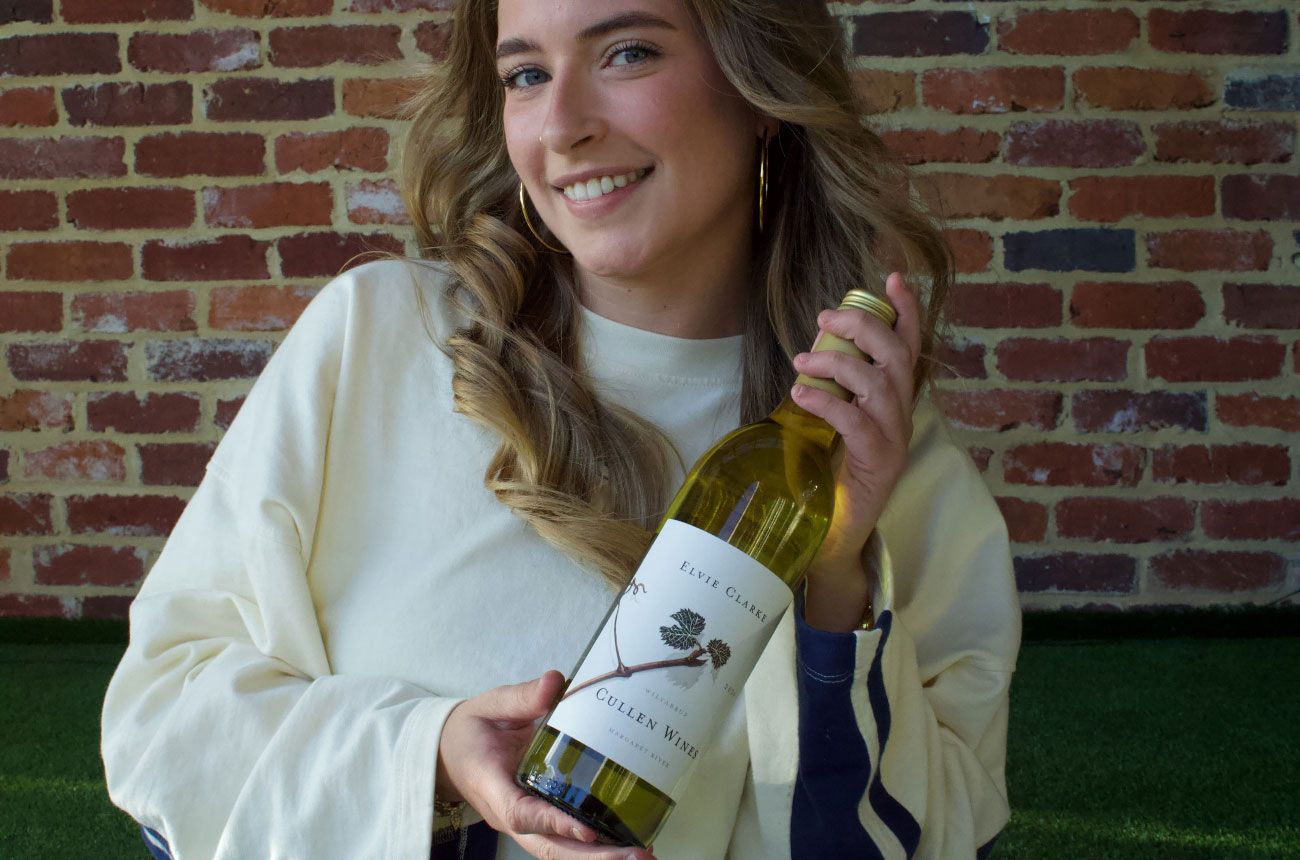
For her challenge, Taela selected a bottle of Cullen Wines, Elvie Clarke, Wilyabrup, Margaret River, Western Australia 2024. This choice is significant, as it immediately places her exploration within one of Australia’s most prestigious wine regions and with a producer celebrated for its commitment to quality and sustainability. Margaret River, located approximately 270 kilometres south of Perth, has a relatively short but illustrious history as a wine region, with commercial vineyards only established in the late 1960s. Despite its youth, its unique maritime climate, influenced by the Indian Ocean, creates ideal conditions for viticulture, particularly for Cabernet Sauvignon and Chardonnay, which have earned it international acclaim. However, the region also has a strong tradition of producing exceptional Semillon-Sauvignon Blanc (SSB) blends, a style that draws inspiration from Bordeaux.
Cullen Wines, founded by Diana and Kevin Cullen in 1971, stands as a beacon of excellence in Margaret River. The winery is renowned not only for the quality of its wines but also for its pioneering work in sustainable and biodynamic viticulture. Since achieving certified biodynamic status in 2008, Cullen Wines has championed an holistic approach to farming, viewing the vineyard as a living ecosystem. This philosophy is deeply embedded in every aspect of their operation, from soil health to lunar cycle-guided vineyard practices. Vanya Cullen, a second-generation winemaker, has continued and expanded upon her parents’ vision, earning numerous accolades and solidifying Cullen Wines’ reputation as a global leader in biodynamic winemaking.
The Elvie Clarke blend itself is a testament to Cullen’s heritage and artistry. Named in honour of Vanya Cullen’s paternal grandmother, Elvie Alice Clarke – described as a "gifted pianist, enchanting storyteller and staunch supporter of the suffragette movement" – the wine embodies a spirit of elegance, character, and strength. The 2024 vintage, a blend of 58% Sauvignon Blanc, 35% Semillon, and 7% Verdelho, reflects a classic Margaret River approach to the SSB style, where Semillon adds structure, texture, and age-worthiness to the aromatic freshness of Sauvignon Blanc, with a small percentage of Verdelho adding an intriguing aromatic lift and textural complexity.
The 2024 Vintage: A Year of Extremes
The 2024 vintage in Margaret River presented unique challenges and opportunities for winemakers. As noted by Cullen Wines, these grapes were hand-harvested on "fruit and flower days" from the 22-hectare Mangan vineyard during what was recorded as "the hottest, driest and earliest on record." Such conditions typically lead to earlier ripening, potentially resulting in wines with concentrated flavours but also requiring meticulous vineyard management to maintain balance and acidity. The ability of a biodynamic vineyard, with its emphasis on soil health and vine resilience, to navigate such extreme weather events is often highlighted as one of its core strengths. Despite these challenging conditions, the resulting wine has garnered critical acclaim, with Decanter’s Margaret River correspondent Cassandra Charlick rating this vintage an impressive 94 points, signalling its exceptional quality and the success of Cullen Wines’ viticultural and winemaking practices.
The Semillon-Sauvignon Blanc Blend: A Classic Reimagined
Taela’s decision to try an SSB blend, a style she had not extensively explored, was influenced by its status as a "classic blend" from Margaret River. This blend offers a distinct profile compared to the single-varietal New Zealand Sauvignon Blancs she typically favours. While New Zealand Sauvignon Blancs are celebrated for their overt aromatic intensity, often characterized by notes of passionfruit, gooseberry, and herbaceousness, the Margaret River SSB blend provides a more nuanced and textured experience. Semillon, when blended with Sauvignon Blanc, contributes body, a waxy texture, and notes of lanolin, honey, and sometimes toast (especially with age or oak influence), complementing Sauvignon Blanc’s acidity and vibrant fruit. The inclusion of Verdelho, though in a small percentage, adds another layer of aromatic complexity, often contributing floral or spicy notes.
This blend, while a classic, often appeals to palates seeking wines with good acidity and freshness but also with a touch more complexity and textural depth than a pure, unoaked Sauvignon Blanc. It represents an excellent step for someone like Taela, moving beyond a single varietal comfort zone into the world of blended wines, which can offer greater balance and versatility.
The Tasting Experience: A Palate Awakened
Taela’s tasting experience, shared with two friends from work on her balcony at sunset, encapsulates the social and experiential aspects that resonate strongly with Gen Z consumers. The setting—a relaxed evening with friends, watching the sun go down—highlights that wine enjoyment is often tied to moments and memories rather than solely formal tasting rituals.
Her detailed tasting notes reflect a perceptive palate. In terms of appearance, she described the wine as "pale with some tinges of green," a typical characteristic of young, fresh white wines, especially those with Sauvignon Blanc. On the nose, she detected "very citrusy – lemon in particular – but also with some passionfruit notes." This combination is classic for Sauvignon Blanc, demonstrating the grape’s prominent aromatic signature even within a blend.
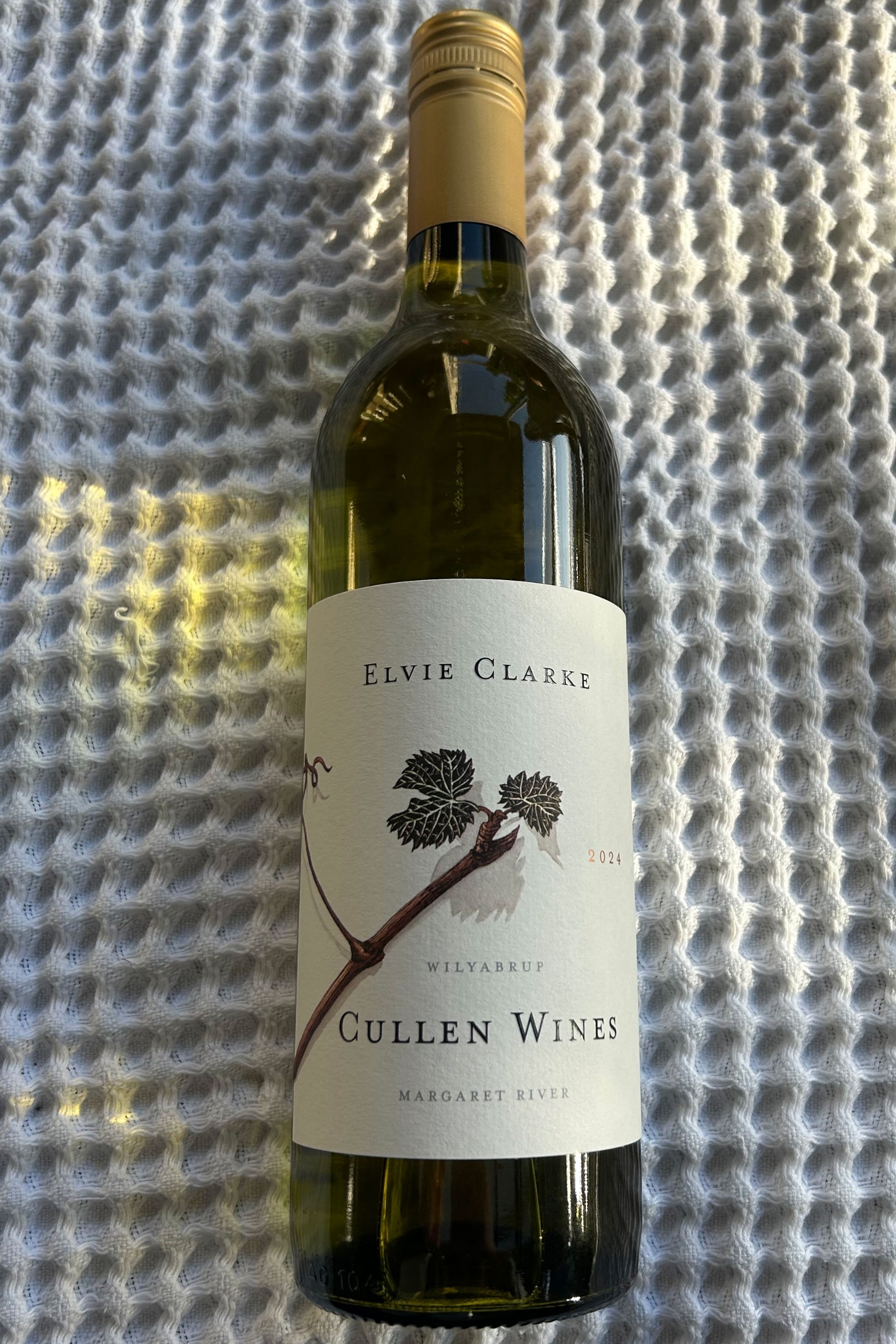
The palate, however, revealed more complexity: "super crisp and refreshing. At first I got that zesty lemon taste straight away, then it moved into more of a green apple and pear taste which I really enjoyed and wasn’t really expecting. I also got a little bit of passionfruit again, which made it feel quite fruity but not sweet at all." The initial "zesty lemon" aligns with her preference for crispness, while the unexpected "green apple and pear" notes suggest the influence of Semillon, which can contribute these orchard fruit characters, alongside the Verdelho potentially adding a layer of subtle exoticism. Her observation that it was "fruity but not sweet at all" is crucial, reinforcing the dry, refreshing style she appreciates.
Taela expressed relief that the wine, despite its citrus hints, "was really easy to drink and didn’t have that sharp, sour finish that some whites have." This speaks to the balance achieved in the blend, where the Semillon likely softened the Sauvignon Blanc’s inherent acidity, creating a harmonious and approachable profile. The wine successfully delivered on her desire for something "light and fresh but also interesting," a key factor in her enjoyment and recommendation.
Value and Verdict: Expanding Horizons
Taela’s final assessment was overwhelmingly positive. "Although not something I would usually reach for (I’m a creature of habit!), my friends and I really enjoyed it and I’d definitely buy it again," she stated. This willingness to repurchase, despite it being outside her usual preference, is a strong indicator of the wine’s quality and appeal. Her comment that "for the price it was really good value too" (retailing at approximately $34.99 AUD or £25 GBP) positions the Cullen Elvie Clarke as an accessible premium option, particularly significant for budget-conscious Gen Z consumers who still seek quality.
Crucially, the experience has broadened her horizons: "it has made me want to try more SSBs from Margaret River and venture beyond my usual Sauvignon Blanc." This outcome perfectly encapsulates the goal of the Gen Z Wine Challenge – to encourage exploration and discovery, nurturing a deeper and more diverse appreciation for wine among a new generation.
Broader Implications for the Wine Industry
Taela’s experience offers valuable insights for the broader wine industry. Her journey from a craft beer background to an appreciation for biodynamic Margaret River SSB highlights several key trends:
- Bridging Beverage Categories: Consumers, especially Gen Z, are increasingly fluid in their beverage choices. Craft beer enthusiasts are potential wine consumers, and vice-versa. Marketing efforts that acknowledge and cater to this fluidity can be highly effective.
- Demand for Authenticity and Sustainability: Cullen Wines’ biodynamic certification and commitment to heritage (honouring Elvie Clarke) likely resonated with Taela and the broader Gen Z demographic, who prioritize ethical and environmentally conscious brands.
- The Power of Recommendation and Accessibility: The role of the Dan Murphy’s wine specialist in recommending the wine underscores the importance of knowledgeable retail staff in guiding consumer choices, particularly for those exploring new styles. Online information and accessible pricing also play a significant role.
- Evolving Palates: The preference for "crisp, refreshing, not too oaky" wines indicates a continued shift towards lighter, fruit-driven, and terroir-expressive styles, a trend winemakers should continue to monitor and adapt to.
- Experiential Consumption: The social setting of the tasting – on a balcony with friends at sunset – reinforces that for Gen Z, wine is often an integral part of a lifestyle experience, not just a product.
As the wine industry navigates demographic shifts, initiatives like Decanter’s Gen Z Wine Challenge provide a vital platform for dialogue and discovery. Taela’s positive experience with the Cullen Elvie Clarke 2024 is a microcosm of a larger trend: a new generation, eager to learn and explore, is poised to redefine the future of wine appreciation, seeking out wines that are not only delicious but also tell a compelling story of place, people, and purpose. The ongoing challenge invites more young enthusiasts to share their journeys, promising continued revelations about the future of wine.