admin
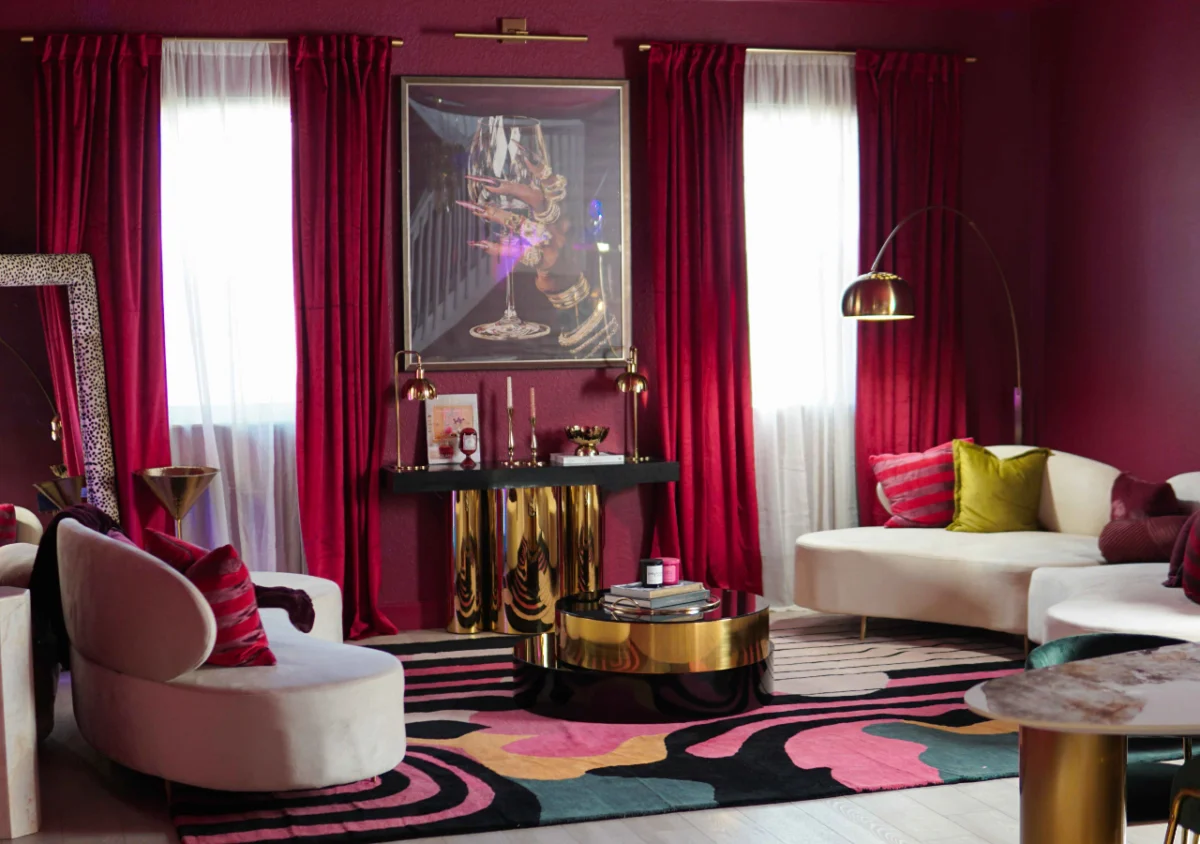
The landscape of global interior design is undergoing a significant transformation as the era of "quiet luxury" and clinical minimalism begins to wane, giving way to a more expressive and vibrant movement known as edited maximalism. This shift, characterized by a resurgence of bold colors, intricate patterns, and rich textures, reflects a growing consumer desire for homes that project personality rather than anonymity. At the forefront of this movement is Maia Homes, a design house specializing in art-inspired statement rugs and decor that bridge the gap between historical heritage and contemporary living. By translating iconic art movements into hand-crafted floor coverings, the brand is redefining the rug not merely as a functional utility, but as a central anchor for the modern home.
The Shift from Minimalism to Meaningful Maximalism
For much of the last decade, the interior design industry was dominated by "Millennial Gray" and Scandinavian-inspired minimalism. This aesthetic prioritized neutral palettes, clean lines, and a lack of visual clutter. However, recent market data suggests a pivot. According to industry reports from 2023 and early 2024, there has been a 25% increase in searches for "eclectic interior design" and "dopamine decor"—a trend focused on using bright colors and nostalgic items to boost mood.
The transition away from stark minimalism is not a move toward chaotic clutter, but rather toward "edited maximalism." This approach involves a curated interplay of elements where every piece serves a purpose. Maia Homes has positioned itself within this niche by offering products that cater to the "neutral-fatigue" experienced by many homeowners. The brand’s philosophy suggests that while a room should be full of life, it must remain grounded in intentionality. This is achieved through the use of textural rhythm and a sophisticated understanding of color theory, allowing bold rugs to command a room without overwhelming the surrounding architecture.
A Chronology of Artistic Influence in Textile Design
The integration of fine art into textiles is a practice with deep historical roots, and Maia Homes’ current collection serves as a chronological journey through art history. The brand’s offerings are not merely copies of paintings but are reimagined motifs that adapt the spirit of various eras for the floor.
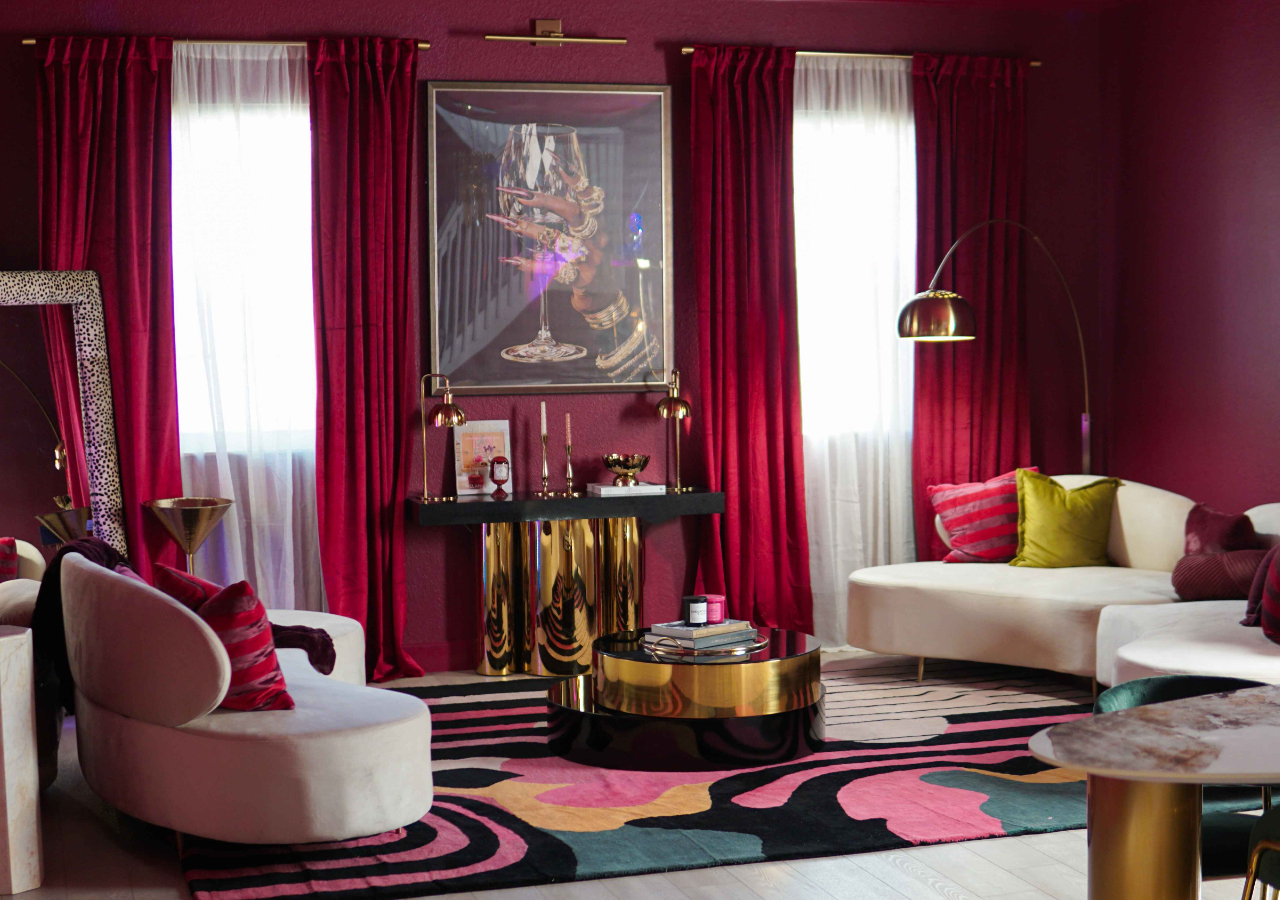
In the late 19th century, the Arts & Crafts movement, led by figures like William Morris, emphasized a return to handcrafted quality and nature-inspired patterns as a reaction against the Industrial Revolution. Maia Homes draws heavily from this era, utilizing organic forms and intricate floral geometries. This influence is layered alongside the flowing, asymmetrical lines of Art Nouveau and the bold, streamlined symmetry of the Art Deco period of the 1920s and 30s.
The collection further extends into the Dutch and Flemish Golden Age, capturing the dramatic lighting and rich, saturated pigments characteristic of 17th-century still-life paintings. By also incorporating elements of Japanese Woodblock prints and Impressionism, the brand provides a visual timeline that appeals to collectors and design enthusiasts alike. This chronological approach allows homeowners to select a piece that resonates with a specific historical aesthetic while maintaining a modern domestic environment.
Global Craftsmanship and the Economics of Made-to-Order Production
The production of these rugs involves a complex global supply chain that emphasizes traditional artisanal techniques. Maia Homes partners with master weavers and craftsmen across Morocco, Turkey, Cambodia, Indonesia, Poland, and the Americas. This international collaboration ensures that each rug benefits from regional expertise—such as the specific knotting techniques found in Turkish workshops or the unique tufting styles developed in Eastern Europe.
The rugs are produced using two primary methods: hand-tufting and hand-knotting. Hand-knotted rugs, often considered the pinnacle of rug artistry, involve individual knots tied by hand onto a foundation, resulting in a piece that can last for generations. Hand-tufting, while more accessible, still requires significant manual skill to create varied pile heights and detailed imagery.
A key component of the Maia Homes business model is the "made-to-order" approach. Unlike mass-produced textiles that contribute to significant warehouse waste, made-to-order production aligns with modern sustainability goals. By producing only what is requested, the brand reduces overstock and allows for total customization in size and scale. This model also democratizes the luxury market. While a bespoke, hand-knotted silk rug from a traditional high-end gallery might cost upwards of $20,000, Maia Homes aims to provide a "five-figure look" at a more accessible price point, making high-level design attainable for a broader demographic of homeowners.

Design Philosophy: The Rug as a Conversation Piece
Sivmey Hok, the founder of Maia Homes, views the floor as a neglected canvas. Her design philosophy centers on the idea that a rug should be an active participant in the room’s narrative. "I don’t believe in boring spaces, and I certainly don’t believe rugs should just sit quietly on the floor," Hok stated in a recent discussion regarding the brand’s trajectory. "I want my rugs to dance, to command the room, and to become an active part of the conversation."
Hok’s inspiration is frequently drawn from her travels, where she observes the intersection of geography and color. She describes the "emotional heartbeat" of international architecture and global textile markets as the primary drivers for her creative process. By merging these personal observations with the bold spirits of movements like Fauvism—known for its "wild" use of non-naturalistic color—and Abstract Expressionism, she creates products that function as "fine art you can stand on."
This perspective challenges the traditional interior design rule that rugs should be neutral foundations intended to disappear. Instead, the Maia Homes approach suggests that the rug should be the starting point of the design process, with the rest of the room’s furniture and decor acting as a supporting cast to the "floor art."
Market Implications and the Future of the Home Decor Industry
The rise of brands like Maia Homes reflects a broader shift in consumer behavior within the $120 billion global home decor market. Analysts suggest that the "home as a sanctuary" concept, which peaked during the COVID-19 pandemic, has evolved into the "home as a gallery." Consumers are increasingly looking for pieces that offer a sense of "story" and "provenance."
The demand for saturated colors and reimagined motifs also signals a move away from "disposable furniture" culture. As homeowners invest in made-to-order, handcrafted pieces, there is a secondary impact on the environment. Higher-quality wool rugs have a longer lifespan and are more biodegradable than synthetic, machine-made alternatives. Furthermore, the focus on heritage and art history provides a level of "trend-proofing." While specific colors may go in and out of style, designs rooted in established art movements like Art Deco or Chinoiserie tend to maintain their aesthetic value over decades.

Furthermore, the "animal-print" and "geometric" offerings within the collection indicate a savvy understanding of market versatility. While some consumers may want a literal interpretation of a William Morris floral, others seek the "maximalist energy" through more abstract or wild patterns. This versatility ensures the brand can capture various segments of the luxury and mid-market sectors.
Analysis of the "Edited Maximalist" Aesthetic
The success of the "edited maximalist" look depends on a delicate balance. Design experts note that the risk of maximalism is visual exhaustion. To combat this, Maia Homes utilizes "intentional textural rhythm." This involves varying the pile heights within a single rug to create depth and shadow, which prevents a complex pattern from appearing flat or overwhelming.
By using high-quality wool, the rugs also provide a tactile experience that complements their visual impact. In an increasingly digital world, the "touch-and-feel" aspect of home design has become a priority for consumers. The "saturated color" mentioned by Hok is achieved through advanced dyeing processes that ensure longevity and vibrancy, even in rooms with high sunlight exposure.
Conclusion: A New Era for Interior Expression
As the interior design world moves further into the mid-2020s, the dominance of the "white box" apartment and the "beige-on-beige" living room appears to be concluding. The emergence of Maia Homes and the broader embrace of maximalism suggest a return to the home as a place of curated self-expression. By leveraging art history, global craftsmanship, and a bold color palette, the brand provides a blueprint for how modern interiors can be both historically grounded and forward-thinking.
In the words of Sivmey Hok, "A rug shouldn’t whisper—it should be the reason you walk into a room." This sentiment captures the current zeitgeist of the design industry: a move toward courage, color, and the celebration of life within the domestic sphere. As more homeowners seek to cure their "neutral-fatigue," the demand for "fine art you can stand on" is likely to grow, cementing the role of the statement rug as an essential element of the modern home.