admin
admin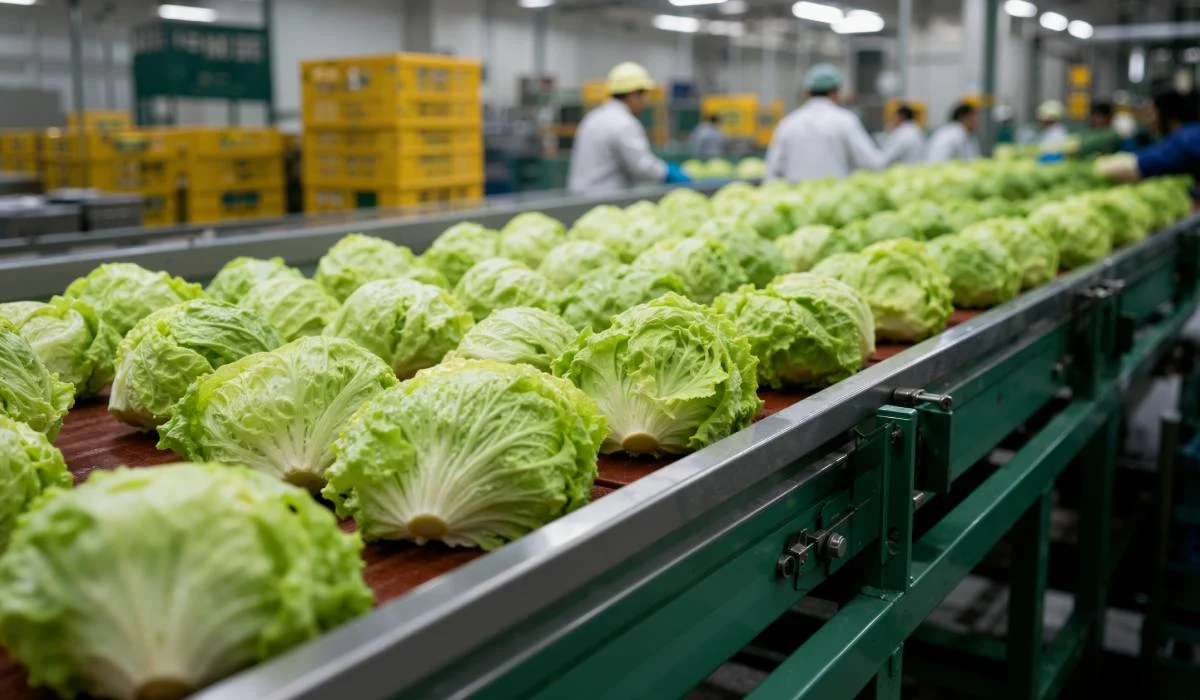
The landscape of food safety in the quick-service restaurant industry faced a significant upheaval following a widespread Cyclospora outbreak linked to shredded iceberg lettuce. While food safety protocols are designed with the primary goal of prevention, the recent crisis involving Taco Bell and its supplier, Taylor Farms, underscores a harsh reality for the modern hospitality sector: contamination often originates far beyond the restaurant’s kitchen. As the industry analyzes the fallout of an event that sickened thousands of individuals across multiple states, the focus has shifted from internal kitchen hygiene to the complexities of global supply chain traceability and the necessity of advanced recall readiness.
The outbreak, which emerged during the summer of 2026, serves as a landmark case study for regulators, suppliers, and restaurant operators. It highlighted the vulnerability of fresh produce supply chains and the speed at which a single contaminated ingredient can compromise thousands of retail locations. According to reports from the Centers for Disease Control and Prevention (CDC) and the U.S. Food and Drug Administration (FDA), the source was traced back to shredded iceberg lettuce processed by Taylor Farms and distributed to various Taco Bell locations. This incident has prompted a nationwide re-evaluation of how restaurants manage their external partnerships and the technological infrastructure required to mitigate such risks.
The Nature of the Pathogen: Understanding Cyclospora Cayetanensis
To understand the magnitude of the Taco Bell/Taylor Farms crisis, it is essential to examine the specific challenges posed by the pathogen involved. Cyclospora cayetanensis is a microscopic parasite that causes cyclosporiasis, an intestinal illness. Unlike bacterial contaminants such as E. coli or Salmonella, which can often be traced and managed through specific kill steps like cooking, Cyclospora is frequently associated with fresh produce that is consumed raw.
The parasite is typically transmitted when people ingest food or water contaminated with feces. In the context of large-scale agriculture, contamination can occur through irrigation water, soil amendments, or handling during the harvesting and processing phases. One of the most difficult aspects of managing a Cyclospora outbreak is the long incubation period; symptoms typically begin two to eleven days after ingestion. This delay often means that by the time a cluster of illnesses is identified, the contaminated product has already been consumed or discarded, making physical testing of the remaining inventory difficult for health officials.
Chronology of the 2026 Outbreak
The timeline of the outbreak reflects the logistical difficulties inherent in modern foodborne illness investigations. The first signals of the crisis appeared in early July 2026, when state health departments in the Midwest reported an unusual spike in gastrointestinal illnesses. By mid-July, the CDC had identified a commonality among the patients: a high percentage had recently dined at Taco Bell.
On July 17, 2026, the FDA and CDC officially linked the illnesses to shredded iceberg lettuce supplied by Taylor Farms. The initial report focused on five states, but as the investigation expanded, the number of confirmed cases climbed into the thousands. The geographic spread was attributed to the centralized distribution model utilized by Taylor Farms, which services hundreds of restaurant locations from regional processing hubs.
In response to the preliminary findings, Taco Bell moved to remove all shredded lettuce from the affected regions. However, the complexity of the supply chain meant that identifying exactly which batches were contaminated—and where they had been shipped—took several days of intensive data reconciliation. This lag time is now cited by industry experts as a primary area for improvement in food safety tech.
Statistical Impact and Public Health Data
The scale of the 2026 Cyclospora outbreak was unprecedented for this specific pathogen in a restaurant setting. Data released by the CDC indicated that the outbreak reached at least 18 states. While cyclosporiasis is rarely fatal, the morbidity rate was high, with approximately 10% of confirmed cases requiring hospitalization due to severe dehydration and prolonged symptoms.
For Taco Bell, the economic implications were immediate. Market analysts noted a significant dip in foot traffic during the peak of the news cycle, and the cost of the recall—including the disposal of millions of pounds of produce and the subsequent deep-cleaning of facilities—was estimated to be in the tens of millions of dollars. Furthermore, the brand’s "Trust Index" among consumers saw a double-digit decline, highlighting the long-term reputational damage that follows a high-profile food safety failure.
The Supplier-Restaurant Dynamic: A Shift in Responsibility
Historically, restaurant operators viewed food safety as a matter of "four walls" management: ensuring staff washed their hands, maintained proper refrigeration temperatures, and avoided cross-contamination. However, the Taylor Farms incident illustrates that a restaurant’s food safety profile is only as strong as its weakest supplier link.
Roger Hancock, CEO of Recall InfoLink and a leading expert in the field, emphasizes that recalls rarely start at the restaurant level. Instead, restaurants are often the "last mile" victims of upstream failures. Hancock notes that the Taco Bell incident should serve as a wake-up call for the industry to move toward integrated tech systems. When a supplier like Taylor Farms identifies a potential issue, the communication to the restaurant level must be instantaneous and actionable.
The crisis revealed that many franchisees lacked the immediate data visibility required to distinguish between safe and contaminated batches. This resulted in "blanket recalls," where safe products were discarded along with the contaminated ones to ensure public safety. While effective for health, this approach is economically inefficient and points to a lack of granular traceability in the current system.
Regulatory Responses and the Alliance for Recall Ready Communities
In the wake of the lettuce recall, federal regulators have doubled down on the enforcement of the Food Safety Modernization Act (FSMA) Section 204. This rule establishes additional traceability record-keeping requirements for certain foods, including leafy greens. The goal is to allow the FDA to rapidly and effectively trace food products through the supply chain when a foodborne illness outbreak occurs.
The Alliance for Recall Ready Communities, where Roger Hancock serves as a steering committee member, has been vocal about the need for standardized data formats. The Alliance argues that if every player in the supply chain—from the farm to the processor to the distributor to the restaurant—uses compatible digital systems, the time required to isolate a contaminated product can be reduced from days to minutes.
Lessons for the Restaurant Industry
The primary takeaway from the summer of 2026 is that traceability and recall readiness cannot stop at the restaurant’s back door. Industry leaders have identified several critical actions that restaurants must take to protect their guests and their brand equity:
- Deep Supply Chain Visibility: Restaurants must go beyond knowing their direct distributor. They need to understand the origins of their high-risk ingredients, such as leafy greens, and the safety protocols maintained by the original processors.
- Implementation of Integrated Tech: Manual tracking of lot codes is no longer sufficient in a high-volume environment. Integrated digital systems that link supplier data with point-of-sale or inventory management systems are becoming the industry standard.
- Proactive Recall Planning: Recall readiness is a "peace-time" activity. Restaurants that have a pre-established response plan—including clear communication channels with health departments and the public—recover much faster than those that react in a vacuum.
- Supplier Auditing: The reliance on third-party audits is increasing. Large chains are now requiring suppliers to provide real-time access to safety data and environmental testing results as a condition of their contracts.
Broader Implications and Analysis
The Taco Bell and Taylor Farms incident is indicative of a broader trend in the global food system. As supply chains become more consolidated, the impact of a single point of failure is magnified. Shredded lettuce is a particularly high-risk item because the processing—washing, cutting, and bagging—provides multiple opportunities for a pathogen to be spread across a large volume of product.
Furthermore, this outbreak has sparked a debate regarding the "freshness" versus "safety" trade-off. While consumers demand fresh, never-frozen produce, the lack of a thermal kill step in fresh salads makes them a perennial risk. Some industry analysts suggest that the future of food safety may lie in emerging technologies such as cold plasma treatment or advanced irradiation, which can eliminate parasites like Cyclospora without affecting the texture or flavor of the produce.
As the industry moves forward, the focus remains on the "Prevention Goal." However, as Roger Hancock and other experts suggest, when prevention fails, the speed of the response is the only thing that stands between a contained incident and a national crisis. The lessons learned from the thousands sickened in 2026 have already begun to reshape the technological and regulatory requirements of the American food industry.
Conclusion: The Path Forward
The Cyclospora outbreak of 2026 will be remembered as a turning point in the relationship between quick-service restaurants and their produce suppliers. It proved that in the modern age, a restaurant’s reputation is inextricably linked to the agricultural practices of farms hundreds of miles away. By embracing traceability, investing in integrated data systems, and fostering a culture of recall readiness, the industry can better protect the public and ensure that the next inevitable supply chain disruption does not escalate into a public health catastrophe. The work of organizations like Recall InfoLink and the Alliance for Recall Ready Communities continues to provide the roadmap for this transition, moving the industry toward a future where food safety is a transparent, data-driven certainty rather than a reactive struggle.