admin
admin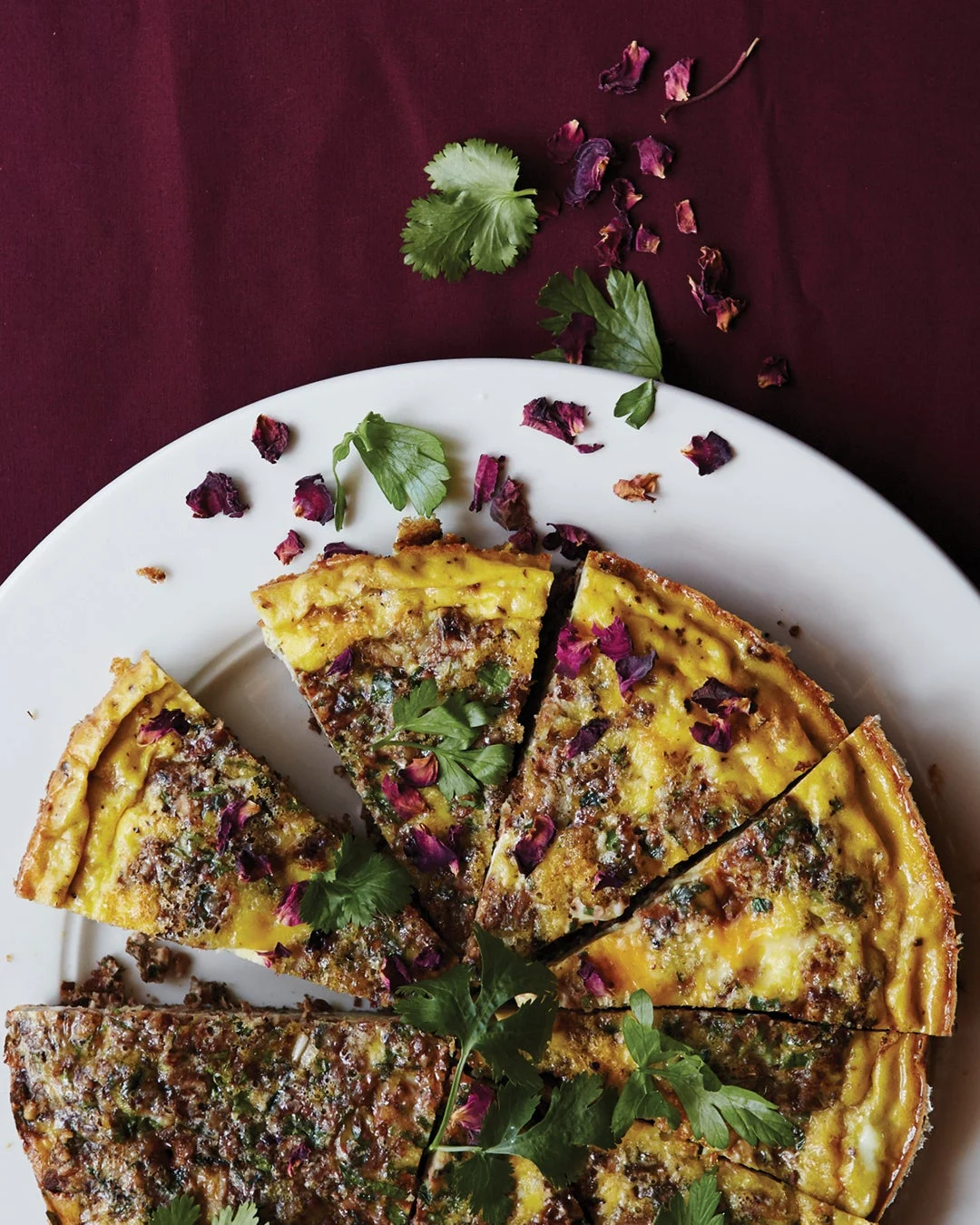
In the heart of Iranian culinary tradition, where the aroma of fresh herbs signifies renewal and abundance, a vibrant dish known as Kuku Sabzi takes center stage, particularly during the joyous celebration of Nowruz, the Persian New Year. This baked egg delicacy, a verdant tapestry woven with fragrant cilantro, parsley, toasted walnuts, and the subtle floral notes of dried rose petals, offers a simple yet profoundly elegant meal, embodying the spirit of spring and new beginnings.
The significance of green herbs in Iranian cooking cannot be overstated. They are not merely ingredients but symbols of life, growth, and prosperity. During Nowruz, which typically falls on the vernal equinox, often around March 20th or 21st, these herbaceous elements become the focal point of numerous celebratory dishes. Kuku Sabzi, a type of frittata, stands as a testament to this reverence, showcasing a harmonious blend of textures and flavors that captivate the palate. This particular iteration, curated by renowned chef and cookbook author Louisa Shafia, is a vibrant celebration of these essential greens, elevated by the satisfying crunch of toasted walnuts and the ethereal perfume of dried rose petals. The dish’s versatility is another of its many charms; it is equally delightful served warm, allowing its complex aromas to fully unfurl, or at room temperature, offering a refreshing and flavorful option for any occasion.
The Cultural Tapestry of Nowruz and Kuku Sabzi
Nowruz, meaning "new day" in Persian, marks the beginning of the Iranian solar calendar and is one of the oldest continuously celebrated holidays in the world, with roots stretching back over 3,000 years. Its origins are deeply intertwined with Zoroastrianism, an ancient Persian religion that emphasized the cyclical nature of life and the triumph of good over evil. The holiday is a time for families to gather, to reflect on the past year, and to welcome the future with hope and optimism.
Central to the Nowruz festivities is the Haft-Seen (meaning "seven S’s"), a ceremonial table setting that features at least seven symbolic items, each beginning with the Persian letter ‘seen’ (س). These items represent various aspects of life and nature, including rebirth, health, abundance, and fertility. Among these symbolic items, fresh greens often feature prominently, either as part of the Haft-Seen display or as key components in the celebratory meals. Kuku Sabzi, with its abundant use of fresh herbs, directly aligns with this ancient tradition of honoring the earth’s bounty and the promise of new life that spring brings.
The preparation and consumption of Kuku Sabzi during Nowruz are steeped in cultural significance. It is believed that consuming dishes rich in herbs during this time ushers in good fortune and health for the year ahead. The vibrant green color of the kuku is often associated with spring and vitality, mirroring the natural world’s awakening after the winter months. Families often prepare large batches of Kuku Sabzi to share with guests, reinforcing the communal spirit of the holiday.
A Deeper Dive into the Flavors and Textures
The recipe, as presented by Louisa Shafia, is a masterful orchestration of ingredients designed to create a dish that is both comforting and sophisticated. The foundation of the kuku is, of course, the eggs, which act as a binder for the myriad of flavors and textures. However, it is the carefully selected additions that elevate this dish from a simple omelet to a culinary masterpiece.
The generous quantities of cilantro and parsley provide a fresh, herbaceous base, their bright and slightly peppery notes dominating the palate. These are not just any herbs; they are integral to the Persian flavor profile, used extensively in savory dishes and dips. Their freshness is crucial, and the recipe emphasizes using a substantial amount to achieve the signature vibrant green hue and potent aroma.
Complementing the herbaceous notes are the toasted walnuts. Toasting is a critical step, as it unlocks a deeper, nuttier flavor and a satisfying crunch that provides a welcome textural contrast to the soft, cooked eggs and wilted greens. The walnuts also add a subtle richness and a hint of earthiness that grounds the dish.
Perhaps the most distinctive and enchanting element of this Kuku Sabzi is the inclusion of dried rose petals. Sourced from specific varieties of roses, these petals impart a delicate, floral aroma that is both unexpected and exquisitely pleasant. This ingredient, often used in Persian sweets and beverages, lends a subtle perfumed quality to the savory kuku, creating a complex and multi-layered sensory experience. The rose petals are not meant to overpower but rather to offer a fragrant whisper that lingers on the palate, adding an element of refined elegance.
The recipe also calls for garlic and scallions, which contribute aromatic depth and a mild pungency, further enhancing the overall flavor profile. The seasoning of salt and black pepper is essential for balancing these robust flavors and bringing out the best in each ingredient.
The Culinary Process: A Step-by-Step Exploration
The preparation of Kuku Sabzi, while requiring a few key steps, is a straightforward process that yields impressive results. The recipe provided details a method that emphasizes maximizing flavor and achieving the perfect texture.
Step 1: Preparing the Aromatic Base
The culinary journey begins with preheating the oven to 350°F (175°C) and positioning a rack in the center. This ensures even cooking for the frittata. Simultaneously, a medium, nonstick, heatproof skillet is placed over medium heat, and oil is added. The choice of oil is often a matter of preference, but a neutral-flavored oil like vegetable or canola oil is typically used to avoid competing with the delicate flavors of the herbs and rose petals.
Once the oil is warm, the toasted walnuts, dried rose petals, and minced garlic are introduced. This initial sautéing phase is crucial for releasing the aromatic compounds from these ingredients. The mixture is cooked, with occasional stirring, for approximately four minutes, or until a fragrant aroma permeates the kitchen. This step infuses the oil with the essence of the walnuts, rose, and garlic, forming a flavorful foundation for the kuku.
Step 2: Incorporating the Greens and Eggs
Following the initial sauté, the chopped cilantro, parsley, and scallions are added to the skillet. These fresh herbs are then cooked until they begin to wilt, a process that usually takes about two minutes. This wilting not only softens the herbs but also helps to meld their flavors with the aromatic base.
The eggs are then poured over the herb and walnut mixture. The skillet is seasoned generously with salt and black pepper to taste. The mixture is then gently stirred to distribute the eggs evenly among the other ingredients.
Step 3: Baking to Perfection
The skillet, now containing the uncooked kuku mixture, is transferred to the preheated oven. The kuku is baked until it is set and springs back lightly when touched. This typically takes about 15 minutes, though oven temperatures can vary, so visual cues are important. The goal is a cooked frittata that is not dry or rubbery, but rather moist and tender.
Step 4: Serving and Enjoyment
Once baked, the Kuku Sabzi is removed from the oven and allowed to cool slightly in the skillet. This brief resting period helps the frittata to firm up further, making it easier to transfer. It is then carefully inverted or slid onto a serving platter. The dish can be served warm, allowing the full spectrum of aromas to be appreciated, or at room temperature, offering a refreshing and equally delicious experience. Kuku Sabzi is often cut into wedges and served as a main course, a side dish, or even as part of a larger mezze spread.
Supporting Data and Broader Impact
The popularity of Kuku Sabzi extends beyond its role in Nowruz celebrations. It has become a staple in Iranian households year-round, appreciated for its nutritional value and ease of preparation. A study published in the Journal of the American College of Nutrition highlighted the significant antioxidant and anti-inflammatory properties of herbs like cilantro and parsley, underscoring the health benefits of dishes that feature them prominently. Walnuts, too, are recognized for their omega-3 fatty acid content and their contribution to cardiovascular health.
The culinary trend of incorporating floral elements into savory dishes is also gaining traction globally. While rose petals have long been a staple in Middle Eastern and South Asian cuisines, Western chefs are increasingly experimenting with their subtle yet distinct flavors. This integration of traditional ingredients into contemporary cooking reflects a broader appreciation for diverse culinary heritage and the exploration of new taste sensations.
The inclusion of Kuku Sabzi in international cookbooks and food publications, such as Saveur, indicates a growing interest in Persian cuisine among a wider audience. This exposure not only introduces people to new flavors but also fosters a greater understanding and appreciation of Iranian culture. As more individuals seek authentic and flavorful culinary experiences, dishes like Kuku Sabzi, with their rich history and vibrant taste, are poised to become even more widely recognized and enjoyed.
Official Responses and Cultural Preservation
While there are no specific "official responses" to the preparation of a traditional dish like Kuku Sabzi, its continued presence and celebration within Iranian communities and diasporas worldwide are a testament to its cultural importance. Culinary institutions and cultural organizations in Iran and abroad often host workshops and events dedicated to preserving and promoting traditional Persian recipes. These initiatives play a crucial role in ensuring that dishes like Kuku Sabzi are passed down through generations, maintaining their authenticity and cultural significance.
The global appreciation for Persian cuisine, often showcased through food festivals, online culinary platforms, and the work of acclaimed Iranian chefs, acts as a form of cultural diplomacy. By sharing their culinary heritage, Iranians contribute to a richer, more diverse global food landscape. The simple act of preparing and sharing Kuku Sabzi becomes a way of connecting with one’s roots and celebrating a vibrant cultural identity.
Broader Impact and Implications
The enduring appeal of Kuku Sabzi lies in its ability to bridge tradition and modernity. It is a dish that can be prepared with simple ingredients readily available in most kitchens, yet it offers a complex and nuanced flavor profile that satisfies even the most discerning palate. Its versatility, allowing it to be served as a light lunch, a hearty dinner, or an elegant appetizer, further contributes to its widespread popularity.
Furthermore, the emphasis on fresh, wholesome ingredients in Kuku Sabzi aligns with contemporary health-conscious eating trends. As consumers increasingly seek out nutritious and flavorful options, traditional dishes like this herb frittata offer a compelling alternative to processed foods. The inherent health benefits of the ingredients, coupled with its delicious taste, make Kuku Sabzi a dish that is not only culturally significant but also nutritionally sound.
In conclusion, Kuku Sabzi is more than just a recipe; it is a culinary embodiment of Persian culture, a celebration of spring, and a testament to the enduring power of fresh, vibrant flavors. Its journey from the kitchens of Iran to dinner tables around the world signifies the universal appeal of good food and the rich tapestry of global culinary heritage. The fragrant embrace of cilantro and parsley, the subtle crunch of walnuts, and the ethereal whisper of rose petals combine to create a dish that is as delightful to the senses as it is steeped in tradition.