admin
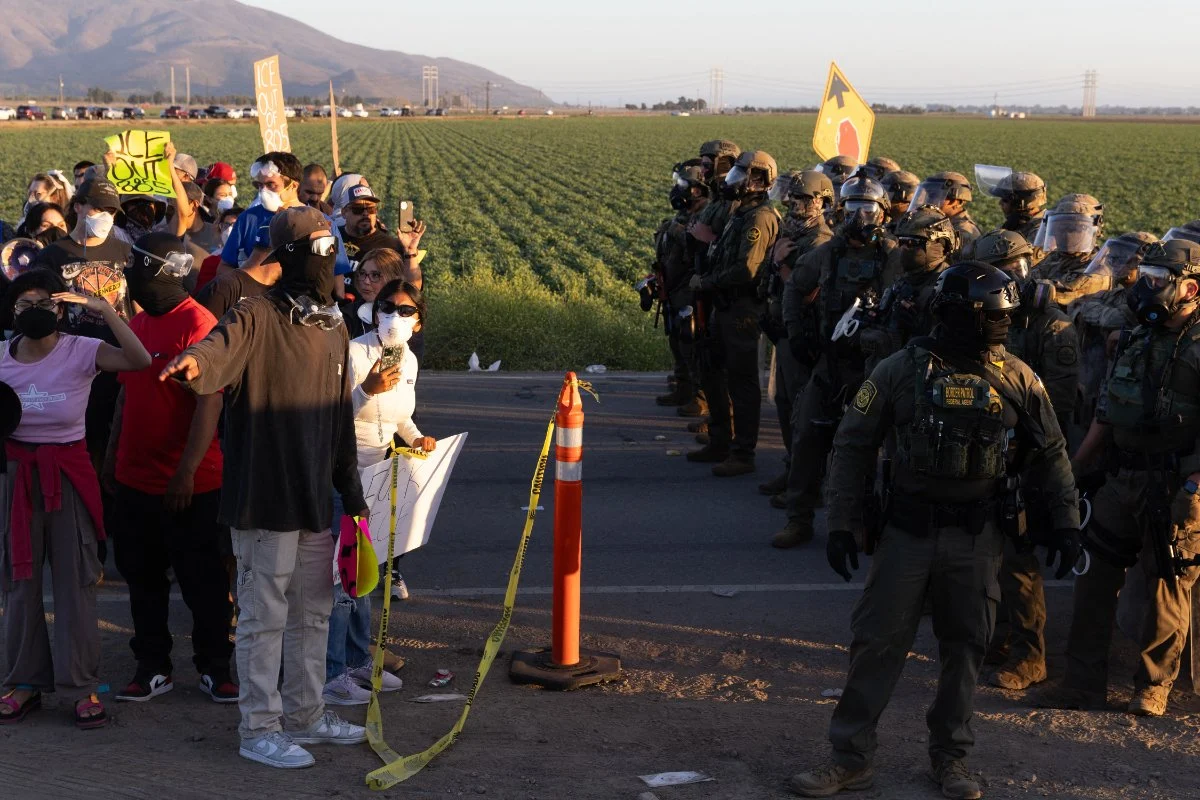
As the November 2026 midterm elections draw near, the Trump administration’s escalated immigration enforcement drive is sending profound ripples through communities across the United States, particularly those integral to the nation’s food production, incurring significant economic and social costs. This intensified push by Immigration and Customs Enforcement (ICE), bolstered by unprecedented funding and manpower, is disrupting critical supply chains, impacting farmer livelihoods, and raising concerns about consumer food prices, while simultaneously creating deep distress within immigrant-rich agricultural and meatpacking communities.
A Sweeping Enforcement Campaign Targets Food Production Hubs
The latest surge in federal immigration operations has cast a pall over key agricultural regions, from the vast cattle feedlots and processing plants of Kansas to the fertile fields of California’s Central Valley. In August 2026, ICE recorded a staggering 51,000 arrests nationwide in a single month, setting a new record. This accelerated enforcement continued into the fall, coinciding with the heightened political climate leading up to the midterms. These operations are notably different from previous crackdowns, shifting away from high-profile workplace raids to more clandestine tactics that target workers in their daily lives—during shift changes, on their commutes, and in their neighborhoods.
Kansas, often dubbed the "golden triangle" of the U.S. beef industry, has found itself at the epicenter of this enforcement wave. In 2025, the state processed nearly 6 million cattle, accounting for approximately 20 percent of the national total. Much of this colossal production is concentrated in the southwest corner of the state, in cities like Liberal, Dodge City, and Garden City, home to major processing plants operated by industry giants such as National Beef, Tyson, and Cargill. These communities are also characterized by significant populations of immigrant workers and their families, who form the backbone of the region’s agricultural economy.
Loud Light, a grassroots organization supporting these communities through its New Frontiers project, typically shares messages about local events and cultural celebrations. However, in late September and October 2026, their social media channels transformed into urgent alert systems, warning residents about the pervasive presence of federal immigration officers. Posts advised caution during shift changes, noting agents positioned near the Liberal National Beef lot and around key transportation hubs in Dodge City. "They’re targeting brown, Spanish-speaking people. They’re targeting farmworkers," affirmed Teresa Romero, president of the United Farm Workers (UFW), underscoring the perceived discriminatory nature of these operations.
Evolution of Trump Administration’s Immigration Policy
Since President Donald Trump took office in January 2025, immigration enforcement has been a cornerstone of his administration’s agenda. His initial year saw numerous arrests of workers in farms, restaurants, and food production facilities. Under the tenure of former Homeland Security Secretary Kristi Noem, enforcement was marked by high-profile, large-scale operations involving thousands of agents descending on individual cities. These efforts were frequently amplified through social media, drawing significant public attention and often leading to widespread protests, such as those in Minneapolis following the controversial deaths of Renée Good and Alex Pretti during ICE encounters in May 2026.
However, a notable shift occurred with the departure of Noem and the appointment of Markwayne Mullin as Homeland Security Secretary. While Mullin’s approach has been less performative, the intensity of enforcement has paradoxically increased. Jessie Hahn, an attorney with the National Immigration Law Center (NILC), observed, "The monthly arrest totals now are actually more than they ever were last year under Kristi Noem, but you wouldn’t necessarily know that because they’re not being covered in the news in the same way." This suggests a deliberate strategy to maintain high arrest numbers without generating the same level of public outcry that accompanied earlier, more visible raids.
A critical factor enabling this surge is an unprecedented infusion of taxpayer money into immigration enforcement. In June 2026, Congress approved an additional $70 billion for ICE, pushing the Department of Homeland Security’s (DHS) total budget for immigration enforcement beyond $200 billion. Reports from organizations like the Brennan Center for Justice highlighted the sheer scale of this funding. This financial windfall has allowed ICE to hire an additional 12,000 agents, more than doubling its ranks, and to invest heavily in expanding detention centers, acquiring aircraft for deportation flights, and enlisting local law enforcement agencies to assist in its operations. Hahn noted, "The combined effect of all of those things has been the skyrocketing number of arrests."
Crucially, the tactics employed have evolved. Unlike previous crackdowns that involved lengthy investigations and judicial warrants for workplace raids, current ICE operations prioritize direct apprehension. Mullin publicly stated on X (formerly Twitter) that "ICE is not conducting worksite operations in Kansas," responding to early reports. Instead, agents are strategically positioned outside workplaces, in residential areas, and along common transportation routes for immigrant workers, allowing for detentions without the need for prior warrants or extensive case-building against employers. This focus on individual arrests, rather than employer accountability, signifies a strategic shift designed to maximize apprehension numbers.

Widespread Disruption and Economic Fallout
The impact of these operations is immediate and far-reaching, directly affecting the stability of the U.S. food supply chain. In Kansas, Martín Rosas, president of the United Food and Commercial Workers (UFCW) Local 2, which represents over 10,000 workers in local meatpacking plants, confirmed that 104 individuals were arrested in a single week in September. The fear generated by these arrests has led many union members, including those with legal work authorization, to stay home, paralyzing operations. Rosas explained that the union is struggling to determine the exact number of detained members because many have not returned to work out of sheer terror.
The economic consequences for Kansas’s vital beef industry have been stark. USDA data for the week following the Kansas operations showed a reduction of 45,000 cattle slaughtered compared to the previous week. The Kansas governor informed union leaders that this interruption alone cost meatpackers an estimated $14 million. A joint statement issued by the Kansas Livestock Association, Oklahoma Cattlemen’s Association, and Texas Cattle Feeders Association corroborated these disruptions, reporting thousands of cattle delayed from processing and significant workforce instability across beef plants, feedlots, dairies, and transportation hubs. They warned of a "massive chilling effect on the legal, documented, skilled workers that put beef on the table and keep the cattle supply chain moving," predicting an inevitable rise in beef prices for consumers.
Kansas Farmers Union Executive Director Nick Levendofsky highlighted the ripple effects on farmers, many of whom faced delays in getting their cattle processed. Animals that could not be slaughtered on schedule had to be returned to feedlots or pastures, incurring additional feeding costs and creating "choke points in the system that really don’t do farmers any favors." This comes at a time when farmers are already grappling with high input costs and soaring diesel prices, with labor shortages consistently ranking among their top challenges.
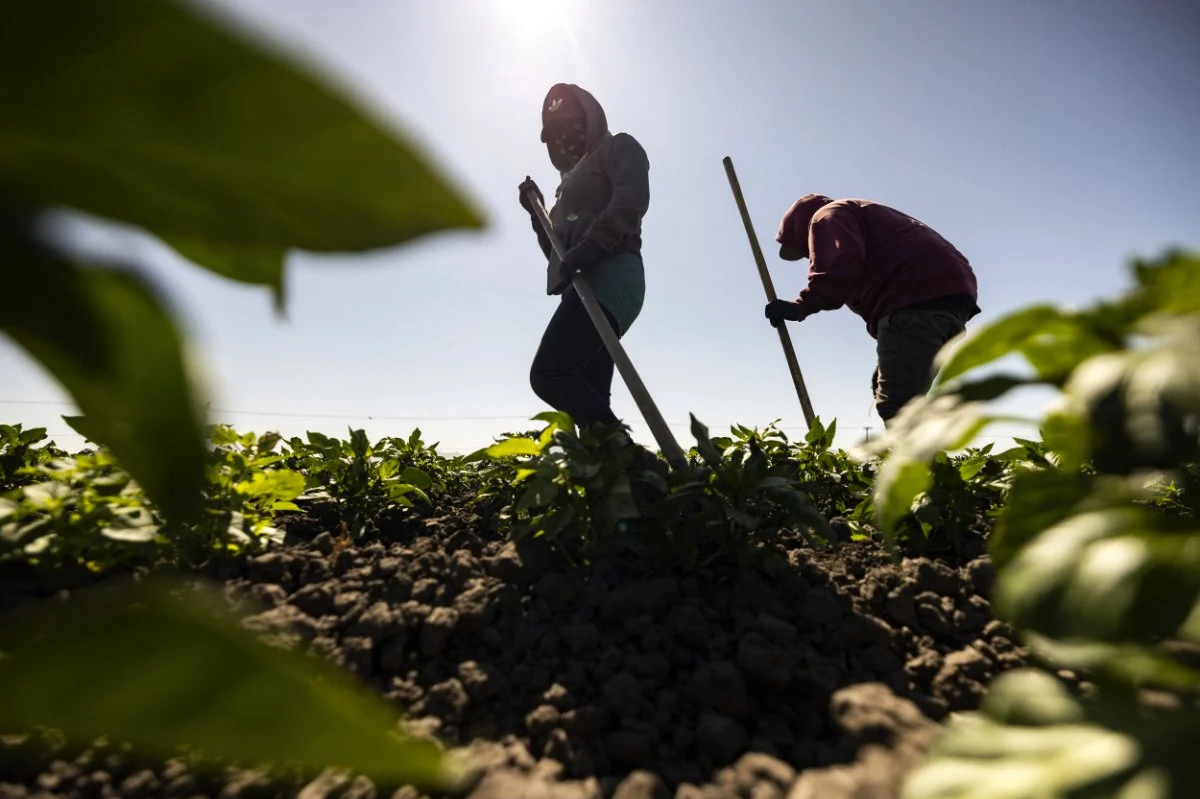
Beyond Kansas, the enforcement surge has affected other critical agricultural areas. In June 2026, ICE agents stopped a car carrying workers from a Virginia dairy farm, leading to deportations. A month later, workers leaving a tomato processing plant in upstate New York were followed and arrested. Most recently, California’s Central Valley, a region responsible for producing a quarter of the nation’s food, has experienced a rapid increase in ICE activity.
Silvia Romana, an organizer with Faith in the Valley, which operates the Valley Watch ICE monitoring program in Kern County, California, confirmed that the group had anticipated a pre-midterm surge. In mid-October, reports of ICE agents waiting on farm roads spread quickly, leading to numerous farmworkers not showing up for work out of fear. On October 7, a van carrying farmworkers from Selma to Bakersfield was pulled over early in the morning, and the entire group was arrested.
The human cost is equally profound. Families with "mixed status"—where some members are citizens or have legal authorization, while others are undocumented—are under immense strain. Romana described how families are restructuring their lives; for instance, one parent might stay home to ensure children are not left unattended if the other parent is detained. This creates significant financial hardship and emotional distress. Faith in the Valley has resorted to organizing food basket deliveries for families too afraid to visit grocery stores.
Allegations of Racial Profiling and Official Denials
Despite the widespread reports from community organizations and union leaders, ICE and DHS officials maintain that their operations do not involve racial profiling. They assert that agents are specifically targeting individuals with criminal records or those with final orders of removal. However, every community source interviewed by Civil Eats reported witnessing agents stopping individuals who appeared to be Hispanic. Martín Rosas of UFCW Local 2 stated, "They went around and stopped people and harassed people and detained people without any reasonable cause."
This disparity between official statements and on-the-ground observations has fueled skepticism. In Mullin’s X post about the Kansas operations, he claimed ICE was "targeting heinous criminals including murderers, rapists, and drug traffickers and illegal aliens with final orders of removal." However, these claims were quickly challenged. DHS and the U.S. Attorney’s Office in Kansas initially released a list of five individuals apprehended as evidence of targeted enforcement. The Wichita Eagle subsequently reported that all five individuals had been in custody long before the operations, forcing officials to walk back their claims. Such discrepancies erode public trust and lend credence to allegations of indiscriminate arrests and racial profiling.
Broader Economic and Social Implications

The implications of this intensified enforcement extend far beyond immediate arrests and disruptions. Economically, the loss of skilled labor, even if undocumented, has a cascading effect throughout the economy. As Jessie Hahn of NILC explained, a recent study by the National Bureau of Economic Research found that in areas where more undocumented workers were removed from the workforce, the number of U.S.-born workers with jobs also declined. This is because immigrant workers often fill complementary roles in supply chains. For example, the absence of immigrant farmworkers to harvest crops could reduce the need for U.S.-born truck drivers to transport produce, or for electricians if construction crews are depleted.
This analysis challenges the simplistic narrative that deporting undocumented workers "opens up" jobs for U.S. citizens. Instead, it highlights the intricate interconnectedness of the modern labor force, particularly in labor-intensive sectors like agriculture and food processing. The administration’s focus on maximizing individual detentions rather than holding employers accountable for hiring undocumented workers further exacerbates these labor market imbalances, penalizing vulnerable workers while largely sidestepping the systemic issues.
Socially, the fear instilled by these operations creates a climate of anxiety and instability. Children, many of whom are U.S. citizens, face the constant threat of parental separation. Access to basic necessities, such as food and healthcare, becomes compromised as families fear venturing out. The erosion of trust between immigrant communities and law enforcement, even local police who may not be directly involved in ICE operations, can have long-lasting negative consequences for public safety and community cohesion.
Political Ramifications Ahead of the Midterms
The timing of this enforcement surge, just weeks before the midterms, is not coincidental. The Trump administration’s hardline stance on immigration is a powerful mobilizer for a segment of its Republican base, particularly those prioritizing "border security" and increased enforcement. Polling data reflects this partisan divide: while a majority of Americans, particularly Democrats, believe ICE enforcement has gone "too far," a significant portion of Republicans believe ICE is performing adequately or should be even more aggressive. Immigration consistently ranks as a top voting issue for Republican voters, according to Pew Research.
However, the on-the-ground realities of these operations could also carry political risks for Republican candidates in affected districts. In California’s Central Valley, the United Farm Workers (UFW) has directed criticism at Representative David Valadao (R-California), who faces reelection. UFW President Teresa Romero accused Valadao of not prioritizing his farmworker constituents, stating, "To him agriculture is not workers, it’s just employers." Valadao, while stressing his support for "meaningful immigration reform" and engaging with DHS, acknowledged the concerns raised by the operations and stated that "Hardworking farmworkers who are simply going to work, providing for their families, and contributing to our agricultural economy should not have to live in fear."
Similarly, in Kansas, Senator Roger Marshall (R-Kansas) is in a tight reelection race. While affirming his support for immigration enforcement and border security, Marshall criticized ICE’s approach in his state, noting a lack of coordination with local law enforcement and "mass disruptions to local communities and businesses." He relayed these concerns directly to DHS, advocating for a "responsible and secure manner" of enforcement.
Nick Levendofsky of the Kansas Farmers Union believes that the direct experience of these raids will significantly influence how people vote in affected regions. "To see it firsthand like that, I think, is pretty jarring," he commented. The union itself issued a strongly worded statement calling for a "rehumanizing" of immigration and agriculture policy, emphasizing the economic and cultural contributions of immigrants to Kansas’s food system. Levendofsky passionately recounted his own family’s immigrant history, highlighting the indispensable role immigrants have historically played and continue to play in American agriculture. "People who look like me aren’t doing that work. If you start pulling these people out, and you start scaring them and making them feel like they aren’t welcome here, who’s going to fill those shoes? The part that really gets me is that without them, we don’t eat. Period," he asserted.
The current immigration enforcement surge represents a complex interplay of political strategy, economic reality, and human consequences. While designed to appeal to a specific political base, its execution risks destabilizing critical sectors of the U.S. economy, exacerbating food price inflation, and inflicting widespread distress on vulnerable communities. As the midterm elections loom, the long-term implications of these actions on the nation’s food security, economic vitality, and social fabric remain a pressing concern, making immigration policy a defining issue for voters and policymakers alike.