admin
The maintenance of residential glass surfaces, often perceived as a secondary household chore, has seen a significant shift in recent years as homeowners increasingly pivot toward sustainable, cost-effective, and non-toxic solutions. While commercial cleaning agents have dominated the market for decades, the resurgence of DIY formulations—relying on pantry staples such as distilled white vinegar and citrus—reflects a broader consumer trend toward environmental consciousness and chemical transparency. Maintaining clear windows is not merely an aesthetic endeavor; it is a critical component of home preservation that maximizes natural light, improves energy efficiency by allowing solar heat gain during winter months, and prevents the long-term etching of glass caused by environmental pollutants.
The Rise of DIY Cleaning Solutions in the Modern Household
The transition from store-bought chemical sprays to homemade alternatives is supported by both economic data and public health awareness. According to market research, the global "green" cleaning market is projected to expand significantly through 2030, driven by a growing subset of the population that is wary of synthetic fragrances and volatile organic compounds (VOCs). Commercial glass cleaners frequently utilize ammonia or isopropanol to achieve quick evaporation; however, these substances can cause respiratory irritation in sensitive individuals and may leave behind a waxy residue that attracts dust over time.

In contrast, the efficacy of a vinegar-based homemade cleaner lies in its simplicity and the inherent chemical properties of its ingredients. By understanding the molecular interaction between acetic acid and surface contaminants, homeowners can achieve professional-grade results without the premium price tag associated with specialized industrial products.
The Standard Formulation: A Technical Breakdown
To create a high-performance window cleaning solution, the following methodology is recommended by home maintenance experts. The recipe balances acidity for mineral removal with surfactants for grease suspension.
Primary Ingredients:

- Distilled White Vinegar: 1/4 cup. The acetic acid acts as a mild solvent to dissolve mineral deposits and cut through oily films.
- Liquid Dish Soap: 1/2 teaspoon. This serves as a surfactant, reducing the surface tension of the water and allowing it to lift and suspend dirt.
- Distilled or Warm Water: 2 cups. Water acts as the carrier for the active ingredients. Distilled water is preferred in regions with hard water to prevent new mineral spotting.
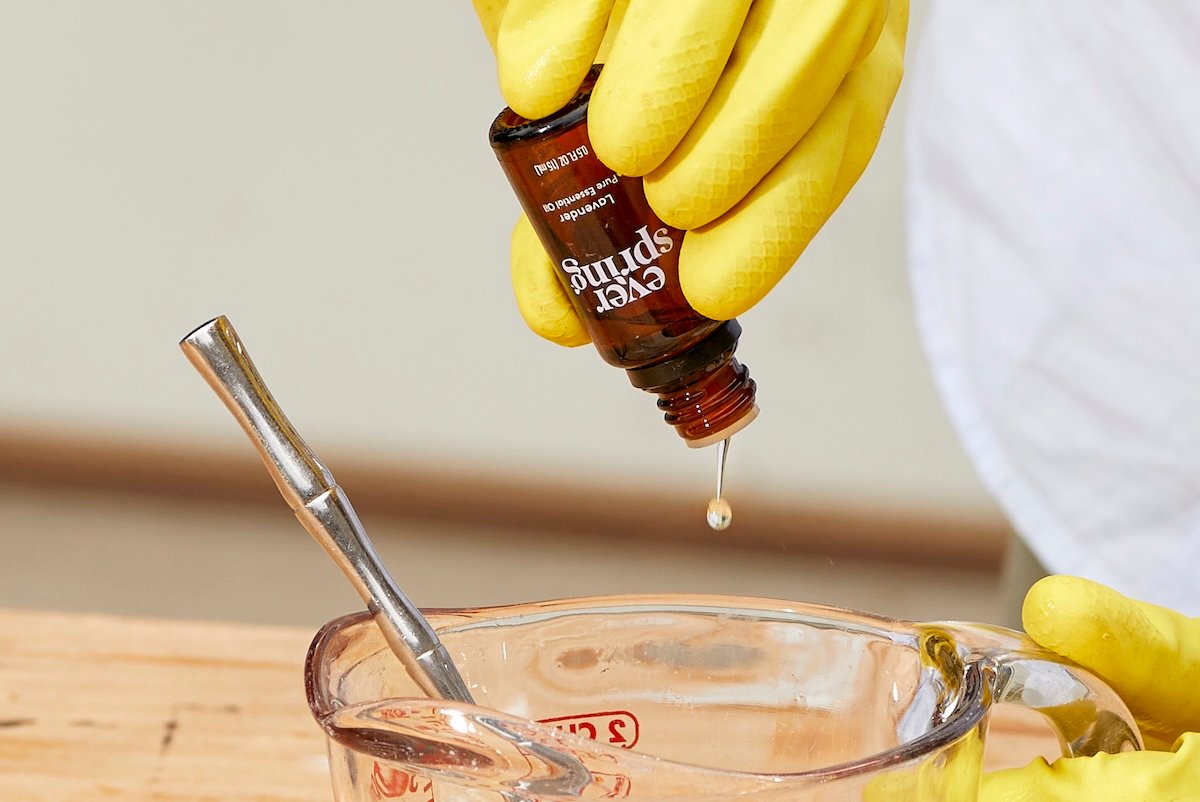
- Essential Oils (Optional): 10–15 drops. Common choices include lemon, peppermint, or tea tree oil, which provide a pleasant aroma and, in the case of tea tree oil, mild antimicrobial properties.
The Mixing Process:
The ingredients should be combined in a clean spray bottle. It is advisable to add the water first, followed by the vinegar and soap, to minimize excessive foaming during the mixing process. The bottle should be shaken vigorously to ensure the surfactant is fully integrated into the acidic solution.
The Chemistry of Clean: How It Works
The effectiveness of this DIY solution is rooted in basic chemistry. Windows are subjected to a variety of pollutants, including bird droppings, pollen, automotive exhaust, and indoor grease from cooking.
Acetic Acid (Vinegar):
Distilled white vinegar typically contains about 5% acetic acid. This acidity is potent enough to break down the chemical bonds of grease and dirt. Furthermore, it is exceptionally effective at dissolving "hard water" spots—calcium and magnesium deposits left behind by rain or sprinklers—which are alkaline in nature.

Sodium Lauryl Sulfate (Dish Soap):
Most dish soaps contain sodium lauryl sulfate or similar surfactants. These molecules have a hydrophilic (water-attracting) head and a hydrophobic (water-repelling) tail. The tail attaches to oily grime, while the head stays in the water. When the window is wiped, the water pulls the soap—and the attached grease—away from the glass surface.
Citric Acid (Lemon Juice Alternative):
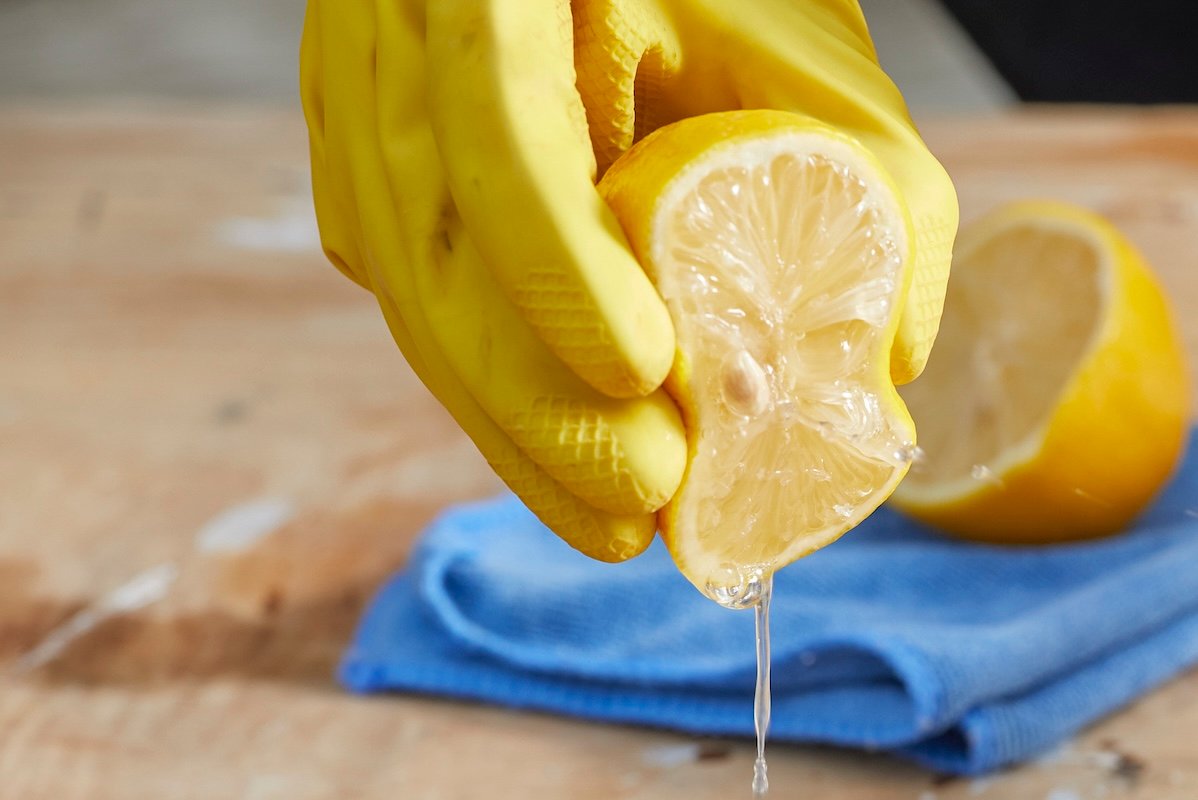
If vinegar is unavailable, lemon juice serves as a viable substitute. Citric acid is slightly stronger than acetic acid and provides a natural degreasing action. However, lemon juice must be strained carefully to remove pulp, which could clog spray nozzles or leave organic residue on the glass.
Historical Context and Evolution of Window Maintenance
The history of window cleaning reflects the industrial capabilities of the era. In the early 19th century, windows were often cleaned with plain water and heavy linen cloths. As the manufacturing of plate glass became more common, households began using mixtures of water and wood ash (which contains lye) or kerosene to cut through the heavy soot produced by coal-burning stoves.

The mid-20th century saw the introduction of ammonia-based cleaners, which revolutionized the industry by providing a "streak-free" finish due to ammonia’s rapid evaporation rate. However, as the 21st century progressed, the environmental impact of ammonia—including its potential toxicity to aquatic life when rinsed into storm drains—led to a "back-to-basics" movement. Today’s DIY vinegar solutions are essentially a refined version of the traditional methods used before the advent of mass-marketed synthetic chemicals.
Procedural Chronology for Professional Results
Achieving a streak-free finish requires more than just a quality solution; it demands a disciplined application technique.
- Preparation and Dusting: Before applying any liquid, the window frame, sill, and glass should be dusted with a dry microfiber cloth or vacuumed. Applying liquid to a dust-heavy window creates a "muddy" slurry that is difficult to remove.
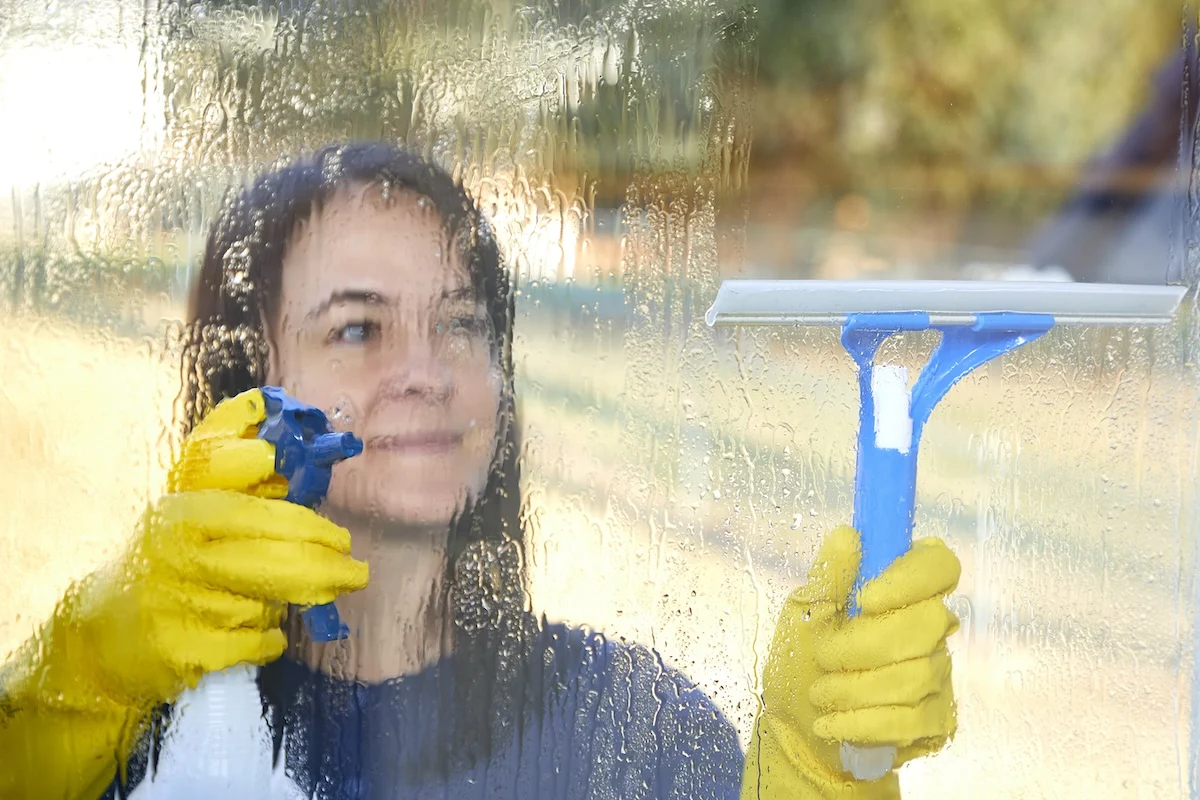
- Application: The DIY solution should be applied from the top of the window downward. This allows the cleaner to run down the glass, pre-soaking the lower sections.
- Agitation: Using a lint-free cloth, the user should work the cleaner into the glass in a circular motion to loosen stuck-on debris, followed by vertical and horizontal strokes.
- The Squeegee Technique: For large panes, a professional-grade squeegee is indispensable. The blade should be wiped with a clean cloth after every pass to prevent water lines.
- Polishing: Any remaining moisture at the edges of the glass should be buffed away with a dry microfiber cloth or a clean coffee filter, the latter of which is prized by professionals for its lint-free properties.
Safety Protocols and Chemical Warnings
While the ingredients in DIY window cleaners are generally considered "food grade," they are not without risks if misused. The most critical safety warning in household maintenance is the prohibition of mixing vinegar with chlorine bleach.

When acetic acid (vinegar) is combined with sodium hypochlorite (bleach), it triggers a chemical reaction that releases chlorine gas. Chlorine gas is a potent respiratory irritant that can cause chest pain, vomiting, and, in high concentrations, pneumonia or death. Homeowners should ensure that any surface previously treated with bleach is thoroughly rinsed with plain water before a vinegar-based cleaner is applied.
Additionally, while vinegar is safe for glass, it can be damaging to other surfaces. It should never be used on unsealed stone surfaces like marble or granite, as the acid can "etch" or dull the stone. It should also be used sparingly around certain window seals or older rubber gaskets, as prolonged exposure to acid can eventually degrade some types of rubber.
Expert Insights on Hardware and Longevity
Comprehensive window care extends beyond the glass. Michael Wandschneider, a director of product management at Marvin, emphasizes that the mechanical components of the window require equal attention. "Don’t forget to inspect your window hardware. If your finishes have dulled, you can apply a coat of beeswax to preserve and restore them," Wandschneider notes. He further suggests the use of dry lubricants on gears and tracks to ensure smooth operation, which prevents the physical stress on the frame that can lead to seal failure.
Comparative Analysis: DIY vs. Commercial Products
| Feature | DIY Vinegar Solution | Ammonia-Based Commercial |
|---|---|---|
| Cost per Gallon | Approx. $0.20 – $0.50 | $3.00 – $12.00 |
| Environmental Impact | Biodegradable, non-toxic | May contain VOCs and aquatic toxins |
| Residue | Minimal to none | Can leave waxy buildup |
| Safety | Food-safe ingredients | Respiratory irritant |
| Sanitization | Mildly antimicrobial | Often contains stronger disinfectants |
Data suggests that the average household can save between $20 and $50 annually by switching to DIY cleaners for glass and hard surfaces. While this may seem modest, the cumulative reduction in plastic waste—estimated at 5 to 10 spray bottles per year per household—represents a significant environmental benefit.
Broader Implications: The Psychology of Natural Light
The drive to maintain clean windows is supported by psychological and physiological research. Increased exposure to natural light through clean windows has been linked to improved mood, better sleep cycles (via circadian rhythm regulation), and increased productivity. In an era where remote work has become standard, the "indoor-outdoor" connection provided by clear glass is a vital component of residential wellness.
Furthermore, clean windows are a key factor in "curb appeal" and property valuation. Real estate professionals often cite window cleanliness as one of the highest-return, low-cost improvements a homeowner can make before listing a property.
Final Assessment of the DIY Approach
The shift toward homemade window cleaners is a logical response to the modern demand for transparency, safety, and frugality. By leveraging the acidic properties of vinegar and the surfactant capabilities of dish soap, homeowners can achieve a level of clarity that rivals or exceeds that of industrial chemicals. When combined with proper tools—such as microfiber cloths and squeegees—and a regular maintenance schedule, this DIY approach ensures that the home remains a bright, healthy, and well-preserved environment. As the "green" cleaning movement continues to evolve, the vinegar-and-water solution remains the gold standard for those seeking a streak-free shine without compromise.