admin
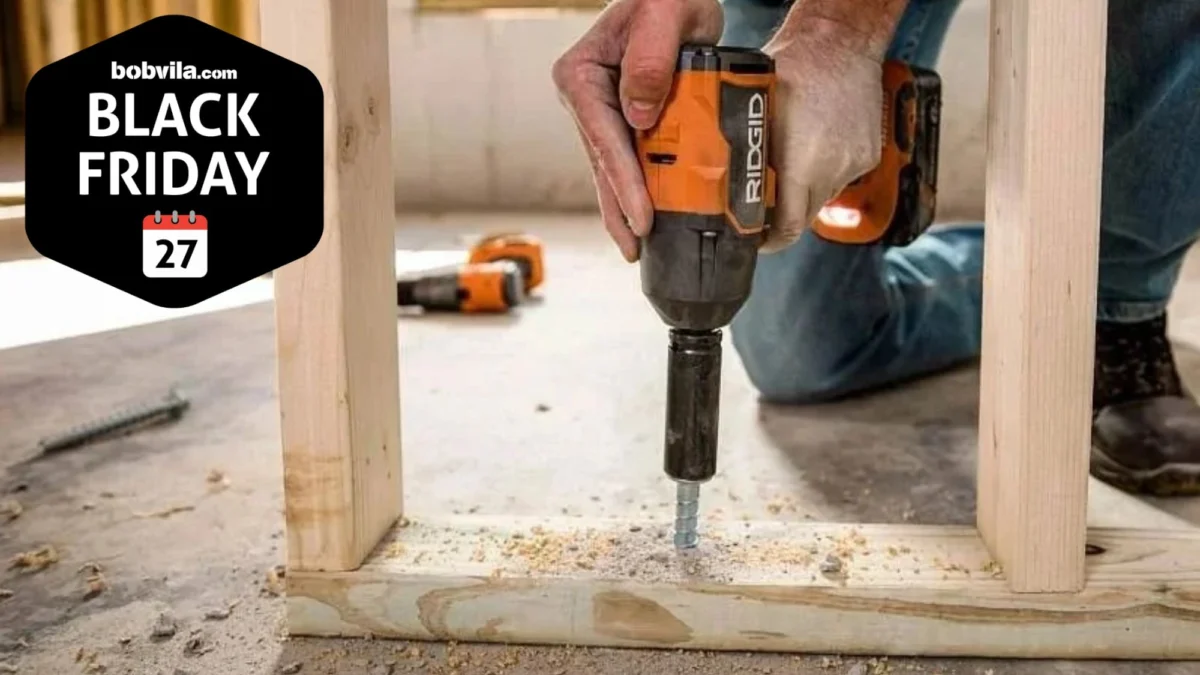
The Home Depot has officially launched its annual Tool Gift Center event, signaling a significant escalation in the seasonal retail price wars by offering a promotional package that effectively offsets the high cost of entry for cordless power tool ecosystems. Under the terms of the current promotion, consumers who purchase the Ridgid 18V MAX Output Starter Kit—which includes two 4.0 Ah batteries and a charger for a retail price of $149—are eligible to select a free bare tool from a curated list of eight professional-grade options. With some of the eligible tools, such as the Ridgid 18V Brushless 1/2-inch Mid-Torque Impact Wrench, carrying a standalone MSRP of $189, the deal represents a rare instance where the value of the promotional "gift" exceeds the cost of the initial purchase.
This aggressive pricing strategy targets a specific pain point in the home improvement and professional construction sectors: the cost of lithium-ion batteries. While individual tool bodies (often referred to as "bare tools") are frequently discounted, the high-capacity batteries required to power them remain the most expensive component of any cordless collection. By bundling a high-output battery kit with a high-value tool, The Home Depot and Ridgid are aiming to capture market share from competitors like DeWalt, Milwaukee, and Makita during the critical Q4 shopping window.
The Strategic Value of the Ridgid 18V Ecosystem
Ridgid occupies a unique position in the power tool market. Manufactured by Techtronic Industries (TTI)—the same parent company behind Milwaukee Tool and Ryobi—Ridgid is marketed as a professional-grade brand exclusive to The Home Depot. It serves as the "pro-sumer" bridge, offering durability and performance metrics that rival top-tier industrial brands but at a price point accessible to general contractors and serious DIY enthusiasts.
A cornerstone of Ridgid’s market appeal is its Lifetime Service Agreement (LSA). For tools purchased and registered within 90 days, the LSA provides free parts, free service, and, perhaps most importantly, free battery replacements for the life of the tool. This promotion allows users to enter that ecosystem with a substantial hardware foundation for under $150, a move that analysts suggest is designed to "lock in" users to the Ridgid battery platform before they invest in competing 18V or 20V systems.
Technical Analysis of Featured Tools
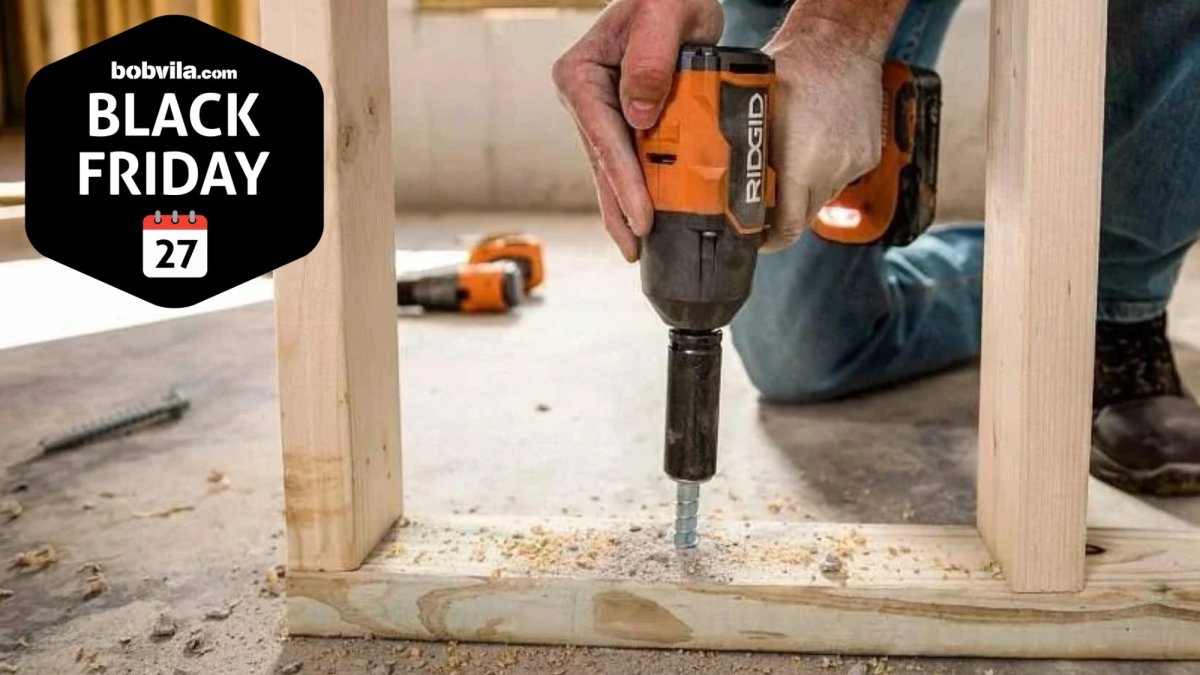
The promotional selection includes eight tools, each tailored to specific trades or home maintenance tasks. The standout value is the Ridgid 18V Brushless Cordless 4-Mode 1/2-inch Mid-Torque Impact Wrench. In the automotive and heavy equipment sectors, mid-torque wrenches are considered the "Goldilocks" of the industry, providing enough power to break loose rusted lug nuts or stubborn suspension bolts without the prohibitive weight of a high-torque industrial beast. This specific model features 650 foot-pounds of breakaway torque and four distinct modes, including an "auto-tightening" feature that prevents the over-torquing of fasteners.
Another high-tech inclusion is the Ridgid 18V NUKE SubCompact Brushless Impact Driver. This tool utilizes a hydraulic oil-pulse mechanism rather than a traditional mechanical hammer and anvil. The result is a significant reduction in noise—often a major grievance on indoor jobsites—and a smoother driving experience that reduces user fatigue. Despite its "SubCompact" designation, the tool is designed to fit between standard 16-inch-on-center studs, making it an essential piece of hardware for kitchen cabinet installation and electrical rough-ins.
For framing and general carpentry, the 6-1/2-inch Brushless Circular Saw is a notable inclusion. While 7-1/4-inch saws are the industry standard for deep cuts, the 6-1/2-inch variant is prized for its lighter weight and maneuverability, particularly when cutting sheet goods like plywood or OSB. The brushless motor technology in this unit is optimized for the 18V MAX Output batteries included in the starter kit, ensuring that the tool maintains high RPMs even under heavy load.
Chronology of the Early Black Friday Rollout
The timing of this promotion reflects a broader shift in the retail landscape. Historically, "Black Friday" deals were confined to the Friday following Thanksgiving. However, over the last five years, major retailers like Home Depot, Lowe’s, and Amazon have transitioned to a "Black November" model.
The Tool Gift Center event typically begins in late October or the first week of November, serving as the opening salvo in a two-month-long promotional cycle. By releasing these high-value bundles early, The Home Depot aims to capture "early bird" holiday spending and secure contractor budget allocations before the end of the fiscal year. This chronology also allows the retailer to manage inventory more effectively, using the early November data to adjust stock levels for the traditional late-November peak.
Comparative Market Data
To understand the impact of the $149 price point, one must look at the broader market. A comparable two-battery starter kit from Milwaukee (M18 line) or DeWalt (20V Max line) typically retails between $199 and $249, often without a free high-value tool like a mid-torque impact wrench included.
By pricing the Ridgid kit at $149, The Home Depot is positioning the brand as the highest value-to-performance ratio in the "Pro" category. Data from recent consumer hardware reports suggests that while professional contractors often stick to "Tier 1" brands for their primary drills and saws, they are increasingly open to "Tier 2" brands like Ridgid for specialty tools—such as grinders, jigsaws, and oscillating multi-tools—provided the battery platform is reliable and the warranty is robust.
Broader Economic and Industry Implications
The "Free Tool" promotion is more than just a retail discount; it is a reflection of the intense competition within the cordless tool sector. As battery technology plateaus—with most major brands now offering similar lithium-ion densities—manufacturers are forced to compete on software (smart tools), ergonomics, and ecosystem loyalty.
From a macroeconomic perspective, these deals arrive at a time when the DIY market is cooling slightly following the pandemic-era boom, while the professional renovation market remains steady. By offering "Pro-grade" tools at "DIY prices," Home Depot is attempting to stimulate demand among homeowners who are increasingly taking on their own repairs to avoid high labor costs.
Furthermore, the emphasis on brushless motors across the promotional lineup highlights the industry-wide transition away from brushed technology. Brushless motors are more efficient, run cooler, and have a longer lifespan because they lack the physical brushes that create friction and wear out over time. By populating its promotional list with brushless options, Ridgid is ensuring that new users are starting with modern, durable technology that will not be obsolete in three to five years.
Official Strategy and Logistics
While The Home Depot has not released a formal statement regarding the specific margins of this deal, retail analysts note that "buy-one-get-one" (BOGO) promotions in the tool category are often subsidized jointly by the retailer and the manufacturer (TTI). The goal is long-term "annuity" revenue; once a customer owns two Ridgid 4.0 Ah batteries and a charger, they are significantly more likely to purchase additional Ridgid bare tools in the future.
Logistically, the deal is available both in-store and online, though inventory levels for the free tools often vary by region. The Home Depot’s digital interface allows customers to "build" their bundle online, ensuring that the discount is applied automatically at checkout. This omnichannel approach has been a key driver of the company’s success in maintaining its lead in the home improvement sector.
Summary of Promotional Options
For those evaluating the deal, the eight free tool options represent a comprehensive cross-section of modern power tool utility:
- 1/2-in. Mid-Torque Impact Wrench: Best for automotive work.
- NUKE SubCompact Impact Driver: Best for quiet, precise fastening.
- 6-1/2-in. Circular Saw: Best for portable carpentry.
- Oscillating Multi-Tool: The "problem solver" for trim and demolition.
- Reciprocating Saw: Essential for rough demolition.
- Angle Grinder: For metalworking and masonry.
- Jigsaw: For curved cuts in woodworking.
- High-Capacity Battery: For users who prioritize runtime over additional hardware.
As the holiday shopping season progresses, this $149 Ridgid bundle remains one of the most competitive benchmarks for value. It serves as a reminder of the shifting dynamics in the power tool industry, where the "razor and blade" business model—selling the platform at a low cost to ensure future tool sales—continues to dominate the retail landscape. For the consumer, whether a professional looking to expand a kit or a homeowner starting from scratch, the early Black Friday window represents the optimal time to secure high-performance hardware at a fraction of the standard market rate.