admin
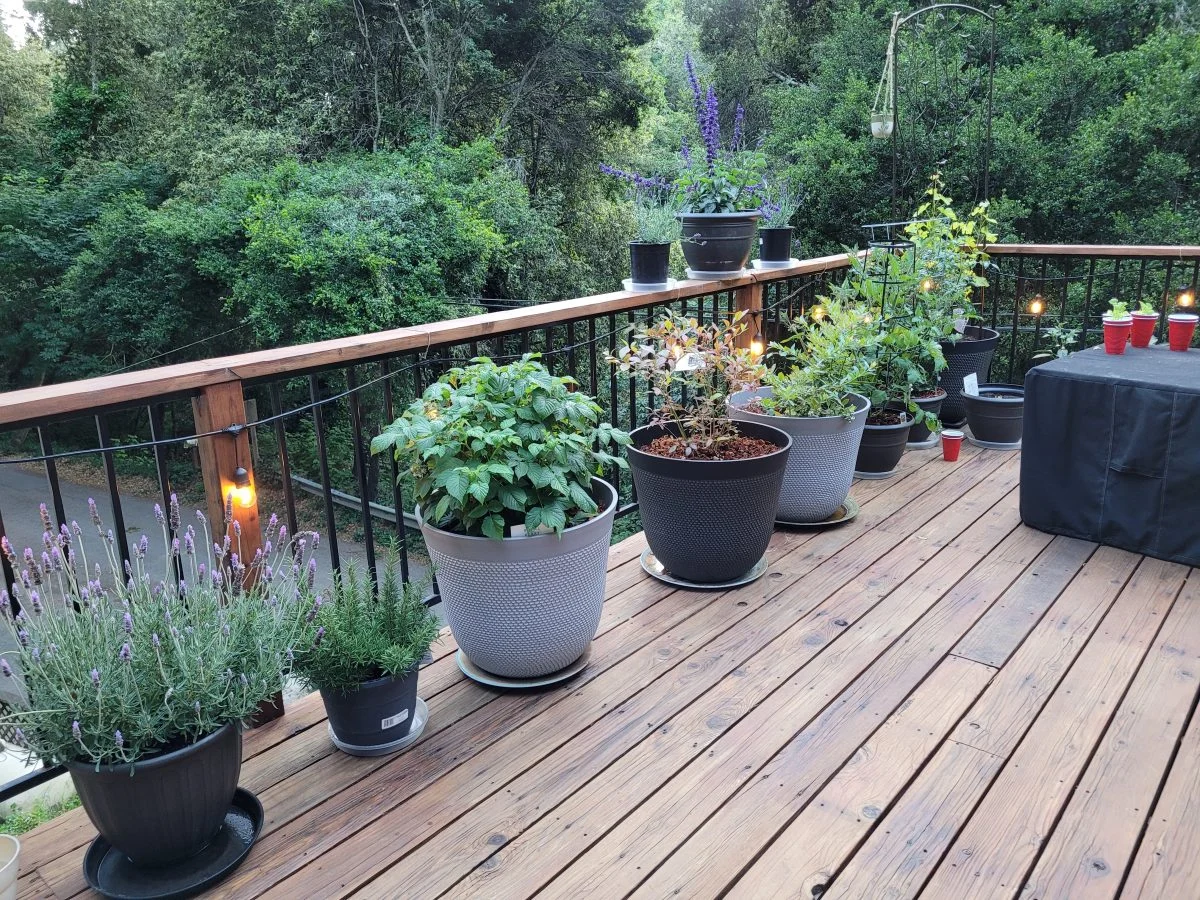
The American backyard has undergone a significant transformation over the last decade, evolving from a simple patch of grass into a sophisticated extension of the primary living space. Central to this evolution is the wooden deck, a structural feature that offers both aesthetic charm and substantial property value. However, as the demand for outdoor living spaces has surged, so too has a silent crisis of premature structural failure. Industry experts warn that millions of residential decks across the United States are currently in a state of accelerated decay, often due to the very maintenance habits intended to preserve them. By understanding the mechanics of wood rot and the common errors made by well-meaning homeowners, property owners can avoid the staggering costs of total deck replacement, which currently averages between $15,000 and $30,000 for professional installations.
The Rising Stakes of Outdoor Maintenance
According to data from the North American Deck and Railing Association (NADRA), there are approximately 60 million decks in the United States, with an estimated 30 million having exceeded their intended lifespan or requiring significant repair. The vulnerability of these structures is primarily tied to their constant exposure to the elements—UV radiation, fluctuating temperatures, and, most critically, moisture. While wood is naturally resilient, it is an organic material susceptible to fungal colonization. When homeowners apply incorrect cleaning or maintenance techniques, they often inadvertently create the perfect environment for these fungi to thrive.
Jon Colbasiuc, owner of Supreme Deck Store in Helmetta, New Jersey, notes that the line between "clean" and "damaged" is often thinner than homeowners realize. "A deck that looks sparkling clean on the surface may actually be structurally compromised due to aggressive maintenance tactics that strip away the wood’s natural defenses," Colbasiuc explains. This sentiment is echoed by Jake Anderson of Modernize It LLC, who emphasizes that the longevity of a deck is determined less by the frequency of cleaning and more by the precision of the methods used.
1. The Perils of High-Pressure Water Application
The most prevalent mistake in modern deck care is the misuse of pressure washers. While the immediate gratification of seeing dirt and graying fibers blasted away is tempting, the physics of high-pressure water can be devastating to wood grain. Standard pressure washers can exert forces exceeding 3,000 pounds per square inch (PSI), which is far beyond the structural tolerance of softwoods like cedar, redwood, or pressure-treated pine.
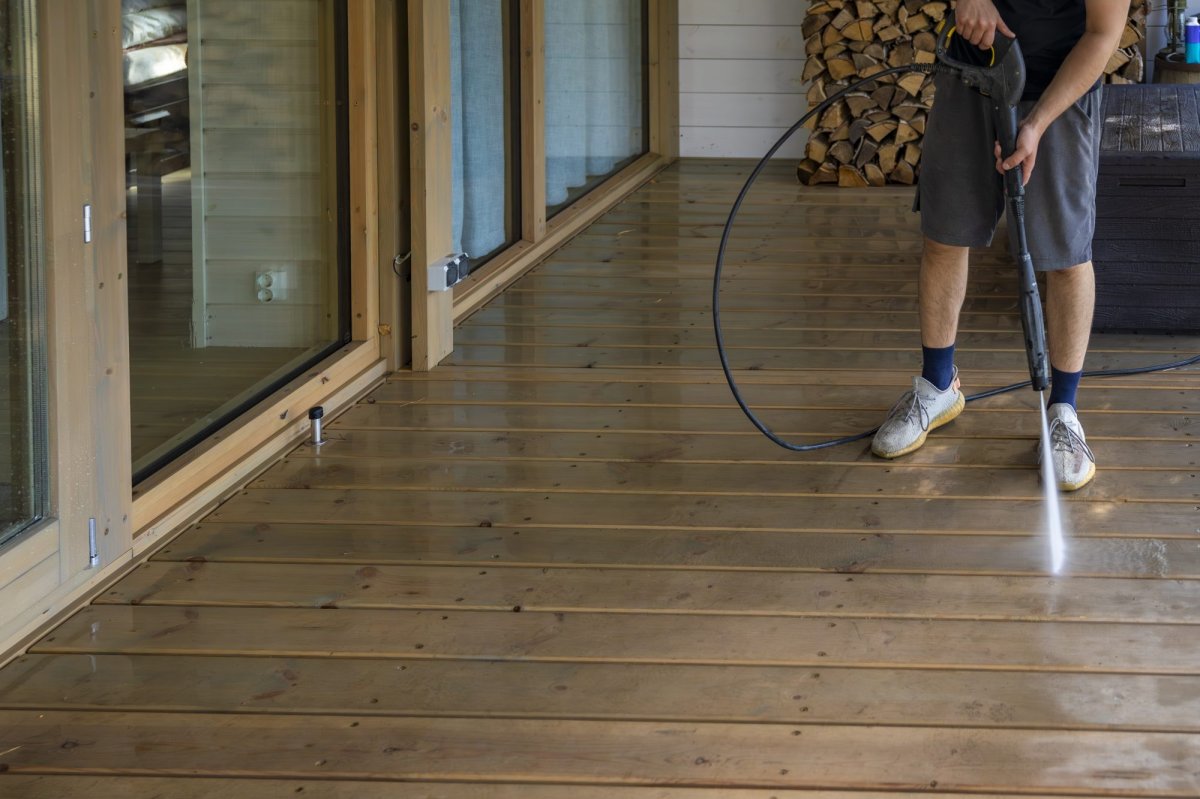
When water is applied at excessive pressure, it penetrates the cellular structure of the wood, causing the fibers to swell and eventually "fur" or splinter. This creates a porous, jagged surface that traps moisture more effectively than a smooth board. Furthermore, aggressive washing can force dirt, mold spores, and water deep into the heart of the wood, where it cannot easily evaporate. Once trapped, this internal moisture fuels "brown rot" or "white rot" fungi, which consume the cellulose and lignin that give wood its strength.
Experts recommend a "soft wash" approach. This involves using a low-pressure setting—typically under 1,000 PSI—and maintaining a distance of at least 12 inches from the surface. For many decks, a simple garden hose paired with a soft-bristled brush is sufficient to remove surface grime without compromising the integrity of the timber.
2. The Chemical Erosion of Structural Lignin
A second major error involves the use of household chemicals, specifically chlorine bleach (sodium hypochlorite), for cleaning. While bleach is an effective biocide for killing surface mold and mildew, its chemical interaction with wood is inherently destructive. Wood is composed primarily of cellulose fibers held together by a natural glue called lignin. Chlorine bleach is an oxidizer that breaks down lignin, leading to a condition known as "chemical pulping."
A deck treated repeatedly with bleach will eventually take on a "fuzzy" appearance and lose its natural color, turning a stark, unnatural white. More importantly, the degradation of lignin makes the wood brittle and prone to cracking. Bleach also alters the pH balance of the wood surface, which can interfere with the adhesion of high-quality stains and sealants later on. Furthermore, the corrosive nature of bleach poses a risk to the galvanized steel fasteners, joist hangers, and nails that hold the deck together. Accelerated corrosion of these metal components can lead to catastrophic structural failure, even if the wood appears sound.
The industry standard has shifted toward oxygen-based cleaners (sodium percarbonate) and oxalic acid-based wood brighteners. These solutions effectively lift dirt and kill organic growth without dissolving the wood’s structural components or poisoning the surrounding landscape.
3. Organic Accumulation and the "Sandwich" Effect
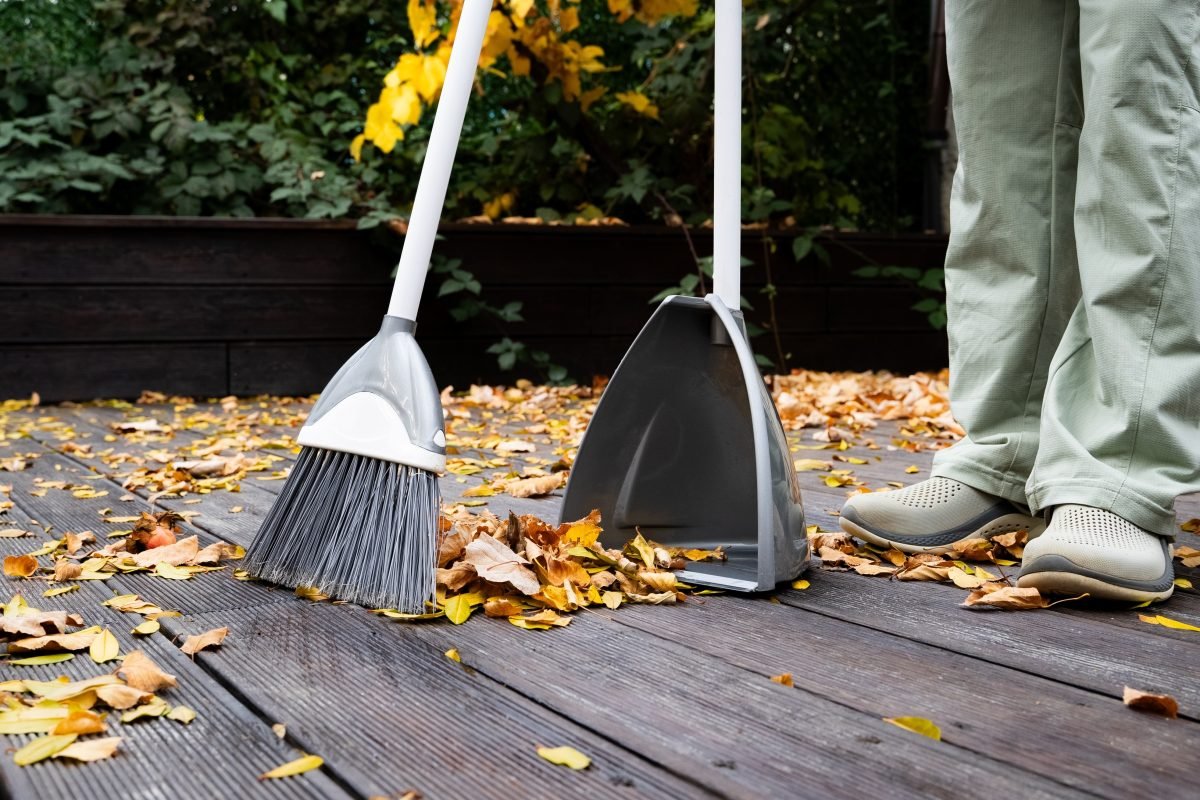
The gaps between deck boards are not merely aesthetic; they are critical engineering features designed to allow for drainage and airflow. One of the most overlooked causes of rot is the accumulation of organic debris—leaves, pine needles, dirt, and pollen—within these gaps. Jake Anderson points out that when these gaps become clogged, they create a "sandwich" effect where moisture is trapped against the sides of the boards and the tops of the joists.
This trapped debris acts like a sponge, holding water against the wood for days or weeks after a rainstorm. This constant dampness is the primary catalyst for joist rot, which is often invisible from the surface until the deck becomes structurally unstable. To combat this, homeowners should implement a semi-annual "gap cleaning" routine. Using a specialized crevice tool or a simple putty knife to clear these channels ensures that the deck can breathe and dry out properly. Additionally, maintaining a 12-inch clearance between the deck and any surrounding shrubbery or vegetation is vital to promote the airflow necessary for evaporation.
4. The Impact of Static Loads and Moisture Traps
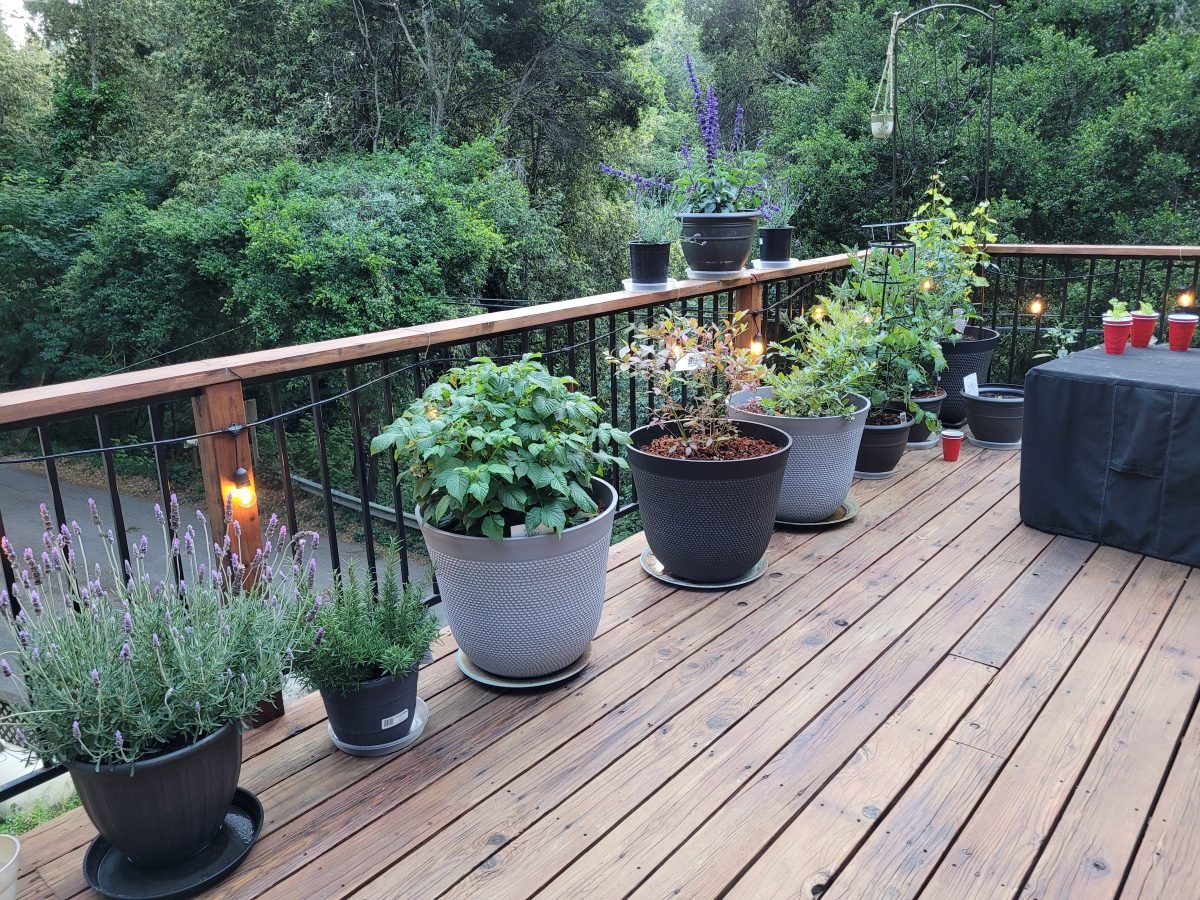
The trend toward turning decks into "outdoor rooms" has led to an increase in the use of rugs, large planters, and heavy furniture. While these items enhance the living experience, they often function as moisture traps. Traditional indoor-outdoor rugs with rubber or latex backing prevent water from evaporating, essentially steaming the wood underneath during hot, humid days.
Similarly, large ceramic or plastic planters placed directly on the deck surface create a permanent damp spot. Over time, the wood beneath these items will discolor and soften. Jon Colbasiuc suggests a "mobile" approach to deck decor. Using breathable, woven polypropylene rugs designed specifically for drainage, and elevating planters on "pot feet" or wheeled dollies, allows air to circulate underneath. Periodically moving furniture also prevents "tan lines" caused by uneven UV exposure and ensures that no single area of the deck remains perpetually damp.
5. Mechanical Trauma: Scratches and Protective Coating Failure
The final common mistake involves mechanical damage to the wood’s surface. Scratches from metal-legged furniture or the use of metal snow shovels do more than just ruin the look of the deck; they create entry points for moisture. A high-quality stain or sealant acts as a sacrificial barrier, but once that barrier is breached by a deep scratch, water can bypass the protection and soak into the raw wood fibers.
During winter months, the use of metal shovels is particularly hazardous. The sharp edge can shave off layers of wood and protective finish with every pass. Professionals recommend plastic-edged shovels and avoiding the use of rock salt (sodium chloride), which can dry out the wood and corrode metal fasteners. Instead, calcium magnesium acetate (CMA) is often cited as a safer, less corrosive de-icing alternative for wooden structures.
The Chronology of Preservation: A Maintenance Timeline
To maximize the lifespan of a wooden deck, homeowners should adhere to a disciplined maintenance schedule:
- Spring: Conduct a thorough inspection for loose boards or protruding nails. Clean the deck using an oxygenated cleaner to remove winter grime and prep the surface for the high-use season.
- Summer: Monitor for water "beading." If water soaks into the wood rather than forming beads on the surface, the protective sealant has failed and needs reapplication.
- Fall: This is the most critical window for debris management. Ensure all fallen leaves are swept away and gaps are cleared before the first snow or heavy winter rains.
- Winter: Use only plastic shovels for snow removal and avoid heavy chemical salts.
Economic and Safety Implications
The implications of neglecting proper deck maintenance extend beyond simple repair costs. From a real estate perspective, a well-maintained deck can provide an 80% to 100% return on investment (ROI) at the time of sale. Conversely, a rotting deck is a significant liability that can stall a sale or lead to heavy concessions during the inspection phase.
More importantly, safety remains the paramount concern. Structural failure of decks causes hundreds of injuries annually in the United States. Rotting ledger boards—the point where the deck attaches to the house—are the most common cause of total deck collapses. By avoiding aggressive cleaning, using the right chemicals, and ensuring proper airflow, homeowners are not just protecting an investment; they are ensuring the safety of their families and guests.
In conclusion, the longevity of a wooden deck is not a matter of luck, but a result of informed stewardship. By shifting away from "brute force" cleaning methods and adopting a more nuanced, preservation-focused approach, property owners can ensure that their outdoor sanctuaries remain solid, safe, and beautiful for decades to come.