admin
admin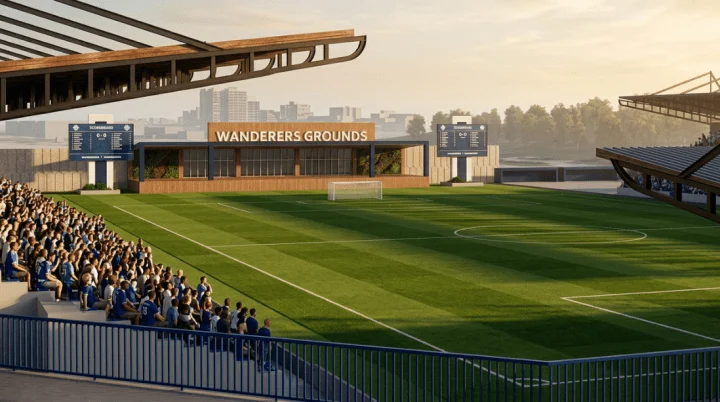
The Halifax Wanderers Football Club has decisively stepped forward with a groundbreaking proposal to construct a permanent, privately funded soccer stadium in the city, aiming to resolve years of debate over suitable infrastructure for the Canadian Premier League (CPL) team. Derek Martin, owner of the Wanderers, presented the ambitious plan to the Halifax Regional Council, outlining a $100 million investment to be entirely financed by the club, with the municipality partnering through a long-term land lease. This initiative marks a significant shift from previous discussions often centered on public funding models, offering a potentially innovative solution to a persistent urban development challenge.
The Long-Awaited Vision for a Permanent Home
Since their inception in 2019, the Halifax Wanderers have called the temporary pop-up stadium at Wanderers Grounds in downtown Halifax their home. While offering a vibrant atmosphere, this municipal-land-based facility has inherent limitations, notably lacking essential amenities such as running water, permanent grandstands, and year-round operational capabilities. This temporary setup has underscored the urgent need for a dedicated, modern venue befitting a professional sports franchise and its growing fan base. The club’s current arrangement, while functional, falls short of the standards expected for a CPL team, impacting everything from player facilities to fan comfort and potential revenue streams.
"What I’ve seen over the last 10 years of working on this project is coming up with that type of money is going to be incredibly difficult for HRM right now, so we’ve come up with a solution that we think can work," Martin explained to reporters following Tuesday’s council meeting. His statement reflects a pragmatic approach to overcoming the financial hurdles that have historically plagued large-scale infrastructure projects in the region, particularly those involving public funds. The Wanderers’ owner emphasizes that this private funding model could unlock the stadium project without burdening municipal coffers, thereby addressing a primary concern that has stalled previous initiatives.
A Decade of Discussion and the Genesis of a Solution
The quest for a permanent soccer stadium in Halifax is not a new narrative. For over a decade, discussions, proposals, and public debates have swirled around the topic, often reaching impasses due to funding complexities, site selection challenges, and competing community interests. Various iterations of stadium plans have been explored, but none garnered sufficient consensus or financial viability to move forward decisively. The Wanderers’ entry into the CPL in 2019 intensified this need, as the league itself has ambitious plans for growth and professionalization, requiring its clubs to operate from modern, well-equipped venues.
The CPL, established in 2019, represents Canada’s top-tier professional soccer league. Its mandate includes fostering Canadian talent and building a robust football culture across the country. For clubs like the Wanderers, a permanent stadium is not merely a convenience but a strategic imperative for long-term sustainability, brand building, and attracting top-tier players and coaching staff. Without a dedicated home, clubs face limitations in revenue generation, facility development for youth academies, and the ability to host a wider array of events beyond league matches. The current pop-up stadium, while fostering an initial passionate fan base, cannot provide the comprehensive infrastructure needed for a professional sports organization to thrive and expand its community engagement year-round.

The Comprehensive Proposal: More Than Just a Stadium
Martin’s detailed proposal reimagines the Wanderers Block, the current site, into a cutting-edge, year-round sporting and community hub. The centerpiece would be a permanent stadium capable of hosting professional soccer matches, with the innovative possibility of incorporating a winter bubble dome. This dome would allow for continuous sporting and community activities during colder months, significantly extending the facility’s utility and revenue potential beyond the traditional outdoor sports season. Such an addition would be transformative for sports development in the region, providing much-needed indoor space for training, local leagues, and community events during Halifax’s long winters.
Beyond the main pitch, the plan includes a 650-space underground parking facility. This component addresses critical urban planning concerns, particularly parking availability in a bustling downtown area. Crucially, the parking area is envisioned to serve a dual purpose, also catering to visitors of the nearby QEII Health Sciences Centre, a major healthcare institution. This multi-use approach demonstrates an effort to integrate the stadium complex into the broader urban fabric and provide tangible benefits beyond sports.
The proposal also thoughtfully incorporates existing community groups, aiming to mitigate potential displacement and foster collaborative land use. It includes provisions for extra space for the Halifax Lancers, a long-standing horse riding school, and a new lawn bowling green. This integration reflects an understanding of the Wanderers Grounds’ historical use as a community recreational area and an attempt to ensure various stakeholders continue to benefit from the site.
Complementing the downtown stadium development, the proposal extends to Dartmouth with a plan for a community sports hub at Maybank Field. This hub would feature expanded facilities for soccer and other community sports, addressing a broader need for athletic infrastructure across the Halifax Regional Municipality (HRM). This two-pronged approach underscores the Wanderers’ commitment to not only their professional team but also to the wider development of sports at the grassroots level, providing accessible, modern facilities for youth and amateur athletes. "I think we’ve done the best we can to find a solution that satisfies as many stakeholders as we can without it ever being perfect for anyone," Martin remarked, acknowledging the inherent complexities of such a large-scale, multi-faceted project.
Financial Structure and Municipal Partnership
The financial framework of the proposal is its most distinguishing feature: a $100 million project entirely privately funded by the Halifax Wanderers. This commitment of private capital is a significant departure from conventional models where public funds, grants, or significant municipal investments are typically sought for stadium construction. The Wanderers’ willingness to shoulder the financial burden directly addresses one of the primary roadblocks that have hindered previous stadium plans in Halifax.
While the funding is private, the HRM would remain a crucial partner through a 99-year lease on the municipal land. This long-term lease agreement signifies a substantial municipal contribution in the form of land use, effectively allowing the Wanderers to develop a permanent asset on public property. The intricacies of this lease — including potential revenue sharing, land use restrictions, and renewal clauses — will be critical points of negotiation and public scrutiny. This model presents a unique public-private partnership, where the municipality retains ownership of the land while leveraging private investment for community infrastructure.

Initial Reactions from Council and Stakeholders
The Halifax Regional Council’s initial reaction to the proposal was largely positive, albeit with a healthy degree of caution. Many council members expressed tentative excitement, recognizing the potential benefits of a privately funded infrastructure project. Halifax Mayor Andy Fillmore articulated a sentiment shared by many, stating, "Now, I’ve been saying very plainly for quite a while that we need to seek partners in our large infrastructure and capital projects. And so that’s what the proponent in this case has done." His comments highlight the council’s ongoing challenge in financing major capital endeavors and the appeal of private sector involvement.
Coun. Tony Mancini echoed this sentiment, describing the proposal as a "creative approach." He elaborated, "Our normal approach is not working anymore because of a variety of different reasons. We need to be more creative. Here’s a creative approach in front of us. I think it’s worthy of the conversation." This perspective acknowledges the limitations of traditional public funding models and the necessity for innovative solutions in the current economic climate.
However, the proposal was not met without reservations. Deputy Mayor Patty Cuttell voiced concerns regarding the implications of private investment on public land. "When we do it this way and when it’s privately owned, we lose that municipal opportunity. I think there’s a lot more to consider," she stated. Her comment underscores the debate around public assets and the potential for losing municipal control or future revenue streams when long-term leases are granted to private entities. This concern points to the need for robust legal and financial frameworks to protect public interest within such agreements.
Another significant point of contention was the proposed timeline, with the initial plan calling for groundbreaking in January 2027. Some council members expressed apprehension about the ambitious schedule, suggesting that thorough due diligence and public consultation processes might require more time.
Angie Holt, Executive Director and Head Coach with the Halifax Lancers, whose organization shares the Wanderers Grounds, confirmed that they have been consulted and are keenly following the project’s progression. "We’ve been living in the state of uncertainty for a long time now, but I do think that due process is absolutely necessary and we have to make sure this is something that actually is going to work for everybody," Holt emphasized. Her remarks highlight the importance of ensuring the project benefits all community stakeholders and proceeds through a transparent and inclusive process.
Ultimately, a motion for a staff report for HRM to consider the proposal’s implications passed overwhelmingly by a margin of 15-1, signaling the council’s willingness to delve deeper into the specifics of the Wanderers’ plan. This staff report will be crucial in evaluating the financial, legal, urban planning, and community impacts of the proposal, providing council with a comprehensive analysis before any final decisions are made.

Broader Impact and Future Implications
The Halifax Wanderers’ proposal, if realized, could have far-reaching implications for sports, urban development, and economic growth in the region. Economically, a $100 million construction project would generate significant employment, both directly in construction and indirectly through related industries. Once operational, a permanent, year-round stadium would create new permanent jobs in facility management, hospitality, security, and event coordination. The enhanced venue would also attract more visitors, boosting local tourism, supporting hotels, restaurants, and other small businesses in downtown Halifax. Hosting larger events, such as international soccer friendlies, concerts, or festivals, could further amplify this economic ripple effect, positioning Halifax as a premier destination for entertainment and sports.
From an urban planning perspective, the project presents a complex yet exciting opportunity. The integration of underground parking, multi-use community spaces, and considerations for existing organizations demonstrates a progressive approach to land utilization in a dense urban core. However, urban planners will need to carefully assess potential impacts on traffic flow, public transportation, and surrounding residential areas. The long-term lease of public land to a private entity also sets a precedent, requiring careful consideration of municipal oversight, community access, and future development rights.
For sports development, the impact would be transformative. A stable, modern home would provide the Halifax Wanderers FC with the infrastructure necessary for sustained success in the CPL, allowing them to attract better talent and expand their community outreach programs. The proposed community sports hub at Maybank Field in Dartmouth would be a boon for youth soccer and amateur sports, providing state-of-the-art facilities that could foster a new generation of athletes. This holistic approach to sports infrastructure, catering to both professional and grassroots levels, is vital for cultivating a vibrant sporting culture in Nova Scotia.
The innovative private funding model could also serve as a blueprint for other municipalities grappling with infrastructure needs and limited public funds. It highlights a potential shift towards greater private sector involvement in projects traditionally dependent on government financing. However, the balance between private investment and public benefit, especially concerning public land, will be a key area of focus moving forward.
As the HRM staff now embark on a detailed review, the coming months will be critical for public consultations, financial scrutiny, and a thorough evaluation of the proposal’s benefits and challenges. The Halifax Wanderers’ bold vision has undoubtedly ignited a renewed conversation about the future of sports and community infrastructure in the city, holding the promise of a significant leap forward for Halifax.