admin
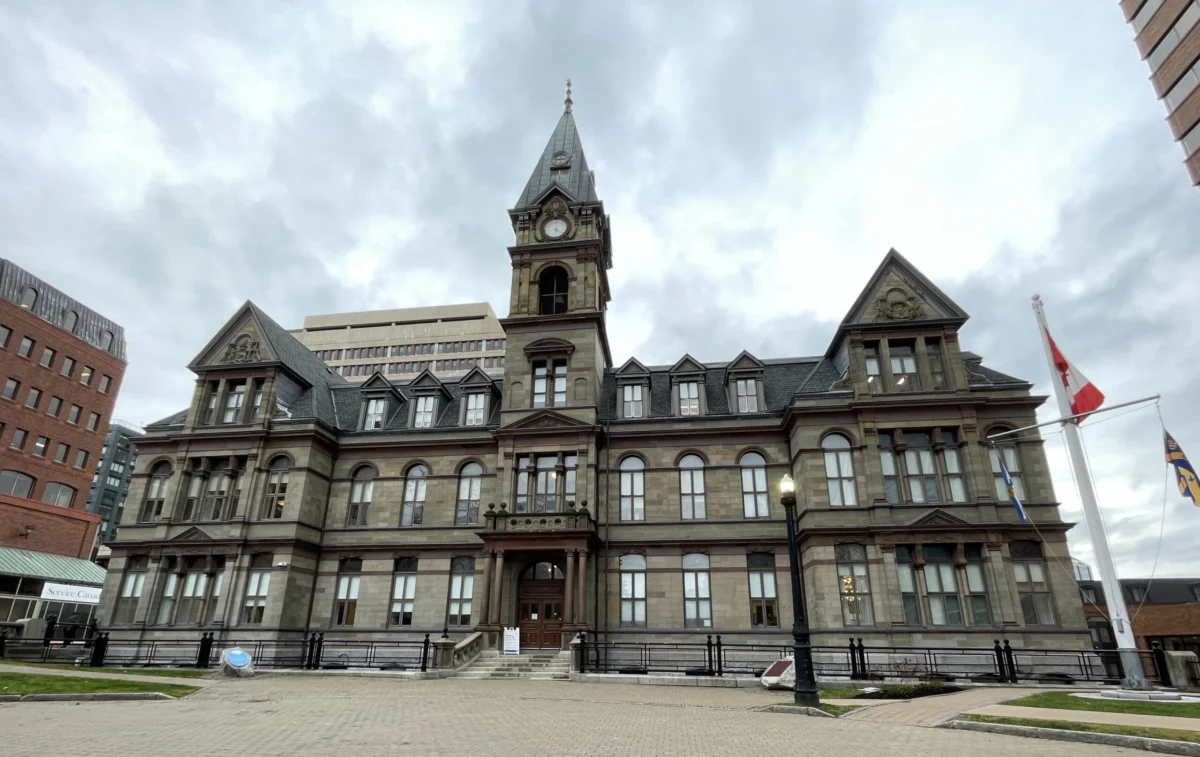
Halifax Regional Council has commenced its critical budget deliberations for the upcoming fiscal year, confronting the formidable challenge of reconciling escalating operational costs with the paramount need for affordability for its residents. The initial projections presented by municipal staff indicate a potential 6.8 percent increase in property taxes, a figure that has immediately sparked intense debate and a decisive intervention from Mayor Andy Fillmore aimed at significantly lowering the burden on homeowners.
The Current Fiscal Landscape: A Challenging Outlook
The municipality’s Chief Administrative Officer (CAO), Marnie Cluckie, opened the deliberations by acknowledging the palpable economic pressures facing the community. "This is the beginning, and we know that many residents are already feeling the pressure of higher costs and that they’re watching what this could mean for their household budgets," Cluckie stated, underscoring that "affordability matters in the decisions ahead." This sentiment sets the tone for a budget season expected to be one of the most contentious in recent memory, echoing the "tense budget session last winter" alluded to in initial reports.
The projected 6.8 percent property tax hike stems from a confluence of factors, primarily attributed to rising compensation and wage demands, coupled with persistent inflationary pressures that continue to impact the cost of goods and services required for municipal operations. These factors translate into increased expenses across virtually all departmental budgets, from public safety and infrastructure maintenance to administrative functions and community programming. For an average residential property assessed at, for instance, $350,000, a 6.8 percent increase could mean an additional $160 to $200 annually on their tax bill, depending on the current tax rate, adding to the cumulative financial strain on households already grappling with soaring housing costs and everyday expenses.
Mayor Fillmore’s Intervention: A Push for Prudence
In a strategic move to temper the proposed tax increase, Mayor Andy Fillmore introduced a significant amendment during Tuesday’s budget committee meeting. His proposal directs municipal staff to identify further efficiencies and cost reductions with the explicit goal of lowering the projected property tax increase to 5.4 percent. This target represents an ambitious quest to shave approximately $12 million from the proposed budget, a substantial sum that will require meticulous scrutiny of existing expenditures.
"I think [the move] sends an important signal to residents that we’re serious about protecting them and keeping life affordable in HRM," Mayor Fillmore articulated, emphasizing his commitment to fiscal prudence in an era of heightened economic anxiety. The amendment specifically tasks staff with exploring reductions in several key areas: consulting and contract services, staffing and vacancies, grant funding, and other council-approved initiatives. These areas are often targeted in budget exercises as they can offer flexibility without immediately impacting frontline services, though they are not without their own sets of implications.
The mayor’s directive highlights a political and economic tightrope walk: responding to public calls for tax relief while safeguarding essential municipal services. The specified areas for cuts suggest a focus on administrative overhead and discretionary spending rather than core operational departments like fire, police, or transit, yet even these areas contribute to the overall efficiency and effectiveness of municipal governance.
Council Reactions: Concerns Over Service Erosion
While Mayor Fillmore’s amendment garnered sufficient support to pass, it was not without significant reservations from several councillors who expressed skepticism about the feasibility and potential negative ramifications of such deep cuts. District 5 Councillor Sam Austin voiced a strong sense of déjà vu, implying that previous budget cycles have already squeezed out most available efficiencies. "We absolutely rooted through every inch of that couch, digging out all the change we could, and tossed everything that we considered not mission critical over the side," Austin contended, adding, "We took every user fee increase we could." His statement suggests that the municipality may already be operating leanly, making further substantial cuts difficult without impacting service levels.
District 11 Councillor Patty Cuttell echoed these concerns, linking budget reductions to the municipality’s robust growth trajectory. "When I look at the growth we’re experiencing, my concern about going below the rate of inflation means that there’s going to have to be give somewhere," Cuttell warned. Her argument points to the fact that a growing population necessitates increased investment in infrastructure, public services, and planning, and underfunding these areas could compromise the quality of life for current and future residents. Achieving the mayor’s 5.4 percent target, as confirmed by Chief Financial Officer Jerry Blackwood, would indeed require cuts totaling roughly $12 million, an amount that could have noticeable impacts if not carefully managed.

A History of Fiscal Strain: Lessons from Previous Budgets
The current budget discussions are not occurring in a vacuum. The "tense budget session last winter" serves as a crucial backdrop, likely referring to a previous period where councillors faced similar pressures to balance rising costs with taxpayer affordability. In those earlier deliberations, Halifax Regional Council may have already implemented various measures, such as modest user fee increases, deferral of non-critical capital projects, or targeted departmental efficiencies, which could explain Councillor Austin’s frustration about the limited "fat" left to trim.
Historically, HRM, like many rapidly growing urban centres, has grappled with an escalating demand for services driven by population influx, an aging infrastructure requiring significant investment, and the ongoing challenges of adapting to climate change. These long-term financial pressures mean that each budget cycle becomes an exercise in strategic prioritization, often forcing difficult choices between immediate tax relief and long-term community development. The municipality’s reliance on property taxes for a significant portion of its operating revenue makes these discussions particularly sensitive, as any substantial increase directly impacts a broad base of residents and businesses.
Understanding Halifax’s Financial Framework
To grasp the full scope of the budget challenge, it’s essential to understand HRM’s financial architecture. Property taxes constitute the largest single revenue stream, typically accounting for over 70-80% of the operating budget. Other significant revenue sources include user fees for services like water and waste management, permits, transit fares, and provincial transfers for specific programs or shared services.
On the expenditure side, major categories include public safety (police, fire, emergency services), transportation (roads, transit, active transportation), environmental services (waste management, wastewater treatment), parks and recreation, planning and development, and general government administration. Wage and benefits for municipal employees represent a substantial portion of the operating budget, often 50% or more, making them a primary driver of cost increases, particularly in an inflationary environment where collective bargaining agreements seek to keep pace with the cost of living. For instance, if HRM’s total operating budget is in the range of $1 billion, a $12 million cut represents a little over 1% of the total budget, which is a considerable amount to find without impacting service delivery.

The Broader Economic Context: Inflation and Cost of Living
The municipal budget deliberations are inextricably linked to the broader economic climate. Canada, including Nova Scotia, has experienced a sustained period of elevated inflation. While the national inflation rate has seen some moderation, it remains higher than historical averages, impacting everything from fuel prices for municipal vehicles to construction materials for infrastructure projects and the cost of living for residents. This directly fuels demands for higher wages for municipal employees, creating a cyclical pressure on the budget.
Halifax, in particular, has seen rapid population growth in recent years, placing immense pressure on housing affordability. The average price of a home in HRM has risen dramatically, and rental costs have soared, making the region increasingly challenging for many residents. In this context, any increase in property taxes, even a seemingly modest one, is acutely felt by homeowners and, indirectly, by renters through increased landlord costs. The average household income in Halifax, while growing, often struggles to keep pace with the exponential rise in living expenses, intensifying the public’s scrutiny of government spending.
Impact on Residents and Services: A Delicate Balance
The difference between a 6.8 percent and a 5.4 percent property tax increase, while seemingly small, can be significant for individual households and collectively for the municipal treasury. For the average homeowner, the mayor’s target could translate to saving approximately $30-50 annually. While this might appear modest, for households on fixed incomes or those struggling with the overall cost of living, every dollar counts.
However, the implications of finding $12 million in cuts are far-reaching. Targeting "consulting and contract services" could mean delaying or foregoing specialized expertise needed for complex projects, potentially impacting the efficiency or quality of municipal planning and development. Reductions in "staffing and vacancies" could lead to increased workloads for existing employees, slower service delivery, or a reduction in the scope of certain programs. For example, delaying the hiring of new recreation staff could limit community programming, or not filling a vacant permit processing position could slow down construction approvals.

Cutting "grant funding" could severely impact local community organizations, non-profits, and cultural groups that rely on municipal support to deliver vital services, from youth programs to arts initiatives and social support networks. These organizations often provide services that complement or fill gaps in municipal offerings, and their diminished capacity could indirectly increase demands on the municipality or leave residents underserved. Similarly, scaling back "other council-approved initiatives" could mean delaying or abandoning projects that have been identified as priorities by the community, such as new park developments, environmental programs, or transportation improvements. Mayor Fillmore acknowledged this tension, stating, "We need to be as focused as ever on delivering residents the services they need… All at a price that they can afford but we do need to provide those services."
Stakeholder Perspectives: Voices from the Community
The budget deliberations invariably draw strong reactions from various community stakeholders. Taxpayer advocacy groups are likely to commend Mayor Fillmore’s proactive stance, viewing his amendment as a necessary step to rein in spending and protect residents from undue financial strain. They often argue for greater fiscal discipline and a focus on core services.
Conversely, community service organizations, particularly those reliant on municipal grants, will be keenly watching for potential cuts. They are likely to express concerns that reduced funding could compromise their ability to serve vulnerable populations or deliver essential programming, potentially leading to increased social costs in the long run.
The business community often holds a nuanced view. While businesses generally appreciate efforts to control taxes, which can impact their operational costs and the affordability of the city for their employees, they also rely heavily on robust municipal infrastructure and efficient services. Delays in infrastructure projects or a decline in service quality could negatively affect the business environment.
Residents themselves are often divided. Many will welcome the prospect of a lower property tax increase, especially given current economic pressures. However, others, particularly those who value specific municipal programs or services, might express apprehension that cost-cutting measures could lead to a deterioration in the quality of life or a reduction in the amenities that make Halifax an attractive place to live. Public input sessions, which are typically part of the budget process, are expected to reflect this diverse range of opinions and priorities.

The Budget Deliberation Process: A Multi-Stage Journey
The current budget committee meeting marks just one stage in a comprehensive and often lengthy process. Typically, the HRM budget cycle begins with staff presentations outlining initial projections and departmental requests. This is followed by a series of committee meetings where councillors delve into specific budget lines, departmental presentations, and potential amendments. Public engagement is a crucial component, with opportunities for residents and stakeholders to provide input, often through online surveys, written submissions, and public hearings.
Following these initial deliberations and amendments, staff are directed to refine the budget based on council’s feedback. This iterative process allows for adjustments and a deeper exploration of cost-saving measures or revenue-generating opportunities. The final budget document then goes to the full Regional Council for a series of readings and a final vote, usually in late spring or early summer, after which the new property tax rates are officially set. The timeline for this year’s budget, with deliberations starting in November 2026 for the 2027/28 fiscal year, indicates an early start, perhaps reflecting the complexity and anticipated challenges of this budget cycle.
Looking Ahead: The Road to Final Approval
Mayor Fillmore’s amendments and the overall motion to further develop the 2027/28 Budget have passed, meaning municipal staff are now tasked with the challenging assignment of identifying specific options for the $12 million in reductions. They will be required to return to the budget committee at a future date, likely early in the new year, with detailed proposals on how to achieve the 5.4 percent property tax increase target without compromising the essential services that residents expect and rely upon.
The coming months will be critical, as council and staff navigate the delicate balance between fiscal responsibility, economic realities, and the community’s diverse needs. The outcome will not only determine the property tax rate for the next fiscal year but also shape the quality and scope of municipal services in Halifax, impacting every resident and business within the growing region. The fundamental question remains: can the municipality find the necessary efficiencies without sacrificing the very services that underpin the city’s vitality and livability?