admin
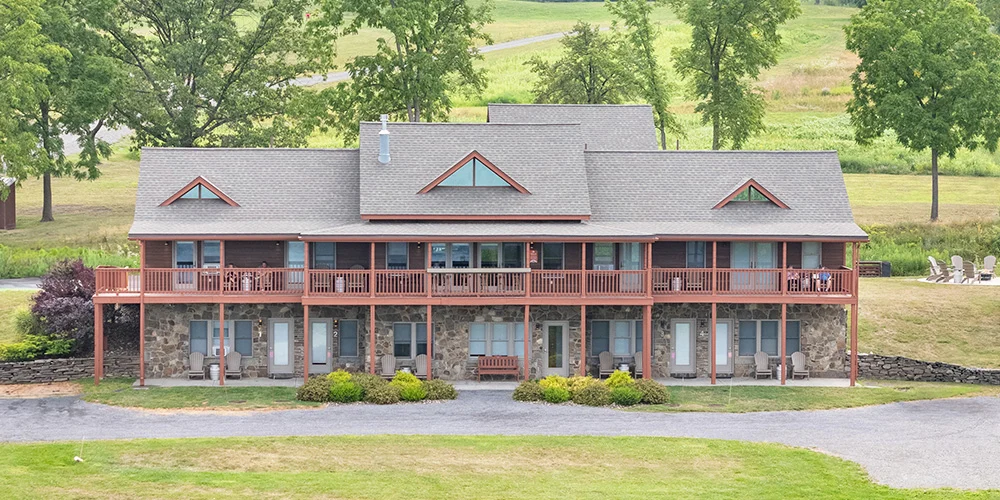
Across the United States, a significant shift in the craft brewing industry is transforming the traditional taproom model into a comprehensive hospitality experience. As the craft beer market matures, brewers are increasingly diversifying their revenue streams by repurposing historic barns, mid-century bungalows, and landmark buildings into boutique accommodations. These "brewery stays" represent a new frontier in beer tourism, where the objective is no longer merely to sell a pint or a growler, but to offer a multi-day immersion into a brand’s ethos. From the rugged cliffs of the Columbia River Gorge to the alpine slopes of Vermont and the lakeside vistas of the Finger Lakes, these destinations are catering to a demographic of "beer travelers" who prioritize slow travel, authentic storytelling, and local connection.
The Strategic Shift Toward Experience-Based Tourism
The evolution of beer tourism mirrors broader trends in the global travel industry, specifically the rise of the "experience economy." According to data from the Brewers Association, the non-profit trade group representing small and independent U.S. brewers, craft beer contributed over $72 billion to the U.S. economy in recent years. However, as the number of operating breweries exceeds 9,500, competition for consumer attention has intensified. Industry analysts suggest that overnight accommodations provide a "storytelling platform" that traditional retail environments cannot replicate. By offering lodging, breweries create a closed-loop ecosystem where design, hospitality, and product quality converge to build long-term brand loyalty.
This transition from a service-based model to an experience-based model allows breweries to capture a larger share of the traveler’s wallet while mitigating the volatility of wholesale distribution. For the consumer, the "beercation" offers a curated alternative to generic hotel chains, providing direct access to the production process and the people behind the labels.
Pacific Northwest Cabin Culture: Backwoods Brewing Company
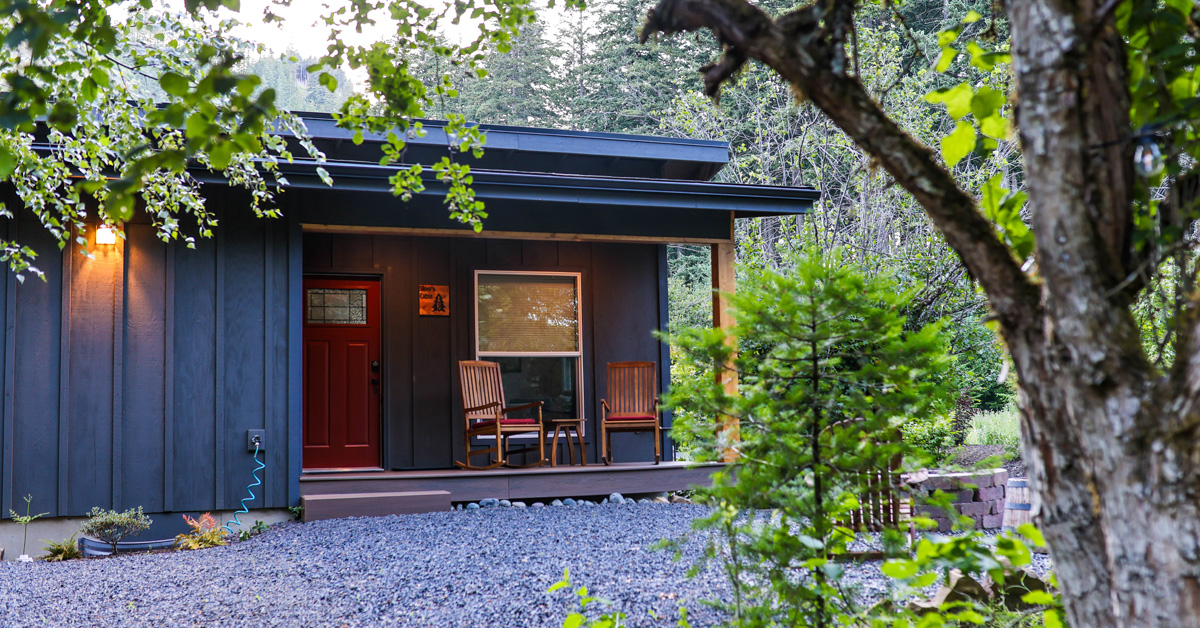
In Carson, Washington, the Waters family has demonstrated how location and lodging can synergize to create a premier destination. Located approximately one hour from Portland, Oregon, Backwoods Brewing Company has long been a staple of the Columbia River Gorge. Recognizing the region’s appeal for outdoor enthusiasts, the brewery expanded its footprint with the launch of Backwoods Cabins. This initiative was born from the observation that visitors were already seeking a slower pace of life in the Gorge but lacked integrated lodging options that matched the brewery’s aesthetic.
"People already come out here to slow down—what if they could stay the night too?" says Steve Waters, CEO of Backwoods Brewing. The expansion involved the construction of eight luxury-leaning cabins, each meticulously themed to reflect the local environment, such as the Hiker’s, Kayaker’s, and Stargazer’s cabins. The architectural approach blends "PNW cabin-core" with high-end comfort, featuring gas fireplaces, leather armchairs, and 600-thread-count linens.
To ensure the beer remains central to the stay, the brewery offers "beer-to-room" add-ons, allowing guests to have a curated selection of current releases waiting upon arrival. The taproom serves as the social hub for the property, featuring a diverse lineup including the Party Acres Hazy IPA and the Ridge Run Oatmeal Stout. This model demonstrates how breweries can leverage their geographic setting to create a specialized retreat that appeals to both beer aficionados and general tourists.
Alpine Heritage and Lager Tradition: The von Trapp Family Lodge
While many breweries are adding lodging as a secondary expansion, the von Trapp Family Lodge in Stowe, Vermont, represents a unique historical integration of hospitality and brewing. Founded by the family made famous by The Sound of Music, the 2,600-acre estate has evolved into a world-class destination for European-style lagers. Johannes von Trapp established the brewery on-site with the specific intent of recreating the crisp, refreshing lagers common in his ancestral home.
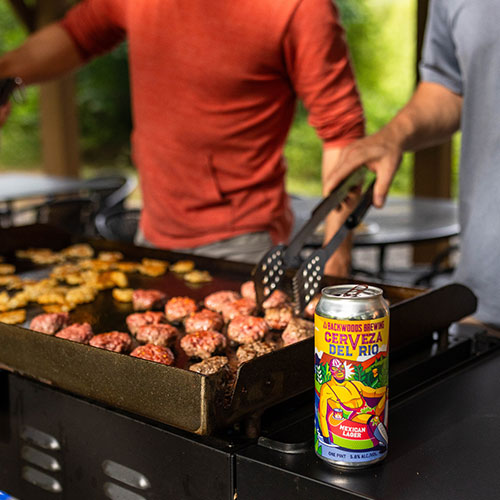
The lodge’s operations are deeply rooted in the concept of "terroir." The brewery utilizes natural spring water sourced directly from the property’s land, a technical detail that Emily Provost, brewery marketing manager, notes is essential to the precision of their Helles, Kölsch, and Oktoberfest styles. The guest experience is fully immersive, combining Austrian-inspired cuisine—such as house-made bratwurst and schnitzel—with guided brewery tours and outdoor activities led by family members. By linking the beer directly to the history and the physical land of the estate, the von Trapp family has created a model of beer tourism that functions as a cultural preservation project as much as a commercial enterprise.
The Lodging-First Model: Grist Iron Brewing
In the Finger Lakes region of New York, Grist Iron Brewing in Watkins Glen took a reverse approach to the trend. Rather than adding rooms to an existing brewery, the owners acquired a property that already featured lodging, allowing them to build the brewery around an established hospitality infrastructure. The Lodge at Grist Iron now serves as a central pillar of the brand, offering rooms characterized by rustic-modern design and black-and-white brewing murals.
A notable feature of the Grist Iron experience is the inclusion of "shower beer" ledges in every bathroom—a deliberate, brand-focused design choice that acknowledges and celebrates a specific niche of beer culture. This attention to detail extends to the "Beer Mountain" expansion, which includes a disc golf course and a dog park with a "Woof Top" bar. Emily Knowlden, social media and marketing coordinator, emphasizes that this comprehensive approach encourages guests to "linger longer" and engage more deeply with the staff, effectively turning customers into brand ambassadors.
Adaptive Reuse and the Preservation of Local History
A significant subset of the brewery-hotel trend involves the adaptive reuse of historic structures. McMenamins, operating in Oregon and Washington, has pioneered this approach for decades. The company specializes in transforming defunct schools, churches, and masonic lodges into eclectic hospitality hubs. By preserving the original architecture and integrating original artwork and "secret" bars, McMenamins creates a sense of discovery that modern builds often lack.
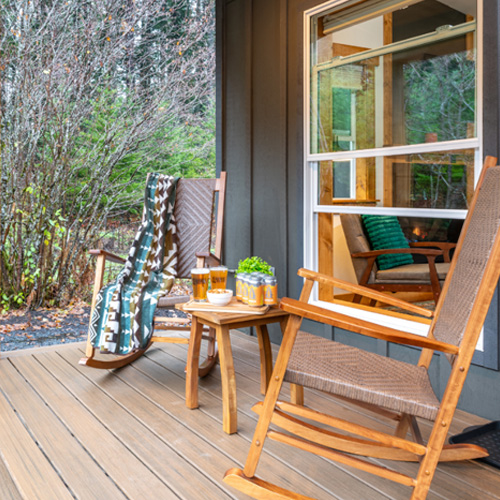
Similarly, in Mineral Point, Wisconsin, the Commerce Street Brewery Hotel occupies a historic district, offering a European-style brewpub experience with five rooms and adjacent cottages. This model of historic preservation provides a dual benefit: it revitalizes underutilized urban and rural infrastructure while providing a unique, non-standardized lodging experience for travelers.
Branding through Interior Design: The Brewhalla Crash Pad
In Fargo, North Dakota, Drekker Brewing has pushed the boundaries of brand-centric lodging with "The Brewhalla Crash Pad." In this boutique hotel, each room is themed after a specific Drekker beer. For example, the "Mind Bullets" suite—named after the brewery’s sour IPA—features psychedelic murals, exposed industrial ductwork, and polished concrete floors that mirror the aesthetic of the beer’s packaging.
This level of hyper-branding targets a younger, social-media-savvy demographic that values "Instagrammable" environments. By turning their liquid product into a physical space, Drekker has created a 24-hour brand experience that extends far beyond the final pour of the evening.
Economic and Industry Implications
The growth of brewery-owned lodging has several implications for the broader hospitality and craft beer sectors:
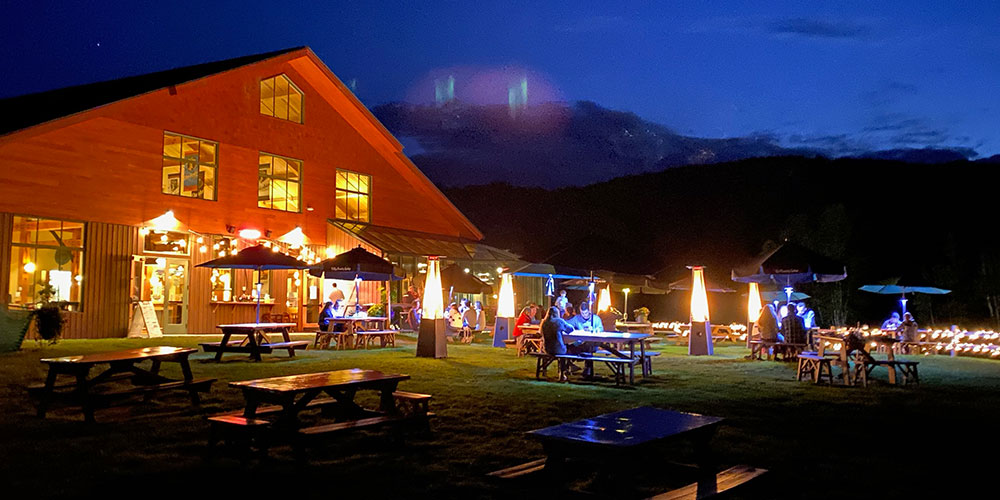
- Revenue Diversification: With draft sales in flux and the shelf space in retail outlets becoming increasingly crowded, on-site lodging provides a high-margin revenue stream that is less dependent on third-party distributors.
- Tourism Development: Small towns that may not have the infrastructure to support large hotel chains are finding that "brewery destinations" can serve as anchor tenants for local tourism, drawing visitors who then spend money at other local businesses.
- Consumer Loyalty: The "stay-and-play" model fosters a deeper emotional connection between the consumer and the producer. A guest who spends 48 hours on a brewery’s grounds is statistically more likely to seek out that brand’s products once they return home.
- Market Maturation: The shift toward luxury and boutique accommodations suggests that the craft beer demographic is aging and gaining more disposable income, moving away from the "tasting room stool" toward "high-thread-count sheets."
Chronology of the Craft Beer Hospitality Movement
The timeline of this movement shows a clear trajectory from simple tours to complex resorts:
- 1980s-1990s: The "First Wave" of brewpubs focuses on the combination of food and beer. McMenamins begins its first adaptive reuse projects.
- 2000s-2010s: The "Second Wave" sees a massive explosion in the number of breweries. Beer tourism begins to formalize with the creation of "beer trails" by local tourism boards.
- 2015-Present: The "Third Wave" or "Experiential Wave" emerges. Breweries begin investing heavily in onsite lodging, spas, and outdoor recreation to differentiate themselves in a saturated market.
Future Outlook
As the hospitality industry continues to recover and evolve in the post-pandemic era, the intersection of craft beer and boutique lodging is expected to expand. Industry analysts predict that more breweries will seek partnerships with professional hospitality management firms to scale their lodging operations while maintaining their focus on beer production. Furthermore, the trend toward "wellness beer tourism"—incorporating yoga, hiking, and spa treatments—is likely to grow as breweries aim to appeal to health-conscious travelers.
In conclusion, the transformation of breweries into boutique hotels is more than a novelty; it is a strategic response to a maturing market and a shift in consumer behavior. By offering a place to sleep just steps from the fermentation tanks, brewers are ensuring that their story is heard, their brand is felt, and their beer is enjoyed in the most immersive environment possible. For the modern traveler, the "beercation" represents the perfect marriage of local craft, historic preservation, and high-end hospitality.