admin
admin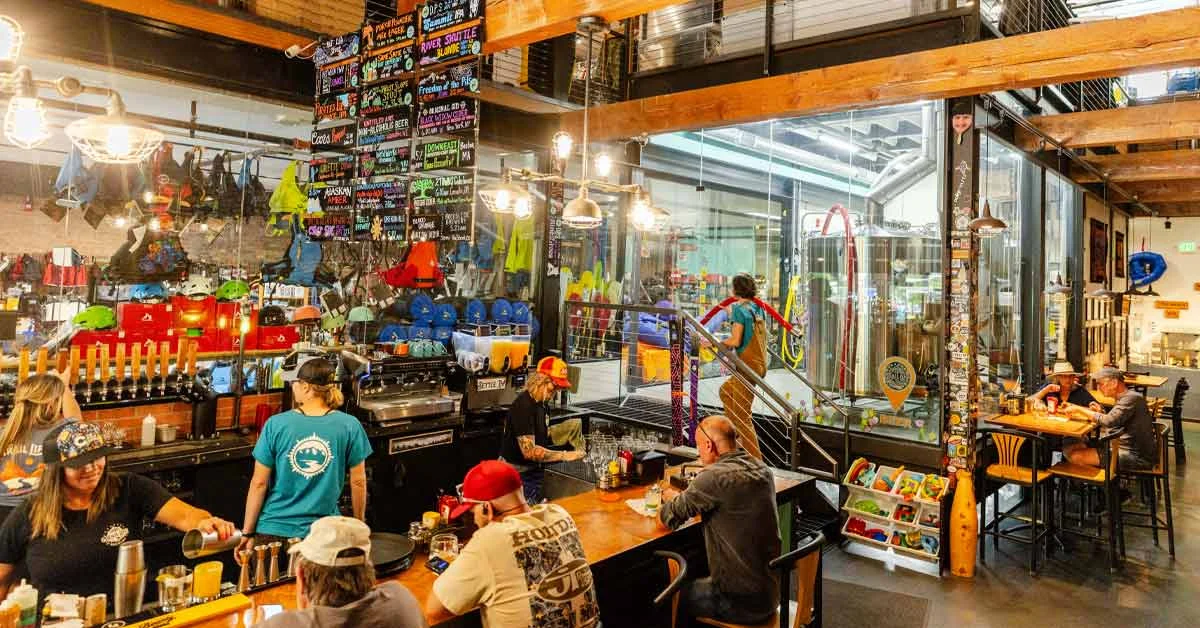
Grand Junction, Colorado, located on the state’s Western Slope, is currently experiencing a transformative period as a destination that balances world-class natural landscapes with a rapidly maturing craft beer industry. Despite the presence of the Colorado National Monument—a sprawling expanse of red rock canyons, towering monoliths, and sheer plateaus—the region remains remarkably free of the heavy tourist congestion typically associated with Colorado’s Front Range or iconic national parks like Zion and the Grand Canyon. This lack of crowding, paired with a sophisticated brewing scene, has positioned Grand Junction as a unique "undiscovered" hub for travelers seeking both serenity and high-quality artisanal beverages.
The Geographical and Historical Context of Grand Junction
Grand Junction derives its name from its location at the confluence of two major waterways: the Gunnison River and the Colorado River. Historically, the Colorado River was known as the Grand River, leading to the city’s naming upon its founding in the late 19th century. This geographic positioning has dictated the city’s development for over 140 years, transitioning from a vital agricultural and railroad hub into a center for outdoor recreation.
The city is surrounded by three distinct and diverse natural landscapes that contribute to its "unrivaled beauty." To the west lies the Colorado National Monument, often described as a "miniature Grand Canyon" but with a fraction of the visitation. To the north, the Book Cliffs provide a stark, desert backdrop, while to the south and east, the Grand Mesa stands as the largest flat-top mountain in the world. Spanning approximately 500 square miles and rising to over 11,000 feet, the Grand Mesa contains more than 300 lakes and provides a stark alpine contrast to the desert floor of the Grand Valley. Furthermore, the nearby Rattlesnake Arches contain one of the highest concentrations of natural stone arches in the world, surpassed only by Arches National Park in Utah.
The Evolution of the Grand Junction Brewing Industry
While Denver and Fort Collins have long been recognized as the epicenters of Colorado’s craft beer movement, the Western Slope has quietly cultivated a scene that reflects its rugged, adventurous population. The chronology of brewing in Grand Junction began in earnest in 1994 with the opening of The Rockslide Brew Pub. As one of the "original gangsters" of the local craft scene, Rockslide established a precedent for community-focused brewpubs in the downtown area.
For nearly two decades, the scene grew slowly, but the last ten years have seen an acceleration in both the number of establishments and the technical sophistication of the beer produced. This growth is intrinsically linked to the "outdoor enthusiast" demographic. In Grand Junction, the culture of mountain biking, hiking, and river rafting is inseparable from the culture of craft beer. This synergy has led to a business model where breweries are often physically or culturally attached to outdoor gear shops and trailheads.
Detailed Analysis of Key Brewing Establishments
The modern era of Grand Junction brewing is defined by a commitment to variety and technical excellence. The following establishments represent the pillars of the current scene:
Ramblebine Brewing Company
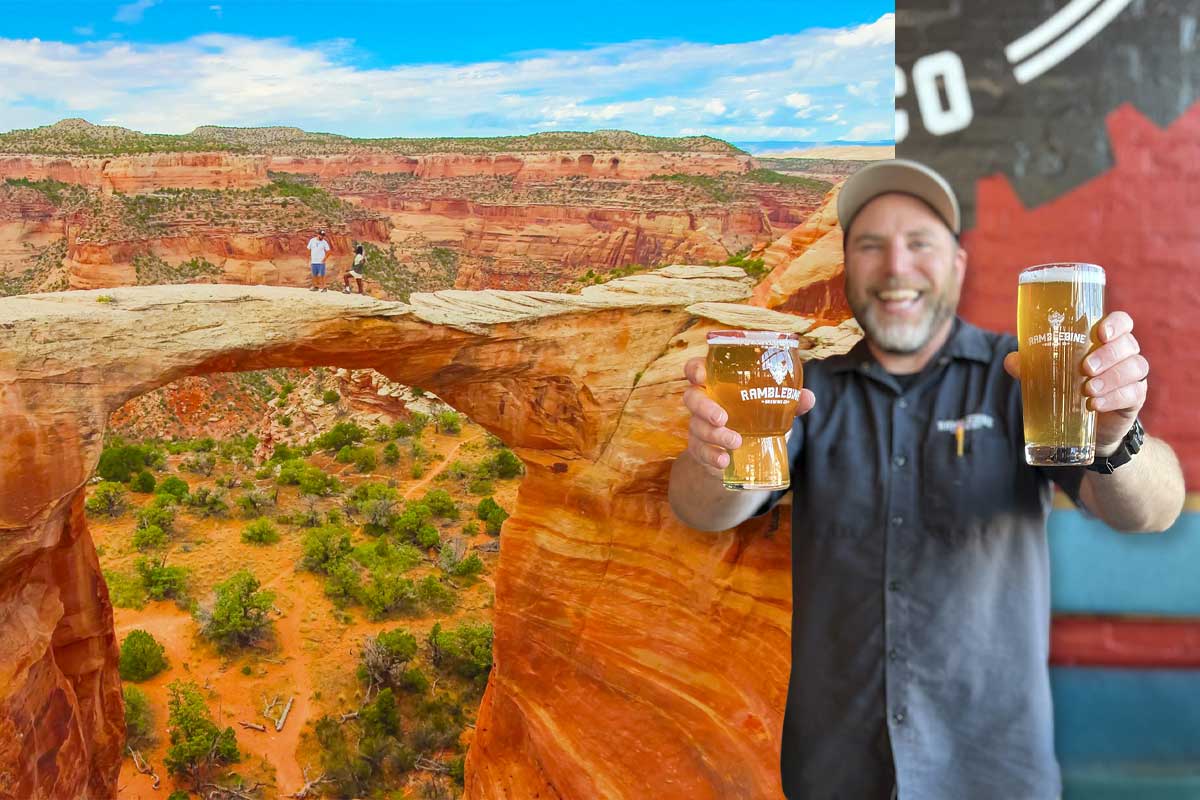
Opened in 2020, Ramblebine Brewing Company represents the "new wave" of Western Slope brewing. Founded by Eli Gerson and Rob James, the brewery quickly gained a reputation for experimental styles that go beyond standard IPAs. A notable example is their "God Hammer," a Norwegian red ale fermented with Kveik yeast. Kveik, a traditional Norwegian farmhouse yeast, allows for high-temperature fermentation without the development of "off-flavors," resulting in a unique ester profile that has become a flagship for the brewery. Their portfolio also includes tart blueberry sours, well-balanced West Coast IPAs, and barrel-aged stouts, reflecting a high level of versatility.
Trail Life Brewing
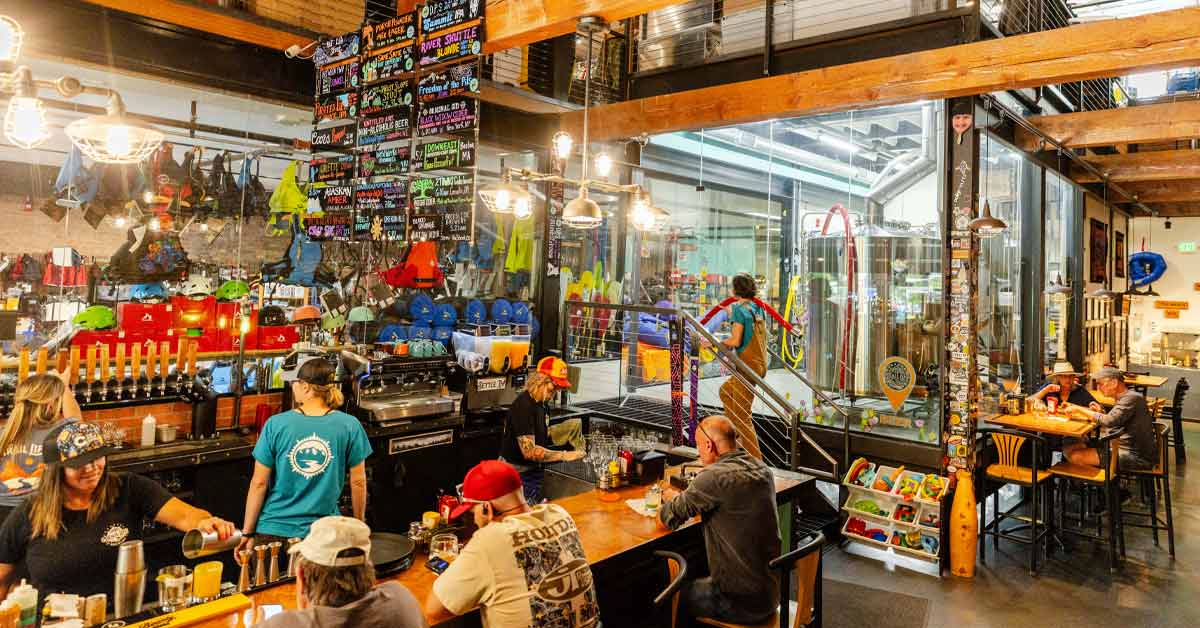
Trail Life Brewing serves as the quintessential example of Grand Junction’s "bike and brew" culture. Physically attached to a mountain bike shop, the brewery caters directly to the "after-ride" demographic. The taproom energy is driven by patrons who have spent the day on the world-class trails of the nearby Lunch Loops or the Kokopelli Trail. Their beer list is designed for sessionability and refreshment, featuring blonde ales and Mexican-style lagers, though they also cater to enthusiasts with their Pirates Life Black IPA—a style that balances dark roasted malts with aggressive hopping.
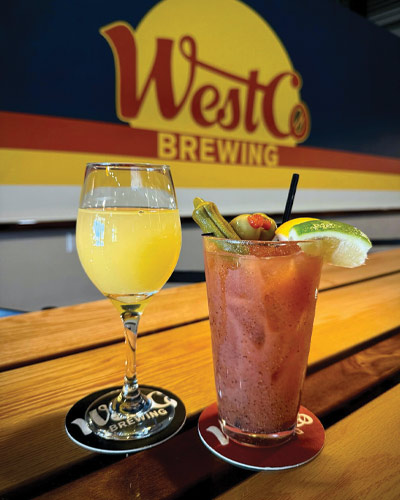
WestCo Brewing
The most recent addition to the landscape is WestCo Brewing, a collaboration between industry veterans Adam Kinsey and head brewer Danny Wilson. Located near the Amphitheater at Las Colonias Park, WestCo is strategically positioned to capture the concert-going crowd. The brewery emphasizes "flavor-forward but easy-drinking" styles, such as Japanese-style rice lagers and fruited sours.
WestCo also represents a shift toward "destination dining" within the brewery context. Rather than standard pub fare, their kitchen offers a sophisticated menu including:
- Ramen and Gyoza
- Japanese chicken curry poutine
- Katsu fried chicken
- Colorado elk sloppy joes
- Smoked trout dip
This culinary integration suggests that Grand Junction breweries are moving toward a more holistic hospitality model, aiming to compete with high-end restaurants.
Supporting Data: Tourism and Economic Impact
The growth of the craft beer scene in Grand Junction is supported by broader economic trends in Colorado. According to data from the Brewers Association, Colorado ranks among the top states in the nation for breweries per capita. In 2023, the craft brewing industry contributed over $2.4 billion to the state’s economy.
While the "Front Range" (Denver, Boulder, Fort Collins) remains the primary driver of these numbers, the "Western Slope" is seeing a higher percentage of growth in "beer tourism." Travelers are increasingly looking to avoid the "Disney-fication" of major national parks. For instance, while the Grand Canyon National Park sees approximately 4.7 million visitors annually, the Colorado National Monument sees closer to 400,000 to 600,000. This disparity provides a significant opportunity for Grand Junction to market itself as a high-value, low-stress alternative.
Industry Perspectives and Community Integration
Adam Kinsey, a prominent figure in the local scene and owner of Handlebar Tap House and WestCo Brewing, notes that the local population is almost entirely composed of outdoor participants. "I don’t think anyone lives in Grand Junction who isn’t actively involved in at least one outdoor activity," Kinsey states. This demographic reality means that breweries function less as "bars" and more as community community-gathering hubs where trail conditions, gear reviews, and excursion planning are discussed over pints.
Handlebar Tap House, for instance, maintains 24 rotating taps that serve as a curated gallery of the region’s best beers. By featuring beers from surrounding areas, Handlebar acts as an incubator for the regional scene, allowing smaller breweries to gain exposure to a wider audience of locals and tourists alike.
Broader Implications for the Region
The emergence of Grand Junction as a beer and adventure destination has several long-term implications:
- Economic Diversification: Historically dependent on the "boom and bust" cycles of the energy industry (oil and gas), the Grand Valley is successfully diversifying its economy through tourism and specialized manufacturing (such as outdoor gear).
- Infrastructure Demands: The increase in "beer tourists" and outdoor enthusiasts may necessitate further investment in hospitality infrastructure, including hotels and transport links between the downtown brewing district and the trailheads.
- Preservation vs. Promotion: As Grand Junction moves to the "top of travel lists," there is an ongoing dialogue among locals regarding how to promote the area without losing the "crowd-free" serenity that makes it special.
- Culinary Maturity: The sophisticated food programs at places like WestCo Brewing indicate that the city is evolving into a culinary destination, which could attract a different tier of traveler beyond the traditional "dirtbag" climber or biker.
Conclusion and Future Outlook
Grand Junction stands at a unique crossroads. It possesses the geological grandeur of the most famous American parks and a craft beer scene that rivals established urban centers in quality and creativity. Establishments like Ramblebine, Trail Life, and WestCo are not merely businesses; they are reflections of a local culture that prizes adventure, craftsmanship, and community.
For the craft beer enthusiast, the city offers an "embarrassment of riches" that remains, for the moment, a hidden gem. However, as the secret of the Western Slope continues to spread, Grand Junction is poised to become a central pillar of Colorado’s tourism identity, proving that a "junction" of rivers can also be a junction of world-class recreation and world-class brewing.