admin
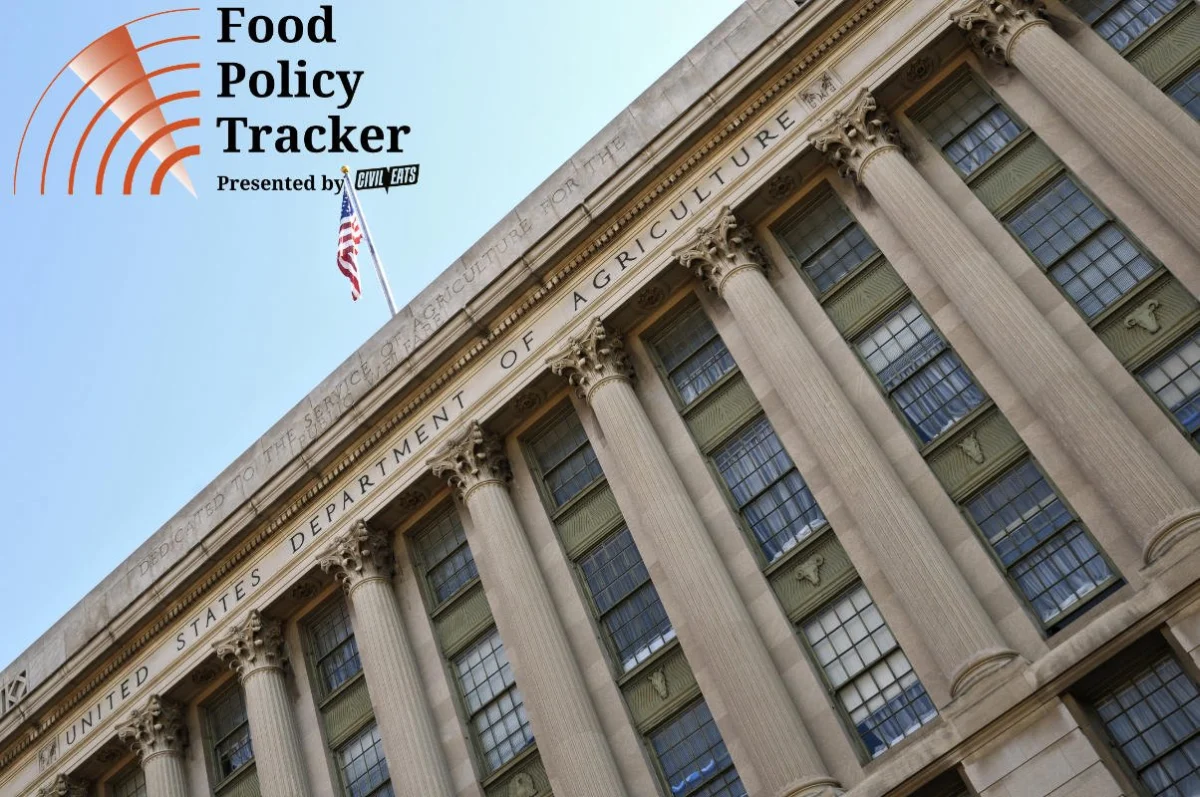
Washington D.C. – A comprehensive report released today by the independent Government Accountability Office (GAO) has critically assessed the U.S. Department of Agriculture’s (USDA) sweeping reorganization efforts, concluding that the agency has provided "little transparency" regarding the rationale and anticipated impacts of its significant departmental overhaul. The findings highlight a critical information deficit, leaving both Congress and the American public without sufficient understanding of how the reorganization might affect service delivery, economic implications, or the safeguarding of taxpayer dollars.
The GAO’s report, publicly accessible and requested by key congressional leaders, underscores a profound lack of documented analysis from the USDA preceding its ambitious restructuring. "Congress and the public do not have information on the extent to which USDA examined issues such as how the reorganization could impact service delivery, the economic effects of the reorganization, or how to safeguard taxpayers’ dollars in disposing of property through the reorganization," analysts at the GAO stated, pinpointing core areas where the USDA’s internal planning and documentation fell short of standard federal agency best practices.
Background to a Contentious Reorganization
The USDA, a vast federal agency with a budget exceeding $150 billion and a workforce of over 100,000 employees, plays a pivotal role in American life, overseeing everything from farm subsidies and food safety to nutrition programs, rural development, and forest management. Its organizational structure directly impacts millions of farmers, consumers, and rural communities nationwide. Reorganizations within federal agencies are not uncommon, often driven by shifting political priorities, technological advancements, or perceived needs for improved efficiency and effectiveness. However, such large-scale changes typically involve extensive preparatory analysis to ensure a smooth transition and minimal disruption to critical services.
The current controversy began in July 2025, when the USDA first announced its intent to undertake a major reorganization, including significant staff reductions and the relocation of employees. This initial announcement immediately drew scrutiny, prompting a wave of questions from lawmakers across the political spectrum, who sought clarification on the necessity, scope, and projected outcomes of such an extensive overhaul. Deputy Secretary of Agriculture, while defending the plan shortly after its unveiling, faced an uphill battle in assuaging concerns without robust data or detailed plans to present.
A Chronology of Mounting Concerns and Actions

The timeline of the USDA’s reorganization has been marked by escalating tension and a persistent demand for transparency:
- July 2025: Secretary of Agriculture Brooke Rollins publicly announces the USDA’s intention to initiate a major reorganization. Details regarding specific department realignments, staff impacts, and projected efficiencies remain largely undefined. The announcement immediately triggers widespread concern among employees, labor unions, and congressional oversight committees.
- Late July – August 2025: The USDA Deputy Secretary issues public statements defending the reorganization plan, emphasizing goals of streamlining operations and improving efficiency. Simultaneously, top Democrats on both the Senate and House agriculture committees, Senator Amy Klobuchar (D-Minnesota) and Representative Angie Craig (D-Minnesota), begin formally demanding more detailed information and analyses from the USDA regarding the plan’s justification and potential effects. The GAO initiates its review at their request.
- Throughout 2025-2026: The GAO repeatedly contacts the USDA, making five distinct requests—twice in 2025 and three times in 2026—for documentation related to any analytical work or strategic planning conducted prior to the July 2025 announcement. These requests specifically sought evidence of economic analyses, workforce planning, and impact assessments typically associated with such significant agency overhauls.
- Summer 2026: Despite ongoing requests for information and increasing congressional pressure, the USDA proceeds with aspects of the reorganization, including reducing staff numbers and assigning employees to new office locations. These actions lead to heightened anxiety among the USDA workforce and further criticism from labor unions, who allege that the agency is moving forward without adequate consideration for its employees or the continuity of its vital services.
- September 2026: A second lawsuit is filed against the USDA by federal employee unions, seeking to halt the reorganization efforts. These legal challenges typically cite concerns over procedural irregularities, lack of due process for employees, and the potential for negative impacts on mission-critical functions.
- October 2026: A federal judge issues a directive instructing the USDA to halt its reorganization efforts until the ongoing lawsuit brought by the unions is fully resolved. This judicial intervention marks a significant setback for the agency’s plans. However, Secretary Rollins publicly indicates that the USDA remains "undeterred" and plans to continue moving forward with reorganization steps, raising questions about the agency’s adherence to judicial orders.
- November 9, 2026: The GAO releases its highly anticipated report, confirming the absence of crucial documentation and analyses from the USDA, effectively substantiating the concerns raised by lawmakers and unions.
GAO’s Detailed Findings: A Deficit of Due Diligence
The GAO’s investigation focused on whether the USDA had conducted the standard preparatory analyses typically undertaken before major federal agency reorganizations. Such analyses are crucial for demonstrating accountability, fiscal responsibility, and strategic foresight. According to the report, these generally include:
- Economic Impact Analyses: To assess the financial costs and benefits, potential savings, and economic ripple effects of the reorganization, including impacts on local economies where offices might be closed or relocated.
- Strategic Workforce Planning: To evaluate the skills and staffing needs, potential for talent loss, employee morale impacts, and strategies for retaining essential personnel during a period of significant change. This would also address the "workforce expenses not supported by the USDA’s budget" that Secretary Rollins cited.
- Service Delivery Impact Assessments: To predict how changes in structure, staffing, and location might affect the agency’s ability to deliver its core services to stakeholders, such as farmers, ranchers, and food assistance recipients.
- Property Disposition Plans: To detail how taxpayer-funded assets, such as underutilized office spaces, would be managed or disposed of in a fiscally responsible and transparent manner.
Despite repeated, explicit requests over more than a year, the GAO report unequivocally states: "USDA did not provide documentation of such analysis." This absence of foundational planning documents represents a significant departure from standard government practices and raises serious questions about the rigor and foresight applied to the reorganization. For instance, without a clear economic analysis, it becomes difficult to justify the reorganization as a cost-saving measure, especially considering the potential costs associated with employee severance, relocation expenses, and the disruption of operations. Furthermore, the lack of strategic workforce planning can lead to critical skill gaps, reduced morale, and a brain drain of experienced federal employees, which can severely hamper an agency’s long-term effectiveness.
USDA’s Defiant Response and Justification
Prior to its public release, the GAO provided the USDA with an opportunity to review the report and offer an official response. Secretary of Agriculture Brooke Rollins’ reaction was notably sharp and dismissive. In her official response, Rollins accused the GAO of engaging in "veiled partisan shenanigans meant to maintain the status quo" and characterized the report as presenting a "politicized view" of the reorganization.
Secretary Rollins maintained that the USDA did not require the extensive analytical methods outlined by the GAO. Her justification hinged on the assertion that the need for reorganization was self-evident, based on readily available data points. She cited "underutilization of office space" and "workforce expenses that were not supported by the USDA’s budget" as sufficient evidence for the necessity of the overhaul. While these factors can indeed be legitimate drivers for organizational change, the GAO’s point is not whether the need exists, but whether the USDA performed the due diligence to document and analyze how the reorganization would specifically address these issues, what the projected outcomes would be, and how potential negative impacts would be mitigated. The absence of such documentation makes it impossible for external observers, including Congress, to verify the agency’s claims or assess the prudence of its actions.

The "underutilization of office space" argument, for instance, resonates with broader trends in federal real estate, particularly in the post-pandemic era with increased remote work. However, effective management of federal property, as overseen by agencies like the General Services Administration (GSA), still requires detailed plans for consolidation, disposal, or repurposing to ensure optimal use of taxpayer assets. Similarly, while "workforce expenses" are a constant concern in federal budgeting, a reorganization should ideally be preceded by a clear articulation of how the new structure will lead to sustainable cost savings without compromising essential services or employee welfare.
Congressional and Union Reactions: A Call for Accountability
The GAO report is expected to intensify calls for accountability from Congress. Senator Amy Klobuchar and Representative Angie Craig, who initiated the GAO review, have consistently expressed concerns that the USDA’s actions could jeopardize critical services provided to their constituents and other Americans. They are likely to leverage these findings in future oversight hearings, potentially seeking to compel the USDA to provide the missing documentation or face legislative action. The lack of transparency makes it challenging for Congress to fulfill its oversight responsibilities, including approving appropriations and ensuring that federal agencies are operating efficiently and effectively.
Federal employee unions, already engaged in legal battles with the USDA, will undoubtedly view the GAO report as strong corroboration of their claims. Their lawsuits frequently center on the argument that the USDA has violated established procedures for federal employee management, disregarded collective bargaining agreements, and failed to adequately consider the human impact of its decisions. The report’s findings—that the USDA bypassed standard planning and analysis—lend significant weight to these assertions, suggesting a disregard for processes designed to protect both employees and the public interest. The defiant stance taken by Secretary Rollins in continuing reorganization efforts despite a judge’s order further exacerbates these tensions, raising questions about executive authority and adherence to judicial directives.
Broader Implications for Government Accountability and Service Delivery
The USDA’s current situation carries significant implications that extend beyond the immediate controversy.
Firstly, the lack of transparency undermines public trust in government. When a major federal agency undertakes a significant overhaul without providing adequate justification or analysis, it fosters skepticism about the true motives and potential outcomes, eroding confidence in governmental institutions.

Secondly, the potential impact on service delivery cannot be overstated. USDA programs are vital for national food security, agricultural competitiveness, and the well-being of millions. Disruptions caused by poorly planned reorganizations, such as the loss of experienced staff or confusion over new departmental structures, could have tangible negative consequences for farmers seeking assistance, families relying on nutrition programs, or consumers dependent on food safety inspections. For example, a decrease in the number of field agents or a reallocation of their duties without proper planning could delay crucial aid to farmers during times of crisis or reduce the frequency of vital health inspections.
Thirdly, the dispute highlights the delicate balance of power between the executive branch, Congress, and the judiciary. Secretary Rollins’ defiance of a judicial order sets a potentially troubling precedent regarding an agency’s willingness to comply with legal injunctions, further complicating the oversight landscape.
Finally, the report serves as a crucial reminder of the importance of independent government watchdogs like the GAO. Their role in scrutinizing federal operations, ensuring accountability, and providing objective information to Congress and the public is indispensable for maintaining the integrity and effectiveness of the federal government.
As the legal challenges continue and congressional scrutiny intensifies, the USDA faces increasing pressure to provide a more transparent and evidence-based justification for its reorganization. The GAO report has laid bare a significant informational gap, demanding that the agency either produce the missing analyses or confront the legislative and legal consequences of its opaque decision-making process. The ultimate resolution of this dispute will likely have lasting repercussions for the USDA’s operations, its workforce, and the broader principles of federal government accountability.