admin
admin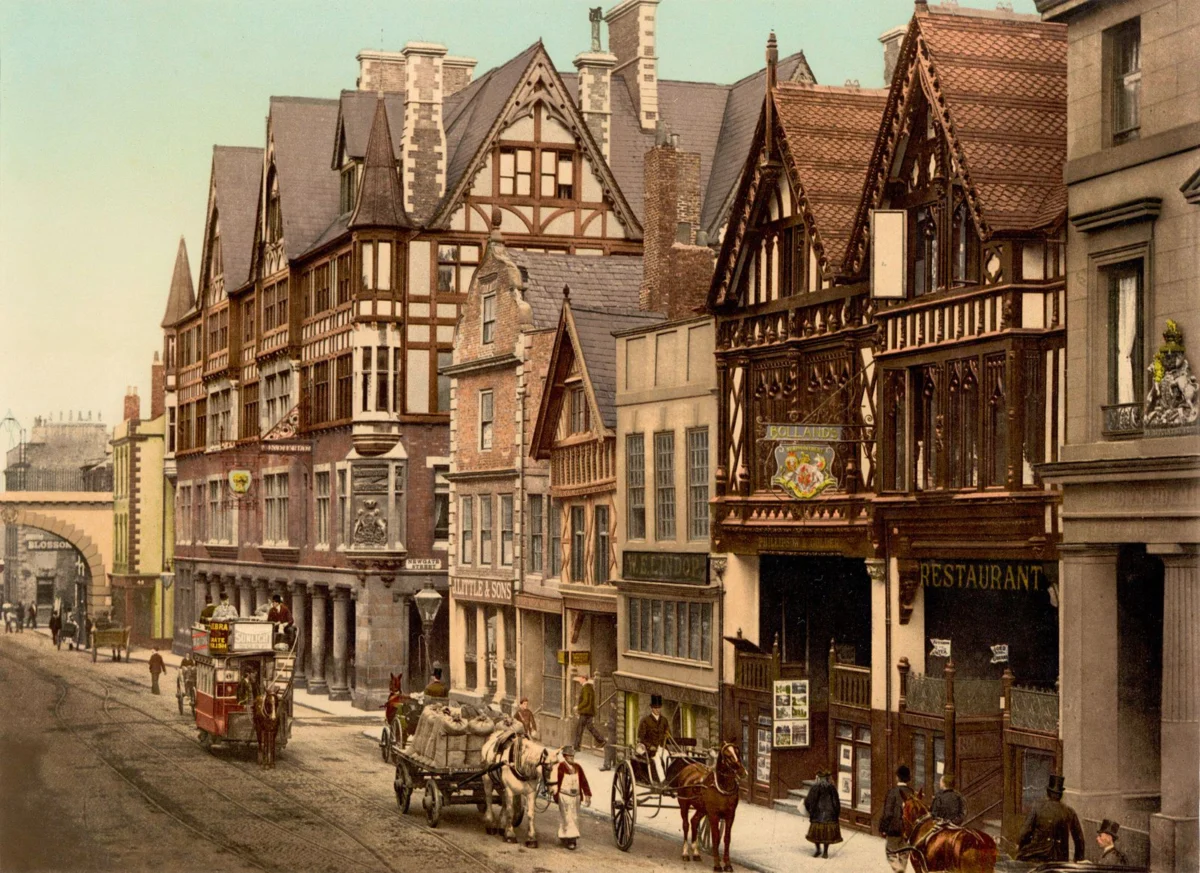
The COVID-19 pandemic precipitated a profound global shift in how and where work is conducted, accelerating the transition from traditional office environments to widespread remote and hybrid models. This contemporary re-evaluation of the workplace has thrust the concept of "live/work" spaces into the spotlight, making it seem like a modern innovation. However, the integration of domestic life and professional endeavor is far from a recent development; it is a fundamental human practice with a rich, multi-century history, deeply embedded in the architectural and urban fabric of cultures worldwide. This article delves into the historical evolution of dual-purpose housing typologies, exploring how diverse societies have, for centuries, blended home and labor, and how these enduring models continue to shape our built environment and daily lives.
The Genesis of Urban Commerce: Medieval Burgage Plots
The earliest widespread examples of integrated live/work spaces emerged in medieval Europe with the rise of urban centers and the burgeoning merchant class. Known as "burgage plots," these distinctive land parcels were foundational to the economic and social structure of market towns. Typically granted to "burgesses" (chartered town citizens) in exchange for rent, a burgage plot was characterized by its long, narrow dimensions, stretching back from a prime street frontage.
Context and Characteristics
During the 11th to 14th centuries, as feudal systems began to give way to more centralized urban economies, towns like Chester in England, Bruges in Belgium, and numerous others across the Holy Roman Empire, France, and Scandinavia became vital hubs of trade and craftsmanship. The burgage plot model efficiently maximized valuable street access while providing sufficient depth for both commercial and residential functions. The street-facing ground floor typically housed a workshop or retail space, where goods ranging from shoes and textiles to tools and baked goods were produced and sold. Above or to the rear of this commercial area, the burgess and their family resided, often in multiple stories to conserve space.
Architecturally, these structures were often timber-framed with wattle-and-daub infill, later evolving to include more stone or brick elements, particularly in wealthier towns. The ground floor often featured a wide opening for display and customer interaction, while upper stories might cantilever out over the street, providing additional space and some shelter for pedestrians below. As a single street accumulated a critical mass of these plots and buildings, it naturally evolved into a vibrant shopping district, a precursor to modern high streets. The clustering of specific trades on certain streets (e.g., "Butcher Row," "Baker Street") further enhanced the commercial efficiency and character of these medieval towns.
Socio-Economic Implications and Legacy
The burgage plot system fostered a highly integrated urban lifestyle. It eliminated commuting, allowing merchants and artisans to operate their businesses directly from their homes, facilitating direct oversight of their trade and immediate access to their family. This integration also supported a strong community ethos, as neighbors often shared trades and daily routines, contributing to the bustling street life and economic dynamism of medieval towns. The system also served as a critical mechanism for urban development and population growth, providing a structured way to allocate land and encourage economic activity within fortified town walls.
While few original medieval burgage buildings remain intact, their influence is undeniable. The long, slender lot divisions can still be observed in the cadastral plans and street patterns of many historic European cities. This enduring urban morphology testifies to the efficiency and adaptability of the burgage plot, a design that seamlessly interwoven the rhythms of commerce and domesticity, laying the groundwork for future live/work typologies.
Efficient Urban Living in Edo Japan: The Machiya
Halfway across the world, in Japan’s Edo period (1603–1867), a distinct live/work typology known as the machiya ("townhouse") emerged, particularly prominent in the bustling cities of Kyoto and Edo (modern Tokyo). These wooden structures were a sophisticated response to the needs of a rapidly growing merchant class in dense urban environments.

Architectural Ingenuity and Cultural Context
The machiya was characterized by its narrow frontage but surprising depth, an architectural strategy often influenced by property taxation systems that prioritized street-facing width. The front portion of a machiya typically served as a shop (mise-no-ma) or workshop, open to the street and designed for commercial activity. Behind this, and often on upper levels, were the private living quarters for the merchant family.
A key feature of the machiya was the tori-niwa, an unfloored, earthen pathway that ran from the front entrance deep into the house, often connecting to an internal courtyard. This courtyard was crucial for providing natural light and ventilation to the otherwise enclosed interior, creating a microclimate within the dense urban fabric. The interior layout utilized sliding screens (fusuma and shoji) and tatami mat flooring, allowing for highly flexible room configurations that could adapt from day-to-day living to entertaining guests or even expanding the workspace. Storage lofts were often situated above the commercial or living areas.
The street-facing facade of many machiya featured intricate wooden lattice screens called koshi. These koshi served multiple purposes: they offered privacy and security while allowing light and air to penetrate, and their specific design often subtly indicated the type of business conducted within, acting as an early form of "signboard architecture." For example, a rice merchant might have a distinct koshi pattern different from that of a textile dealer.
Social Dynamics and Decline
The machiya facilitated multi-generational living, supporting family businesses where all members often contributed to the trade. The integrated design fostered a close relationship between work and home, reinforcing family bonds and the transmission of skills. They were also centers of cultural life, often featuring small gardens (tsubo-niwa) that provided a tranquil respite from urban bustle.
The decline of the machiya began in the late 19th and early 20th centuries, accelerating significantly after World War II. Japan’s rapid modernization and post-war reconstruction efforts prioritized steel and concrete structures, seen as more resilient and efficient. Many machiya were demolished to make way for new developments, and their wooden construction made them vulnerable to fire and natural disasters. However, in recent decades, there has been a significant movement to preserve and restore remaining machiya, particularly in Kyoto. These historic buildings are now being repurposed as charming cafes, boutique shops, art galleries, and unique vacation rentals, allowing their unique architectural and cultural heritage to endure in a contemporary context.
Maritime Commerce and Architectural Ingenuity: Dutch Canal Houses
The 17th-century Dutch Golden Age witnessed an explosion of trade and prosperity, leading to rapid urbanization and the development of one of Europe’s most iconic live/work typologies: the Amsterdam canal house. These distinctive, tall, narrow, and deep structures were a direct architectural response to both economic opportunity and specific municipal regulations.
Taxation and Design Innovation
Amsterdam, a global trading powerhouse, faced intense pressure on urban land. To manage development and generate revenue, the city imposed taxes based on the width of a building’s street frontage. This policy directly influenced the design of canal houses, encouraging builders to create structures that were as narrow as possible to minimize tax liabilities, but tall and deep to maximize usable space.
The typical canal house emerged as a multi-story building, often four or five floors high, with a relatively modest width of perhaps 5 to 8 meters but extending 20 to 30 meters or more in depth. The ground floor, often at street level or slightly raised, housed the merchant’s office, storage, or a small shop. Goods were frequently stored in the basement, which had direct access to the canal for easy loading and unloading from barges, and in the attic.

Functional Features and Lifestyle
A hallmark of the canal house is the elaborate gabled facade, often featuring a prominent hoisting hook at the very top. This hook was a practical necessity, used to hoist furniture, goods, and other bulky items directly from street level up to the attic or through upper-story windows, as the narrow staircases inside were often too steep and winding for large objects. This functionality became an indelible part of their architectural character.
The living spaces for the merchant families were typically situated on the middle floors. These often included elegant reception rooms at the front, overlooking the canal, and more private family rooms towards the rear. Many wealthier canal houses also featured "back houses" – smaller, secondary structures built in the garden behind the main house – which could serve as additional living quarters for staff, extended family, or further storage. Small, enclosed gardens provided green space and privacy amidst the urban density.
Evolution and Enduring Appeal
The canal house embodied the entrepreneurial spirit of the Dutch Golden Age. It seamlessly integrated the demands of a thriving business with the needs of a prosperous family, symbolizing wealth, status, and practicality. The close proximity to the canals facilitated trade, while the efficient use of vertical space allowed for high-density living without sacrificing comfort.
With the advent of industrialization in the 19th century and subsequent shifts in urban demographics and business practices, the traditional live/work function of many canal houses began to wane. Businesses moved to dedicated commercial districts, and the demand for separate living and working spaces grew. Consequently, many canal houses were converted into multi-apartment dwellings or renovated into single-family homes, losing their original commercial ground floors. Despite these changes, Amsterdam’s canal houses remain one of the city’s most cherished and recognizable architectural features, admired globally for their unique charm, historical significance, and ingenious design that continues to inspire modern adaptations.
Density and Durability in Southeast Asia: Vietnamese Tube Houses
In the bustling trading cities of Vietnam, particularly Hanoi and Ho Chi Minh City, a distinctive and highly adaptable live/work typology known as nhà ống (tube houses) emerged around the late 19th century. These houses represent a sophisticated response to extreme urban density and the vibrant street-level commerce characteristic of many Southeast Asian cities.
Architectural Adaptation to Urban Constraints
Vietnamese tube houses are defined by their incredibly narrow frontages, often only a few meters wide, but extending astonishingly deep – sometimes hundreds of feet – into the block. This design was primarily driven by land scarcity and, in some historical contexts, by taxation systems that, similar to Amsterdam, assessed property based on street frontage. The front portion of a nhà ống was dedicated to commercial activity, featuring shops that sold a wide array of goods, from silk and spices to silverware and traditional crafts. It was common for entire streets to specialize in particular trades, creating vibrant commercial arteries.
Behind and above the street-level shop, the multi-story structure provided living quarters for the family, often accommodating multiple generations under one roof. While earlier tube houses typically had two or three stories, more recent iterations can soar to 12 or more floors, reflecting continued urban intensification.
Design Features for Comfort and Community
Despite their narrowness, nhà ống designs incorporated clever features to ensure habitability. Light wells and internal courtyards were strategically placed to draw natural light and promote air circulation deep into the interior, combating the oppressive heat and humidity of the tropical climate. The architecture often featured terraced structures, decorative columns, and covered walkways along the street-facing side, providing shade and creating inviting public spaces. These elements contribute to the lively streetscapes that define Vietnamese cities.

The flexibility of interior spaces, often achieved through movable partitions, allowed families to adapt their homes to changing needs, whether for expanding business operations or accommodating growing families. This adaptability underscores the enduring practicality of the tube house as a dynamic live/work environment.
A Regional Phenomenon: The Shophouse Legacy
The Vietnamese tube house is part of a broader architectural category known as the "shophouse," which proliferated across Southeast Asia under colonial influence and beyond. This typology can be seen in various forms throughout the region, each with its local adaptations:
- Singapore’s Peranakan Rows: Known for their elaborate, often colorful facades and deep interiors, these shophouses reflect a rich blend of Chinese, Malay, and European architectural styles.
- Malaysia’s Melaka and George Town: UNESCO World Heritage Sites, these cities are celebrated for their well-preserved shophouse districts, showcasing diverse architectural influences and vibrant commercial activity.
- Hong Kong’s Tong Lau: These multi-story tenement buildings, often with shops on the ground floor and residential units above, provided essential live/work accommodation for generations of urban dwellers in one of the world’s densest cities.
These shophouses, whether in Vietnam, Singapore, Malaysia, or Hong Kong, share a common DNA: decorative and often colorful facades that mask deep, flexible interiors designed to seamlessly integrate commerce and domestic life. They represent a testament to ingenious urban planning and cultural adaptation, maintaining their relevance in many parts of Asia today.
Artistic Expression and Urban Reinvention: French Ateliers and SoHo Lofts
The integration of living and working spaces took on a new, romanticized dimension with the rise of artistic movements in the late 19th and 20th centuries, giving birth to the iconic French atelier and the American artist’s loft.
The Parisian Atelier: A Bohemian Ideal
In late 19th-century Paris, the artist’s atelier became synonymous with a bohemian lifestyle where creative work and daily life were inextricably intertwined. While the term "atelier" (meaning workshop) has existed since the Middle Ages, it gained particular resonance during this period of artistic flourishing. Artists sought spaces that offered specific conditions conducive to their craft: ample natural light, high ceilings for large canvases or sculptures, and an open layout that allowed for both creative work and informal living.
Architects, including pioneering modernists like Le Corbusier, embraced this concept, often designing their own double-height studios with expansive north-facing windows to ensure consistent, even light – ideal for painting and drafting. Le Corbusier’s own apartment-atelier on the top two floors of a building he designed in Paris (Rue Nungesser et Coli) exemplified this integration, with a soaring studio space directly adjacent to his living quarters. Beyond purpose-built spaces, many artists like Picasso and Modigliani repurposed existing structures such as stables, garrets, and abandoned industrial buildings, transforming them into functional yet often rustic live/work environments. This fluid boundary between creation and existence fostered intense artistic communities and a distinctive cultural identity.
SoHo Artist Lofts: Post-Industrial Adaptation
Fast-forward to mid-20th-century Manhattan, where a similar phenomenon unfolded in the deserted industrial landscapes of SoHo (South of Houston Street). From the 1950s through the 1970s, as manufacturing moved out of the city, large, multi-story factory and warehouse buildings stood vacant, offering vast, affordable spaces. Artists, drawn by the expansive layouts, high ceilings, robust floors, and abundant light from oversized windows, began to move into these abandoned industrial buildings.
Pioneering figures in the contemporary art world, such as Donald Judd, Louise Nevelson, Robert Rauschenberg, and countless others, transformed these raw, utilitarian spaces into sprawling studios and living quarters. These "lofts" provided the generous dimensions necessary for creating large-scale artworks, while simultaneously serving as homes, exhibition spaces, and social hubs for a burgeoning artistic community. This movement was initially informal and often illegal, as zoning laws had not yet caught up to codify residential use in industrial zones. Artists often lived "under the radar," facing challenges with basic amenities and legal status.

From Subculture to Mainstream
The SoHo loft movement played a crucial role in the revitalization of downtown Manhattan and, eventually, in defining a new aesthetic for urban living. The industrial aesthetic – exposed brick, raw concrete, large windows, open floor plans – became highly desirable. As artists transformed these derelict buildings into vibrant cultural centers, the areas they inhabited became gentrified. By the late 20th century, zoning laws were reformed to legitimize "artist-in-residence" lofts, and the "loft apartment" evolved into a mainstream, often high-end, housing typology that defined much of the urban landscape across the USA and Europe, symbolizing modern, flexible, and culturally aware living. The legacy of the atelier and the artist’s loft underscores the profound impact of creative communities on urban development and the enduring human desire to live immersed in one’s work.
The Digital Frontier: Content Houses
In the 21st century, the live/work paradigm has undergone yet another significant transformation, driven by the explosive growth of social media, the creator economy, and the rise of influencer culture. This new iteration has manifested in the phenomenon of "content houses" or "collab houses," which have become hubs for digital media production.
Emergence in the Creator Economy
The concept of the content house evolved alongside the rapid ascent of platforms like YouTube, TikTok, and Instagram. As individual creators (YouTubers, TikTokers, streamers) began to gain massive followings and monetize their online presence, the need for dedicated spaces to live, collaborate, and continuously produce high-quality digital content became apparent. These houses, often sprawling mansions in affluent areas (particularly in Los Angeles), serve as both communal living spaces and professional production studios.
Famous examples include the Hype House in Los Angeles, known for its TikTok stars, or the Wave House near London, which houses UK-based creators. These properties are meticulously designed and equipped to facilitate constant content creation, featuring elaborate lighting setups, various backdrops, and dedicated filming zones.
A New Form of Labor and Lifestyle
Content houses are more than just homes; they are strategic business environments. They house a rotating cast of online creators, many of whom are in their teens or even preteens, who collectively post daily routines, viral dances, challenges, and collaborative videos. The primary "work" involves documenting and broadcasting their lives, creating an unprecedented blurring of private and public spheres. Every room, from the kitchen to the bedroom, can become a potential production site, and every casual conversation a potential viral moment.
This model collapses the live/work concept into a continuous performance, where personal life is not just integrated with work but often becomes the work itself. The residents are simultaneously roommates, colleagues, and often competitors, living under constant scrutiny from their millions of followers. This environment is akin to a social media-ready version of televised social experiments like Big Brother or The Real World, where cameras (or at least smartphones) are always rolling, and personal interactions are meticulously curated for public consumption.
Implications and Future Outlook
The content house phenomenon has significant implications for the future of work, community, and personal identity. It represents a hyper-commercialization of private space and personal relationships, raising questions about authenticity, mental health, and the long-term sustainability of such a demanding lifestyle, especially for young creators. It also highlights the growing economic power of the gig economy and the digital influence industry.
From an architectural and urban planning perspective, content houses pose new challenges and opportunities. They require spaces that are highly adaptable, technologically advanced, and capable of functioning as both a comfortable home and a bustling media studio. While these houses might seem like a niche development, they underscore a broader trend: the ongoing redefinition of what constitutes "work" and "home" in an increasingly digital and interconnected world. The live/work concept, far from being a passing trend, continues to evolve, adapting to new technologies, economic structures, and societal values, reaffirming its enduring relevance across human history.

The Enduring Legacy and Future of Integrated Spaces
The journey through medieval burgage plots, Japanese machiyas, Dutch canal houses, Vietnamese tube houses, Parisian ateliers, SoHo lofts, and contemporary content houses reveals a profound and consistent human impulse: the desire to integrate living and working. This historical chronology demonstrates that the separation of home and workplace, often considered the norm since the Industrial Revolution, is merely one phase in a much longer, more fluid history.
Recurring Themes and Adaptability
Several recurring themes emerge across these diverse typologies. Economic drivers consistently shape live/work solutions, whether it’s medieval trade, Edo-period merchant prosperity, Dutch taxation policies, or the modern influencer economy. Urban density and land scarcity have also been powerful catalysts, compelling societies to devise ingenious architectural solutions that maximize space and functionality. The need for adaptability and flexibility in design is another constant, allowing spaces to evolve with changing commercial needs and family structures. Finally, the role of community formation – whether among medieval artisans, urban merchants, or contemporary digital creators – highlights how these integrated spaces foster unique social dynamics.
A Continuous Cycle of Integration and Separation
The pendulum of live/work integration has swung throughout history. Periods of intense integration, driven by artisanal crafts or localized commerce, have often been followed by phases of separation, particularly during industrialization, when large-scale production moved to dedicated factories and offices. However, with the advent of the digital age, the pendulum is swinging back. The global shift to remote work, accelerated by the pandemic, has brought the multi-functional home back to the forefront of architectural and lifestyle discussions.
The "home" is increasingly viewed not just as a place of rest but as a flexible hub for work, education, recreation, and social connection. This renewed emphasis on integrated spaces draws parallels with historical models, suggesting that the fundamental human need for seamless transitions between life’s various spheres remains potent. As technology continues to advance and global economies evolve, the ingenuity seen in historical live/work typologies will undoubtedly continue to inspire new architectural and urban solutions, ensuring that the enduring legacy of integrated living and labor persists far into the future.